It’s a very supportive environment. People are always willing to help each other, and no one acts like they’re better than anyone else.
That makes it easier to solve problems and get things done.
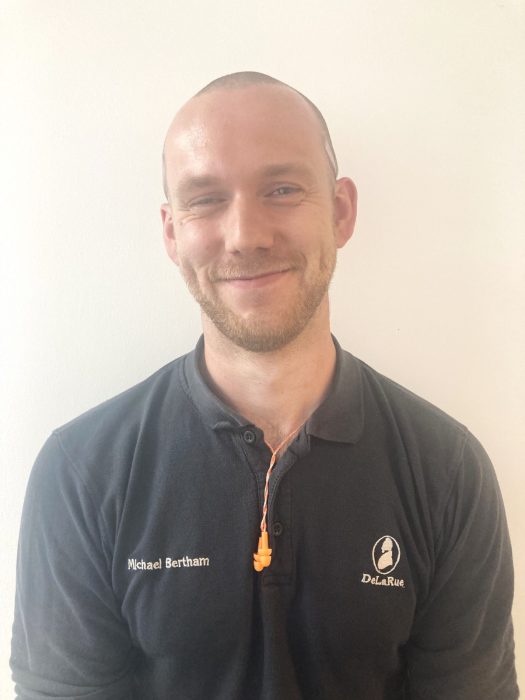
Print Technician
Michael is a Process Leader at De La Rue
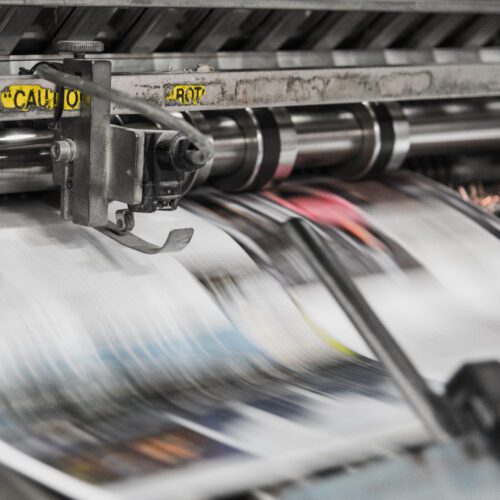
I help make banknotes for countries all over the world. I work with polymer, which is used to make the plastic-style notes that we use in the UK.
My job is to manage a team and keep the printing machines running, so we can produce money to the right quality and on time.
If something goes wrong, I help fix it quickly so there are no delays. That helps make sure everything keeps moving as it should and countries don’t run short of cash.
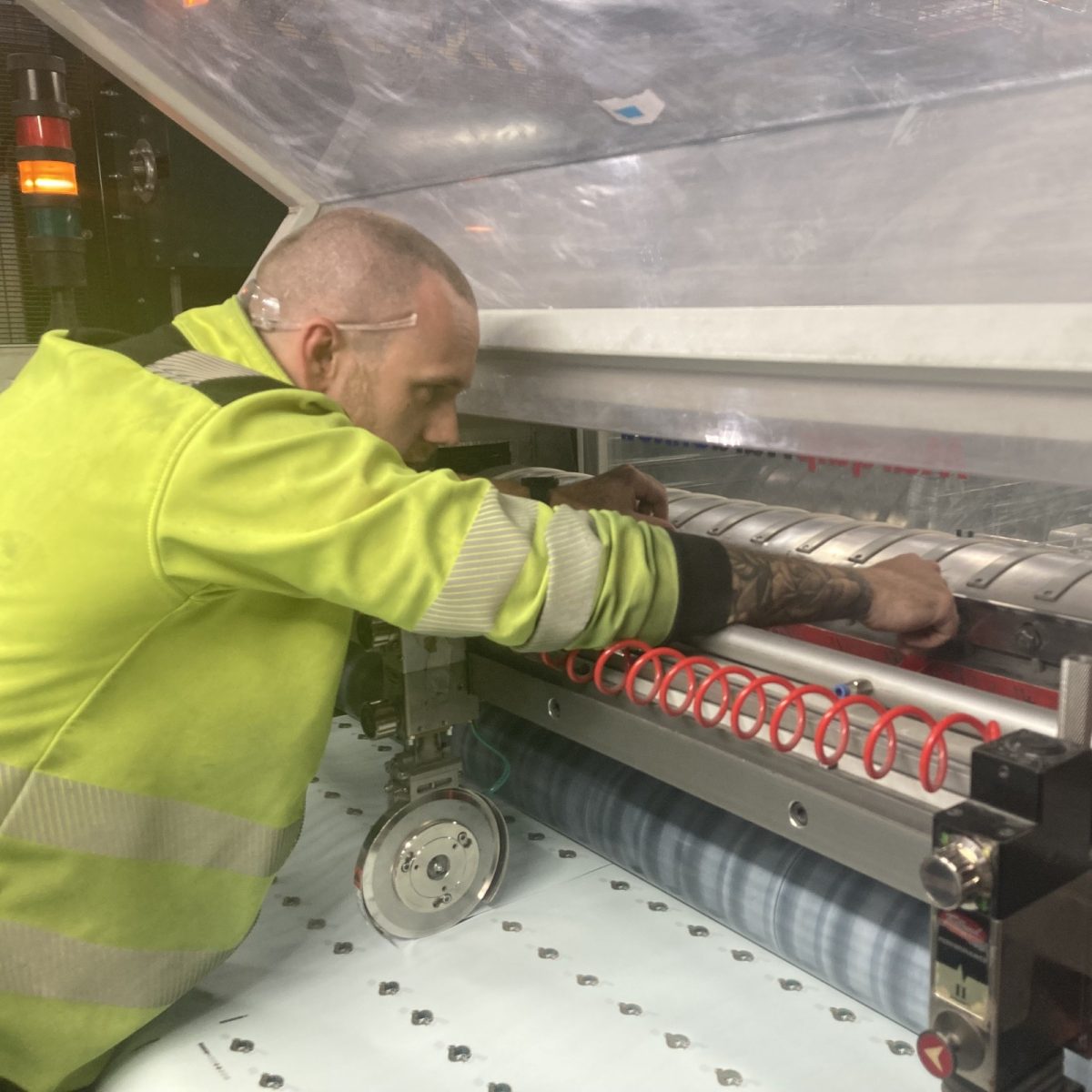
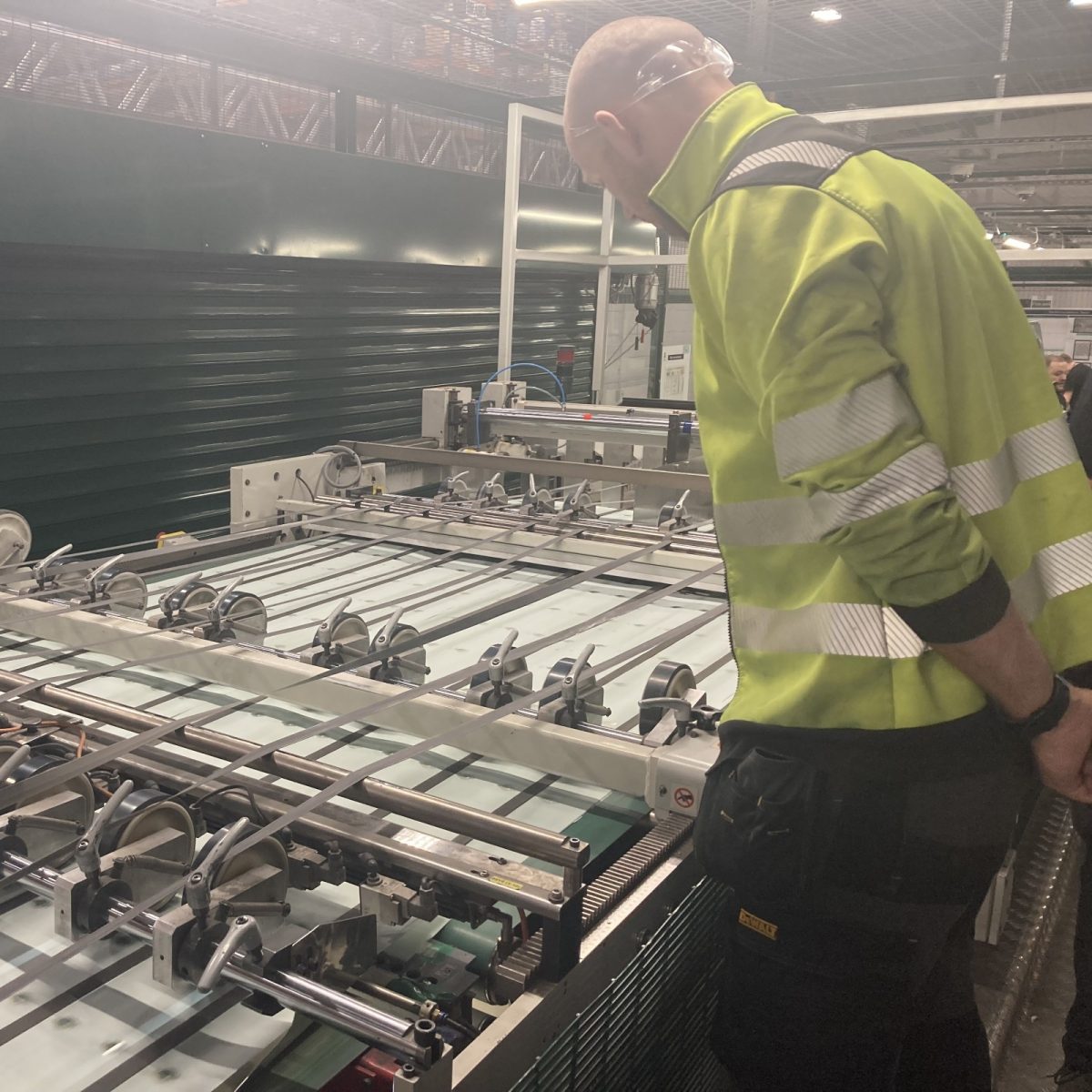
I enjoy the challenges. Every day can be different, and there is always something new to solve.
Working with people is another big part I enjoy. There are lots of different personalities, and that keeps things interesting.
I also like that I started at the very bottom and worked my way up. It’s helped me understand everything inside out, which makes the job more rewarding.
Communication is one of the most important skills I use. I need to keep my team informed and motivated so we can get the job done properly.
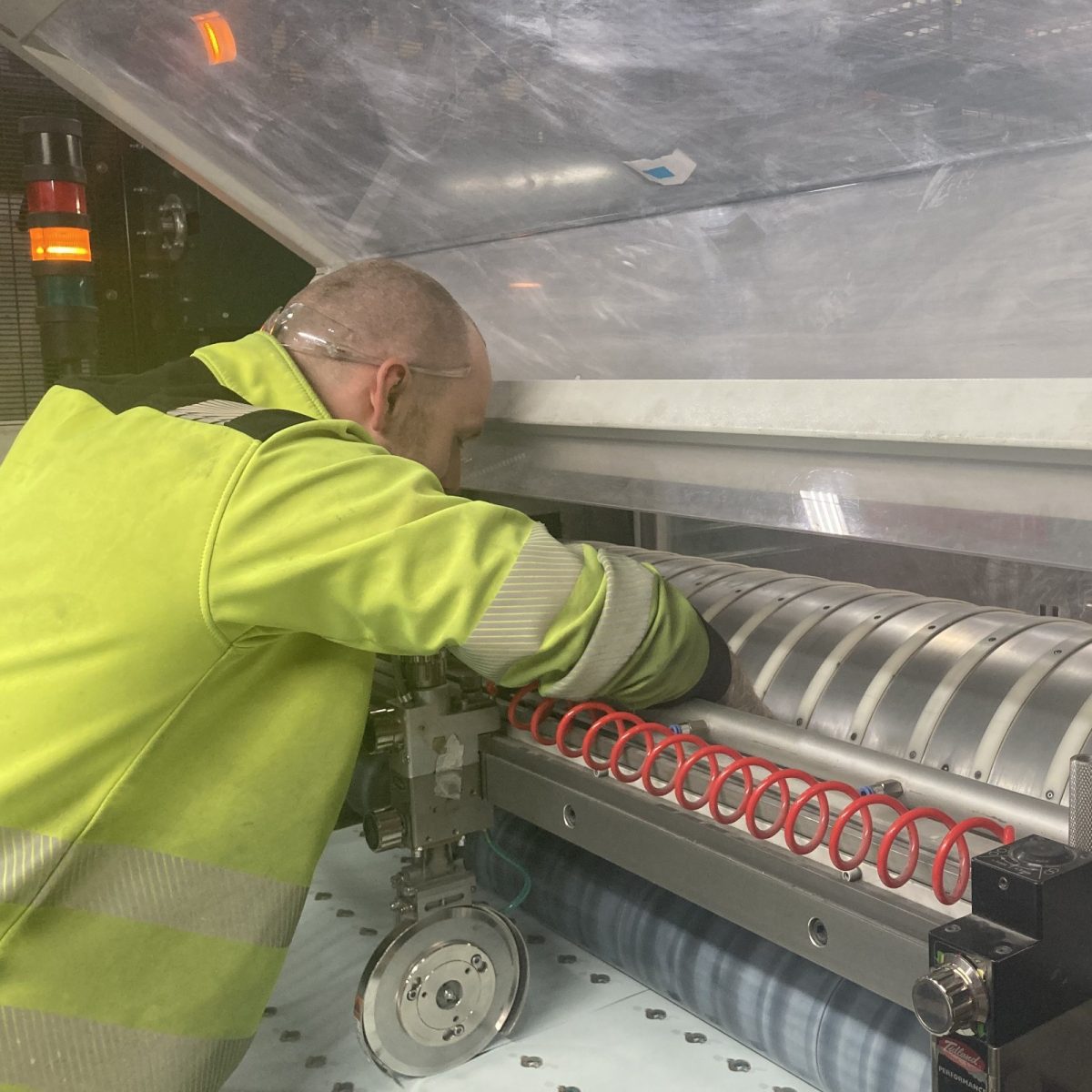
Problem solving is another key skill. When something goes wrong, I break it down step by step to find the root cause. That means working out if the issue is caused by the machine, the material or something else.
I also use data skills. I analyse information from machines to predict when parts might fail and to plan production.
Having the right attitude is just as important. You need to stay focused, keep trying and always aim to do your best.
It’s a very supportive environment. People are always willing to help each other, and no one acts like they’re better than anyone else.
That makes it easier to solve problems and get things done.
My favourite tool is actually something simple – a screwdriver. I use it in a clever way to listen to machine parts called bearings.
A bearing helps parts rotate smoothly. I place the screwdriver on the machine and hold it to my ear, and I can hear whether the bearing sounds smooth or if it’s grinding, which means it’s worn out. It’s a quick and simple way to spot problems early and keep machines running.
I still enjoy practical work. Recently, I replaced my kitchen just because I fancied a change.
When I was younger, I was always outside riding my bike or fixing things. Now it’s more about working on projects at home or in the garden.
At school, I enjoyed hands-on subjects more than academic ones. I liked making things and being creative.
I didn’t always get the best results, but I was always curious about how things worked, even if I didn’t realise it would lead to a career later on.
One of my proudest achievements was helping to set up a brand-new factory line.
I worked on installing new machines and getting them ready for production. This included cutting and inspection machines. I made sure they met the required standards, worked with suppliers and helped create training and safety documents.
Seeing those machines go from nothing to full production was a great feeling.
The machines run 24-hours a day, 7 days a week. I didn’t realise before I started that making money is a constant process.
Also, some problems can be fixed from home by logging into the machines remotely and adjusting settings.
I could move into a more senior management role, overseeing the whole department, or go further into the technical side and focus more on the machines.
I haven’t decided yet which path to take.
Stay focused and keep working towards what you want. If you have a goal and stick with it, you can get there.
And you don’t have to go to university to be successful – there are lots of different paths.
Discover what qualifications you’ll need, how much you can earn, and what the next steps are.