Favourites

Meet Luke

Research and Development Technician

Luke is a Refrigeration Technician specialising in Research and Development at Lightfoot International.

What I do

I work in research and development, helping create refrigeration and air-conditioning equipment for various industries including Air, Land and Sea.

That can mean working on equipment used to service high-tech aircraft cooling systems or helping to keep an entire ship’s crew comfortable at sea.

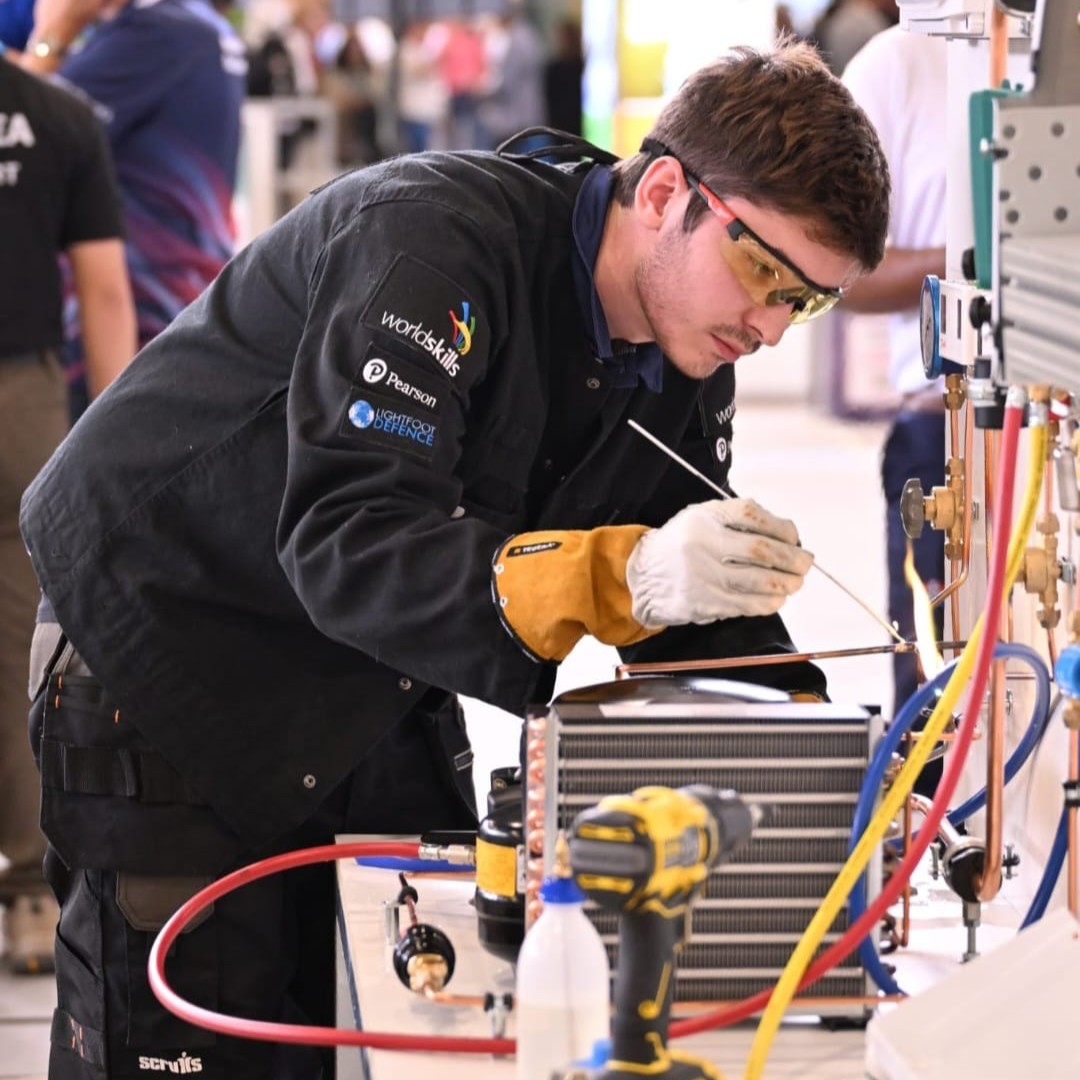
My role starts with understanding what a customer needs. I work alongside engineers to explore possible solutions, then get hands-on with building and testing prototypes. I enjoy the challenge of figuring out why something isn’t performing as expected and making adjustments until it does.

I also repair and service equipment, which gives me an insight into how our designs perform in everyday use. I use that experience to help make components easier to access by service technicians. This makes maintenance jobs more straightforward and equipment simpler to operate. The most satisfying part is knowing that my work has made someone else’s job easier.

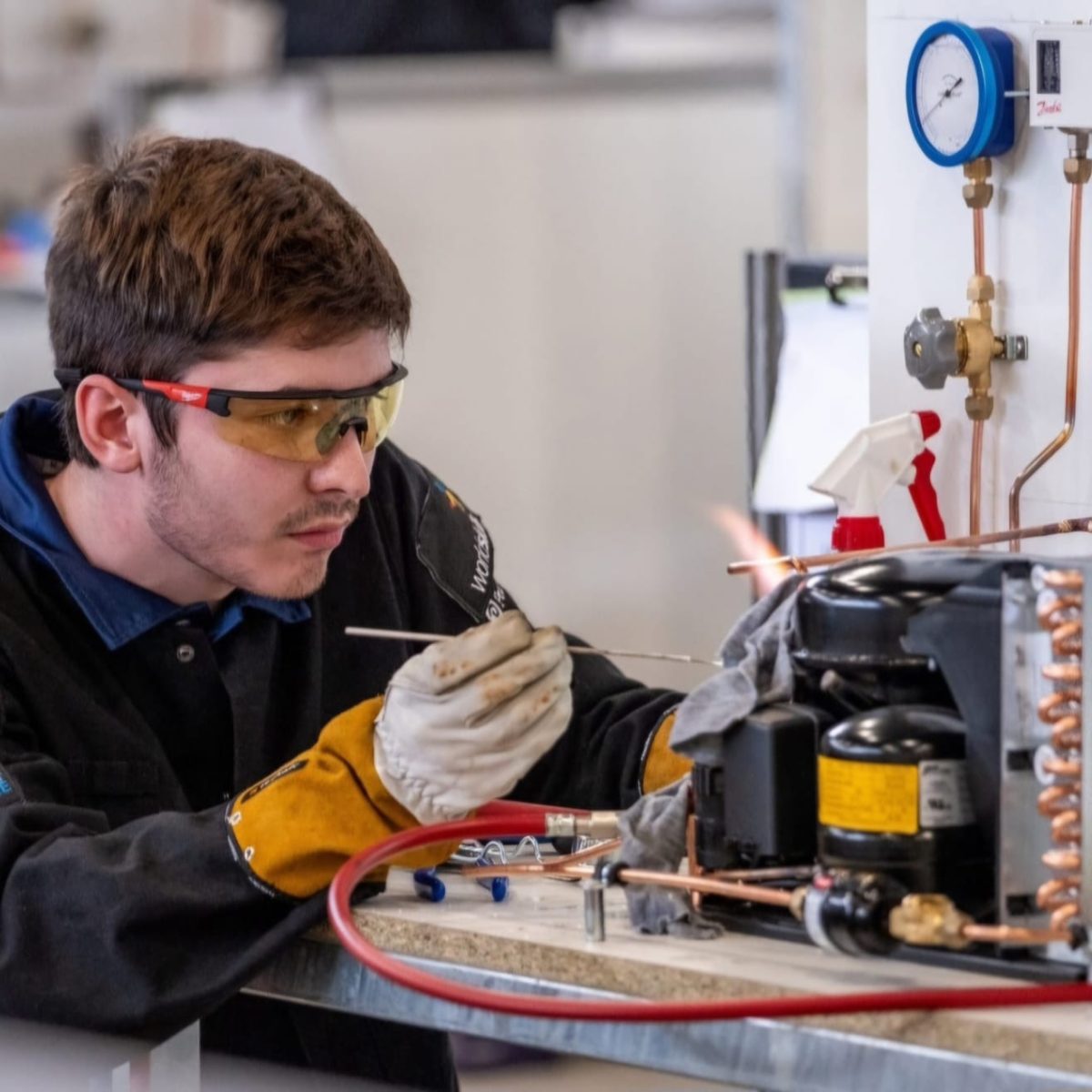
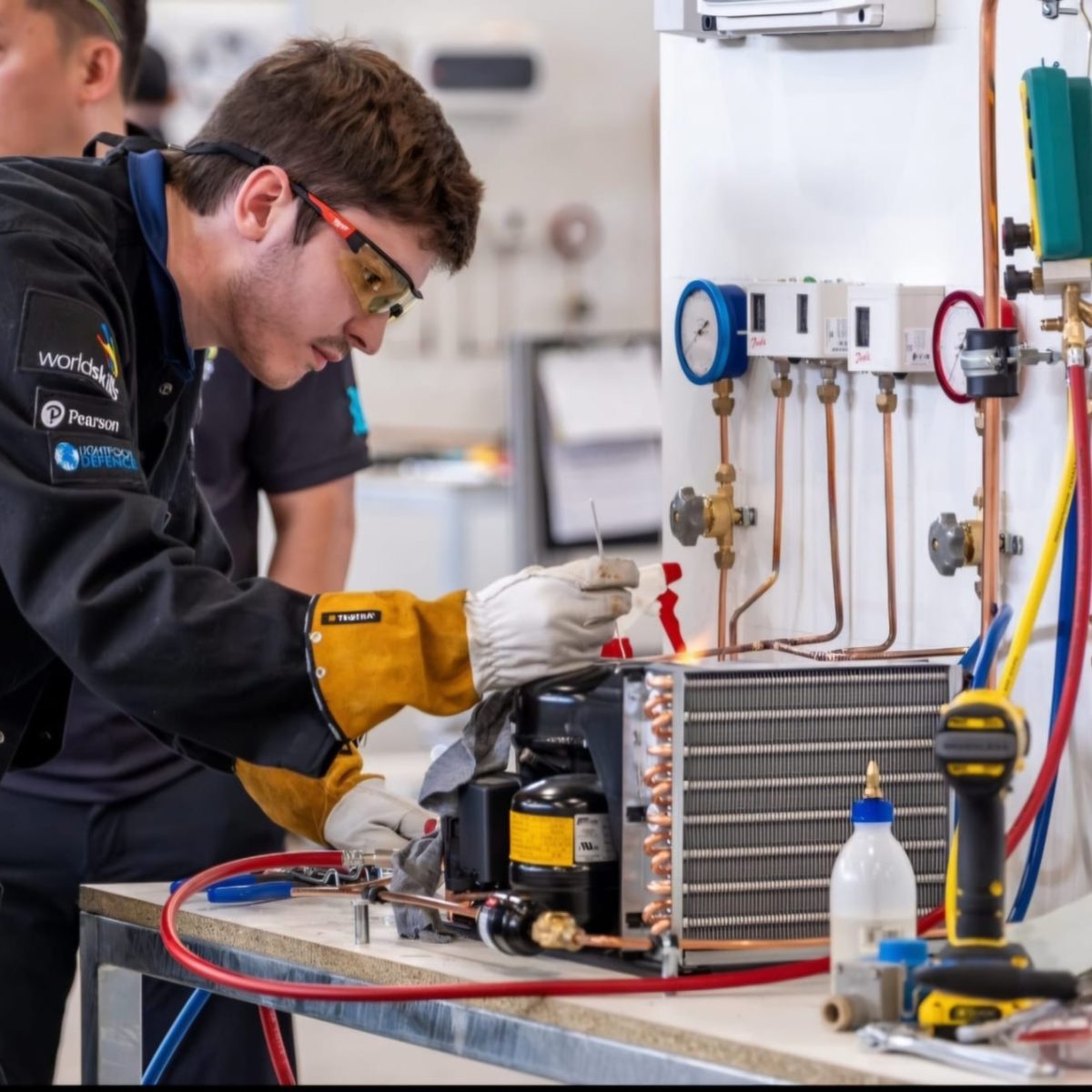
Research and Development Technician Luke, wearing safety glasses and protective gloves, working on a refrigeration unit and copper pipework, in a technical workshop.

What I love about my job

The variety keeps me interested. One job might involve a familiar refrigeration or air-conditioning system, the next could mean working out what’s needed for an ice rink, an aircraft or a building with an unusual purpose.

Some of my work requires high-level security clearance, so unfortunately, a few of the coolest projects have to stay under wraps.

There are memorable moments too, like getting to sit in an Apache helicopter. Each project brings something different to learn.

The skills I use most

Problem solving is the skill I use most. Before designing a solution, it’s important to understand what’s causing the problem.

From there, CAD (computer-aided design) and 3D printing help me develop ideas into prototypes we can test.

Precision matters too – from measuring and making parts to checking the results. This is especially important when equipment needs to withstand high pressures and extreme temperatures.

A little more about my everyday role

The best bits about working in a team

Joining a small company as one of the youngest people there meant learning from experienced technicians who quickly took me under their wing.

Everyone brings different strengths – some are great at solving technical problems, while others have a knack for explaining things clearly.

Being keen to learn and willing to ask questions has helped me make the most of that support.
My favourite piece of equipment

My go-to piece of equipment is the 3D printer. It lets me turn a design on screen into a physical part in a short time, whether that’s a custom component or a new prototype.

Having something to hold and try out makes it easier to check the fit and spot improvements before the final part is made in metal.

What I like to do in my spare time

Badminton keeps me fit, and I enjoy the fast pace of the game. My local team has players of different abilities, so there’s always someone to learn from. Formula 1 is another interest, with trips to races in Bahrain, Abu Dhabi and Hungary.

At home, my hobbies include engineering, DIY and a bit more 3D printing. These interests have led to some unusual projects, including working with a paediatric cardiologist to create custom 3D heart models for surgical practice. On the creative side, I’ve also been commissioned to make artwork, including a resin river table.

My school days

My school years were a little unusual. As a family, we moved around with my dad’s career, so I attended several schools in Brunei, Saudi Arabia, Bahrain and the UK.

Living in different countries gave me the chance to experience different cultures and learn bits of languages such as Malay and Arabic. There was always something new to discover, and that curiosity has stayed with me.

The most exciting thing I’ve achieved so far in my job

Winning a silver medal at WorldSkills Lyon 2024 is my proudest achievement. Preparing to compete against skilled people from around the world meant fitting extra training around work and college, with plenty of sacrifices along the way.

The competition involved designing and building a working refrigeration system, testing it safely and making parts to precise measurements. Some copper parts had to match a drawing within just two millimetres either way. It put my attention to detail and problem-solving skills to the test. Earning that medal made the hard work worthwhile.

A surprising fact about my job

Refrigeration goes far beyond the fridge in your kitchen. It has lots of other uses, like keeping medicines cold or helping to cool medical scanning equipment.

The value of some equipment surprised me when I started. A system at home might cost a few thousand pounds, while some machines we build cost hundreds of thousands. There’s also equipment in our workshop worth a fortune. After a while, working beside a £200,000 box starts to feel strangely normal.

The next steps in my career journey

I’m about to start an engineering top-up degree, to build on my practical experience and deepen my understanding of how things work.

There’s always more to learn, and my next step is to use that knowledge to take on more responsibility. With further experience, I’d like to move into management and help others develop their skills too.

The advice I’d give to someone younger

Explore apprenticeships in a field that interests you. Balancing work and study can be challenging, especially when friends head off to university, but there’s a lot to gain. Choose a route that suits you and what you enjoy.

With an apprenticeship, you earn money while you learn, develop practical skills and work towards a recognised qualification.

Research and Development Technician Luke, wearing safety glasses and protective gloves, working on a refrigeration unit and copper pipework, in a technical workshop.
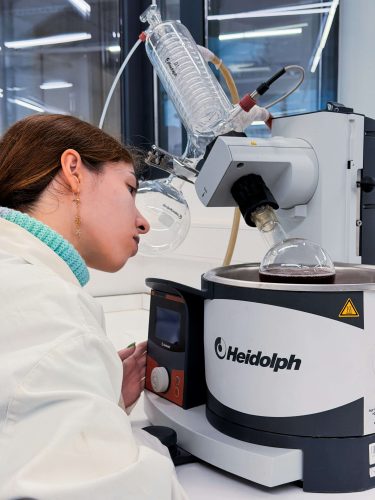
Young women running a test in a lab.

Think you could be a Research and Development Technician?

Discover what qualifications you’ll need, how much you can earn, and what the next steps are.

Discover other
technicians who
do this role

Like the sound of
this role?
Visit the
role detail page