Favourites
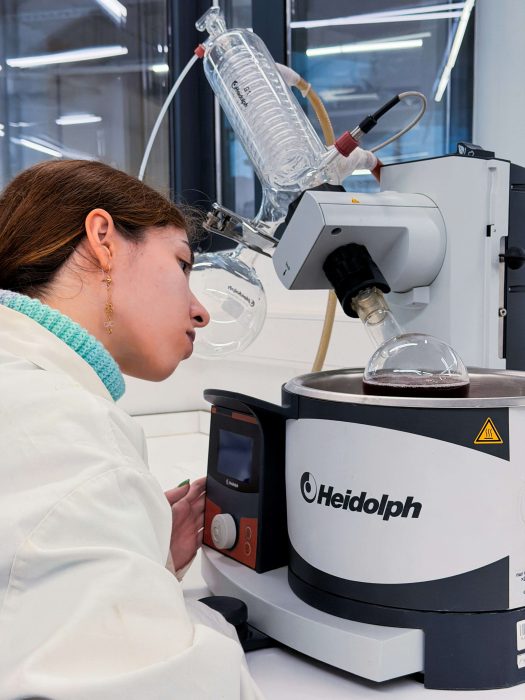
Young women running a test in a lab

Research and Development Technician

Support engineers by helping to test and improve products that solve real-world problems.

How a Research and Development Technician makes a difference

As a Research and Development Technician, you help test and refine ideas so they can become real working products.

You make sure designs work properly, help test and improve prototypes, and share your findings with engineers and other team members. Your work helps businesses build better, safer and more useful products, from cars and aircraft to everyday machines, and makes sure things work as they should before they reach customers.

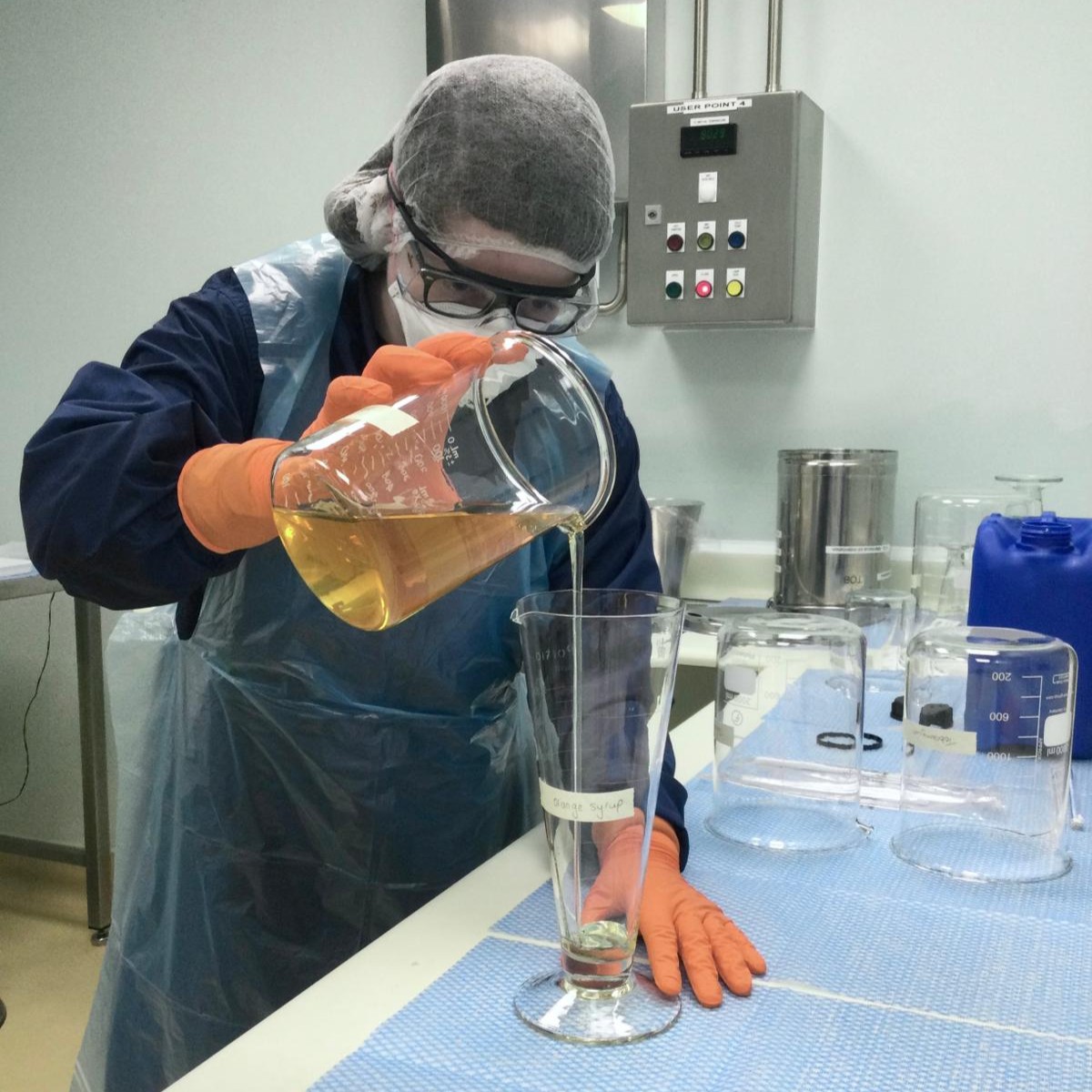
Louisa wearing an apron, facemask, safety goggles, and gloves, measuring out a liquid in the lab.

The type of work a Research and Development Technician will do

  • Help prepare and set up tools and equipment safely
  • Carry out tests on parts, systems and prototypes
  • Record results and check quality against designs
  • Work with engineers to solve problems found during testing
  • Read and follow drawings, plans and technical information
  • Use workshop and lab equipment such as measurement tools or 3D printers
Useful skills
Problem solving
Useful skills
Attention to detail
Useful skills
Logical thinking
Useful skills
Practical application
£ 0 1 2 3 4 5 6 7 8 9 0 1 2 3 4 5 6 7 8 9 , 0 1 2 3 4 5 6 7 8 9 0 1 2 3 4 5 6 7 8 9 0 1 2 3 4 5 6 7 8 9
Average salary per year *
£ 0 1 2 3 4 5 6 7 8 9 , 0 1 2 3 4 5 6 7 8 9 0 1 2 3 4 5 6 7 8 9 0 1 2 3 4 5 6 7 8 9
Average salary per month *

Data powered by LMI for all
*according to ONS

Future career opportunities for a Research and Development Technician

Starting as a Research and Development Technician can lead to roles such as product development technician, design technician or specialist technical roles. With experience and further training, you could move into higher technical jobs or work towards becoming an engineer.

How to become a Research and Development Technician

There’s no perfect career path or ideal way into your dream job.

But if you’re interested in education and training options that could be relevant to this role, you might want to consider:

Options available after GCSEs:

  • A T-level in Engineering, manufacturing, processing and control​
  • An apprenticeship as an Engineering Technician

Schools and colleges each have their own career guidance plan and can provide detailed information, advice, and guidance on options and next steps.

A little more about the role

Exciting features...

This role combines hands-on practical work with creative thinking. You might help build and test new ideas, work with prototypes or use digital tools to check how things fit and function. You will work alongside engineers in industries such as manufacturing, automotive or aerospace, helping test and improve products people use every day. There is always something new to learn and improve, making the job varied and interesting.

Other job titles...

You might also see this role listed under different job titles, including:

Engineering Technician
Product Design and Development Technician
Prototype Technician
Laboratory Technician
Technical Support Technician

Discover
technicians who
do this role