Favourites

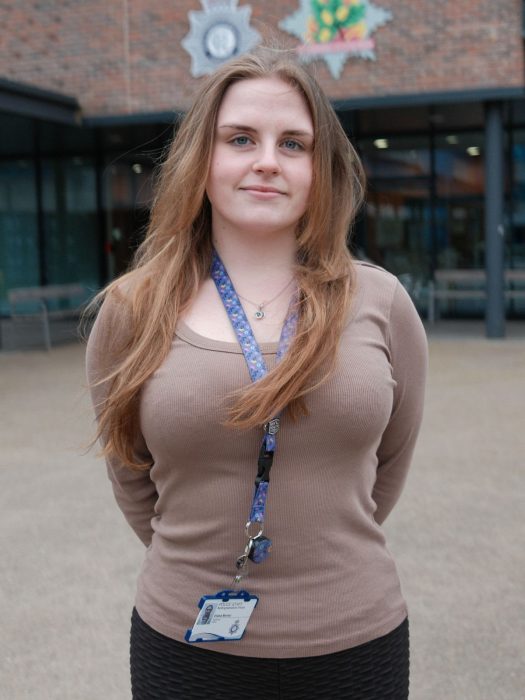
Meet Elisha Morley

Digital Forensics Technician

Elisha is a Digital Forensics Technician at Nottinghamshire Police

What I do

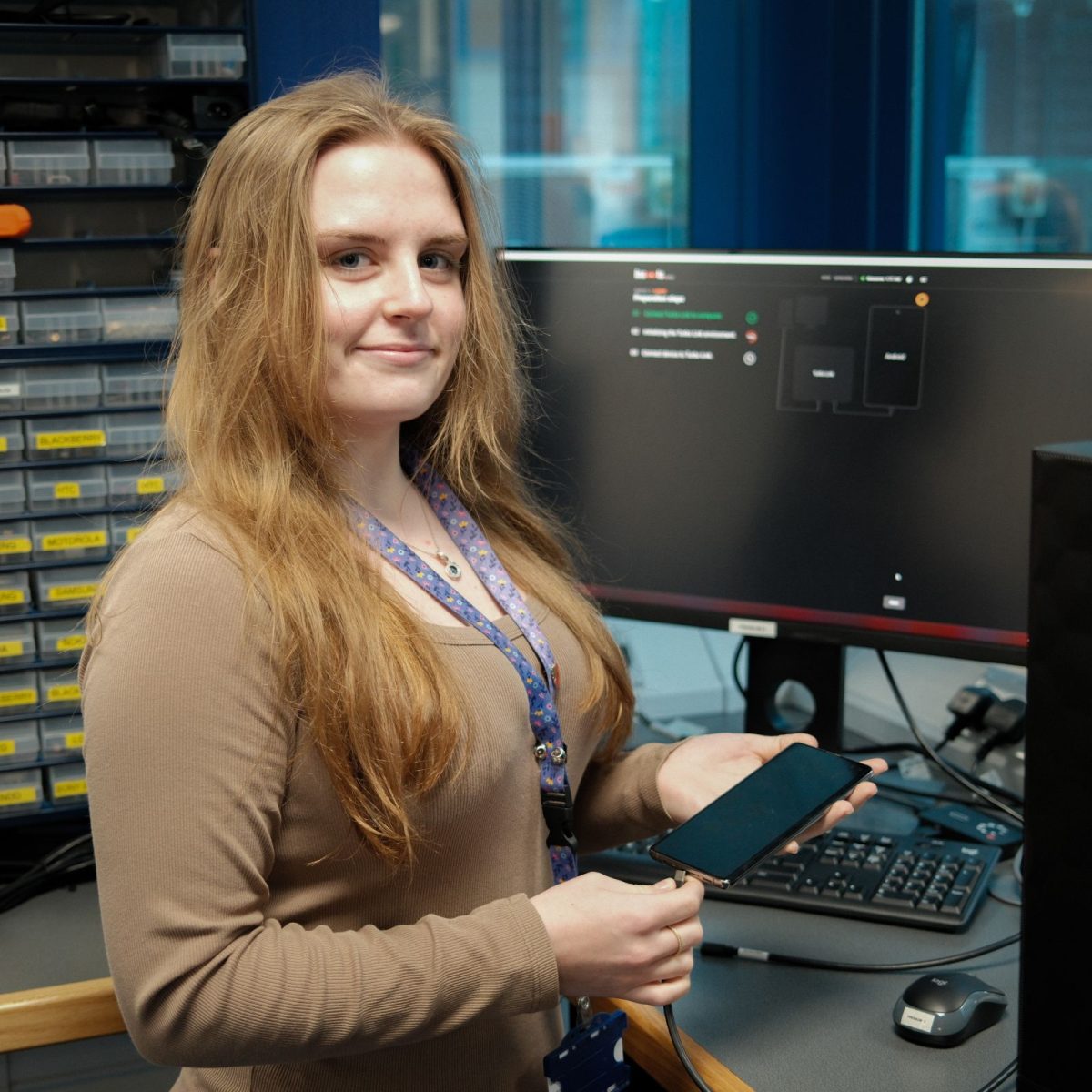
My job is to collect and preserve digital evidence from devices like mobile phones, computers and tablets.

Police officers send devices to our laboratory, and I use specialist forensic software to extract the data from them.

The data – such as messages, photos or videos – can then be used as evidence in investigations and in court.

My work helps officers build cases and bring justice for victims.

Digital Forensics Technician Elisha, holding a mobile phone, standing in front of a workstation with a computer monitor, keyboard and mouse.
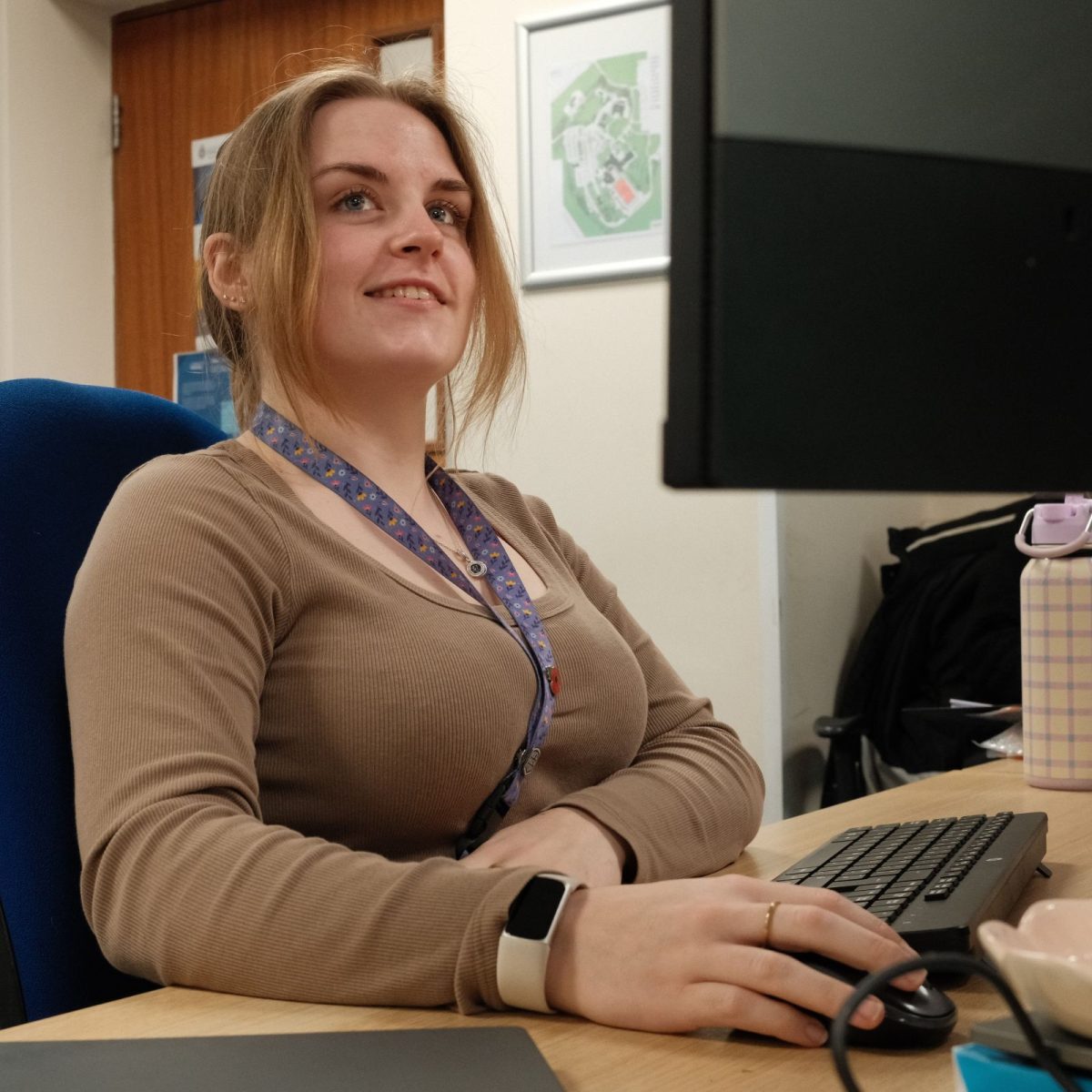
Digital Forensic Technician Elisha, sat at her desk in the office.

What I love about my job

The best part of my job is knowing that my work helps real people. A big part of what we do is supporting victims and helping officers build strong cases.

Sometimes we have a lot of work waiting in the queue, so it can take time to get through everything. When I finish one of the older jobs that’s been waiting for a while, it feels really satisfying because I know I’ve helped move that investigation forward.

Another exciting moment is when I find something important in the data. When I’m reviewing an extraction and suddenly realise I’ve found exactly what the investigation needed, it’s an amazing feeling. It’s like solving a puzzle.

Even though I’m working behind the scenes and not in court myself, it’s really rewarding knowing that the evidence I helped recover could play a part in getting justice for someone.

The skills I use most

Resilience is one of the most important skills in my job. Technology doesn’t always behave the way it should, so you have to keep trying different approaches until something works.

Problem solving and creativity are also really important. Sometimes a device won’t connect to our software at all, and you have to experiment with small changes to figure out what works.

Being organised helps too because we keep detailed records of every step we take. When you’re dealing with evidence, accuracy and careful documentation are extremely important.

A little more about my everyday role

The best bits about working in a team

Our team is quite small, with just over twenty people in the department. That includes technicians like me, examiners who analyse computer data, technical managers and police officers who have transferred into the unit.

Even though I often work on devices independently, it’s still very much a team environment. If someone is stuck, there’s usually another colleague who can offer advice or suggest a different approach.

It’s also helpful having people with different backgrounds. Some team members were previously police officers, while others joined from technical careers. That mix of experience means we can learn from each other.
My favourite piece of equipment

One of my favourite tools is the forensic software we use to extract data from devices. The software runs on special computers that include something called a write blocker. A write blocker stops data from being written to the device, which means we can safely collect information without changing the evidence.

Once the device is connected, the software scans it and tries to unlock and extract the data. If everything works properly, the software can create a full file extraction – which means it copies every piece of data from the device so we can analyse it.

What I like to do in my spare time

One of my favourite hobbies is ice hockey. I love going to watch the Nottingham Panthers play and following the sport. I’ve also started learning to skate myself, although I’m still at the stage where I’m trying not to fall over too much. It’s challenging but really fun.

When I was younger, I spent many years doing martial arts. My sister and I started when I was seven and trained for almost twelve years. At one point, I even worked at the martial arts club while still training there.

These days my hobbies are more relaxed, but I still enjoy getting out and doing things with friends.

The most exciting thing I’ve achieved so far in my job

One of the most exciting things for me is when everything works perfectly on a difficult device. Sometimes we receive phones or computers that are badly damaged or locked. When we manage to repair them enough to connect to our tools and successfully extract the data, it feels like a big achievement.

Occasionally I’ll see a case I worked on appear in the news and it’s a great feeling knowing that my work played a role in that investigation.

A surprising fact about my job

A lot of people imagine digital forensics as instant and easy, like it looks on television. In reality, it can take a lot of time and patience. Devices are becoming more advanced all the time, with stronger encryption and more complicated software. That means extracting data can be very challenging.

Sometimes a device arrives completely broken and we have to attempt small repairs just to connect to it. Other times we run processes that take hours or even days to complete. So although it’s very technical, the job also involves a lot of persistence and careful work.

The next steps in my career journey

I’m currently finishing my Level 4 Digital Forensics Technician apprenticeship, which should be completed soon. For now, I want to continue building my experience in the digital forensics unit and keep developing my technical skills.

Technology changes very quickly, so there is always something new to learn.

The advice I’d give to someone younger

Don't put too much pressure on yourself to have everything figured out. When I was younger, I worried a lot about making the perfect choices and having a clear plan. But life doesn’t always work like that.

It’s OK to try different paths and change direction. There are so many opportunities out there, and sometimes you only discover the right one after exploring a few options first.

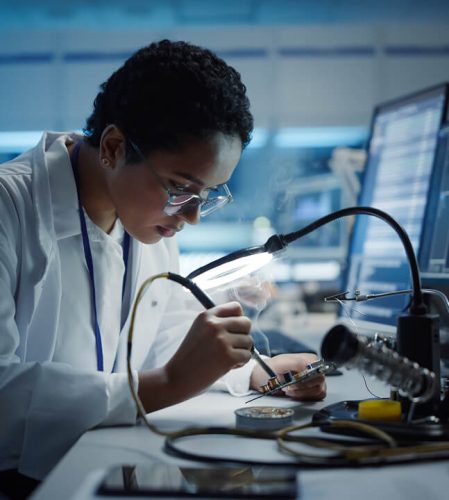
A woman sat at a desk in front of a computer playing with electronic devices under a spotlight

Think you could be a Digital Forensic Technician?

Discover what qualifications you’ll need, how much you can earn, and what the next steps are.

Like the sound of
this role?
Visit the
role detail page