Favourites

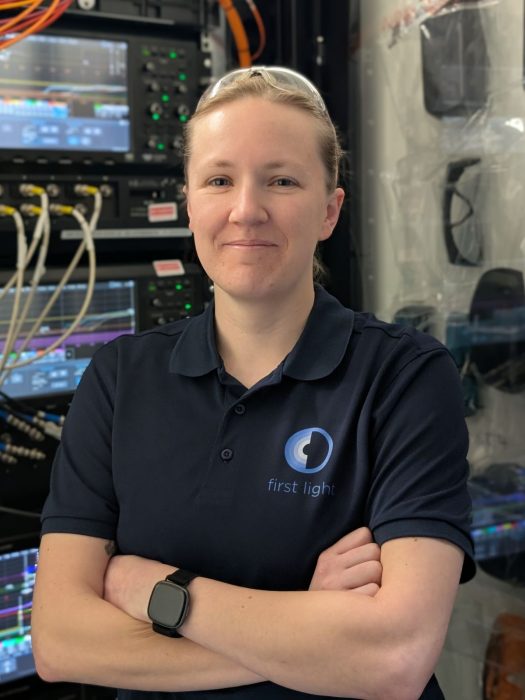
Meet Kate Osborn

Research and Development Technician

Kate is an Experimental Operations Technician at First Light Fusion

What I do

I work in a team that’s researching how to produce clean energy using nuclear fusion. We’re testing ways to recreate the same process that powers the Sun, but doing it safely here on Earth.

Our goal is to help make nuclear fusion power stations a reality, which would be a clean and safe way to generate electricity, with no carbon dioxide emissions, and less radioactive waste.

Nuclear fusion is a different process from nuclear fission, which is what happens in nuclear power stations.

Fusion is an exciting area of science that could change the future of energy production and help with the climate crisis.

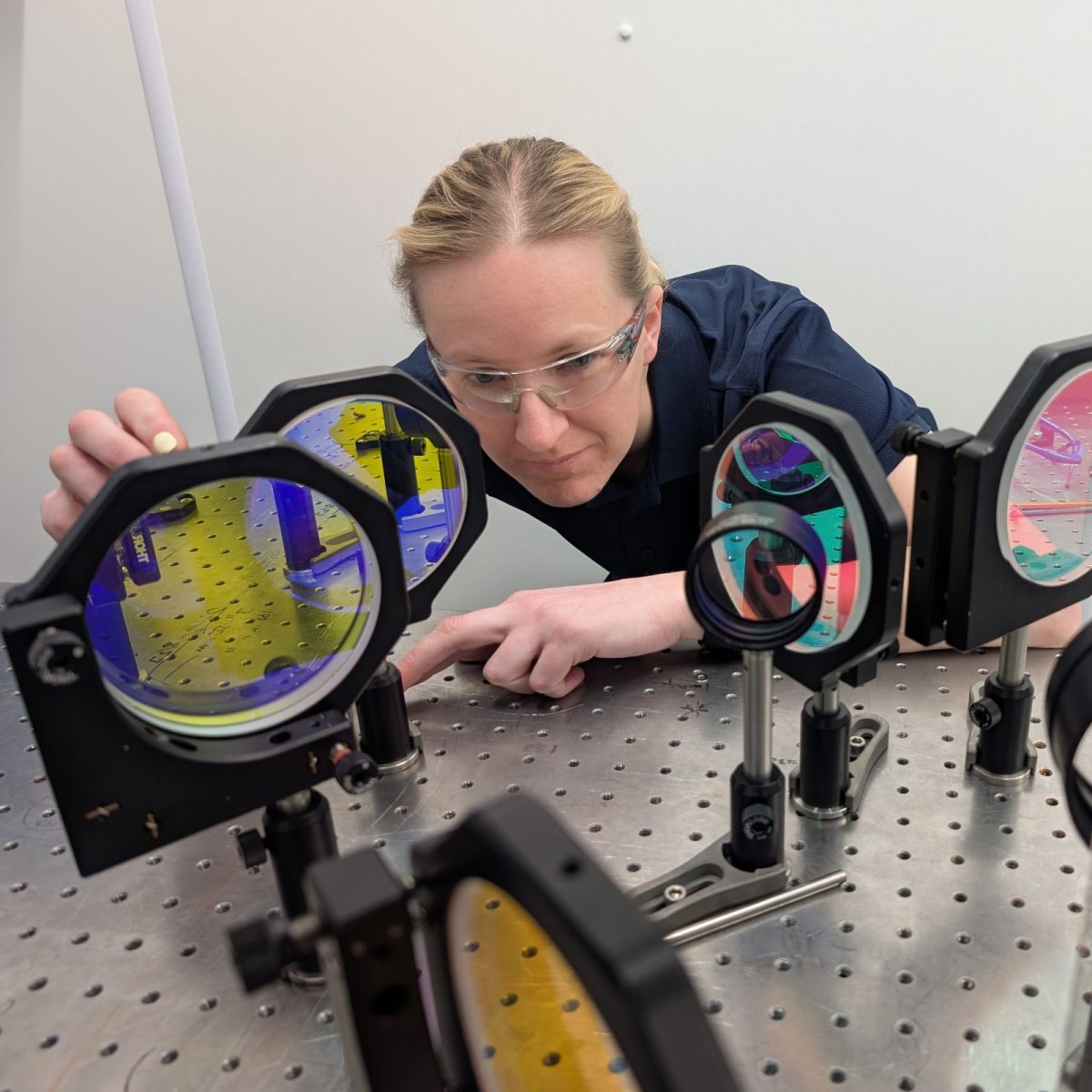
Research and development technician Kate, in the lab, wearing safety goggles, precisely aligning an array of lenses.
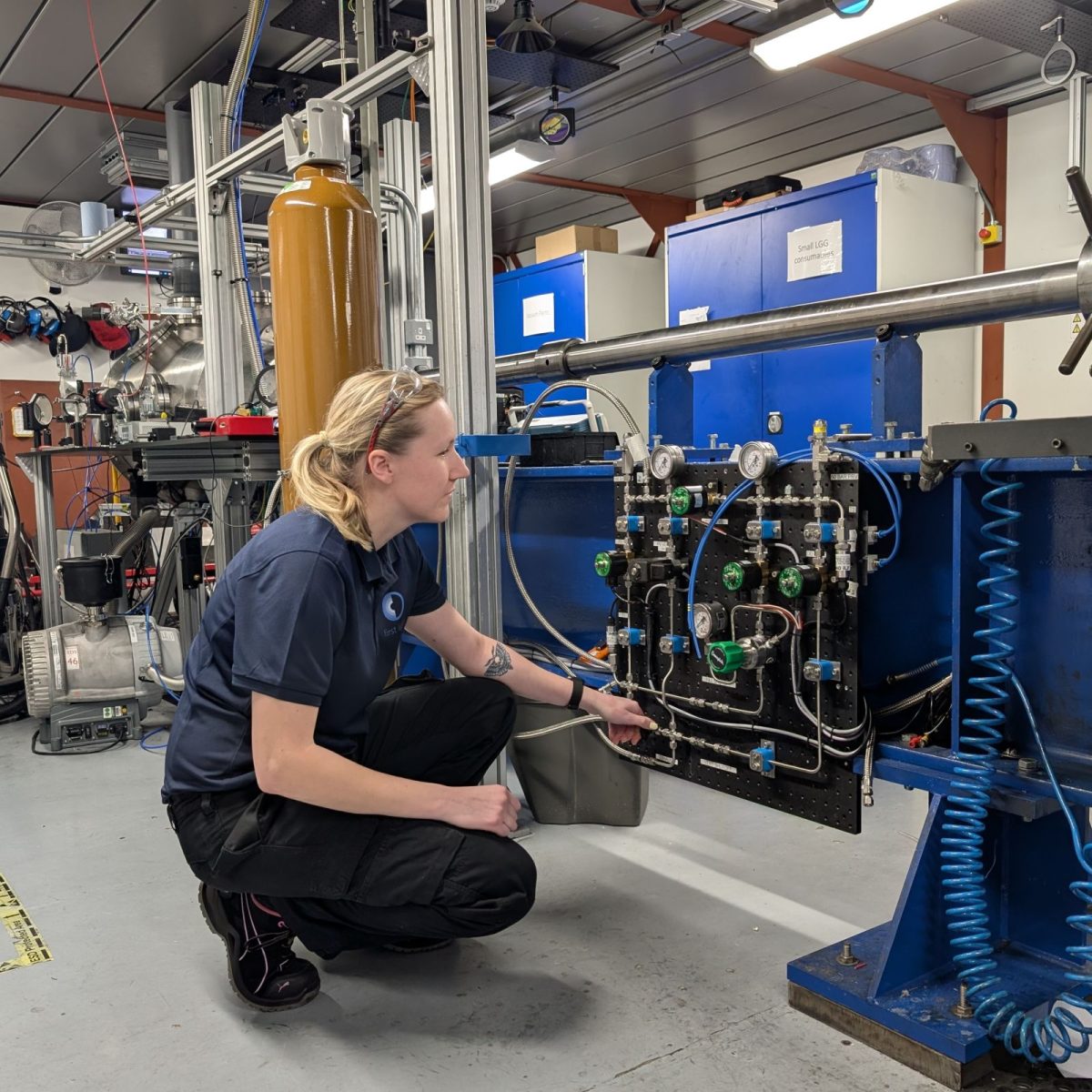
Research and Development technician Kate, in the experimentation area surrounded by equipment, with her safety goggles on her head, crouching next to a panel of gas tubes and dials.

What I love about my job

I love the moment just after an experiment. You’re in the control room with scientists, engineers and other technicians, all waiting to see what happened.

It might be the result of months or even years of work, and then in less than the blink of an eye – boom! – it’s over.

When the data starts coming in and you realise the experiment went well, it’s such a buzz.

I also really enjoy learning new things and being trusted to take the lead on my own project.

The skills I use most

Being hands-on is a huge part of what I do. I need to have good manual dexterity, which is being able to use your hands for small, delicate tasks, so that I can carefully set up experiments.

Problem solving is really important too. Sometimes things don’t go to plan, and I have to think on my feet to fix it.

A little more about my everyday role

The best bits about working in a team

We’ve got a great team of five technicians, plus our manager. Everyone’s got different backgrounds – we’ve got ex-Navy, ex-apprentices, and people with experience in other technical jobs. It’s a mix of ages too. Everyone’s really supportive, and there’s always someone to ask if you need help.

What’s great is that everyone’s ideas are welcome, no matter your job title, or how long you’ve been working there. If a technician spots a better way to do something, the whole team listens.
My favourite piece of equipment

My favourite bit of kit is the 'small' gas gun. It’s a huge, high-tech version of a cannon that we use to fire projectiles at extreme speeds, 7 km per second, into targets.

It’s not just fun to use, it’s my responsibility to look after, so I know it inside out. It’s the one piece of equipment I can fully run by myself from start to finish. I love the precision of setting everything up, running the experiment and seeing the results.

What I like to do in my spare time

I try to stay active. I did my first half marathon last year and I’m planning a few more this year.

I’ve also got into padel (like everyone else!) and I do a bit of rock climbing. Being outside is important to me, especially after a day in the lab.

My school days

I wasn’t a huge fan of writing essays, which probably explains why I didn’t get on with my A-levels. I liked practical subjects at school and spent time fixing things with my dad, who could build or repair pretty much anything.

I think that’s where my interest in technical work began, even though I didn’t realise it at the time. It gave me confidence to use tools and try new things.

The most exciting thing I’ve achieved so far in my job

The most exciting thing so far has been getting to travel for work. I’ve supported experiments in California at one of the biggest science labs in the USA, and I’ve just come back from New Mexico, where we used the world’s largest pulse power machine to try and break a world record for high pressure.

It’s amazing to be part of global research like that.

A surprising fact about my job

People assume working in nuclear fusion must mean I’m based at a power station, but that’s not true. We’re doing research and development to help create the future of clean energy.

I literally get to blow things up in the name of science, how many people can say that?!

The next steps in my career journey

I’ve just been promoted to senior technician, so I’m focusing on leading more projects and learning everything I can.

I’m also part of a new team testing our cryogenic capabilities (getting down to very low temperatures), which is fascinating.

The advice I’d give to someone younger

Trust what you enjoy. If you like building things, fixing things or working with your hands, don’t ignore that just because everyone else is talking about going to university.

You don’t have to be amazing at writing essays to have a brilliant career. There are loads of hands-on jobs out there that are just as important and just as exciting. Follow what you are curious about and what makes you happy.

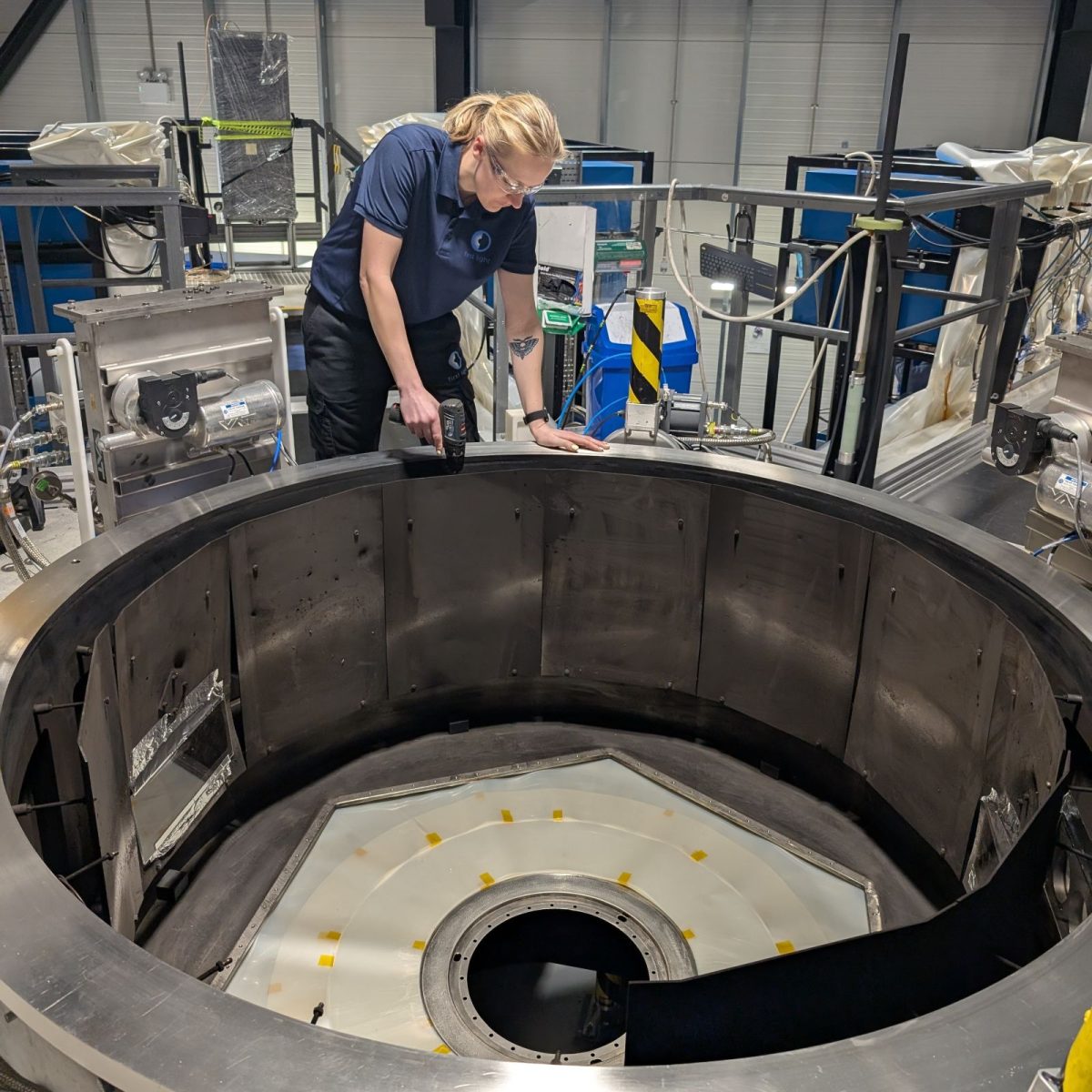
Research and Development technician Kate, in the experimentation area surrounded by equipment, using a drill on a piece of large circular panelling.

Think you could be a Nuclear Technician?

Discover what qualifications you’ll need, how much you can earn, and what the next steps are.

Discover other
technicians who
do this role

Like the sound of
this role?
Visit the
role detail page