Favourites
A woman sat at a desk in front of a computer playing with electronic devices under a spotlight

Digital Forensic Technician

A digital forensic technician finds and studies digital evidence from computers and phones to help support investigations and solve crimes.

How a Digital Forensic Technician makes a difference

Digital forensic technicians help keep people and organisations safe. They look for clues on computers, mobile phones and online systems to help solve crimes or understand what went wrong after a cyber-attack.

Their work can support police investigations, protect businesses from hackers and help courts make fair decisions. By carefully handling digital evidence, they help make sure the truth is found and that evidence can be trusted.

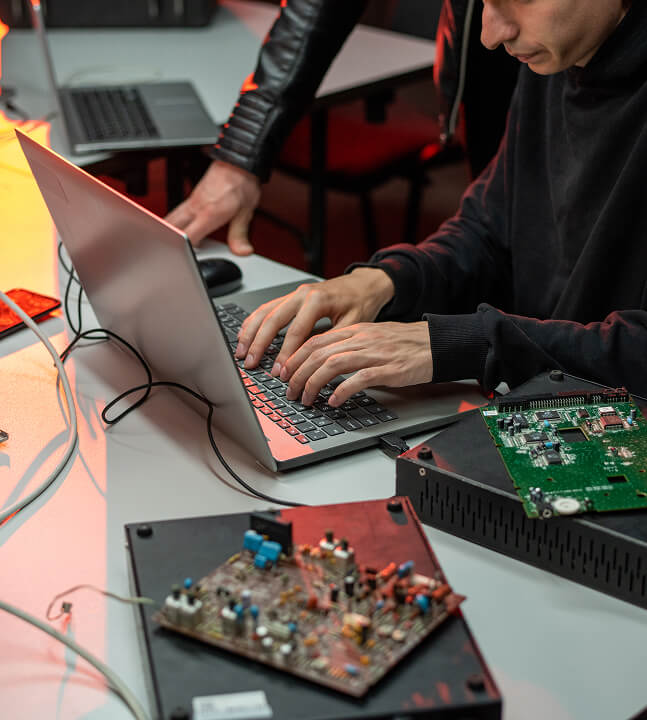
2 people working on one laptop with electronic devices around them

The type of work a Digital Forensic Technician will do

  • Investigate digital devices like laptops, phones and tablets
  • Study usage, like internet history and app activity
  • Use specialist software to look for deleted files, messages and pictures
  • Make safe copies of data and store evidence securely
  • Keep clear notes of everything you do
  • Work with police or security teams
  • Write up reports of findings
Useful skills
Attention to detail
Useful skills
Critical thinking
Useful skills
Decisive
Useful skills
Logical thinking
Useful skills
Practical application
Useful skills
Precise
Useful skills
Technologically minded
£ 0 1 2 3 4 5 6 7 8 9 0 1 2 3 4 5 6 7 8 9 , 0 1 2 3 4 5 6 7 8 9 0 1 2 3 4 5 6 7 8 9 0 1 2 3 4 5 6 7 8 9
Average salary per year *
£ 0 1 2 3 4 5 6 7 8 9 , 0 1 2 3 4 5 6 7 8 9 0 1 2 3 4 5 6 7 8 9 0 1 2 3 4 5 6 7 8 9
Average salary per month *

Data powered by LMI for all
*according to ONS

Future career opportunities for a Digital Forensic Technician

With experience, you could become a senior digital forensic analyst or move into cyber security roles. Some people specialise in mobile devices or online investigations. Others move into training, management or work as expert witnesses in court. There are also opportunities to work in policing, private companies or government organisations.

How to become a Digital Forensic Technician

There’s no perfect career path or ideal way into your dream job.

But if you’re interested in education and training options that could be relevant to this role, you might want to consider:

Options available after GCSEs:

  • A T-level in Digital Support and Security
  • An apprenticeship as a Data Technician

More options available after that:

  • An apprenticeship as a Digital Forensic Technician

Schools and colleges each have their own career guidance plan and can provide detailed information, advice, and guidance on options and next steps.

A little more about the role

Exciting features...

You might be working on a criminal investigation one day and helping a company recover from a cyber-attack the next. You get to use advanced tools to uncover hidden information and solve real-world problems. Your work can have a big impact, helping to protect people, money and important systems.

Other job titles...

You might also see this role listed under different job titles, including:

Digital forensic analyst
Digital forensics investigator
Cyber forensic technician
Computer forensic analyst

Discover
technicians who
do this role