
Favourites

Meet Aliya

Simulation Technician

Aliya is a clinical skills and simulation technician at Oxford Brookes University

What I do

I help students who are studying healthcare to practise their skills, before they work with real patients.

I create realistic practice activities by preparing training sessions and simulations, using lifelike manikins, actors or virtual reality.

My work happens behind the scenes, but it helps future healthcare professionals build their confidence and learn how to care for people safely.

I work with people studying nursing, paramedic science, midwifery, occupational therapy, physiotherapy and dietetics.

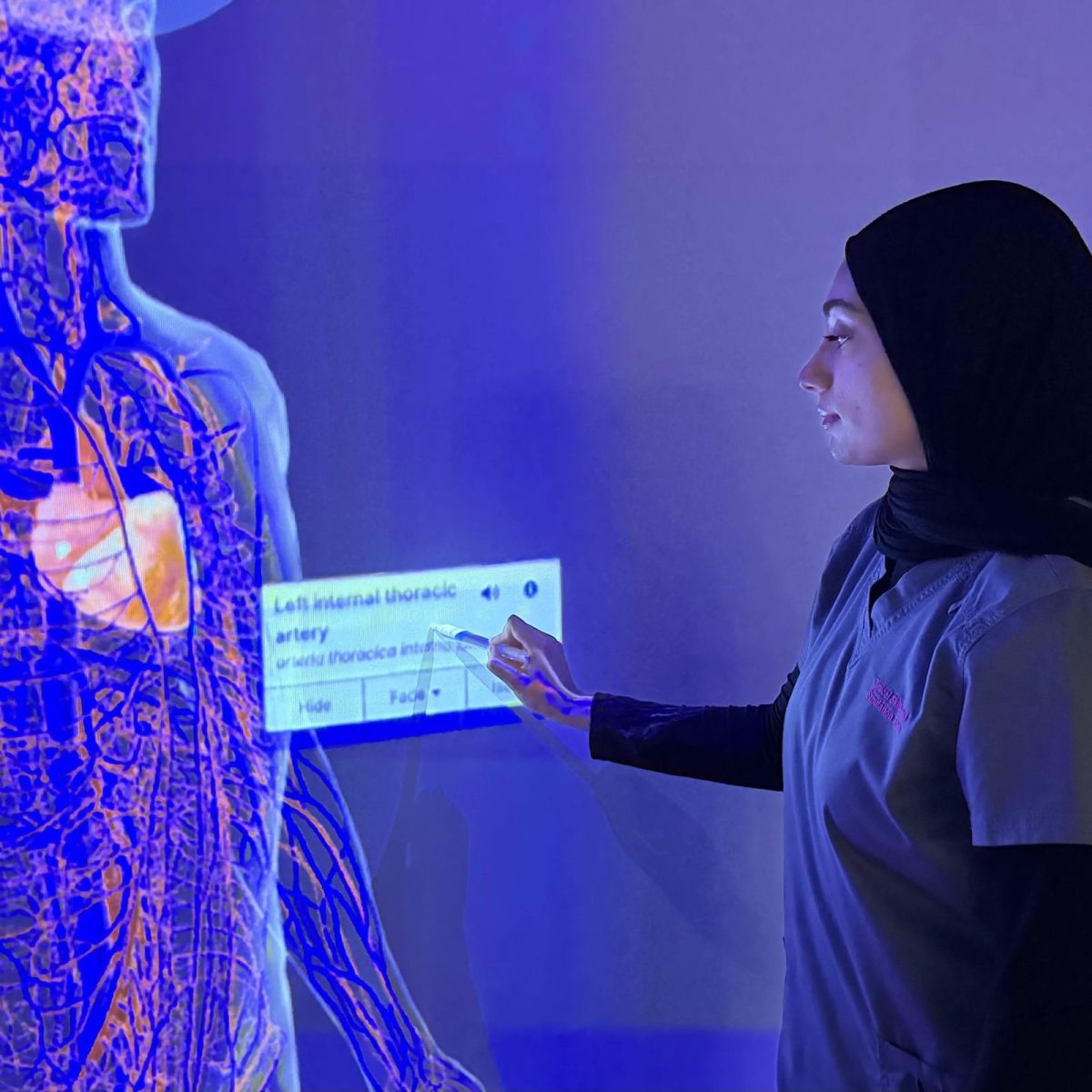
I set up and programme models, manikins and virtual reality environments to simulate a situation where someone is sick, needs a blood test, needs emergency treatment – anything that a person training in healthcare will need to practice.

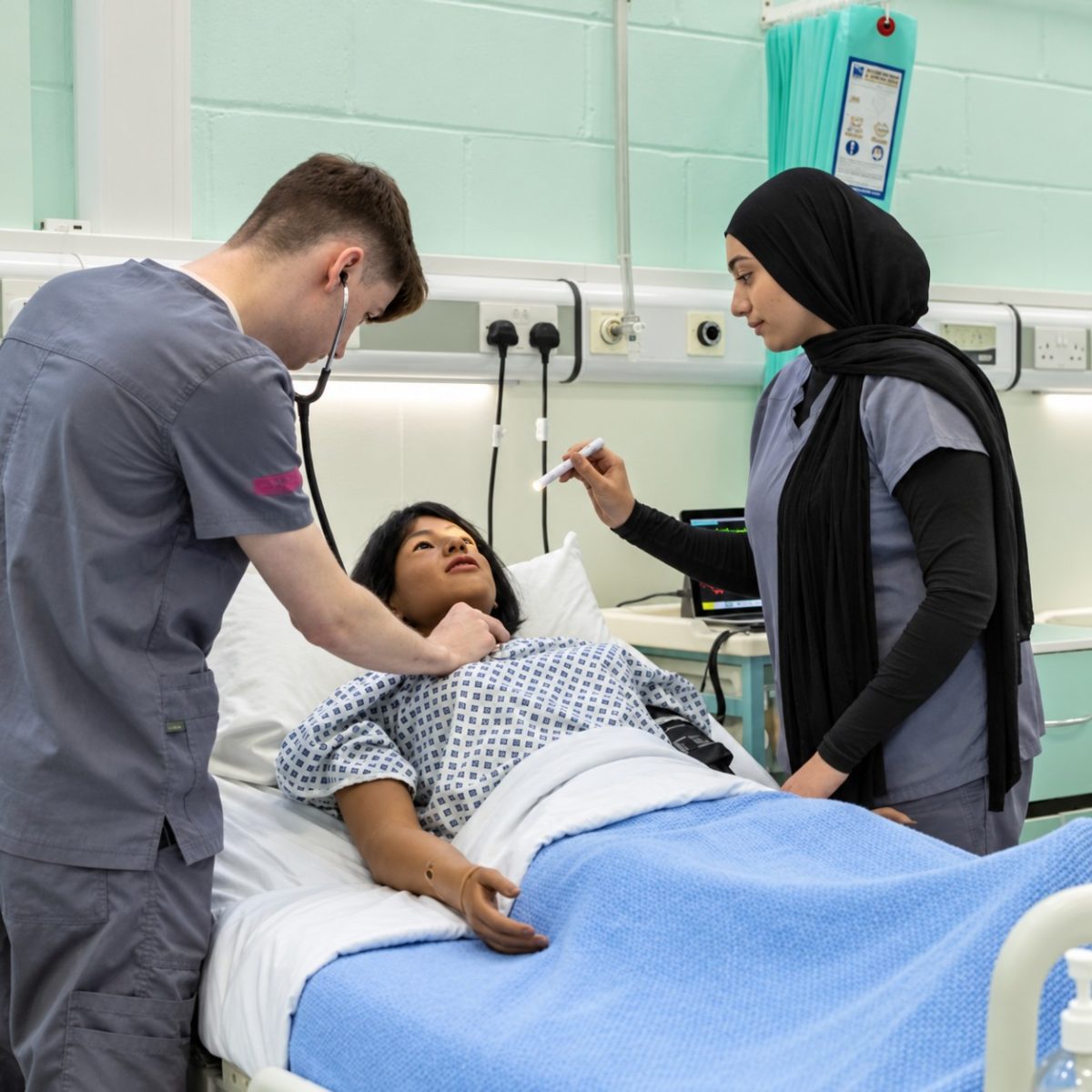
Simulation Technician Aliya, standing by a hospital bed with a colleague, shining a torch into the eyes of a simulation mannikin laying in the bed.
Simulation Technician Aliya, selecting an option on an large interactive projection of a circulatory system.

What I love about my job

I love that no two days feel the same. We might run the same simulation more than once, but each group of students responds differently. It’s interesting to watch how people communicate, make decisions and work together.

I also enjoy seeing students improve. For example, students have to practice CPR, which is cardiopulmonary resuscitation – an emergency skill used to help someone whose heart or breathing has stopped. In a CPR lesson, we can measure on the manikins whether students are pressing deeply enough during chest compressions. Some find it difficult at first, but it’s great to see their technique improve by the end of the session.

That gives me a proud feeling because I know I’ve played a part in helping them learn an important skill. The situation in the laboratory might be simulated, but the students could use what they’ve learned to save someone’s life.

The skills I use most

Communication is one of the most important skills I use. I speak to technicians, lecturers, students and companies that supply or repair our equipment. I need to understand exactly what a lecturer wants for a session and explain any technical or safety information clearly.

Organisation is also essential. I help prepare daily teaching, arrange equipment for events, manage orders and keep the stock rooms tidy. If something is missing or hasn’t been prepared, it could affect an entire class.

Problem solving is a big part of the role too. Technology doesn’t always behave as expected – a manikin might suddenly stop working, or the virtual reality equipment might lose connection to the internet. Sometimes, the problem is as simple as someone accidentally switching something off, but at other times, we need to investigate more carefully or contact the manufacturer.

Being confident with technology helps, but I don’t need to know every answer immediately. I need to stay calm, think logically and know when to ask someone else for help.

A little more about my everyday role

The best bits about working in a team

I work closely with a small team of technicians and managers, as well as lecturers who specialise in simulation and healthcare.

I was the second apprentice in the team. The technician who completed the apprenticeship before me still works here, so I can ask him questions and we help each other to solve problems.

The lecturers are supportive too. Our team understands the technical side of a simulation, while they can explain the medical and academic details. Working together helps us make each scenario accurate and useful for the students.

I’m trusted to manage my own tasks but when I need advice, there’s always someone I can ask. That creates a friendly and relaxed working environment.
My favourite piece of equipment

I can tell you which piece of equipment I don't like! It's the model we use to teach students how to fit a catheter (a thin, flexible tube that’s inserted into the bladder to drain urine). When it gets blocked, it sprays fake wee all over the room!

My favourite piece of equipment is the high-fidelity (realistic) manikins. They are patient models that have pulses, breathe, make sounds – even their eyes react to light. Students examine them to practise diagnosing diseases. A technician can even speak through the manikin using a microphone in another room. They're very impressive!

What I like to do in my spare time

Outside of work, I run a small baking business, making all different types of brownies. I’ve sold my bakes at markets, events and fundraisers. My family encouraged me to start the business because they knew I was good at baking.

One of my most popular flavours is pistachio chocolate, which often sells out. I’ve also created a brownie tiramisu.

When I’m not baking, I enjoy sport. I play badminton and padel with my friends, and I also love travelling and visiting other countries.

My school days

I was very sporty when I was younger. I played a lot of basketball, taking part in school matches and tournaments with my friends.

During the summer holidays, my mum would take me to the pharmacy where she worked. I helped with tasks such as organising stock and preparing dosette trays, which separate someone’s medicines into the correct days and times.

Those experiences introduced me to healthcare, but I was still unsure about my future and found it difficult to narrow down exactly what I wanted to do.

The most exciting thing I’ve achieved so far in my job

My proudest achievement is progressing from my apprentice to a permanent technician job.

When my apprenticeship was ending, my manager had to put forward a case for keeping me in the team. My colleagues were keen to support it and offered to explain the work I had done and why they wanted me to stay.

It was a lovely feeling to know that the whole team supported me. Being offered the permanent role showed me how much I had learned and how far I had progressed.

I started as someone who wasn’t sure which career to choose. Now, I’m trusted to manage my own work and support the training of future healthcare professionals.

A surprising fact about my job

Acting can be part of my job. During one simulation, I played an annoying healthcare assistant while students tried to care for a confused and agitated patient. My role was to walk around, make noise and distract them. At one point, the patient even threw water at us!

It’s fun because I don’t need to be an award-winning actor – I just need to be convincingly awkward and annoying!

The next steps in my career journey

I’d like to keep developing and find the right qualification to help me progress further.

Simulation, artificial intelligence and virtual reality are continuing to develop, so I’m excited to see what new opportunities appear.

The advice I’d give to someone younger

University isn’t the only successful route – explore apprenticeships too. It’s ok to do something different from your friends. Now, my friends are leaving university and looking for jobs and I’m only 21 and have three years of experience working already – it's worked out well for me!

Also, don’t doubt an apprenticeship just because it’s at the same level as something you’ve already studied. I was worried about choosing a Level 3 apprenticeship after completing my A-levels (also Level 3), because I thought I would be going over the same level again.

However, an apprenticeship teaches you a completely new set of skills and gives you real work experience, so the level didn’t matter.

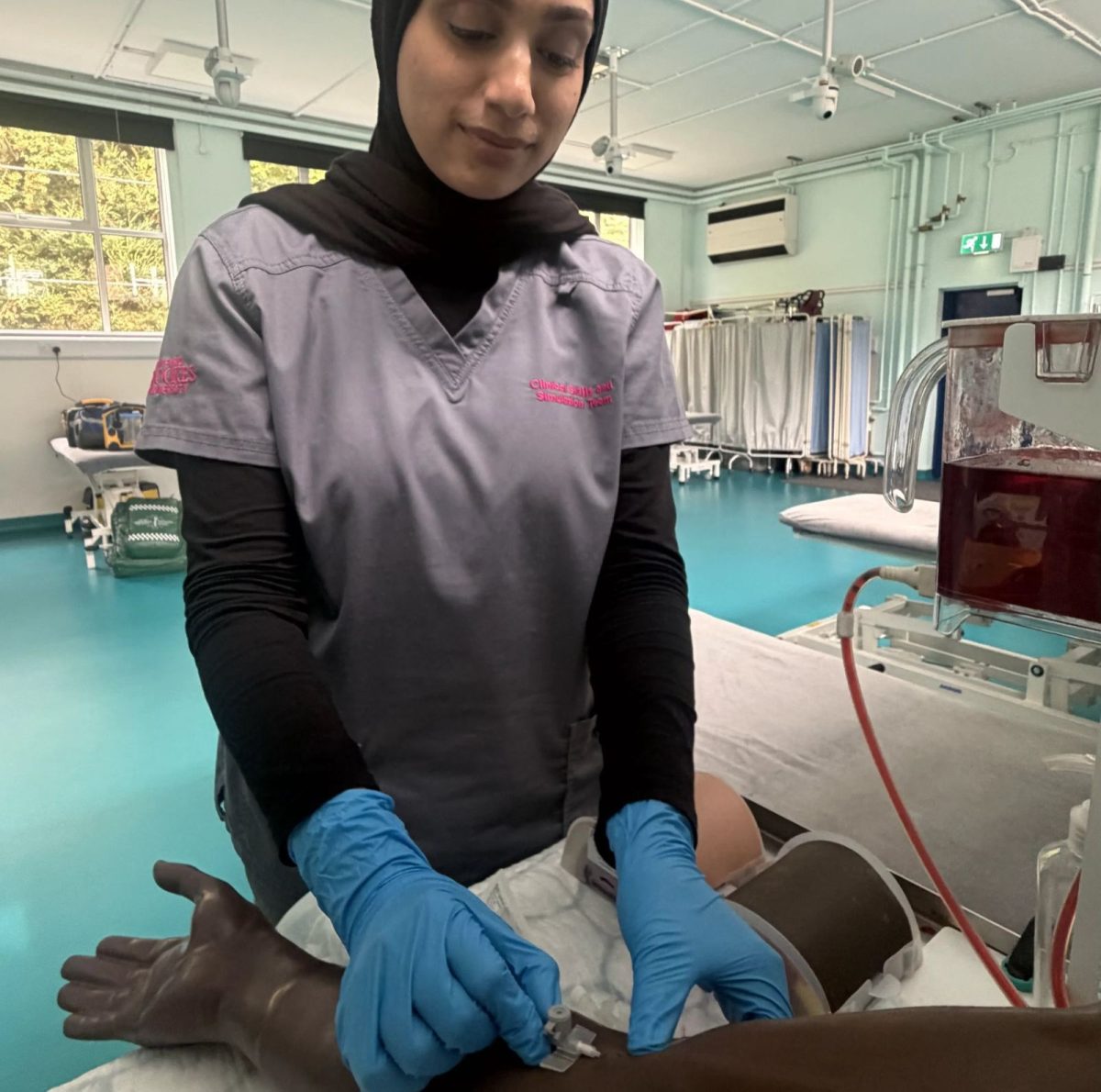
Simulation Technician Aliya, in a simulated ward, inserting a cannula into the arm of a simulation mannikin.

Think you could be a Simulation Technician?

Discover what qualifications you’ll need, how much you can earn, and what the next steps are.

Like the sound of
this role?
Visit the
role detail page