Favourites

Meet Alistair

Post Production Technician

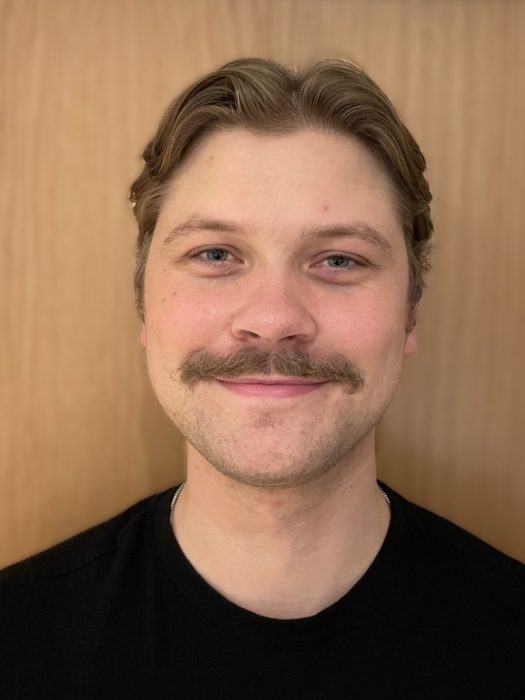
Alistair is a Senior Edit Assistant and Technical Operator at Clear Cut Pictures.

What I do

I help make TV programmes – from the camera to the screen.

I make sure the footage from filming is safely stored, prepared for editors and checked for technical problems. Without our team, getting shows ready to broadcast would take much longer.

I mostly work on documentaries and shows that aren’t scripted, like BBC Panorama and Hunted. One job might involve thousands of clips, while another means watching a finished programme.

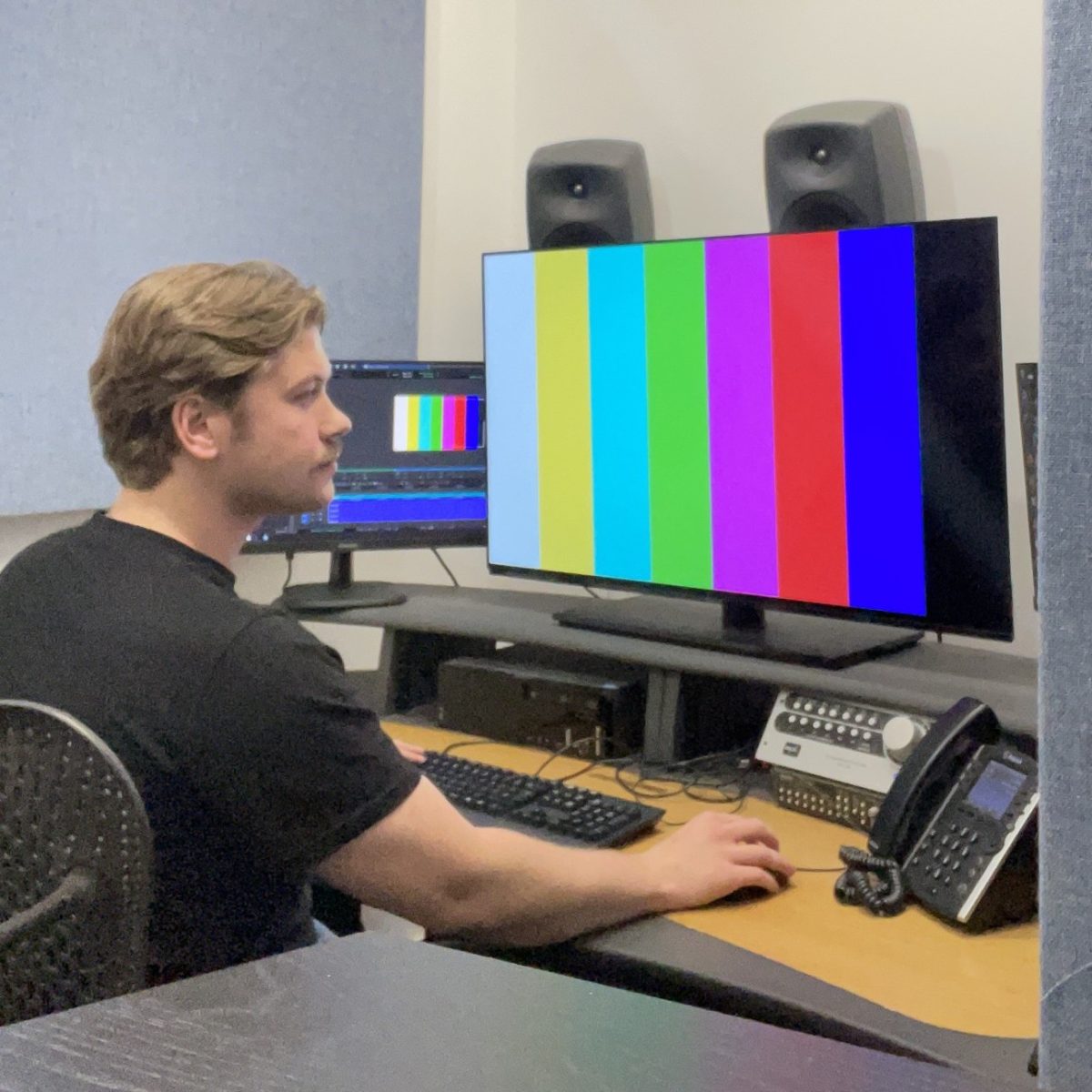
Post production technician Alistair, sat at a computer with a large screen, showing a test screen with bands of colours.
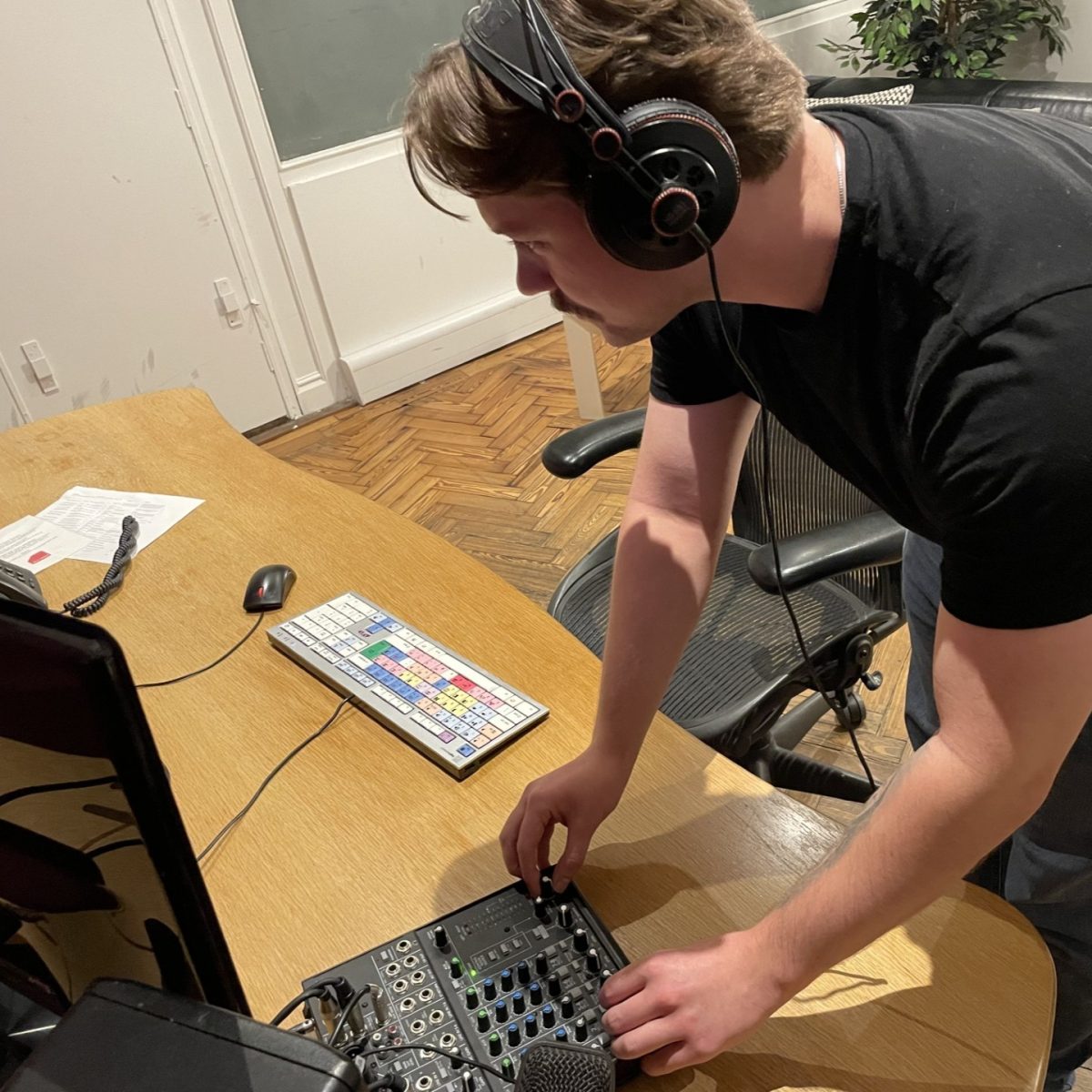
Post production technician Alistair, wearing headphones, adjusting sliders on a mixing board.

What I love about my job

I’ve always been interested in film and TV, and I really like getting to see what happens behind the scenes.

Before I started, I didn’t even know my job existed. I get to see programmes go from raw footage to something people can watch.

Even though I’ve been working here for four years, I’m still learning new things. There’s always another bit of software to understand or a different way of doing something.

The skills I use most

Communication is a big one. I need to explain technical information clearly to people in different departments. One wrong word can be misunderstood and cause problems later on, so being precise really matters.

I also need to be able to switch between tasks without losing track of the details. Each show has its own way of handling footage, and mixing those instructions up could cause problems.

Problem solving is another important skill. If editing software gives me an error message I don’t recognise, I’ll try different steps and work backwards until I figure out what’s going wrong.

A little more about my everyday role

The best bits about working in a team

Most of the time, I'm booked onto my own tasks, but we're still there to help each other. If thousands of clips arrive and the editors need them quickly, two of us might split the work so we don't both prepare the same files.

If one person has got too much on, someone else might call and offer to take a job off them. That means we can keep things moving when the workload gets heavy.
My favourite piece of equipment

My favourite is probably the broadcast monitor we use for quality control. It's a specialist screen that helps us check the colours and sharpness of a programme more accurately than on a normal computer monitor.

One little feature I like is that I can put a grid around the picture to show where text should safely fit. It's quite satisfying to watch a show and check that everything stays inside those lines. It's just a bit of fun, something different.

What I like to do in my spare time

When I'm not at work, I like going for a walk in the park, seeing friends and watching films or TV. Even after spending so much of my working day looking at programmes, I'll still happily find time to watch more.

Mostly, I just like to relax and switch my brain off for a bit.

My school days

I was always creative. At primary school, we made stop-motion films with Play-Doh, moving it between frames to make it look alive. I really enjoyed that.

I even had a YouTube channel where I'd film things, edit clips and add music. That's been deleted now!

At high school, there weren't as many chances to be creative, although I still loved films, TV and video games.

The most exciting thing I’ve achieved so far in my job

One project I'm particularly proud of was a Stanley Tucci show about food in Italy for National Geographic. Their technical requirements were unlike anything I'd dealt with before. I even had to handle the colours differently.

Our team worked out a new approach, read the brief carefully and checked that what we delivered met them. It was a challenge because I couldn't just do things the usual way. Getting it delivered felt like a real achievement.

A surprising fact about my job

Our company runs 24 hours a day. There are people working overnight, and some of us cover weekends, too. I used to work night shifts, although I don't anymore.

That might sound unusual for making TV programmes, but we're often helping productions that have strict deadlines. A current affairs programme like BBC Panorama might be changing as a story develops, so people need to be available to help it along.

The next steps in my career journey

I'd like to become an editor eventually. There's not always a clear path to getting there, so I'm looking at becoming an assistant editor first. That's a chance to take on more responsibility and learn new things before hopefully moving into an editing role.

I'm just trying to take the next step, then the next, rather than expecting to jump straight to the end.

The advice I’d give to someone younger

Don't focus too much on what you think you're supposed to do. I felt university was the expected next step, but it wasn't right for me. If there's something you've always enjoyed, look for ways to explore it.

I wish I hadn't waited four years after school to pursue film and TV. And opportunities won't always be put in front of you, so be proactive and go looking for them.

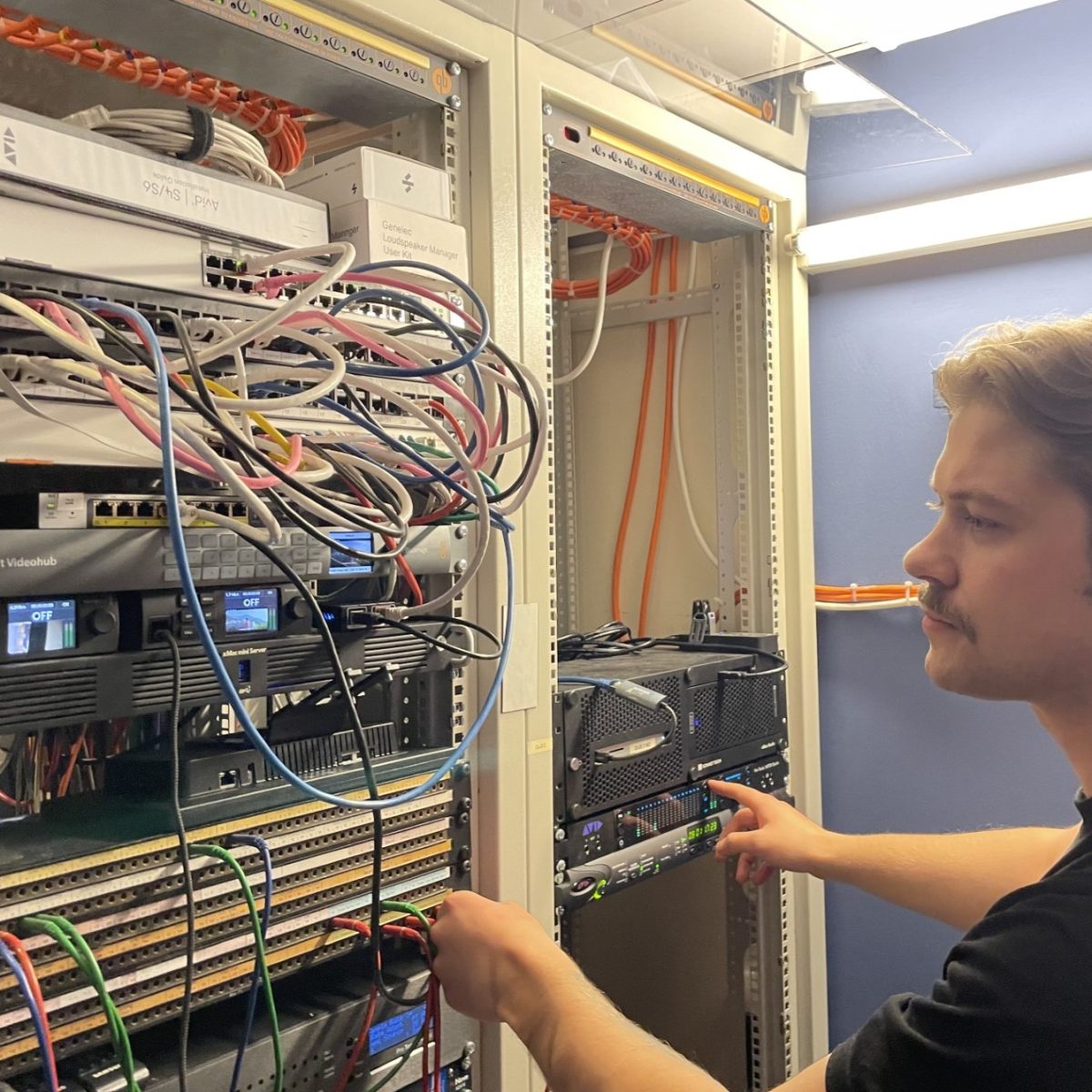
Post production technician Alistair, adjusting equipment in a computer rack.

Think you could be a Post Production Technician?

Discover what qualifications you’ll need, how much you can earn, and what the next steps are.

Like the sound of
this role?
Visit the
role detail page