Favourites
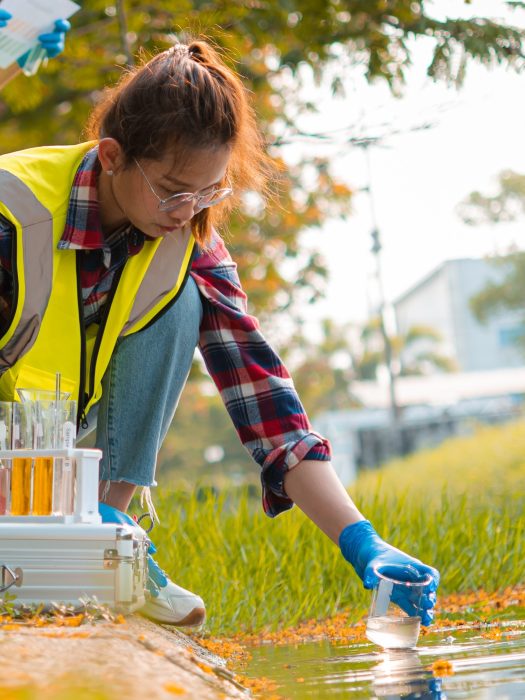
A technician wearing jeans, trainers, a checked shirt, a hi-vis vest, and latex gloves, outside, kneeling down next to a puddle of water, collecting samples with a beaker.

Environmental Technician

An Environmental Technician protects wildlife, checks pollution and helps keep rivers, coasts and communities safer from flooding.

How an Environmental Technician makes a difference

Environmental Technicians help people and nature live well together.

They gather information about plants, animals, water, soil and air, then use it to spot problems and guide decisions.

They may help to reduce pollution, protect habitats, or lessen the risk of flooding by maintaining flood defences, pumps, drains and riverbanks.

Their careful work can protect communities from harm, boost biodiversity and make outdoor spaces cleaner, safer and more enjoyable for everyone.

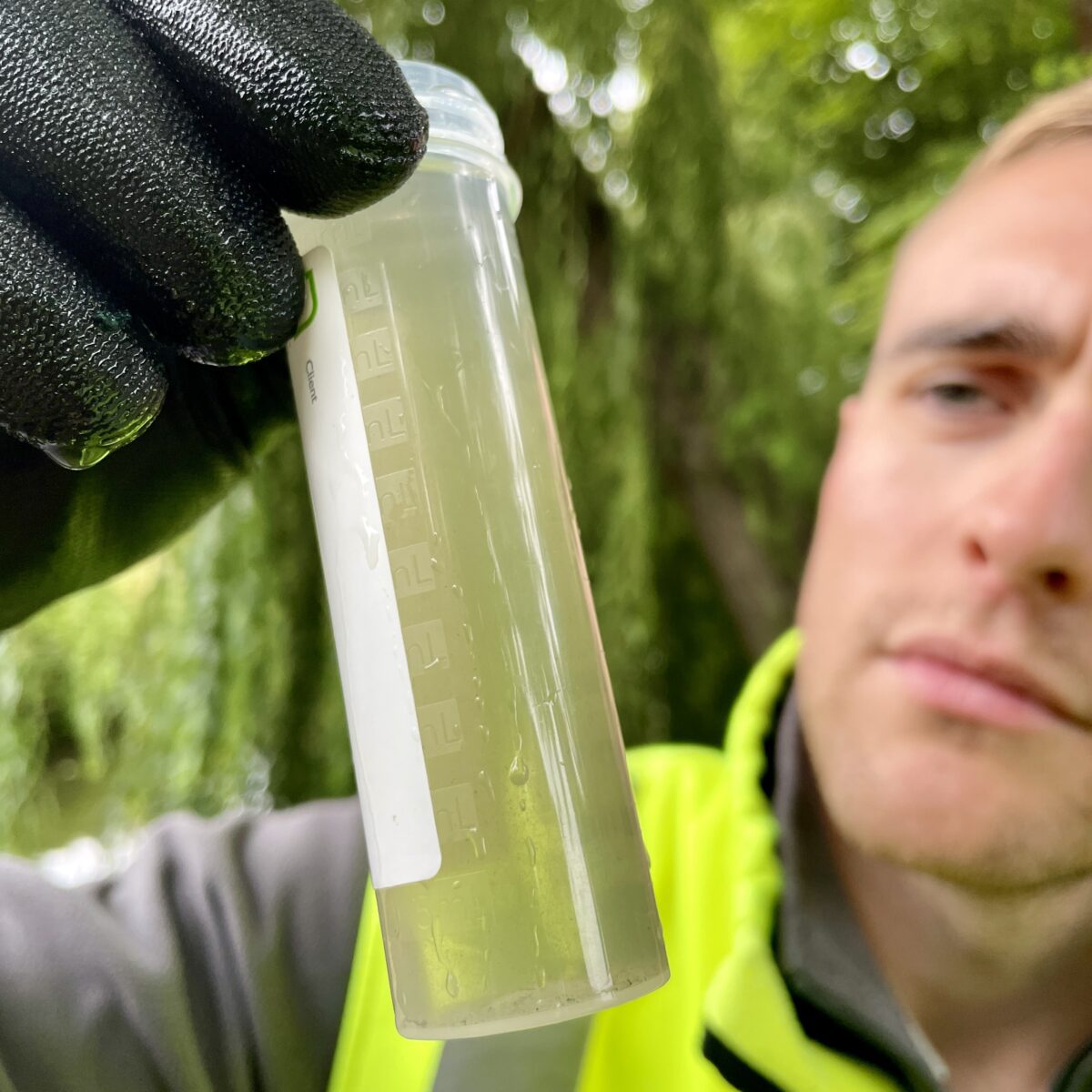
A technician wearing gloves and a hi vis jacket inspects a test tube of water.

The type of work an Environmental Technician will do

  • Testing samples of water, soil or air, to check for pollution.
  • Surveying habitats and recording the plants and animals found on site.
  • Measuring rainfall, river flow and water levels using gauges or remote sensors.
  • Inspecting riverbanks, drains, pumps, flood gates and coastal defences.
  • Recording data and studying the results, using apps, maps and photographs.
  • Producing reports to share with ecologists, engineers, landowners and the public.
  • Supporting habitat improvements, such as planting native species or restoring wetlands.
  • Responding safely to flooding, pollution and other environmental incidents.
Useful skills
Attention to detail
Useful skills
Precise
Useful skills
Technologically minded
Useful skills
Instructing others
Useful skills
Problem solving

What you can bring to the Environmental Technician role

  • You enjoy hands-on work and being outdoors.
  • You are curious about wildlife, weather and how the natural world works.
  • You care about protecting habitats, reducing pollution and using resources responsibly.
  • You notice small details and record information carefully.
  • You like solving problems and fixing things.
  • You stay calm when plans change or urgent action is needed.
  • This role could also be right for you if you have any of the following interests:
    • Wildlife and nature
    • Geography or science
    • Climate change and sustainability
    • Practical outdoor work
£ 0 1 2 3 4 5 6 7 8 9 0 1 2 3 4 5 6 7 8 9 , 0 1 2 3 4 5 6 7 8 9 0 1 2 3 4 5 6 7 8 9 0 1 2 3 4 5 6 7 8 9
Average salary per year *
£ 0 1 2 3 4 5 6 7 8 9 , 0 1 2 3 4 5 6 7 8 9 0 1 2 3 4 5 6 7 8 9 0 1 2 3 4 5 6 7 8 9
Average salary per month *

Data from ONS

Future career opportunities for an Environmental Technician

As you gain experience, you could specialise in ecology, water quality, flood risk, habitat management or environmental monitoring.

You might become an ecologist, environmental adviser, flood and coastal risk officer, or water environment officer.

You could work for an environmental consultancy, water company, charity, local council, drainage board, or government organisation.

There are opportunities to manage projects, train others or move into research and planning.

How to become an Environmental Technician

There’s no perfect career path or ideal way into your dream job.

But if you’re interested in education and training options that could be relevant to this role, you might want to consider:

Options available after GCSEs:

More options available after that:

  • An apprenticeship as an Assistant Ecologist.

Schools and colleges each have their own career guidance plan and can provide detailed information, advice, and guidance on options and next steps.

A little more about the role

Exciting features...

Your work not only protects people but supports wildlife too. One day you might search for signs of protected animals, the next you could test river water, or you could check a flood gate is working before heavy rain. You may visit woodlands, building sites, wetlands, farms, canals, beaches and laboratories.

Technology is a growing part of the job too. You could use digital maps, wildlife cameras and sensors that send water-level information from remote places. Some projects use natural features such as wetlands, trees or simple barriers made from natural materials to slow water and reduce flooding while creating homes for wildlife.

It is varied work where your observations and practical actions can make a visible difference.

Other job titles...

This role can also be known by some other job titles including:

Assistant ecologist
Ecologist technician
Ecology technician
Water environment worker
Flood risk technician
Environmental engineering technician
Environmental engineering technologist
Environmental engineering assistant
Air quality instrument specialist

Discover
technicians who
do this role