Favourites

How an HGV Engineering Technician makes a difference

HGV engineering technicians help to keep the country moving. Lorries deliver essential items like food, clothes and fuel around the country. This role makes sure those vehicles are safe, reliable and legal to use on the road.

By spotting problems early and fixing them properly, HGV engineering technicians help prevent breakdowns and accidents. They also work with newer technology, including computer systems that check how vehicles are running, which helps reduce pollution and improve safety for everyone.

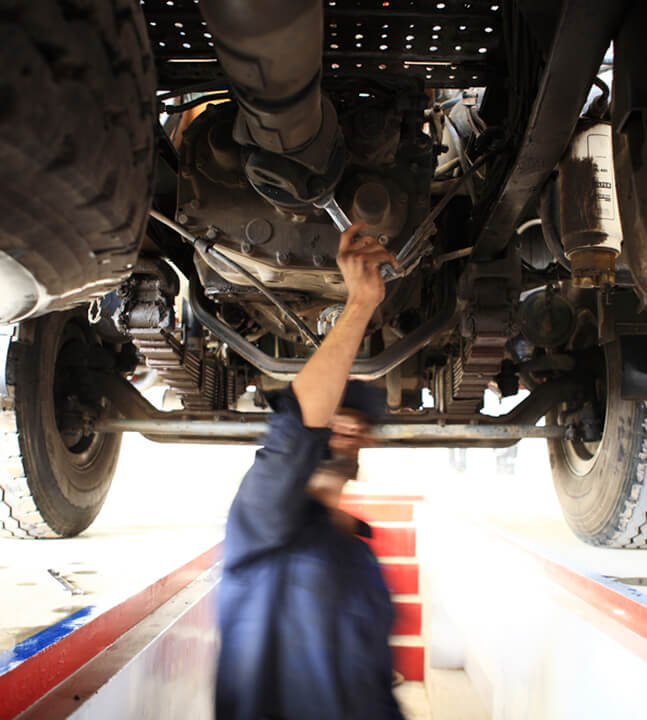
A HGV technician working underneath a large vehicle in blue overalls.

The type of work an HGV Engineering Technician will do

  • Service lorries and other heavy vehicles to make sure they are road worthy
  • Find faults and work out what is causing them
  • Repair or replace worn or broken parts
  • Work on engines, brakes, steering and suspension
  • Use computers to help diagnose vehicle faults
  • Prepare vehicles for MOT tests
  • Keep records of the work carried out
Useful skills
Attention to detail
Useful skills
Practical application
Useful skills
Critical thinking
£ 0 1 2 3 4 5 6 7 8 9 0 1 2 3 4 5 6 7 8 9 , 0 1 2 3 4 5 6 7 8 9 0 1 2 3 4 5 6 7 8 9 0 1 2 3 4 5 6 7 8 9
Average salary per year *
£ 0 1 2 3 4 5 6 7 8 9 , 0 1 2 3 4 5 6 7 8 9 0 1 2 3 4 5 6 7 8 9 0 1 2 3 4 5 6 7 8 9
Average salary per month *

Data powered by LMI for all
*according to ONS

Future career opportunities for an HGV Engineering Technician

With experience, HGV engineering technicians can become senior or master technicians. Some move into supervising a workshop or managing a team. Others specialise in areas like electrical systems or new electric and hybrid vehicles. There are also opportunities to train apprentices or move into roles such as fleet maintenance or technical support.

How to become an HGV Engineering Technician

There’s no perfect career path or ideal way into your dream job.

But if you’re interested in education and training options that could be relevant to this role, you might want to consider:

Options available after GCSEs:

  • A T-level in Maintenance, Installation and Repair for Engineering and Manufacturing
  • An apprenticeship as a Heavy Vehicle Service and Maintenance Technician

Schools and colleges each have their own career guidance plan and can provide detailed information, advice, and guidance on options and next steps.

A little more about the role

Exciting features...

This job lets you work with some of the biggest vehicles on the road. No two days are the same because every vehicle and fault is different. You get to use a mix of hands-on tools and modern computer equipment. As vehicles change, especially with electric and low emission technology, there are always new skills to learn. It is a practical job where you can see the results of your work straight away and know you are doing something important.

Other job titles...

You might also see this role listed under different job titles, including:

Heavy vehicle technician
HGV mechanic
Commercial vehicle technician
Truck and bus technician

How an Air Traffic Controller makes a difference

Aircraft come in many shapes and forms – from small aeroplanes to airliners, jet fighters to helicopters – and it’s fascinating to understand what enables them to fly. The UK manages one of the earth’s busiest and most complex areas of airspace, with aircraft taking off and arriving here from hundreds of destinations around the world.

Air traffic control teams contribute to the safe and efficient movement of aircraft. They ensure all equipment is working correctly and processes are followed exactly to standards set by the Civil Aviation Authority. You could be the technician who guides people and products to their destination and enables them to land safely.

Planes parked on the tarmac at an airport.

The type of work an Air Traffic Controller will do

  • Keeping radio contact with aircraft and issuing instructions
  • Making sure minimum safe distances are maintained between aircraft
  • Maintaining surveillance contact with aircraft using equipment such as RADAR
  • Enabling and maintaining a safe and orderly flow of air traffic
  • Monitoring data systems
  • Testing equipment
  • Handling unexpected events, emergencies, and unscheduled traffic
Useful skills
Attention to detail
Useful skills
Decisive
Useful skills
Problem solving
£ 0 1 2 3 4 5 6 7 8 9 0 1 2 3 4 5 6 7 8 9 , 0 1 2 3 4 5 6 7 8 9 0 1 2 3 4 5 6 7 8 9 0 1 2 3 4 5 6 7 8 9
Average salary per year *
£ 0 1 2 3 4 5 6 7 8 9 , 0 1 2 3 4 5 6 7 8 9 0 1 2 3 4 5 6 7 8 9 0 1 2 3 4 5 6 7 8 9
Average salary per month *

Data powered by LMI for all
*according to ONS

Future career opportunities for an Air Traffic Controller

Once you’ve gained skills in an airport or air traffic control centre, you could transfer your knowledge to working for a consultancy that specialises in aviation and helping airports and airlines improve their safety, efficiency and environmental performance.

You could also work for the UK’s Civil Aviation Authority or use your knowledge of UK Airspace to work in countries that are growing the level of activity in their airspace.

How to become an Air Traffic Controller

There’s no perfect career path or ideal way into your dream job. But if you're interested in education and training options that could be relevant to this role, you might want to consider:  

But if you’re interested in education and training options that could be relevant to this role, you might want to consider:

Options available after GCSEs:

More options available after that:

Schools and colleges each have their own career guidance plan and can provide detailed information, advice, and guidance on options and next steps.

A little more about the role

Exciting features...

You could work in several different aviation environments, including air traffic control centres, commercial airports, military bases, and aerodromes. You’ll learn about UK and international regulation that governs the management of airspace.

Other job titles...

This role can also be known by some other job titles including:

Civil Approach Controller
Civil Approach Terminal Controller
Civil Aerodrome Controller
Civil Terminal Controller
Military Terminal Radar Controller
Military Terminal Aerodrome Controller

How a Vehicle Paint Technician makes a difference

Vehicles today are available in a rainbow of colours that are sprayed on by robots programmed to apply colour perfectly. Vehicles also sometimes need to be resprayed, when they are involved in collisions or other incidents, for example.

After an event like that, owners want their vehicles returned to as good as new. You could be the technician who ensures their paintwork is in top condition.

The type of work a Vehicle Paint Technician will do

  • Masking, sanding, and other preparation work
  • Mixing paints to achieve the right colour match
  • Looking after materials and machinery
  • Spray painting vehicles
  • Maintaining a clear working environment
  • Keeping tools and equipment safe
Useful skills
Attention to detail
Useful skills
Logical thinking
Useful skills
Critical thinking
Useful skills
Precise
£ 0 1 2 3 4 5 6 7 8 9 0 1 2 3 4 5 6 7 8 9 , 0 1 2 3 4 5 6 7 8 9 0 1 2 3 4 5 6 7 8 9 0 1 2 3 4 5 6 7 8 9
Average salary per year *
£ 0 1 2 3 4 5 6 7 8 9 , 0 1 2 3 4 5 6 7 8 9 0 1 2 3 4 5 6 7 8 9 0 1 2 3 4 5 6 7 8 9
Average salary per month *

Data powered by LMI for all
*according to ONS

Future career opportunities for a Vehicle Paint Technician

After developing the required skills under supervision you will start to work independently.

With more experience, you could transfer your skills to a car manufacturing facility, overseeing robots or training others to spray paint vehicles.

How to become a Vehicle Paint Technician

There’s no perfect career path or ideal way into your dream job.

But if you’re interested in education and training options that could be relevant to this role, you might want to consider:

Options available after GCSEs:

Schools and colleges each have their own career guidance plan and can provide detailed information, advice, and guidance on options and next steps.

A little more about the role

Exciting features...

You’ll be responsible for ensuring the correct colour match, preparing the vehicle surface and achieving a high quality final finish. This involves using tools such as spray equipment and materials such as primers, base coats, and lacquers. You’ll also use different drying techniques such as ultraviolet, infrared, and catalytic solutions.

Other job titles...

This role can also be known by some other job titles including:

Painters
Vehicle Paint Sprayer
Paint Technician
Prepper/Painter
Refinish Technician
Car Sprayer
Applicants Technician
Maintenance Technician

How a Transport and Planning Technician makes a difference

People, products, and services are constantly on the move and depend on public transport, roads, and infrastructure to get them to where they need to go. The challenge of climate change means there’s a big emphasis on creating efficient, low emission transport.

Detailed planning is required before any investment is made in new or improved transport systems. You could be the technician who plans how and where new things should go and makes our transport, infrastructure and lives much greener.

The type of work a Transport and Planning Technician will do

  • Data collection, analysis and evaluation
  • Identifying risks and hazards impacting on plans
  • Producing written reports and delivering presentations
  • Finding ways to improve safety, security, inclusion, and sustainability across different transport systems
  • Contributing to the modelling of transport and traffic systems
  • Supporting development of policies, plans and projects
  • Engaging with the local community on planning proposals
Useful skills
Critical thinking
Useful skills
Communicating complex ideas
Useful skills
Logical thinking
Useful skills
Precise

Data powered by LMI for all
*according to ONS

Future career opportunities for a Transport and Planning Technician

This role will give you opportunities to work in lots of different environments – in local and central government departments, within an architecture, construction or project management consultancy, or in a university or research organisation.

The scale and complexity of projects you work on will increase over time and you may decide to specialise in a particular form of transport or infrastructure.

How to become a Transport and Planning Technician

There’s no perfect career path or ideal way into your dream job.

But if you’re interested in education and training options that could be relevant to this role, you might want to consider:

Options available after GCSEs:

Schools and colleges each have their own career guidance plan and can provide detailed information, advice, and guidance on options and next steps.

A little more about the role

Exciting features...

In this role you’ll use data analysis and digital technologies to model and forecast levels of travel, the demand for different kinds of transport and to influence behaviours. You’ll liaise with colleagues involved in land planning, environmental assessment, engineering and construction to determine which plans are most feasible.

Other job titles...

This role can also be known by some other job titles including:

Assistant Planner
Assistant Technician
Assistant Transport Planner
Transport Planning Assistant
Transport Planning Technician

How an ROV or Drone Pilot Technician makes a difference

ROV Pilot and Drone Pilot Technicians help people see places that are hard or dangerous to reach.

An ROV is a remotely operated vehicle. They are submersible robots that go underwater. They go places that are too deep or too dangerous for human divers, to inspect places or carry out tasks.

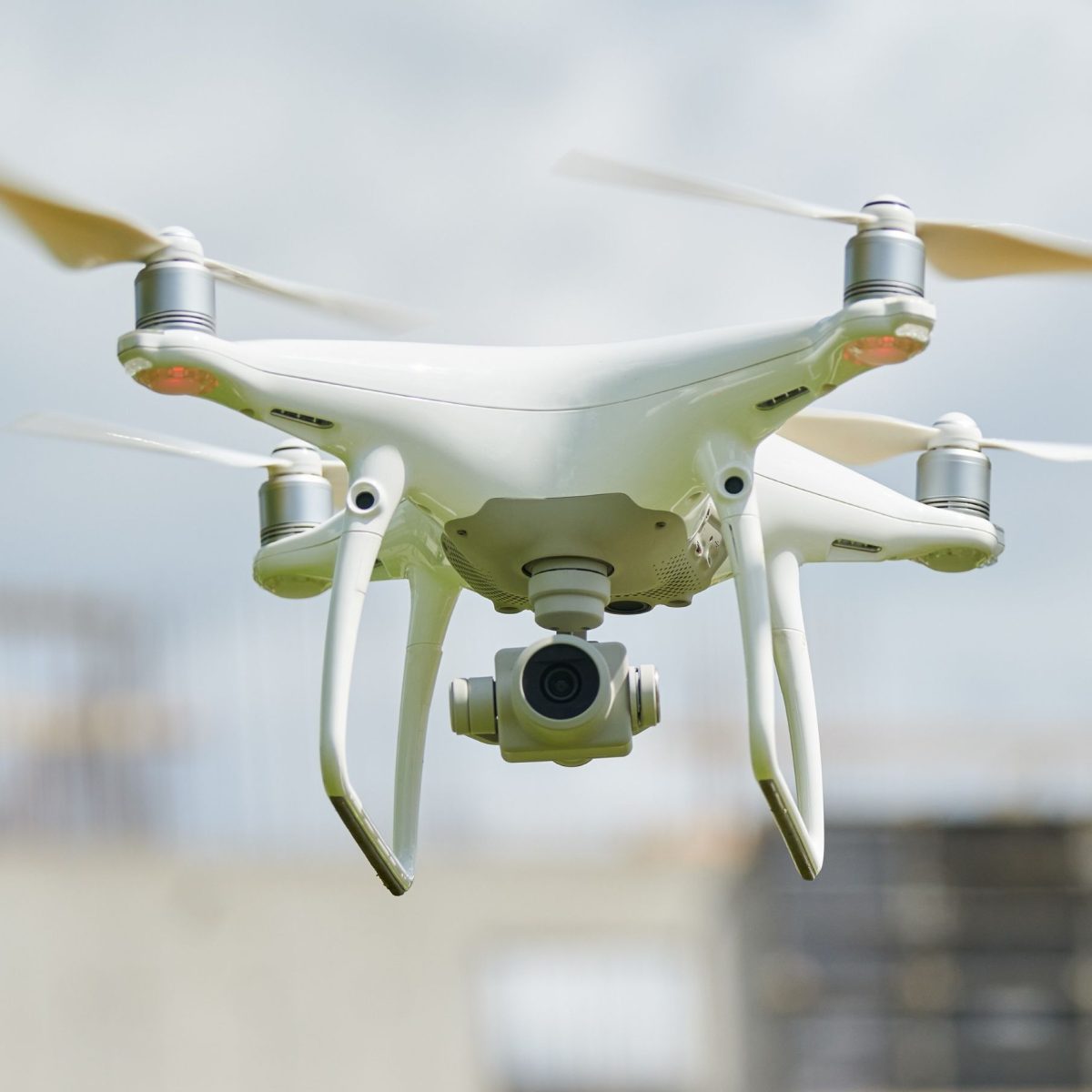
A drone is a flying machine that is operated by remote. They are used to take pictures or video to investigate things, like the exterior of tall buildings, or to map areas.

ROV Pilot and Drone Pilot Technicians specialise in one of these technologies. You could be the technician who pilots an ROV or a drone with precision, helping projects by gathering data that would otherwise be more difficult or dangerous to get.

The tasks that ROVs are used for vary. They can be used in subsea oil and gas development projects, for inspection, repair and maintenance, to lay cable and pipe, for surveys and in construction, or to examine salvage, for example a shipwrecked boat. They are also used for scientific research.

Drones can be used to check whether structures are safe, like the roofs of buildings, bridges, or wind turbines. They can also be used to survey wide areas, like monitoring wildlife, or creating a 3D digital contour map of a landscape. They are also used in the film and TV industry to get certain shots, and in emergency situations, they can help with search and rescue.

The type of work an ROV or Drone Pilot Technician will do

  • Plan flights or dives, making sure weather or water conditions are safe
  • Set up, test and maintain drone or ROV equipment
  • Pilot vehicles using remote controls and screens
  • Capture photos, video and sensor data
  • Inspect structures like buildings, pipelines or turbines
  • Follow safety rules, including airspace or marine regulations
  • Log missions and write simple reports
  • Troubleshoot faults and carry out basic repairs
  • Work with teams such as engineers, scientists or emergency services
Useful skills
Technologically minded
Useful skills
Logical thinking
£ 0 1 2 3 4 5 6 7 8 9 0 1 2 3 4 5 6 7 8 9 , 0 1 2 3 4 5 6 7 8 9 0 1 2 3 4 5 6 7 8 9 0 1 2 3 4 5 6 7 8 9
Average salary per year *
£ 0 1 2 3 4 5 6 7 8 9 , 0 1 2 3 4 5 6 7 8 9 0 1 2 3 4 5 6 7 8 9 0 1 2 3 4 5 6 7 8 9
Average salary per month *

Data powered by LMI for all
*according to ONS

Future career opportunities for an ROV or Drone Pilot Technician

With experience, you could specialise in areas like surveying, inspection or film production. You might move into senior pilot roles, operations management or training others.

Some people progress into engineering, data analysis or project management. There are also opportunities to work offshore, in renewable energy or with emergency services.

How to become an ROV or Drone Pilot Technician

There’s no perfect career path or ideal way into your dream job.

But if you’re interested in education and training options that could be relevant to this role, you might want to consider:

Options available after GCSEs:

More options available after that:

  • An apprenticeship as an Uncrewed Marine Vehicle Specialist.

Schools and colleges each have their own career guidance plan and can provide detailed information, advice, and guidance on options and next steps.

A little more about the role

Exciting features...

Every day can be different, as you will be exploring different places and structures. You get to use cutting-edge technology like high-resolution cameras and sensors. The role can take you to unique locations and let you work on real-world challenges, from protecting wildlife to helping build new infrastructure. It mixes hands-on skills with problem solving and teamwork. As drones and ROVs become more important, there are growing opportunities across many industries.

Other job titles...

UAV pilot (unmanned aerial vehicle)
Drone operator
ROV pilot technician
Remote pilot
Aerial survey pilot
Inspection drone pilot
Marine ROV operator
Unmanned systems operator

How a Rail Engineering Technician makes a difference

In the UK we have a large network of trains and railway tracks that run up, down and across the country. Millions of people rely on trains to take them to work every day, to visit friends and family, and to take them on holiday.

There are many components to the rail network. The main infrastructure includes railway stations, trains and tracks, overhead lines, and signalling and telecommunications systems. A rail engineering technician helps to repair and maintain several elements. You could be the technician who helps railway journeys to run without a hitch, making sure people reach their destination safely, comfortably, and on time.

The type of work a Rail Engineering Technician will do

  • Constructing and updating parts of the railway network
  • Monitoring infrastructure and finding faults
  • Diagnosing the reasons for failures and completing fixes
  • Using hand and power tools, including welding kit
  • Repairing and replacing parts
  • Helping to build new carriages and engines
  • Testing equipment
  • Maintaining records and writing reports
Useful skills
Attention to detail
Useful skills
Precise
Useful skills
Problem solving
Useful skills
Communicating complex ideas
£ 0 1 2 3 4 5 6 7 8 9 0 1 2 3 4 5 6 7 8 9 , 0 1 2 3 4 5 6 7 8 9 0 1 2 3 4 5 6 7 8 9 0 1 2 3 4 5 6 7 8 9
Average salary per year *
£ 0 1 2 3 4 5 6 7 8 9 , 0 1 2 3 4 5 6 7 8 9 0 1 2 3 4 5 6 7 8 9 0 1 2 3 4 5 6 7 8 9
Average salary per month *

Data powered by LMI for all
*according to ONS

Future career opportunities for a Rail Engineering Technician

Over time you will pick up a range of skills in testing, maintenance, installation, and safety, and could progress to a management position, such as a maintenance team leader or engineering workshop manager.

You might decide you want to focus on vehicle engineering or move into consultancy, working for an engineering firm that helps to design and project manage the delivery of new railways.

How to become a Rail Engineering Technician

There’s no perfect career path or ideal way into your dream job.

But if you’re interested in education and training options that could be relevant to this role, you might want to consider:

Options available after GCSEs:

More options available after that:

  • An apprenticeship as a Rail Engineering Advanced Technician.
  • An apprenticeship as a Rail and Rail Systems Engineer.

Schools and colleges each have their own career guidance plan and can provide detailed information, advice, and guidance on options and next steps.

A little more about the role

Exciting features...

As well as maintaining existing railway tracks and trains, you could be involved in restoring vintage train vehicles. There are also several new railway lines being planned which involve more energy-efficient vehicles and complex engineering projects.

Other job titles...

This role can also be known by some other job titles including:

Track Technician
Overhead Line Technician
Electrification Technician
Traction and Rolling Stock Technician
Signalling Technician
Telecoms Technician
Rail Systems Technician

How a Propulsion Technician makes a difference

Propulsion is a force that pushes something forward. A propulsion system – like an engine in a car, boat, or space ship  – combines mechanical power with a propulsor. The propulsor converts mechanical power into a forward moving force.

A propulsion technician helps to build, test, and assess the quality of propulsion systems in combustion engines, hybrid and electric propulsion technology, and in advanced control systems. You could be the technician who ensures thousands of vehicles move forward safely, quickly and efficiently.

A propulsion technician undertaking maintenance on aviation machinery.

The type of work a Propulsion Technician will do

  • Carrying out checks on propulsion systems
  • Identifying issues and fixing problems
  • Setting up equipment and ancillary systems used for build and testing
  • Checking instrumentation is capturing high quality data
  • Confirming calibration activities and reading measurements
  • Implementing modifications
  • Producing modification and design proposals
  • Liaising with internal teams and external customers
Useful skills
Problem solving
Useful skills
Precise
Useful skills
Communicating complex ideas
Useful skills
Critical thinking
Useful skills
Technologically minded
Useful skills
Instructing others
£ 0 1 2 3 4 5 6 7 8 9 0 1 2 3 4 5 6 7 8 9 , 0 1 2 3 4 5 6 7 8 9 0 1 2 3 4 5 6 7 8 9 0 1 2 3 4 5 6 7 8 9
Average salary per year *
£ 0 1 2 3 4 5 6 7 8 9 , 0 1 2 3 4 5 6 7 8 9 0 1 2 3 4 5 6 7 8 9 0 1 2 3 4 5 6 7 8 9
Average salary per month *

Data powered by LMI for all
*according to ONS

Future career opportunities for a Propulsion Technician

As you gain experience, you can take on more responsibility for managing bigger and more complex projects and teams of technicians and engineers.

There are opportunities to work in engineering consultancies, but you could also choose to become a freelancer, taking on contract work for a range of different projects and industries.

How to become a Propulsion Technician

There’s no perfect career path or ideal way into your dream job.

But if you’re interested in education and training options that could be relevant to this role, you might want to consider:

Options available after GCSEs:

More options available after that:

  • An apprenticeship as a Propulsion Technician.

Schools and colleges each have their own career guidance plan and can provide detailed information, advice, and guidance on options and next steps.

A little more about the role

Exciting features...

Propulsion technicians play a critical role in the engineering and design of propulsion systems, typically for the automotive, marine, and power equipment sectors. However they can also support the development of new and alternative technologies for other applications, including manufacturing and assembly processes.

Other job titles...

This role can also be known by some other job titles including:

Propulsion Test Engineer
Propulsion Test Technician
Engine Build and Process Technician
Product Analysis and Verification Technician
Engine Test Technician

How an Electric Vehicle Technician makes a difference

As we learn more about the impact of vehicle emissions on the environment, more people are choosing to buy electric cars. Businesses are also starting to make the transition, by making sure their fleets of vans are either hybrid or pure electric. In the UK, from 2030, no new petrol or diesel cars can be sold.

With many more electric vehicles coming onto the roads, electric vehicle technicians are in demand. They work on the inspection, maintenance and repair of electric vehicles to ensure they are safe to drive. You could be the technician who specialises in electric vehicles, helping more people to understand them and minimising the impact of vehicles on our environment.

The type of work an Electric Vehicle Technician will do

  • Carrying out vehicle checks
  • Replacing simple parts
  • Defining and repairing complex faults
  • Using diagnostic methods and equipment
  • Construction and operation of electrical, braking and suspension systems
  • Recording mileage and vehicle emissions
  • Producing reports and estimates for repairs
Useful skills
Problem solving
Useful skills
Attention to detail
Useful skills
Instructing others
£ 0 1 2 3 4 5 6 7 8 9 0 1 2 3 4 5 6 7 8 9 , 0 1 2 3 4 5 6 7 8 9 0 1 2 3 4 5 6 7 8 9 0 1 2 3 4 5 6 7 8 9
Average salary per year *
£ 0 1 2 3 4 5 6 7 8 9 , 0 1 2 3 4 5 6 7 8 9 0 1 2 3 4 5 6 7 8 9 0 1 2 3 4 5 6 7 8 9
Average salary per month *

Data powered by LMI for all
*according to ONS

Future career opportunities for an Electric Vehicle Technician

You could start your career in an independent garage or a manufacturer’s dealership, and as you develop your technical skills progress towards leading a team.

You might decide to set up your own garage or work for a manufacturer where you can get closer to where new electric vehicles are made.

How to become an Electric Vehicle Technician

There’s no perfect career path or ideal way into your dream job.

But if you’re interested in education and training options that could be relevant to this role, you might want to consider:

Options available after GCSEs:

Schools and colleges each have their own career guidance plan and can provide detailed information, advice, and guidance on options and next steps.

A little more about the role

Exciting features...

The range of electric vehicles is expanding as new battery technology develops and automotive brands create new models of electric vans and cars. You could work at the forefront of these exciting developments, getting involved in the maintenance of vehicles in a garage or at a car dealership for a specific brand.

How a Marine Engineering Technician makes a difference

Just like vehicles on the road, boats at sea need to be properly maintained to make sure they are in a good condition and safe to sail. This includes all kinds of boats, from yachts to passenger ferries, cargo ships to superyachts.

Their engines and other technical equipment need to be thoroughly checked and any issues repaired. You could be the technician who makes sure boats are seaworthy and goods and people are transported safely.

The type of work a Marine Engineering Technician will do

  • Understanding technical drawings and engineering data
  • Selecting, storing, and looking after tools and materials
  • Taking precise measurements
  • Cutting, drilling, and finishing components
  • Carrying out planned maintenance
  • Assembling and refining engineering systems
  • Completing service documentation
Useful skills
Decisive
Useful skills
Precise
Useful skills
Technologically minded
Useful skills
Problem solving
Useful skills
Instructing others
£ 0 1 2 3 4 5 6 7 8 9 0 1 2 3 4 5 6 7 8 9 , 0 1 2 3 4 5 6 7 8 9 0 1 2 3 4 5 6 7 8 9 0 1 2 3 4 5 6 7 8 9
Average salary per year *
£ 0 1 2 3 4 5 6 7 8 9 , 0 1 2 3 4 5 6 7 8 9 0 1 2 3 4 5 6 7 8 9 0 1 2 3 4 5 6 7 8 9
Average salary per month *

Data powered by LMI for all
*according to ONS

Future career opportunities for a Marine Engineering Technician

You could work for a commercial shipping company, helping to maintain a big fleet of ships. Alternatively you could choose to work on smaller boats in a specialist repairs and maintenance business.

If you get involved in engineering on superyachts, you could find yourself travelling all over the world.

How to become a Marine Engineering Technician

There’s no perfect career path or ideal way into your dream job.

But if you’re interested in education and training options that could be relevant to this role, you might want to consider:

Options available after GCSEs:

Schools and colleges each have their own career guidance plan and can provide detailed information, advice, and guidance on options and next steps.

A little more about the role

Exciting features...

Some engines are incredibly large and need cranes to lift them out to be worked on. You’ll help to strip the engines, repair and rebuild them using specialist measuring equipment, machines, and tools. You’ll also be involved in sea trials, when new and repaired boats are tested.

How a Bus Engineering Technician makes a difference

Buses and coaches are essential transport for millions of people every day, as they travel to work, school or college, or go on shopping, work or day trips.

Every bus needs to be roadworthy, which means regular checks to make sure all parts are working safely, the environments are comfortable and clean, and on-board information notices are in the right place. You could be the technician who creates safe and pleasurable bus journeys that people rely on.

Useful skills
Technologically minded
Useful skills
Precise
Useful skills
Problem solving
Useful skills
Attention to detail

The type of work a Bus Engineering Technician will do

  • Carrying out roadworthiness inspections
  • Completing regular maintenance tasks
  • Meeting the timetable for repairs to support a reliable bus service
  • Carrying out a range of repairs across the whole of the bus, from engines to seating
  • Assembling mechanical units and electrical circuits
  • Maintaining a clear and safe workshop
  • Attending and assessing roadside incidents
£ 0 1 2 3 4 5 6 7 8 9 0 1 2 3 4 5 6 7 8 9 , 0 1 2 3 4 5 6 7 8 9 0 1 2 3 4 5 6 7 8 9 0 1 2 3 4 5 6 7 8 9
Average salary per year *
£ 0 1 2 3 4 5 6 7 8 9 , 0 1 2 3 4 5 6 7 8 9 0 1 2 3 4 5 6 7 8 9 0 1 2 3 4 5 6 7 8 9
Average salary per month *

Data powered by LMI for all
*according to ONS

Future career opportunities for a Bus Engineering Technician

You will probably start your career with a bus company that serves a particular region or destinations. You could progress to becoming a manager in that company, either leading a technical team or bus operations.

Alternatively, you might choose to work for a bus contractor that supplies its technical services to different bus and coach companies.

How to become a Bus Engineering Technician

There’s no perfect career path or ideal way into your dream job.

But if you’re interested in education and training options that could be relevant to this role, you might want to consider:

Options available after GCSEs:

Schools and colleges each have their own career guidance plan and can provide detailed information, advice, and guidance on options and next steps.

A little more about the role

Exciting features...

You’ll get to know the equipment on business and coaches from different manufacturers and increasingly learn about electric vehicles that have a lower impact on the environment and are gradually replacing old bus fleets. The tasks you’re involved in will regularly change, as new technologies and differing fuel types are introduced.