Favourites

How a Tree and Forestry Technician makes a difference

As a Tree and Forestry technician, you help protect and manage trees in towns, parks and forests. You check how healthy trees are, spot problems early and help deal with them.

Your work helps keep people safe by making sure trees are well cared for. You may share practical advice about tree care and help make sure rules that protect important trees are followed.  This role helps make places greener, supports wildlife and improves the spaces where people live, work and relax.

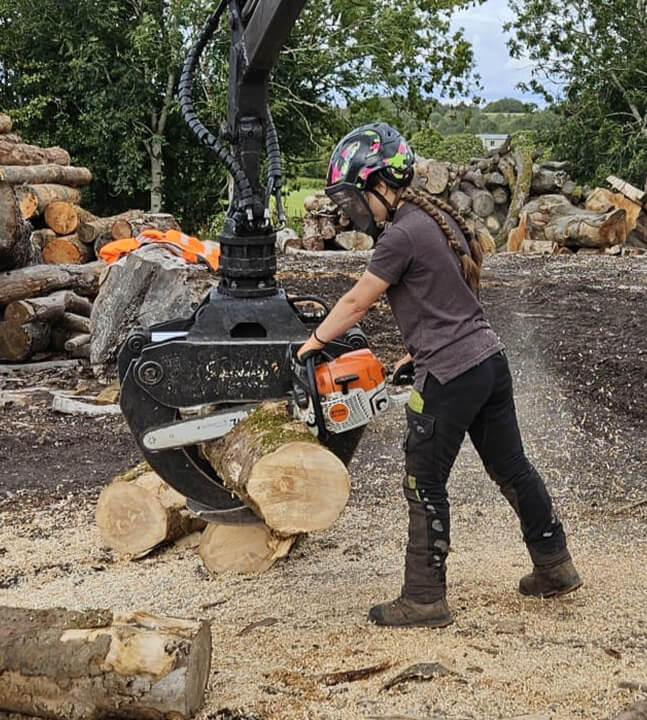
Tree and Forestry technician Matilda, wearing a helmet and face guard using a chainsaw to cut a log.

The type of work a Tree and Forestry Technician will do

  • Inspect trees to check their health and safety
  • Help plant new trees and protect young trees
  • Carry out tree surveys and record information
  • Support the care and management of woodlands
  • Use tools and equipment to maintain trees
  • Help plan and manage tree work projects
Useful skills
Decisive
Useful skills
Critical thinking
Useful skills
Logical thinking
Useful skills
Practical application
Useful skills
Problem solving
£ 0 1 2 3 4 5 6 7 8 9 0 1 2 3 4 5 6 7 8 9 , 0 1 2 3 4 5 6 7 8 9 0 1 2 3 4 5 6 7 8 9 0 1 2 3 4 5 6 7 8 9
Average salary per year *
£ 0 1 2 3 4 5 6 7 8 9 , 0 1 2 3 4 5 6 7 8 9 0 1 2 3 4 5 6 7 8 9 0 1 2 3 4 5 6 7 8 9
Average salary per month *

Data powered by LMI for all
*according to ONS

Future career opportunities for a Tree and Forestry Technician

A Tree and Forestry technician role can lead to more senior jobs working with trees and woodlands. With experience and training you could become a tree officer, consultant or manager. Some people specialise in surveying trees, managing forests or advising on planning and development projects.

How to become a Tree and Forestry Technician

There’s no perfect career path or ideal way into your dream job.

But if you’re interested in education and training options that could be relevant to this role, you might want to consider:

Options available after GCSEs:

  • A T-Level in Agriculture, Land Management and Production
  • An apprenticeship as a Forest craftsperson

More options available after that:

  • An apprenticeship as an Arboriculturist

Schools and colleges each have their own career guidance plan and can provide detailed information, advice, and guidance on options and next steps.

A little more about the role

Exciting features...

This is a job where no two days are the same. You spend time outdoors in parks, streets and forests, working closely with nature. You might climb trees, use specialist equipment and see the results of your work straight away. You help protect important trees, improve green spaces and support wildlife. Your work makes a visible difference to the places people enjoy every day and helps create healthier environments for the future.

Other job titles...

You might also see this role listed under different job titles, including:

Arborist
Tree care technician
Tree survey assistant
Woodland assistant
Tree officer assistant

How a Bike Technician makes a difference

Ever since the London 2012 Summer Olympics, the UK cycling industry has been growing. There are more cycling clubs taking to the roads on the weekends, and more people are opting for cycling as a greener, healthier, and cheaper way to get to school or work. The pandemic also motivated more people to adopt cycling as a leisure activity.

With many more bikes being used, there are good opportunities for bike technicians. As well as supporting people with maintenance and repairs, bike technicians can also be involved in building specialist bikes from scratch. In addition, they play a role in encouraging more people to choose this greener way to get around. You could be the technician who ensures people have dependable bikes for their journeys, thereby helping to reduce carbon emissions.

The type of work a Bike Technician will do

  • Identifying problems with a bike
  • Estimating the cost of repairs and producing quotes
  • Carrying out bike services and safety checks
  • Carrying out repairs and maintenance tasks
  • Building a new bike to a customer’s specifications
  • Ordering parts and managing stock
  • Liaising with suppliers
  • Taking bookings and completing paperwork
  • Attending cycling events to provide repairs and technical support
Useful skills
Problem solving
Useful skills
Attention to detail
Useful skills
Instructing others
£ 0 1 2 3 4 5 6 7 8 9 0 1 2 3 4 5 6 7 8 9 , 0 1 2 3 4 5 6 7 8 9 0 1 2 3 4 5 6 7 8 9 0 1 2 3 4 5 6 7 8 9
Average salary per year *
£ 0 1 2 3 4 5 6 7 8 9 , 0 1 2 3 4 5 6 7 8 9 0 1 2 3 4 5 6 7 8 9 0 1 2 3 4 5 6 7 8 9
Average salary per month *

Data powered by LMI for all
*according to ONS

Future career opportunities for a Bike Technician

With experience you could progress to being head mechanic, responsible for leading a team. You could also decide to be self-employed and set up your own mobile bike mechanic business, or shop.

There are also large organisations, including British Cycling, who employ specialist mechanics to support British racing teams. Alternatively you could progress to working for a bike manufacturer.

How to become a Bike Technician

There’s no perfect career path or ideal way into your dream job.

But if you’re interested in education and training options that could be relevant to this role, you might want to consider:

Options available after GCSEs:

Schools and colleges each have their own career guidance plan and can provide detailed information, advice, and guidance on options and next steps.

A little more about the role

Exciting features...

The range of bikes available today is bigger than ever before. You could be involved in the maintenance and repairs of road, mountain, touring, folding, BMX, cruiser, and fixed gear bikes. The popularity of electric bikes is also growing, so you could grow your electronic as well as mechanical expertise.

Other job titles...

This role can also be known by some other job titles including:

Cycle Mechanic
Bicycle Technician

How a Solar Energy Technician makes a difference

The owners of residential and commercial properties are looking for ways to be energy efficient and to reduce the cost of their energy bills. One option for them could be installing solar panels, which collect solar power and convert it into renewable energy.

Solar energy technicians are responsible for installing solar panels on roofs and structures on land, maintaining the panels, and ensuring wiring systems are safe and efficient. You could be the technician who helps homes and businesses to have independent, renewable energy resources that bring their costs of operation down and protect the planet in the process.

The type of work a Solar Energy Technician will do

  • Assessing locations to make sure they are suitable for solar panels
  • Measuring up areas for installation
  • Producing reports and designs of recommended solutions
  • Installing and maintaining solar panels
  • Making adjustments to building surfaces to make sure panels fit and are adequately supported
  • Connecting solar panels to an electrical system
  • Checking wiring
  • Interacting with customers
Useful skills
Problem solving
Useful skills
Technologically minded
Useful skills
Communicating complex ideas
Useful skills
Attention to detail
Useful skills
Logical thinking
£ 0 1 2 3 4 5 6 7 8 9 0 1 2 3 4 5 6 7 8 9 , 0 1 2 3 4 5 6 7 8 9 0 1 2 3 4 5 6 7 8 9 0 1 2 3 4 5 6 7 8 9
Average salary per year *
£ 0 1 2 3 4 5 6 7 8 9 , 0 1 2 3 4 5 6 7 8 9 0 1 2 3 4 5 6 7 8 9 0 1 2 3 4 5 6 7 8 9
Average salary per month *

Data powered by LMI for all
*according to ONS

Future career opportunities for a Solar Energy Technician

You could work in a specialist solar panel installation business that’s dedicated to either domestic or commercial installations. Once you’ve gained experience, you could lead a team of technicians and take on bigger projects.

There are also opportunities working in construction businesses that want to make new homes and commercial environments as energy efficient as possible. Alternatively, you might choose to be a freelance solar energy technician, offering your specialist skills to a range of different companies.

How to become a Solar Energy Technician

There’s no perfect career path or ideal way into your dream job.

But if you’re interested in education and training options that could be relevant to this role, you might want to consider:

Options available after GCSEs:

Schools and colleges each have their own career guidance plan and can provide detailed information, advice, and guidance on options and next steps.

A little more about the role

Exciting features...

If enough solar energy is collected, whole homes and businesses can operate independently without any energy coming from the national grid. As a solar energy technician, you’ll be helping them to have clean power every day of the year that is pollution free and causes no greenhouse gases to be emitted after installation.

Other job titles...

This role can also be known by some other job titles including:

Solar Panel Installer
Solar Panel Engineer

How an Agricultural Technician makes a difference

Agriculture, horticulture, and forestry are industries that humans have worked in for thousands of years. They have always involved the nurturing of crops, plants and tree, as well as the care of livestock, including cows, pigs and sheep, but nowadays these industries rely on technologically advanced machinery to make them more efficient and productive.

The mechanical and technological components of machinery require regular maintenance and fast repairs when breakdowns occur. This ensures crops and livestock continue to be nurtured and protected, and produce is delivered in a good condition. You could be the technician who supports these outdoor industries by looking after the advanced machinery that helps them perform at their best.

The type of work an Agricultural Technician will do

  • Operating machinery on farms or in forests, for example milking machinery, tractors, ploughs, or saws
  • Supporting the feeding and care of farm animals
  • Treating animals, crops and trees to prevent disease
  • Maintaining farm buildings
  • Solving mechanical and electrical problems
  • Compiling reports on the condition of machines
Useful skills
Logical thinking
Useful skills
Precise
Useful skills
Problem solving
Useful skills
Decisive
£ 0 1 2 3 4 5 6 7 8 9 0 1 2 3 4 5 6 7 8 9 , 0 1 2 3 4 5 6 7 8 9 0 1 2 3 4 5 6 7 8 9 0 1 2 3 4 5 6 7 8 9
Average salary per year *
£ 0 1 2 3 4 5 6 7 8 9 , 0 1 2 3 4 5 6 7 8 9 0 1 2 3 4 5 6 7 8 9 0 1 2 3 4 5 6 7 8 9
Average salary per month *

Data powered by LMI for all
*according to ONS

Future career opportunities for an Agricultural Technician

Having experienced a range of different tasks in an agricultural, horticultural, or a forestry environment, you could decide to specialise in one area and become an expert people turn to for advice.

You might decide you like being involved in all aspects of a farm, forest, or growing centre and progress to a team leader, management or inspection role.

How to become an Agricultural Technician

There’s no perfect career path or ideal way into your dream job.

But if you’re interested in education and training options that could be relevant to this role, you might want to consider:

Options available after GCSEs:

Schools and colleges each have their own career guidance plan and can provide detailed information, advice, and guidance on options and next steps.

A little more about the role

Exciting features...

You are likely to spend a lot of time outdoors in this role, being amongst the animals, land, and forests where specialist machinery is used. You’ll conduct inspections of machines, confirm how well machinery is performing and support customers with their needs.

Other job titles...

This role can also be known by some other job titles including:

Livestock and Field Technician

How a Wind Turbine Technician makes a difference

Wind turbines are becoming an increasingly common feature on land and at sea as we focus more on renewable energy sources to help combat climate change.

These tall machines reach up to 90 metres and need to be monitored and maintained to ensure they run as reliably and efficiently as possible, generating a reliable source of energy for businesses and homes. You could be the technician that supports a renewable energy supply and our ambition to be net zero carbon by 2050.

The type of work a Wind Turbine Technician will do

  • Install wind turbine towers on land or at sea
  • Fit electrical, mechanical, and hydraulic equipment
  • Test turbine blades and control systems
  • Climb towers to inspect them
  • Find faults and fix them
  • Carry out planned maintenance work
  • Run safety checks and keep records
Useful skills
Attention to detail
Useful skills
Problem solving
£ 0 1 2 3 4 5 6 7 8 9 0 1 2 3 4 5 6 7 8 9 , 0 1 2 3 4 5 6 7 8 9 0 1 2 3 4 5 6 7 8 9 0 1 2 3 4 5 6 7 8 9
Average salary per year *
£ 0 1 2 3 4 5 6 7 8 9 , 0 1 2 3 4 5 6 7 8 9 0 1 2 3 4 5 6 7 8 9 0 1 2 3 4 5 6 7 8 9
Average salary per month *

Data powered by LMI for all
*according to ONS

Future career opportunities for a Wind Turbine Technician

Experience in this role will enable you to diagnose and repair different parts of the turbines and work at greater heights.

Over time you could be leading a team, training others on the systems and technologies involved, or leading health and safety across a business. Your skills will be valued all over the world, enabling you to travel and work overseas.

How to become a Wind Turbine Technician

There’s no perfect career path or ideal way into your dream job.

But if you’re interested in education and training options that could be relevant to this role, you might want to consider:

Options available after GCSEs:

Schools and colleges each have their own career guidance plan and can provide detailed information, advice, and guidance on options and next steps.

A little more about the role

Exciting features...

You’ll be working at the forefront of a vital technology that is helping to solve one of the world’s biggest challenges – climate change. Whether you work on land or at sea, you’ll be required to complete complex tasks at great heights. You’ll be trained in the systems and tools required to monitor and repair the wind turbines and the equipment you need to keep you safe.

Other job titles...

This role can also be known by some other job titles including:

Wind Farm Technician

How a Surveying Technician makes a difference

Surveying Technicians support architects, engineers and planners, by collecting data about buildings and land.

They use state of the art technology, like laser scanners, 360° cameras and drones, to collect measurements about a location.

This data helps to make sure buildings, roads and other structures are built safely, in the right place, and stay on budget.

You could be the technician who helps to keep a complex construction project on track. 

A person on a construction site in a hi-vis jacket and hard hat, flying a drone by remote.

The type of work a Surveying Technician will do

  • Use specialist equipment to measure land and buildings
  • Record and process survey data
  • Create maps, plans and drawings
  • Use computer software to analyse information
  • Check measurements are accurate and reliable
  • Work outdoors on sites and indoors in offices
  • Support surveyors, engineers and construction teams
£ 0 1 2 3 4 5 6 7 8 9 0 1 2 3 4 5 6 7 8 9 , 0 1 2 3 4 5 6 7 8 9 0 1 2 3 4 5 6 7 8 9 0 1 2 3 4 5 6 7 8 9
Average salary per year *
£ 0 1 2 3 4 5 6 7 8 9 , 0 1 2 3 4 5 6 7 8 9 0 1 2 3 4 5 6 7 8 9 0 1 2 3 4 5 6 7 8 9
Average salary per month *

Data powered by LMI for all
*according to ONS

Future career opportunities for a Surveying Technician

With experience, you could become a surveyor, site engineer or project manager. You might specialise in areas like land surveying, building surveying or mapping. Further training could lead to senior roles or professional qualifications.

How to become a Surveying Technician

There’s no perfect career path or ideal way into your dream job.

But if you’re interested in education and training options that could be relevant to this role, you might want to consider:

Options available after GCSEs:

Schools and colleges each have their own career guidance plan and can provide detailed information, advice, and guidance on options and next steps.

A little more about the role

Exciting features...

This role offers a mix of outdoor and office based work.

As a Surveying Technician, you could work on all kinds of buildings and structures, from 38 storey office blocks, bridges, sports arenas, wind turbines, or a new development of 200 homes.

You get to use modern equipment like drones and 3D scanning tools. It is a great way to see how big construction projects come together from the ground up. You also work with a range of people, from engineers to architects, making it a varied job.

Other job titles...

Building Surveying Technician
Commercial Property Surveying Technician
Consultant Project Management Technician
Consultant Quantity Surveying Technician
Engineering Survey Technician
Geomatics Technician
Geospatial Technician
Land Survey Technician
Residential Property Surveying Technician
Site Survey Technician
Survey Assistant
Valuation Surveying Technician

Useful skills
Attention to detail
Useful skills
Technologically minded
Useful skills
Critical thinking

How an ROV or Drone Pilot Technician makes a difference

ROV Pilot and Drone Pilot Technicians help people see places that are hard or dangerous to reach.

An ROV is a remotely operated vehicle. They are submersible robots that go underwater. They go places that are too deep or too dangerous for human divers, to inspect places or carry out tasks.

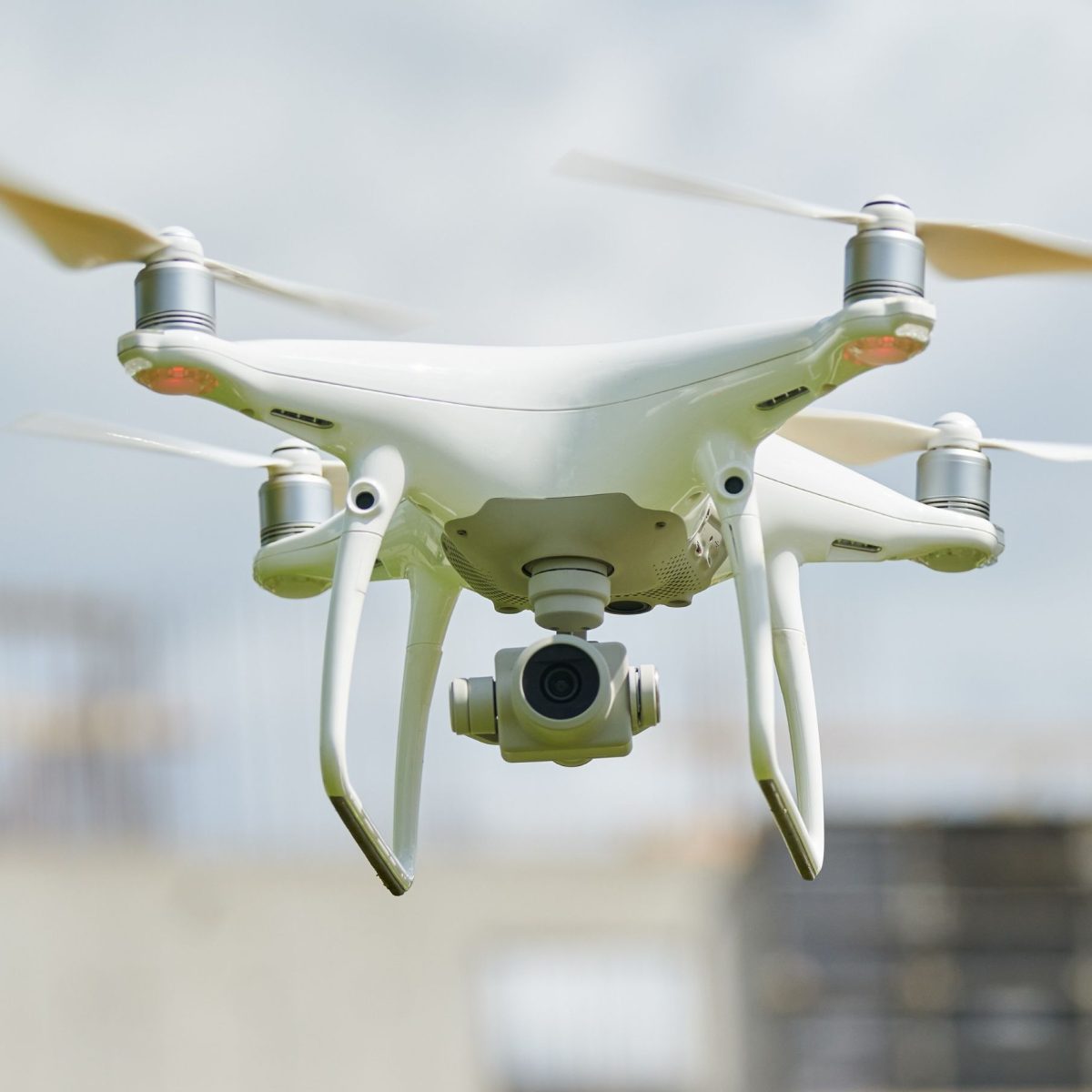
A drone is a flying machine that is operated by remote. They are used to take pictures or video to investigate things, like the exterior of tall buildings, or to map areas.

ROV Pilot and Drone Pilot Technicians specialise in one of these technologies. You could be the technician who pilots an ROV or a drone with precision, helping projects by gathering data that would otherwise be more difficult or dangerous to get.

The tasks that ROVs are used for vary. They can be used in subsea oil and gas development projects, for inspection, repair and maintenance, to lay cable and pipe, for surveys and in construction, or to examine salvage, for example a shipwrecked boat. They are also used for scientific research.

Drones can be used to check whether structures are safe, like the roofs of buildings, bridges, or wind turbines. They can also be used to survey wide areas, like monitoring wildlife, or creating a 3D digital contour map of a landscape. They are also used in the film and TV industry to get certain shots, and in emergency situations, they can help with search and rescue.

The type of work an ROV or Drone Pilot Technician will do

  • Plan flights or dives, making sure weather or water conditions are safe
  • Set up, test and maintain drone or ROV equipment
  • Pilot vehicles using remote controls and screens
  • Capture photos, video and sensor data
  • Inspect structures like buildings, pipelines or turbines
  • Follow safety rules, including airspace or marine regulations
  • Log missions and write simple reports
  • Troubleshoot faults and carry out basic repairs
  • Work with teams such as engineers, scientists or emergency services
Useful skills
Technologically minded
Useful skills
Logical thinking
£ 0 1 2 3 4 5 6 7 8 9 0 1 2 3 4 5 6 7 8 9 , 0 1 2 3 4 5 6 7 8 9 0 1 2 3 4 5 6 7 8 9 0 1 2 3 4 5 6 7 8 9
Average salary per year *
£ 0 1 2 3 4 5 6 7 8 9 , 0 1 2 3 4 5 6 7 8 9 0 1 2 3 4 5 6 7 8 9 0 1 2 3 4 5 6 7 8 9
Average salary per month *

Data powered by LMI for all
*according to ONS

Future career opportunities for an ROV or Drone Pilot Technician

With experience, you could specialise in areas like surveying, inspection or film production. You might move into senior pilot roles, operations management or training others.

Some people progress into engineering, data analysis or project management. There are also opportunities to work offshore, in renewable energy or with emergency services.

How to become an ROV or Drone Pilot Technician

There’s no perfect career path or ideal way into your dream job.

But if you’re interested in education and training options that could be relevant to this role, you might want to consider:

Options available after GCSEs:

More options available after that:

  • An apprenticeship as an Uncrewed Marine Vehicle Specialist.

Schools and colleges each have their own career guidance plan and can provide detailed information, advice, and guidance on options and next steps.

A little more about the role

Exciting features...

Every day can be different, as you will be exploring different places and structures. You get to use cutting-edge technology like high-resolution cameras and sensors. The role can take you to unique locations and let you work on real-world challenges, from protecting wildlife to helping build new infrastructure. It mixes hands-on skills with problem solving and teamwork. As drones and ROVs become more important, there are growing opportunities across many industries.

Other job titles...

UAV pilot (unmanned aerial vehicle)
Drone operator
ROV pilot technician
Remote pilot
Aerial survey pilot
Inspection drone pilot
Marine ROV operator
Unmanned systems operator

How a Countryside Ranger makes a difference

Over 25% of our country is covered by National Parks and Areas of Outstanding Natural Beauty (AONBs) and more than 350,000 hectares are managed by organisations such as the National Trust, Natural England, Wildlife Trusts, and the Royal Society for Protection of Birds.

All these organisations and this vast amount of land rely on countryside rangers to properly manage and maintain the natural environment, and to teach other people about what it involves. You could be the technician who helps to protect nature in all its forms and inspires other people to do the same.

Useful skills
Communicating complex ideas
Useful skills
Decisive
Useful skills
Attention to detail

The type of work a Countryside Ranger will do

  • Planning and delivering projects such as setting up a new visitor route or creating new grazing land
  • Organising staff and volunteers to carry out land management tasks
  • The construction and maintenance of boundaries
  • Species and habitat monitoring
  • Practical conservation tasks
  • Responding to events that affect the natural environment
  • Reviewing environmental, education, and public information communications
  • Participating in public events and educational visits
  • Sharing information and news on social media
£ 0 1 2 3 4 5 6 7 8 9 0 1 2 3 4 5 6 7 8 9 , 0 1 2 3 4 5 6 7 8 9 0 1 2 3 4 5 6 7 8 9 0 1 2 3 4 5 6 7 8 9
Average salary per year *
£ 0 1 2 3 4 5 6 7 8 9 , 0 1 2 3 4 5 6 7 8 9 0 1 2 3 4 5 6 7 8 9 0 1 2 3 4 5 6 7 8 9
Average salary per month *

Data powered by LMI for all
*according to ONS

Future career opportunities for a Countryside Ranger

With experience, you could become a senior, district or head ranger or warden. You could also become a countryside officer, working inside a local government organisation or charity.

Another option is moving into more specialised work, such as forestry, coastal area management, or wildlife conservation.

How to become a Countryside Ranger

There’s no perfect career path or ideal way into your dream job.

But if you’re interested in education and training options that could be relevant to this role, you might want to consider:

Options available after GCSEs:

More options available after that:

  • An apprenticeship as a Countryside Ranger.

Schools and colleges each have their own career guidance plan and can provide detailed information, advice, and guidance on options and next steps.

Exciting features...

There are many different environments you could be involved in managing, including moorland, heathland, wetland, woodland, grassland, coastal, and protected landscapes. You’ll be responsible for organising, supervising and delivering specific land management programmes, community engagement, and projects with a range of different partners.

Other job titles...

This role can also be known by some other job titles including:

Community Ranger
Estate Ranger
Estate supervisor
Park Ranger
Ranger
Recreation Ranger
Reserve Warden
Countryside Warden

How a Munitions Explosives Technician makes a difference

Ordnance munitions explosives (OME) are used in many industries, including mining and quarrying, pyrotechnics (e.g. fireworks), and within the film industry for special effects. They are not unique to the Armed Forces.

All OME have their own features and are designed to behave in a predictable, controlled way. That’s so the people using them know what the explosive’s impact will be. You could be the technician that makes sure ordnance munitions explosives are fit for purpose and behave as expected.

The type of work a Munitions Explosives Technician will do

  • Understanding explosives compositions and devices
  • Following safe, approved systems of work
  • Setting up processing areas and equipment
  • Checking inventory
  • Working with a team to test and develop products
  • Disposing of OME correctly
Useful skills
Technologically minded
Useful skills
Instructing others
Useful skills
Decisive
£ 0 1 2 3 4 5 6 7 8 9 0 1 2 3 4 5 6 7 8 9 , 0 1 2 3 4 5 6 7 8 9 0 1 2 3 4 5 6 7 8 9 0 1 2 3 4 5 6 7 8 9
Average salary per year *
£ 0 1 2 3 4 5 6 7 8 9 , 0 1 2 3 4 5 6 7 8 9 0 1 2 3 4 5 6 7 8 9 0 1 2 3 4 5 6 7 8 9
Average salary per month *

Data powered by LMI for all
*according to ONS

Future career opportunities for a Munitions Explosives Technician

Your career opportunities will depend on the industry you choose. For example, if you join the Armed Forces as an OME technician, there will be a structured career path rising through the ranks.

In mining and quarrying, you may become a team leader, designing the strategies for how OME are used. If you choose the film industry, you could become a freelancer who moves between different film sets, advising on OME and their safe use.

How to become a Munitions Explosives Technician

There’s no perfect career path or ideal way into your dream job.

But if you’re interested in education and training options that could be relevant to this role, you might want to consider:

Options available after GCSEs:

More options available after that:

  • An apprenticeship as an Ordnance Munitions Explosives Technician.

Schools and colleges each have their own career guidance plan and can provide detailed information, advice, and guidance on options and next steps.

A little more about the role

Exciting features...

You’ll become an expert in explosives compositions and devices with the skill to advise others on the OME they’re using. You could work in the defence industry, testing, researching and developing new products. Or you could put your skills to use for entertainment, being a technician that helps to deliver a complex firework display or a special effect for an action movie.

Other job titles...

This role can also be known by some other job titles including:

Ammunition Technician
OME Manufacturing Technician
Pyrotechnics Technician
Shot Firer
Special Effects Technician
Trials and Research Technician
Weapons Technician
Storage and Transport Coordinator

How a Mechanical Engineering Technician makes a difference

There are many industries, including the aerospace, aviation, automotive, maritime and defence sectors, that use highly complex machinery to make and manoeuvre their products. The leisure industry uses machinery such as Ferris wheels and rollercoasters to provide entertainment.

All these machines need to be built and maintained, which involves assembling multiple devices and components and checking that all the mechanical systems are in reliable and safe working order. You could be the technician who puts all the machine parts together to help various industries perform at their best.

The type of work a Mechanical Engineering Technician will do

  • Following the instructions in design, safety and quality control documentation
  • Completing regular checks on machines and equipment
  • Responding to engineering problems
  • Diagnosing issues and fixing faults
  • Stripping machines back to their parts to clean and maintain them
  • Recording information about machine performance and maintenance
  • Looking after tools and equipment
Useful skills
Attention to detail
Useful skills
Logical thinking
Useful skills
Technologically minded
£ 0 1 2 3 4 5 6 7 8 9 0 1 2 3 4 5 6 7 8 9 , 0 1 2 3 4 5 6 7 8 9 0 1 2 3 4 5 6 7 8 9 0 1 2 3 4 5 6 7 8 9
Average salary per year *
£ 0 1 2 3 4 5 6 7 8 9 , 0 1 2 3 4 5 6 7 8 9 0 1 2 3 4 5 6 7 8 9 0 1 2 3 4 5 6 7 8 9
Average salary per month *

Data powered by LMI for all
*according to ONS

Future career opportunities for a Mechanical Engineering Technician

As your training and career develop, you could decide to specialise in a specific area of mechanical engineering, for example fitting and turning, pipefitting, or maintenance fitting.

You can also progress to becoming a senior fitter with responsibility for higher level challenges, as well as supporting and training other team members. Another option is becoming a consultant and getting involved in the design of machines.

How to become a Mechanical Engineering Technician

There’s no perfect career path or ideal way into your dream job.

But if you’re interested in education and training options that could be relevant to this role, you might want to consider:

Options available after GCSEs:

Schools and colleges each have their own career guidance plan and can provide detailed information, advice, and guidance on options and next steps.

A little more about the role

Exciting features...

You will work with detailed drawings that contain intricate measurements and specifications you need to follow. To put parts together you’ll use a range of tools and techniques including thermal healing, welding, cutting equipment and drilling machines. When machines break down, you’ll be the problem solver people call on to make sure they are quickly working again.

Other job titles...

This role can also be known by some other job titles including:

Engineering Technician
Aerospace Technician
Aviation Engineer
Maritime Engineer
Machinist
Mechatronics Engineer
Mechanical Fitter
Toolmaker