Favourites

How a Research and Development Technician makes a difference

As a Research and Development Technician, you help test and refine ideas so they can become real working products.
You make sure designs work properly, help test and improve prototypes, and share your findings with engineers and other team members. Your work helps businesses build better, safer and more useful products, from cars and aircraft to everyday machines, and makes sure things work as they should before they reach customers.

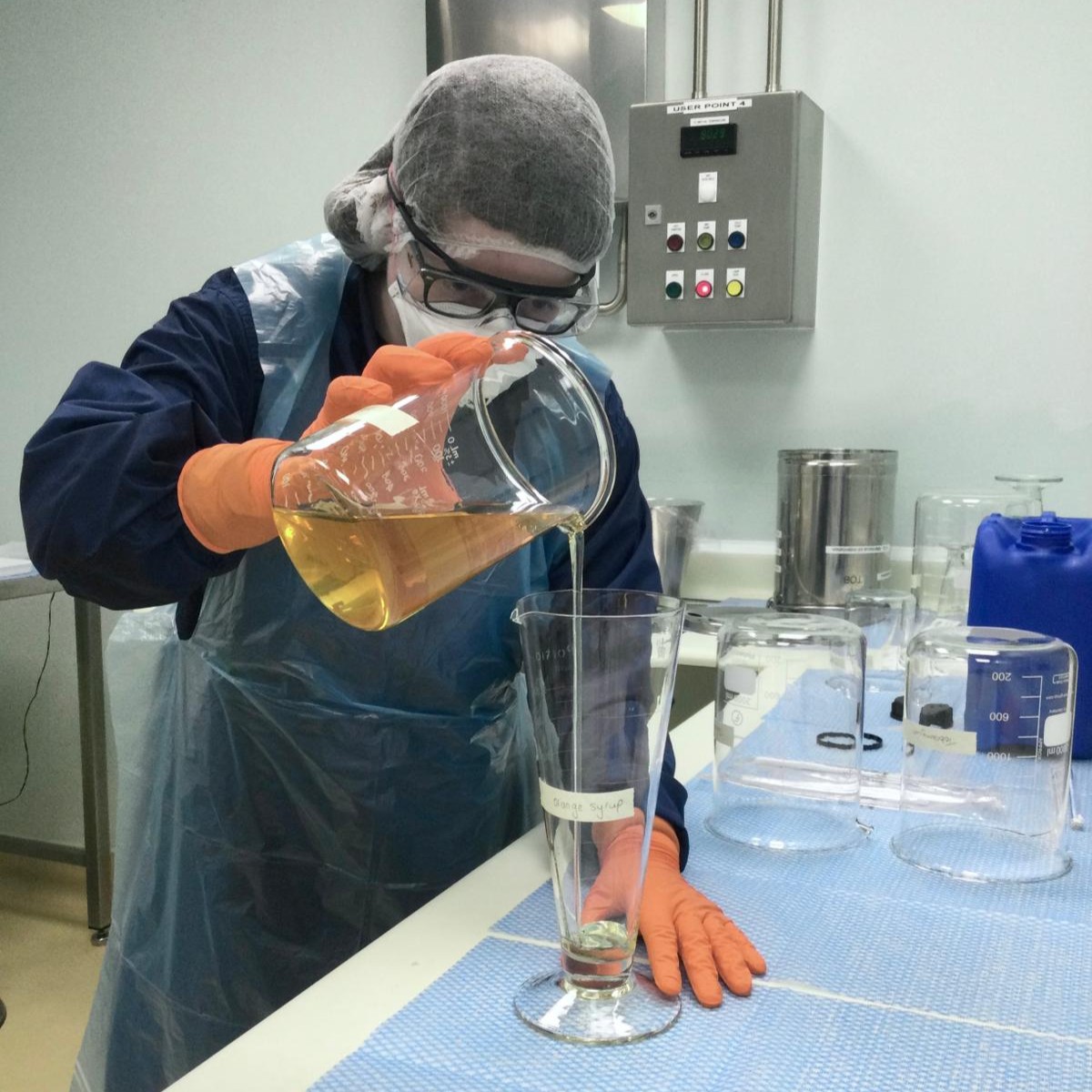
Louisa wearing an apron, facemask, safety goggles, and gloves, measuring out a liquid in the lab.

The type of work a Research and Development Technician will do

  • Help prepare and set up tools and equipment safely
  • Carry out tests on parts, systems and prototypes
  • Record results and check quality against designs
  • Work with engineers to solve problems found during testing
  • Read and follow drawings, plans and technical information
  • Use workshop and lab equipment such as measurement tools or 3D printers
Useful skills
Problem solving
Useful skills
Attention to detail
Useful skills
Logical thinking
Useful skills
Practical application
£ 0 1 2 3 4 5 6 7 8 9 0 1 2 3 4 5 6 7 8 9 , 0 1 2 3 4 5 6 7 8 9 0 1 2 3 4 5 6 7 8 9 0 1 2 3 4 5 6 7 8 9
Average salary per year *
£ 0 1 2 3 4 5 6 7 8 9 , 0 1 2 3 4 5 6 7 8 9 0 1 2 3 4 5 6 7 8 9 0 1 2 3 4 5 6 7 8 9
Average salary per month *

Data powered by LMI for all
*according to ONS

Future career opportunities for a Research and Development Technician

Starting as a Research and Development Technician can lead to roles such as product development technician, design technician or specialist technical roles. With experience and further training, you could move into higher technical jobs or work towards becoming an engineer.

How to become a Research and Development Technician

There’s no perfect career path or ideal way into your dream job.

But if you’re interested in education and training options that could be relevant to this role, you might want to consider:

Options available after GCSEs:

  • A T-level in Engineering, manufacturing, processing and control​
  • An apprenticeship as an Engineering Technician

Schools and colleges each have their own career guidance plan and can provide detailed information, advice, and guidance on options and next steps.

A little more about the role

Exciting features...

This role combines hands-on practical work with creative thinking. You might help build and test new ideas, work with prototypes or use digital tools to check how things fit and function. You will work alongside engineers in industries such as manufacturing, automotive or aerospace, helping test and improve products people use every day. There is always something new to learn and improve, making the job varied and interesting.

Other job titles...

You might also see this role listed under different job titles, including:

Engineering Technician
Product Design and Development Technician
Prototype Technician
Laboratory Technician
Technical Support Technician

How an Environmental Technician makes a difference

Making sure we take care of the environment is something we all think about today. But did you know, environmental laws were first introduced in the UK over 150 years ago, through the Public Health Act 1848? This Act put controls on our sewers, water supply, and street cleaning, and environmental law has expanded ever since to address air quality, waste, and environmental protection.

Today, many different devices and equipment are used to help prevent, control and address environmental problems. These all need to be operated and have data collected from them, to ensure the right environmental standards are achieved. You could be the technician who helps to analyse data and drive higher standards of environmental performance.

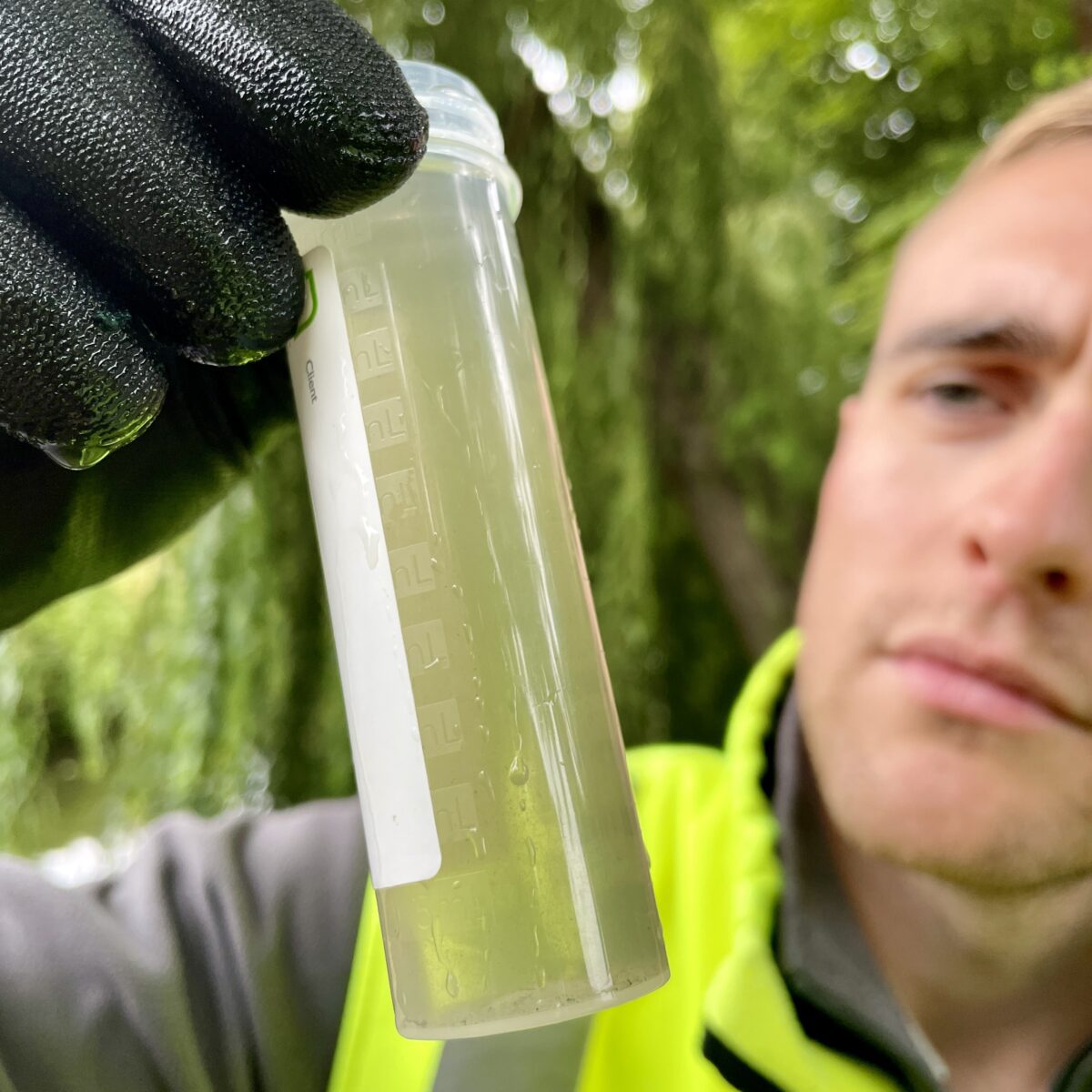
A technician wearing gloves and a hi vis jacket inspects a test tube of water.

The type of work an Environmental Technician will do

  • Carrying out environmental tests at an outside location or in a laboratory
  • Collecting and analysing pollution samples
  • Recording test data, collecting photographs and making visual observations
  • Using scientific and data analytics software to analyse test results
  • Producing environmental assessment reports with charts, graphs and sketches
  • Presenting and sharing information with members of your team
  • Inspecting test equipment and making sure everything is operating correctly
Useful skills
Attention to detail
Useful skills
Precise
Useful skills
Technologically minded
Useful skills
Instructing others
Useful skills
Problem solving

What you can bring to the Environmental Technician role

  • A passion for helping to improve environmental practices
  • A willingness to spend some of your time working outside
  • A precise approach to your work and the recording of detailed information
  • The natural ability to focus, make sound judgements and accurate decisions
  • The ability to work well in a team, share information and instruct others effectively
  • A knack for learning new software and creating things on computers
  • This role could also be right for you if you have any of the following interests:
    • Science
    • Sustainability
    • Exploring problems and finding answers
£ 0 1 2 3 4 5 6 7 8 9 0 1 2 3 4 5 6 7 8 9 , 0 1 2 3 4 5 6 7 8 9 0 1 2 3 4 5 6 7 8 9 0 1 2 3 4 5 6 7 8 9
Average salary per year *
£ 0 1 2 3 4 5 6 7 8 9 , 0 1 2 3 4 5 6 7 8 9 0 1 2 3 4 5 6 7 8 9 0 1 2 3 4 5 6 7 8 9
Average salary per month *

Data powered by LMI for all
*according to ONS

Future career opportunities for an Environmental Technician

Early on in your career you may specialise in one area of environmental management, focussing for example on air, waste, or water. You could work for a consultancy that provides environmental services or for a local government organisation.

With experience, you could progress to becoming a team leader, overseeing the operation of equipment and data collection. Or you could progress to being an environmental inspector, making sure organisations meet the right environmental standards.

How to become an Environmental Technician

There’s no perfect career path or ideal way into your dream job.

But if you’re interested in education and training options that could be relevant to this role, you might want to consider:

Options available after GCSEs:

More options available after that:

  • An apprenticeship as a Assistant Ecologist.

Schools and colleges each have their own career guidance plan and can provide detailed information, advice, and guidance on options and next steps.

A little more about the role

Exciting features...

Scientific understanding of the impacts of pollution, buildings, and human activity, continues to grow, making this an exciting field of work to be part of. You could be involved in air quality control monitoring, assessing smoke, dust, and odour pollution, evaluating land contamination, as well as undertaking emergency pollution incident investigations.

Other job titles...

This role can also be known by some other job titles including:

Environmental engineering technician
Environmental engineering technologist
Environmental engineering assistant
Air quality instrument specialists

How a University Technician makes a difference

Most universities have laboratories where important research programmes are carried out and where students studying a range of science and engineering subjects learn experimentation techniques.

Laboratories and the equipment in them need to be properly supplied and managed, and students and researchers need support with their projects and experiments. You could be the technician who carries out research processes and helps students and colleagues to make scientific discoveries.

The type of work a University Technician will do

  • Carrying out repeat experiments
  • Data capture and record keeping
  • Checking findings against standards, highlighting any differences
  • Evaluating data
  • Formulating and reporting evidence
  • Collaborating with the lab team and university teachers
  • Helping students plan and carry out their scientific work
Useful skills
Attention to detail
Useful skills
Problem solving
£ 0 1 2 3 4 5 6 7 8 9 0 1 2 3 4 5 6 7 8 9 , 0 1 2 3 4 5 6 7 8 9 0 1 2 3 4 5 6 7 8 9 0 1 2 3 4 5 6 7 8 9
Average salary per year *
£ 0 1 2 3 4 5 6 7 8 9 , 0 1 2 3 4 5 6 7 8 9 0 1 2 3 4 5 6 7 8 9 0 1 2 3 4 5 6 7 8 9
Average salary per month *

Data powered by LMI for all
*according to ONS

Future career opportunities for a University Technician

Your technician role will give you skills that are transferrable to many kinds of laboratories, so you could decide to work in several different sectors.

Over time, you will have the experience to manage a team and could become a lab manager.

How to become a University Technician

There’s no perfect career path or ideal way into your dream job.

But if you’re interested in education and training options that could be relevant to this role, you might want to consider:

Options available after GCSEs:

  • A T-level in Science.
  • An apprenticeship as a Laboratory Technician.

Schools and colleges each have their own career guidance plan and can provide detailed information, advice, and guidance on options and next steps.

A little more about the role

Exciting features...

As well as being involved in research and working with scientists on research programmes, you will play an important role helping students to become immersed in their scientific studies. You will also enable them to operate in the laboratory safely and efficiently and achieve their scientific goals.

Other job titles...

This role can also be known by some other job titles including:

Analytical Support Chemist
Technical Support Scientist
Microbiology Support Scientist
Process Development Technologist
Laboratory Assistant
Senior Laboratory Technician
Assistant Scientist
Technical Specialist (Scientist)
Quality Control Laboratory Assistant
Laboratory Co-ordinator
Technical Laboratory Assistant
Laboratory Analyst
Laboratory Research Assistant

How a Space Engineering Technician makes a difference

Space manufacturing includes the design and production of satellites, as well as the components and subsystems that are used within them. This area of manufacturing is growing in the UK and more specialist engineers are needed to work in UK spaceports, new satellite launch sites and testing facilities.

As a space engineering technician, you’ll be involved in the development, manufacture, assembly, integration, and testing of complex, high-value space hardware and ground-based equipment. Every component helps to enable important things like in-space power generation, altitude control, rocket propulsion, and space communication. You could be the technician who helps space exploration to happen without a hitch and communications to be maintained.

The type of work a Space Engineering Technician will do

  • Build and test precision components
  • Plan and carry out component assembly
  • Inspect components and find the source of any faults
  • Carry out integration and testing activity
  • Operate equipment and analysis tools
  • Complete documentation for each stage of activity
  • Present test results
  • Find ways to improve processes and procedures
Useful skills
Critical thinking
Useful skills
Decisive
Useful skills
Instructing others
Useful skills
Precise
Useful skills
Technologically minded
£ 0 1 2 3 4 5 6 7 8 9 0 1 2 3 4 5 6 7 8 9 , 0 1 2 3 4 5 6 7 8 9 0 1 2 3 4 5 6 7 8 9 0 1 2 3 4 5 6 7 8 9
Average salary per year *
£ 0 1 2 3 4 5 6 7 8 9 , 0 1 2 3 4 5 6 7 8 9 0 1 2 3 4 5 6 7 8 9 0 1 2 3 4 5 6 7 8 9
Average salary per month *

Data powered by LMI for all
*according to ONS

Future career opportunities for a Space Engineering Technician

Once you’ve built your knowledge about a range of components, you may decide to specialise in a particular kind, or focus your career on the research and development of new components.

Senior space engineering roles include responsibility for managing and training other people, project management, and liaising with international space partners.

How to become a Space Engineering Technician

There’s no perfect career path or ideal way into your dream job.

But if you’re interested in education and training options that could be relevant to this role, you might want to consider:

Options available after GCSEs:

More options available after that:

  • A Higher Technical Qualification such as a Higher National Certificate in Space Technologies for England.
  • An apprenticeship as a Space Engineering Technician.

Schools and colleges each have their own career guidance plan and can provide detailed information, advice, and guidance on options and next steps.

A little more about the role

Exciting features...

You will contribute to inspection and testing activities for mission-critical satellites and support the integration of technology at space centres and launch sites in other countries. Your range of customers will include space agencies and satellite operators and you will interact with international organisations responsible for space technology standardisation and quality.

Other job titles...

This role can also be known by some other job titles including:

Advanced Manufacturing Technician
Assembly
Control and Instrumentation Engineering Technician
Electrical Engineering Technician
Integration and Test Technician
Materials and Chemical Engineering Technician
Quality and Product Assurance Technician
Satellite Manufacturing
Spacecraft Mechanical Engineering Technician
Spacecraft Propulsion Engineering Technician

How a Science Manufacturing Technician makes a difference

All manufacturing processes today are very precisely configured to ensure products are made accurately and as efficiently as possible. In industries such as pharmaceuticals, biotechnology, and chemicals, maintaining accuracy ensures the quality, effectiveness, and safety of products, while efficiency ensures the timeliness and cost effectiveness of delivery.

A science manufacturing technician monitors the manufacturing process, collecting data from different stages to establish where efficiencies can be gained, errors have happened, and problems have been overlooked. You could be the technician who helps to control production, to monitor quality and efficiency, and to help make sure final products are safe.

The type of work a Science Manufacturing Technician will do

  • Setting up manufacturing processes and collecting performance data from different stages
  • Following quality procedures set by the law and your workplace
  • Monitoring processing equipment
  • Highlighting abnormal activity or conditions
  • Collaborating with different specialisms in the manufacturing team to understand why problems have occurred
  • Findings ways to solve problems
  • Developing ways to improve all areas of the manufacturing process
Useful skills
Communicating complex ideas
Useful skills
Precise
Useful skills
Technologically minded
£ 0 1 2 3 4 5 6 7 8 9 0 1 2 3 4 5 6 7 8 9 , 0 1 2 3 4 5 6 7 8 9 0 1 2 3 4 5 6 7 8 9 0 1 2 3 4 5 6 7 8 9
Average salary per year *
£ 0 1 2 3 4 5 6 7 8 9 , 0 1 2 3 4 5 6 7 8 9 0 1 2 3 4 5 6 7 8 9 0 1 2 3 4 5 6 7 8 9
Average salary per month *

Data powered by LMI for all
*according to ONS

Future career opportunities for a Science Manufacturing Technician

As your experience grows, you will take on more responsibility for data analysis as well as data capture, and could become a senior manager leading a team of technicians.

Your specialist knowledge in developing efficiencies and continuous improvements in manufacturing, could lead you to working in a consultancy, advising a range of companies on how to achieve high standards in manufacturing.

How to become a Science Manufacturing Technician

There’s no perfect career path or ideal way into your dream job.

But if you’re interested in education and training options that could be relevant to this role, you might want to consider:

Options available after GCSEs:

Schools and colleges each have their own career guidance plan and can provide detailed information, advice, and guidance on options and next steps.

A little more about the role

Exciting features...

You will work with specialist systems and equipment to capture data in a range of different conditions, including on the production line. Many sectors have laws that control how things are made and you will share responsibility for making sure the right standards are maintained.

Other job titles...

This role can also be known by some other job titles including:

Chemical Plan Process Workers
Polymer Technician
Pharmaceutical Technician
Chemical Engineering Technician

How a Metrology Technician makes a difference

Metrology is the science of measurement. It covers the theoretical side and practical applications, including collecting the measurements that enable goods and utilities to be sold. 

£600 billion worth of goods and utilities are sold in the UK every year, based on the measurement of their quantity and quality. You could be the technician who helps people understand the value of what’s being sold.

The type of work a Metrology Technician will do

  • Using measuring instruments and equipment
  • Calibrating machines and tools
  • Assessing quality and value based on measurements
  • Working independently on measurement projects
  • Collaborating with teams on new items to be measured
  • Using software to collect and analyse measurement data
Useful skills
Attention to detail
Useful skills
Instructing others
Useful skills
Logical thinking
Useful skills
Communicating complex ideas
£ 0 1 2 3 4 5 6 7 8 9 0 1 2 3 4 5 6 7 8 9 , 0 1 2 3 4 5 6 7 8 9 0 1 2 3 4 5 6 7 8 9 0 1 2 3 4 5 6 7 8 9
Average salary per year *
£ 0 1 2 3 4 5 6 7 8 9 , 0 1 2 3 4 5 6 7 8 9 0 1 2 3 4 5 6 7 8 9 0 1 2 3 4 5 6 7 8 9
Average salary per month *

Data powered by LMI for all
*according to ONS

Future career opportunities for a Metrology Technician

You can use your skills to work in many different industries, from environment, energy and aerospace to transport, construction and healthcare. 

With experience, you can move into a team management role, specialise in a particular area of measurement, or work in science and research.

How to become a Metrology Technician

There’s no perfect career path or ideal way into your dream job.

But if you’re interested in education and training options that could be relevant to this role, you might want to consider:

Options available after GCSEs:

  • A T-level in Science.
  • An apprenticeship as a Metrology Technician.

More options available after that:

  • An apprenticeship as a Senior Metrology Technician.

Schools and colleges each have their own career guidance plan and can provide detailed information, advice, and guidance on options and next steps.

A little more about the role

Exciting features...

Metrology takes place across diverse industries including advanced manufacturing, aerospace, automotive, construction, energy, environment, pharmaceuticals and healthcare and within all sizes of organisation. You could be measuring galaxies, molecules, chemical pollutants, hip joints, aircraft or industrial emissions.

Other job titles...

This role can also be known by some other job titles including:

Measurement Scientist

How a Research Laboratory Technician makes a difference

Laboratory research is involved in many different sectors and products, including health, pharmaceuticals, beauty, medical treatments, industrial chemicals and cleaning products, as well as the food and drinks we consume. The range is huge.

Sometimes the research is focused on developing new features. Alternatively it could concentrate on testing whether products and treatments are safe, reliable and do what they say they’re going to do. You could be the technician that helps to create important products and treatments and proves that they work.

Useful skills
Problem solving
Useful skills
Precise
Useful skills
Critical thinking

The type of work a Research Laboratory Technician will do

  • Carrying out repeat experiments
  • Data capture and record keeping
  • Checking findings against standards, highlighting any differences
  • Evaluating data
  • Formulating and reporting evidence
  • Collaborating with the lab team
£ 0 1 2 3 4 5 6 7 8 9 0 1 2 3 4 5 6 7 8 9 , 0 1 2 3 4 5 6 7 8 9 0 1 2 3 4 5 6 7 8 9 0 1 2 3 4 5 6 7 8 9
Average salary per year *
£ 0 1 2 3 4 5 6 7 8 9 , 0 1 2 3 4 5 6 7 8 9 0 1 2 3 4 5 6 7 8 9 0 1 2 3 4 5 6 7 8 9
Average salary per month *

Data powered by LMI for all
*according to ONS

Future career opportunities for a Research Laboratory Technician

Your technician role will give you skills that are transferrable to many kinds of laboratories, so you could decide to work in several different sectors.

Over time, you’ll have the experience to manage a team and could become a Lab Manager.

How to become a Research Laboratory Technician

There’s no perfect career path or ideal way into your dream job. But if you're interested in education and training options that could be relevant to this role, you might want to consider:  

But if you’re interested in education and training options that could be relevant to this role, you might want to consider:

Options available after GCSEs:

  • A T-level in Science.
  • An apprenticeship as a Laboratory Technician.

Schools and colleges each have their own career guidance plan and can provide detailed information, advice, and guidance on options and next steps.

A little more about the role

Exciting features...

You’ll use established scientific processes and experiments to assess the quality of items and to solve problems. You’ll also have the opportunity to propose new scientific ideas that could support your laboratory’s investigations.

Other job titles...

This role can also be known by some other job titles including:

Analytical Support Chemist
Technical Support Scientist
Microbiology Support Scientist
Process Development Technologist
Laboratory Assistant
Senior Laboratory Technician
Assistant Scientist
Technical Specialist (Scientist)
Quality Control Laboratory Assistant, 
Laboratory Co-ordinator
Technical Laboratory Assistant
Laboratory Analyst
Laboratory Research Assistant

How an Archaeological Technician makes a difference

Archaeologists discover all kinds of items that can tell us about how people lived and worked in the past. Tools can reveal the metals that were available and how things were built. Clothing can tell us about available materials and cultural traditions. Bones can tell us about people’s diets and health.

An archaeological dig is an intricate process that involves setting a grid, gently excavating soil and stones, and making a record of any changes to the soil as you dig down. Nowadays, it also involves a range of technology, including 3D scanners. Any finds are recorded and analysed to see what they reveal about the past. You could be the technician who finds a unique historical artefact that helps to piece together how our ancestors lived.

Useful skills
Attention to detail
Useful skills
Precise
Useful skills
Problem solving
Useful skills
Critical thinking
Useful skills
Communicating complex ideas
Useful skills
Technologically minded

The type of work an Archaeological Technician will do

  • Carrying out surveys
  • Participating in excavations
  • Recording discoveries
  • Completing post-excavation analysis
  • Producing publications
  • Labelling, bagging and cataloguing artefacts
  • Processing and sorting environmental samples
  • Archiving materials, records and digital data
£ 0 1 2 3 4 5 6 7 8 9 0 1 2 3 4 5 6 7 8 9 , 0 1 2 3 4 5 6 7 8 9 0 1 2 3 4 5 6 7 8 9 0 1 2 3 4 5 6 7 8 9
Average salary per year *
£ 0 1 2 3 4 5 6 7 8 9 , 0 1 2 3 4 5 6 7 8 9 0 1 2 3 4 5 6 7 8 9 0 1 2 3 4 5 6 7 8 9
Average salary per month *

Data powered by LMI for all
*according to ONS

Future career opportunities for an Archaeological Technician

Your career could begin in a wide range of organisations, including private companies that need to understand sites before building starts, or charities, museums or universities involved in archaeological research.

You may find you prefer lab research or decide that you want to spend most of your time on digs. You can apply for roles on digs taking place all over the world and could eventually lead a dig yourself.

How to become an Archaeological Technician

There’s no perfect career path or ideal way into your dream job. But if you're interested in education and training options that could be relevant to this role, you might want to consider:  

But if you’re interested in education and training options that could be relevant to this role, you might want to consider:

Options available after GCSEs:

Schools and colleges each have their own career guidance plan and can provide detailed information, advice, and guidance on options and next steps.

A little more about the role

Exciting features...

Your archaeological career could take you to many parts of the world, as well as all over the UK. You could be commissioned to excavate sites before permission is given to build on them, or you could even be interviewed for the news when an exciting new artefact is discovered. As well as working on a dig, you have the option of carrying out lab work, completing the analysis of important finds.

Other job titles...

This role can also be known by some other job titles including:

Archaeologist
Site Assistant
Archaeological Fieldwork Technician
Finds Processor
Finds Technician
Finds Assistant
Environmental Processor
Environmental Technician