Favourites

How a Retrofit Technician makes a difference

Retrofit Technicians help to fight climate change in the UK by cutting energy waste and reducing carbon emissions at home and work.

They help people save money on energy bills, keep homes warmer and help the country meet net-zero targets by improving how buildings use energy. This work supports healthier, more comfortable spaces and a greener future while supporting growth in construction and sustainable technology.

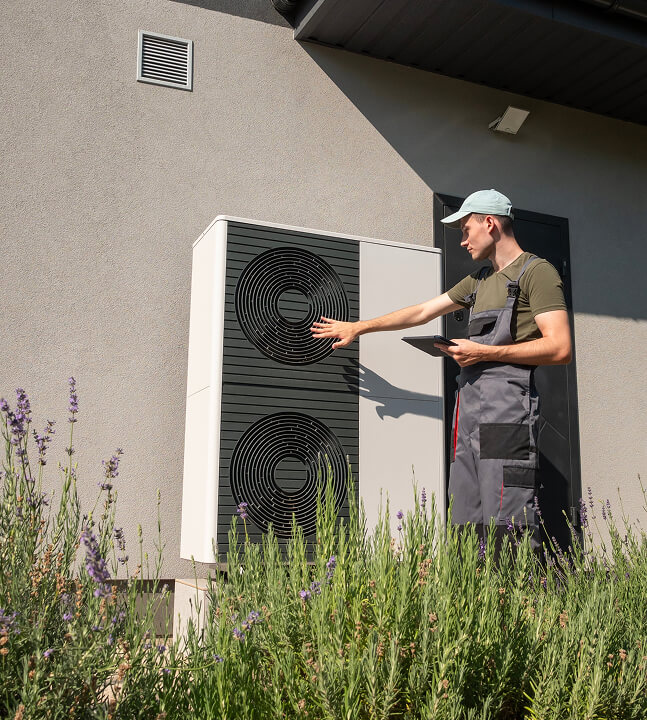
A man holding a tablet in one hand and reaching out to an external fan unit on the outside of a building.

The type of work a Retrofit Technician will do

  • Help install low-carbon heating like heat pumps and solar thermal systems
  • Fit insulation in walls, roofs and floors to stop heat escaping
  • Install energy-saving systems in buildings
  • Carry out measurements and support retrofit plans for a building
  • Use tools and equipment safely on site
  • Check systems are working correctly after installation
Useful skills
Problem solving
Useful skills
Technologically minded
Useful skills
Precise
Useful skills
Practical application
Useful skills
Logical thinking
£ 0 1 2 3 4 5 6 7 8 9 0 1 2 3 4 5 6 7 8 9 , 0 1 2 3 4 5 6 7 8 9 0 1 2 3 4 5 6 7 8 9 0 1 2 3 4 5 6 7 8 9
Average salary per year *
£ 0 1 2 3 4 5 6 7 8 9 , 0 1 2 3 4 5 6 7 8 9 0 1 2 3 4 5 6 7 8 9 0 1 2 3 4 5 6 7 8 9
Average salary per month *

Data powered by LMI for all
*according to ONS

Future career opportunities for a Retrofit Technician

Starting as a Retrofit Technician can lead to specialist jobs like Retrofit Coordinator or Domestic Energy Assessor, where you design and check retrofit plans. With more training, you could become a supervisor, trainer or even set up your own green retrofit business helping more homes improve their energy efficiency.

How to become a Retrofit Technician

There’s no perfect career path or ideal way into your dream job.

But if you’re interested in education and training options that could be relevant to this role, you might want to consider:

Options available after GCSEs:

  • A T-level in Building Services Engineering for Construction
  • An apprenticeship as a Low Carbon Heating Technician
  • An apprenticeship as an Insulation Technician

Schools and colleges each have their own career guidance plan and can provide detailed information, advice, and guidance on options and next steps.

A little more about the role

Exciting features...

Retrofit Technicians work on cutting-edge green technologies that help tackle climate change and make buildings greener. You’ll use tools and tech to install things like insulation, heat pumps and solar-thermal systems that help homes stay warm using less energy. Every day is different because each building has its own challenges and you’ll get to learn new skills on the job. You also work outdoors, meet lots of people, and can see the difference you make straight away when homes become more comfortable and cheaper to run.

Other job titles...

You might also see this role listed under different job titles, including:

Heat pump installer
Insulation installer
Renewable heating technician
Retrofit installer
Energy efficiency technician

How a HVAC Technician makes a difference

HVAC stands for heating, ventilation and air conditioning. HVAC technicians help people stay warm in winter and cool in summer.

By keeping equipment running efficiently, and by replacing older systems, they also help to reduce energy use and lower carbon emissions. This role supports health, comfort and the environment, making homes, schools, and workplaces better for everyone.

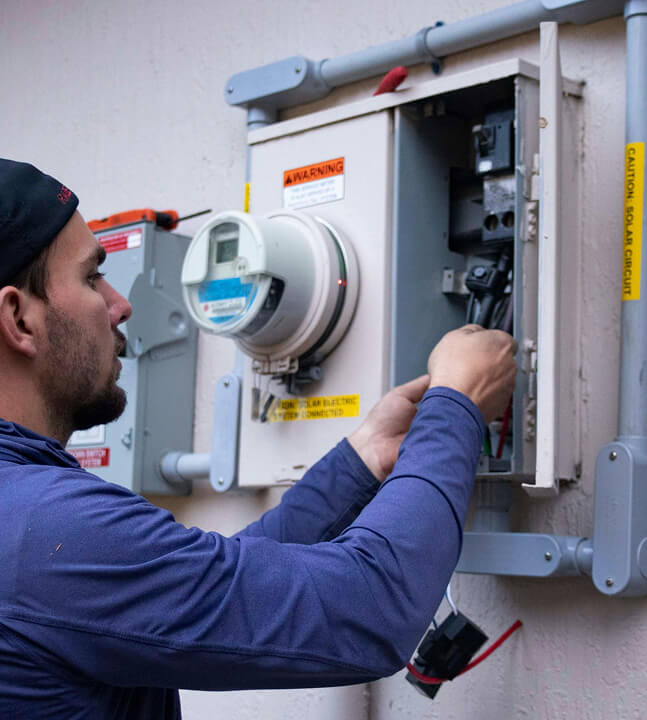
A man wearing blue, stood outside working with electrics.

The type of work a HVAC Technician will do

  • Install heating, ventilation and air conditioning systems
  • Carry out regular maintenance checks
  • Test systems to make sure they work safely
  • Diagnose and repair faults
  • Read and follow technical drawings and plans
  • Use tools to measure temperature, pressure and airflow
  • Replace worn or damaged parts
Useful skills
Logical thinking
Useful skills
Practical application
Useful skills
Precise
Useful skills
Problem solving
Useful skills
Technologically minded
£ 0 1 2 3 4 5 6 7 8 9 0 1 2 3 4 5 6 7 8 9 , 0 1 2 3 4 5 6 7 8 9 0 1 2 3 4 5 6 7 8 9 0 1 2 3 4 5 6 7 8 9
Average salary per year *
£ 0 1 2 3 4 5 6 7 8 9 , 0 1 2 3 4 5 6 7 8 9 0 1 2 3 4 5 6 7 8 9 0 1 2 3 4 5 6 7 8 9
Average salary per month *

Data powered by LMI for all
*according to ONS

Future career opportunities for a HVAC Technician

With experience, you could become a senior technician or supervisor. You might specialise in areas like refrigeration or energy-efficient systems (like heat pumps).

There are opportunities to move into design, project management or start your own business. You could also train others, or work on large-scale commercial or industrial projects.

How to become a HVAC Technician

There’s no perfect career path or ideal way into your dream job.

But if you’re interested in education and training options that could be relevant to this role, you might want to consider:

Options available after GCSEs:

  • A T-level in Building Services Engineering for Construction
  • An apprenticeship as a Refrigeration air conditioning and heat pump engineering technician

Schools and colleges each have their own career guidance plan and can provide detailed information, advice, and guidance on options and next steps.

A little more about the role

Exciting features...

This role is varied. You might work in homes one day and large office buildings the next. Technology is always improving, so you will keep learning new skills, especially around greener energy systems. You get to solve real problems and see the results of your work straight away.

Other job titles...

This role can also be known by some other job titles including:

Air conditioning engineer
Refrigeration engineer
HVAC engineer
Building services technician
Cooling systems installer
Maintenance engineer

How an Aquaponics Technician makes a difference

Aquaponics technicians help grow food in a smart and sustainable way. Aquaponics mixes fish farming with plant growing, using the same water for both. The waste from the fish feeds the plants, and the plants help clean the water.

This helps save water, cut waste and produce fresh food locally. It can be used in farms, schools, greenhouses and even cities. By looking after the equipment, aquaponics technicians help the plants and fish stay healthy and balanced, helping to grow food for the future while supporting the environment.

Basket of green and red tomatoes

The type of work an Aquaponics Technician will do

  • Maintain and fix equipment, like pumps and filters
  • Test water quality for temperature, acidity and nutrients
  • Feed and care for fish, checking their health and behaviour regularly
  • Spot problems early and solve them when they arise
  • Look after plants and check their growth
  • Clean tanks, pipes and filters
  • Collect data and keep accurate records
Useful skills
Attention to detail
Useful skills
Critical thinking
Useful skills
Logical thinking
Useful skills
Practical application
Useful skills
Problem solving
£ 0 1 2 3 4 5 6 7 8 9 0 1 2 3 4 5 6 7 8 9 , 0 1 2 3 4 5 6 7 8 9 0 1 2 3 4 5 6 7 8 9 0 1 2 3 4 5 6 7 8 9
Average salary per year *
£ 0 1 2 3 4 5 6 7 8 9 , 0 1 2 3 4 5 6 7 8 9 0 1 2 3 4 5 6 7 8 9 0 1 2 3 4 5 6 7 8 9
Average salary per month *

Data powered by LMI for all
*according to ONS

Future career opportunities for an Aquaponics Technician

With experience, you could become a senior aquaponics technician or system supervisor. Some people move into designing aquaponics systems or managing larger food growing sites. Others go on to study agriculture, environmental science or engineering. You could also work in education, helping schools and communities learn about sustainable food growing.

How to become an Aquaponics Technician

There’s no perfect career path or ideal way into your dream job.

But if you’re interested in education and training options that could be relevant to this role, you might want to consider:

Options available after GCSEs:

  • A T-level in Agriculture, Land Management and Production
  • An apprenticeship as a Livestock Unit Technician

More options available after that:

  • An apprenticeship as an Assistant Farm Manager

Schools and colleges each have their own career guidance plan and can provide detailed information, advice, and guidance on options and next steps.

A little more about the role

Exciting features...

You get to work with both fish and plants, indoors or outdoors, and see how they depend on each other. It feels rewarding to watch food grow from start to finish. Aquaponics uses less water than traditional farming and can work in small spaces, which makes it feel like you are part of the future of food. You get to use science in real life, not just in the classroom.

Other job titles...

You might also see this role listed under different job titles, including:

Aquaponics operative
Aquaculture technician
Controlled environment agriculture technician
Sustainable farming technician
Fish and plant systems technician

How an Environmental Technician makes a difference

Making sure we take care of the environment is something we all think about today. But did you know, environmental laws were first introduced in the UK over 150 years ago, through the Public Health Act 1848? This Act put controls on our sewers, water supply, and street cleaning, and environmental law has expanded ever since to address air quality, waste, and environmental protection.

Today, many different devices and equipment are used to help prevent, control and address environmental problems. These all need to be operated and have data collected from them, to ensure the right environmental standards are achieved. You could be the technician who helps to analyse data and drive higher standards of environmental performance.

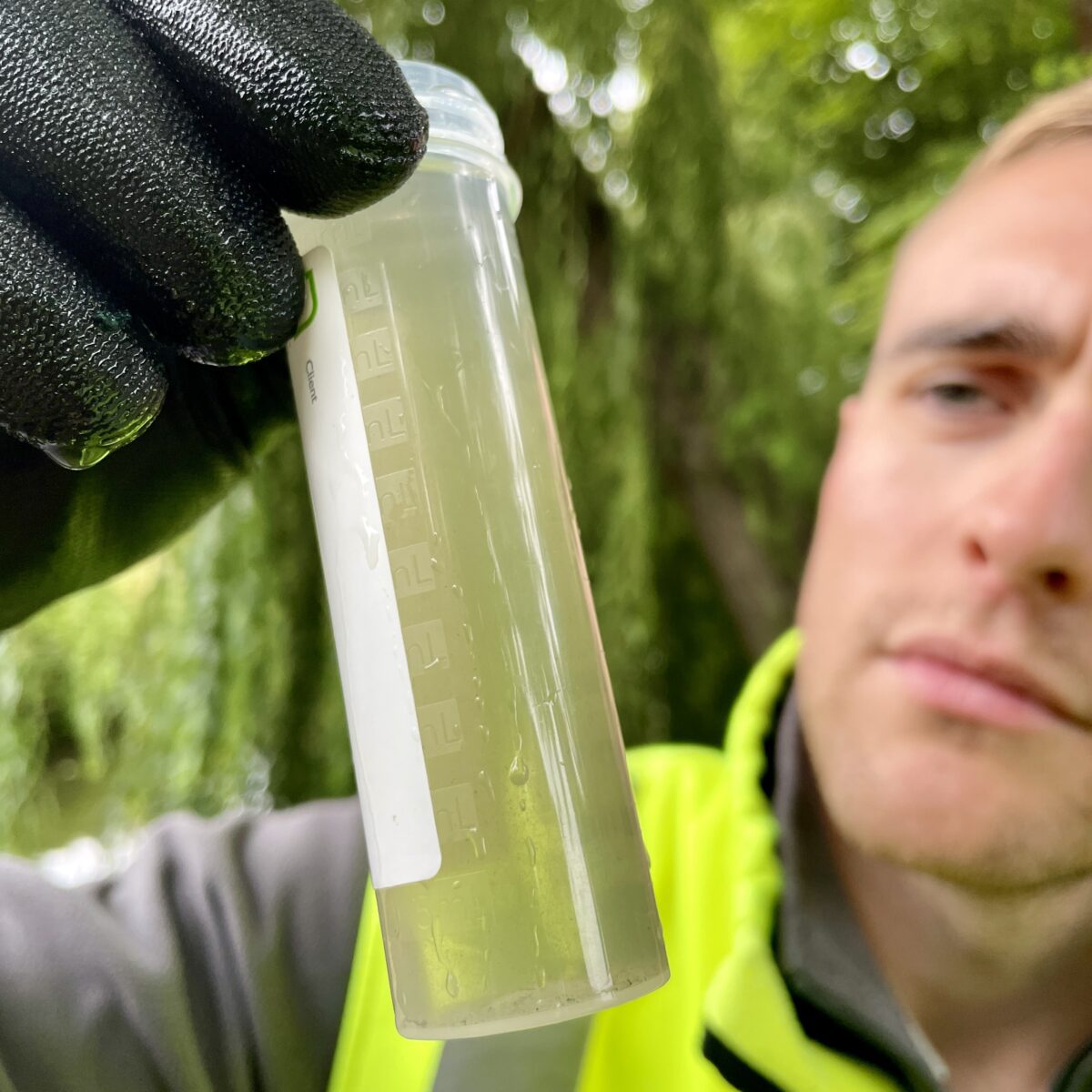
A technician wearing gloves and a hi vis jacket inspects a test tube of water.

The type of work an Environmental Technician will do

  • Carrying out environmental tests at an outside location or in a laboratory
  • Collecting and analysing pollution samples
  • Recording test data, collecting photographs and making visual observations
  • Using scientific and data analytics software to analyse test results
  • Producing environmental assessment reports with charts, graphs and sketches
  • Presenting and sharing information with members of your team
  • Inspecting test equipment and making sure everything is operating correctly
Useful skills
Attention to detail
Useful skills
Precise
Useful skills
Technologically minded
Useful skills
Instructing others
Useful skills
Problem solving

What you can bring to the Environmental Technician role

  • A passion for helping to improve environmental practices
  • A willingness to spend some of your time working outside
  • A precise approach to your work and the recording of detailed information
  • The natural ability to focus, make sound judgements and accurate decisions
  • The ability to work well in a team, share information and instruct others effectively
  • A knack for learning new software and creating things on computers
  • This role could also be right for you if you have any of the following interests:
    • Science
    • Sustainability
    • Exploring problems and finding answers
£ 0 1 2 3 4 5 6 7 8 9 0 1 2 3 4 5 6 7 8 9 , 0 1 2 3 4 5 6 7 8 9 0 1 2 3 4 5 6 7 8 9 0 1 2 3 4 5 6 7 8 9
Average salary per year *
£ 0 1 2 3 4 5 6 7 8 9 , 0 1 2 3 4 5 6 7 8 9 0 1 2 3 4 5 6 7 8 9 0 1 2 3 4 5 6 7 8 9
Average salary per month *

Data powered by LMI for all
*according to ONS

Future career opportunities for an Environmental Technician

Early on in your career you may specialise in one area of environmental management, focussing for example on air, waste, or water. You could work for a consultancy that provides environmental services or for a local government organisation.

With experience, you could progress to becoming a team leader, overseeing the operation of equipment and data collection. Or you could progress to being an environmental inspector, making sure organisations meet the right environmental standards.

How to become an Environmental Technician

There’s no perfect career path or ideal way into your dream job.

But if you’re interested in education and training options that could be relevant to this role, you might want to consider:

Options available after GCSEs:

More options available after that:

  • An apprenticeship as a Assistant Ecologist.

Schools and colleges each have their own career guidance plan and can provide detailed information, advice, and guidance on options and next steps.

A little more about the role

Exciting features...

Scientific understanding of the impacts of pollution, buildings, and human activity, continues to grow, making this an exciting field of work to be part of. You could be involved in air quality control monitoring, assessing smoke, dust, and odour pollution, evaluating land contamination, as well as undertaking emergency pollution incident investigations.

Other job titles...

This role can also be known by some other job titles including:

Environmental engineering technician
Environmental engineering technologist
Environmental engineering assistant
Air quality instrument specialists

How a Power Networks Technician makes a difference

The electricity we receive in our homes, schools, factories, shops and offices is transported to us through a vast network of high-voltage power cables, transformers and storage facilities. This network needs to be planned, managed and maintained, as more places need electricity and parts of the network get old.

The energy that creates the electricity comes from several different sources, including fossil fuel power stations and increasingly renewable sources of energy, including solar farms, and wind and wave turbines. You could be the technician who helps to connect the new, cleaner sources and contributes to greener energy supply.

A power network technician doing maintenance in an electrical substation.

The type of work a Power Networks Technician will do

  • Using electrical testing and measuring equipment
  • Following the correct procedures for completing checks
  • Maintaining key interconnecting points on the network
  • Stripping machinery down and putting it back together
  • Installing new equipment
  • Completing reports on the work carried out
  • Providing accurate and reliable data to support business decisions
Useful skills
Precise
Useful skills
Logical thinking
Useful skills
Instructing others
£ 0 1 2 3 4 5 6 7 8 9 0 1 2 3 4 5 6 7 8 9 , 0 1 2 3 4 5 6 7 8 9 0 1 2 3 4 5 6 7 8 9 0 1 2 3 4 5 6 7 8 9
Average salary per year *
£ 0 1 2 3 4 5 6 7 8 9 , 0 1 2 3 4 5 6 7 8 9 0 1 2 3 4 5 6 7 8 9 0 1 2 3 4 5 6 7 8 9
Average salary per month *

Data powered by LMI for all
*according to ONS

Future career opportunities for a Power Networks Technician

You will begin your career working in a team, learning how different parts of power networks connect and operate. With experience you may become a specialist in a particular area, with responsibility for training others.

You might choose to specialise in renewable energy because of your commitment to combatting climate change. Or you could become involved in the commissioning of new technologically-advanced kit that is more energy efficient and reliable.

How to become a Power Networks Technician

There’s no perfect career path or ideal way into your dream job. But if you're interested in education and training options that could be relevant to this role, you might want to consider:

But if you’re interested in education and training options that could be relevant to this role, you might want to consider:

Options available after GCSEs:

More options available after that:

  • An apprenticeship as a Junior Production Coordinator.
  • An apprenticeship as a Post Production Technical Operator.
  • An apprenticeship as a Post Production Engineer.

Schools and colleges each have their own career guidance plan and can provide detailed information, advice, and guidance on options and next steps.

A little more about the role

Exciting features...

The network that electricity travels across is known as the National Grid. If one part of it breaks down, the grid will continue to supply electricity from other power stations on the grid. Through the maintenance work you do, you’ll help to ensure people don’t lose their electricity supply. Or if extreme weather conditions mean electric power is down, you’ll be part of the team making sure it is supplied again quickly.

Other job titles...

This role can also be known by some other job titles including:

Substation Engineer
Asset Management Engineer
Planning Engineer
Design Engineer
Control Engineer
Electrical Project Engineer
Operational Delivery Manager

How a Building Services Technician makes a difference

Industrial, commercial and public buildings all have mechanical, electrical, and HVAC (heating, ventilation and air conditioning) systems, which are used to create safe, comfortable, and effective operating environments for people and products.

The role of a Building Services Technician is defining and managing where and how these systems are used, to ensure easy access and control, reliable performance, and high levels of energy efficiency. Design and operation decisions need to balance cost, comfort, safety, health and wellbeing. You could be the technician that helps to create positive working environments and to reduce energy consumption.

A heated towel rail in a bathroom.

The type of work a Building Services Technician will do

  • Designing and creating building systems technical information
  • Creating wiring and power plans
  • Designing and writing software for control systems to industry approved standards
  • Designing interfaces for the operation of different systems
  • Reviewing control panel drawings and specifications
  • Installing system control equipment and wiring systems
  • Carrying out a maintenance review of an installed control system
  • Working with a wide range of people including owners and operators of buildings, facilities management, and diverse businesses using office spaces and buildings
Useful skills
Attention to detail
Useful skills
Communicating complex ideas
Useful skills
Logical thinking
£ 0 1 2 3 4 5 6 7 8 9 0 1 2 3 4 5 6 7 8 9 , 0 1 2 3 4 5 6 7 8 9 0 1 2 3 4 5 6 7 8 9 0 1 2 3 4 5 6 7 8 9
Average salary per year *
£ 0 1 2 3 4 5 6 7 8 9 , 0 1 2 3 4 5 6 7 8 9 0 1 2 3 4 5 6 7 8 9 0 1 2 3 4 5 6 7 8 9
Average salary per month *

Data powered by LMI for all
*according to ONS

Future career opportunities for a Building Services Technician

With experience, you could lead a building system design team. This could be for an engineering consultancy, a national or international building firm, or in central and local government.

There are also career opportunities inside organisations that do their own construction work, such as major retailers, energy and water companies, and the NHS.

How to become a Building Services Technician

There’s no perfect career path or ideal way into your dream job.

But if you’re interested in education and training options that could be relevant to this role, you might want to consider:

Options available after GCSEs:

More options available after that:

  • A Higher Technical Qualification, such as a Higher National Certificate in Building Services Engineering for England.
  • An apprenticeship as a Building Energy Management Systems Control Engineer.

Schools and colleges each have their own career guidance plan and can provide detailed information, advice, and guidance on options and next steps.

A little more about the role

Exciting features...

As well as being involved in the design of building systems, you could also write related software, produce control system graphics, and be involved in the installation and maintenance of control systems. As technology evolves, more buildings are connecting and integrating electrical, mechanical, and security systems to create ‘Smart Buildings’. So you could get involved in analysing data and developing very energy efficient environments.

Other job titles...

This role can also be known by some other job titles including:

BEMS (Building Energy Management System) Engineer
BEMS Control Engineer

How a Bike Technician makes a difference

Ever since the London 2012 Summer Olympics, the UK cycling industry has been growing. There are more cycling clubs taking to the roads on the weekends, and more people are opting for cycling as a greener, healthier, and cheaper way to get to school or work. The pandemic also motivated more people to adopt cycling as a leisure activity.

With many more bikes being used, there are good opportunities for bike technicians. As well as supporting people with maintenance and repairs, bike technicians can also be involved in building specialist bikes from scratch. In addition, they play a role in encouraging more people to choose this greener way to get around. You could be the technician who ensures people have dependable bikes for their journeys, thereby helping to reduce carbon emissions.

The type of work a Bike Technician will do

  • Identifying problems with a bike
  • Estimating the cost of repairs and producing quotes
  • Carrying out bike services and safety checks
  • Carrying out repairs and maintenance tasks
  • Building a new bike to a customer’s specifications
  • Ordering parts and managing stock
  • Liaising with suppliers
  • Taking bookings and completing paperwork
  • Attending cycling events to provide repairs and technical support
Useful skills
Problem solving
Useful skills
Attention to detail
Useful skills
Instructing others
£ 0 1 2 3 4 5 6 7 8 9 0 1 2 3 4 5 6 7 8 9 , 0 1 2 3 4 5 6 7 8 9 0 1 2 3 4 5 6 7 8 9 0 1 2 3 4 5 6 7 8 9
Average salary per year *
£ 0 1 2 3 4 5 6 7 8 9 , 0 1 2 3 4 5 6 7 8 9 0 1 2 3 4 5 6 7 8 9 0 1 2 3 4 5 6 7 8 9
Average salary per month *

Data powered by LMI for all
*according to ONS

Future career opportunities for a Bike Technician

With experience you could progress to being head mechanic, responsible for leading a team. You could also decide to be self-employed and set up your own mobile bike mechanic business, or shop.

There are also large organisations, including British Cycling, who employ specialist mechanics to support British racing teams. Alternatively you could progress to working for a bike manufacturer.

How to become a Bike Technician

There’s no perfect career path or ideal way into your dream job.

But if you’re interested in education and training options that could be relevant to this role, you might want to consider:

Options available after GCSEs:

Schools and colleges each have their own career guidance plan and can provide detailed information, advice, and guidance on options and next steps.

A little more about the role

Exciting features...

The range of bikes available today is bigger than ever before. You could be involved in the maintenance and repairs of road, mountain, touring, folding, BMX, cruiser, and fixed gear bikes. The popularity of electric bikes is also growing, so you could grow your electronic as well as mechanical expertise.

Other job titles...

This role can also be known by some other job titles including:

Cycle Mechanic
Bicycle Technician

How a Battery Technician makes a difference

Improving the technology of all sorts of batteries has never been more important, with manufacturers, design companies and construction companies all searching for new ways to power their products, infrastructure and processes with clean and renewable energy.

Battery makers develop and test different battery types to see how effective they are at supporting what a customer’s product or process does. This includes finding out how long a battery lasts before it needs recharging. You could be the technician who develops energy efficient batteries to power electric vehicles, devices and machinery, helping to address climate change.

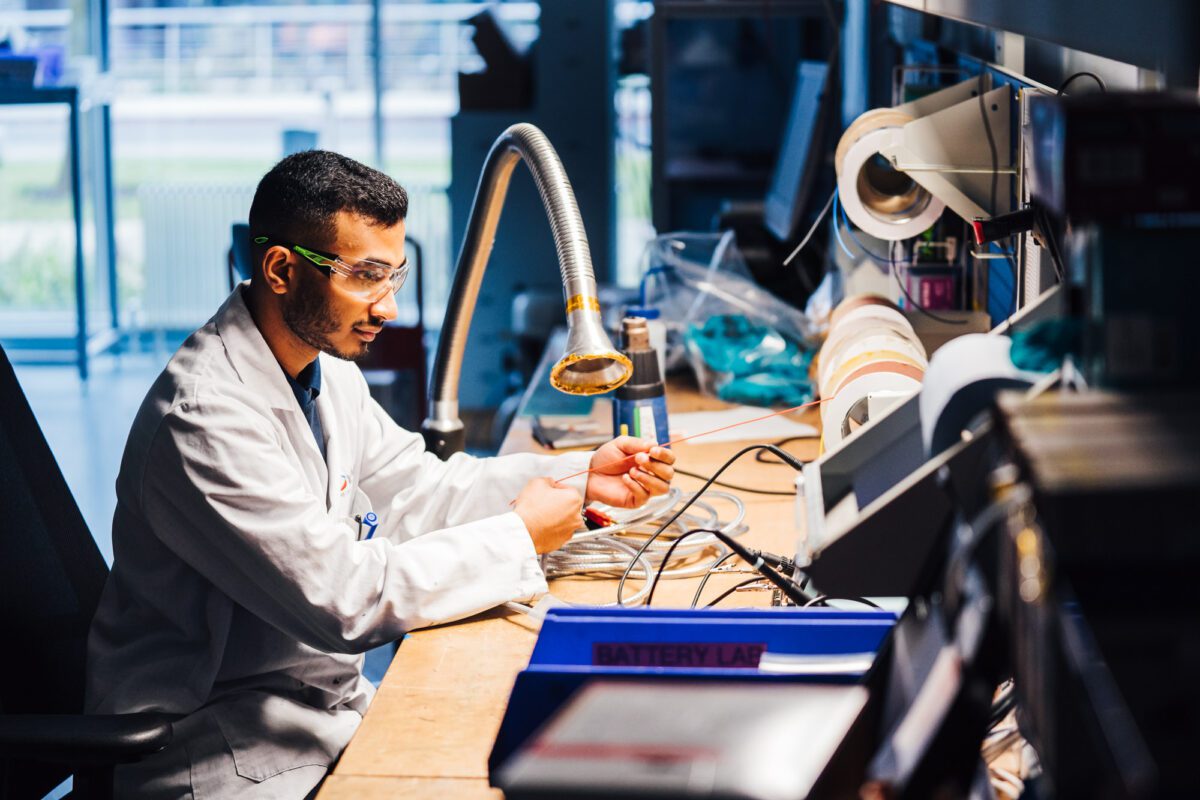
A male battery technician, wearing a lab coat and goggles, works at a desk covered with electrical equipment.

The type of work a Battery Technician will do

  • Listening to customers and understanding what they need batteries to do
  • Mixing the chemicals that are used in batteries
  • Testing batteries in climate chambers to see how they perform
  • Gathering information from research projects
  • Organising and analysing data
  • Supporting senior engineers with their tests and pilot programmes
  • Modifying battery products so they can be produced at scale
Useful skills
Logical thinking
Useful skills
Precise
Useful skills
Communicating complex ideas
Useful skills
Attention to detail
£ 0 1 2 3 4 5 6 7 8 9 0 1 2 3 4 5 6 7 8 9 , 0 1 2 3 4 5 6 7 8 9 0 1 2 3 4 5 6 7 8 9 0 1 2 3 4 5 6 7 8 9
Average salary per year *
£ 0 1 2 3 4 5 6 7 8 9 , 0 1 2 3 4 5 6 7 8 9 0 1 2 3 4 5 6 7 8 9 0 1 2 3 4 5 6 7 8 9
Average salary per month *

Data powered by LMI for all
*according to ONS

Future career opportunities for a Battery Technician

In the early stages of your career you will learn the different processes involved in battery making and progress through each of them as your skills develop.

With experience, you could become a team leader, running a process in a research or manufacturing plant. Alternatively you might develop your career into product design, creating things that use batteries.

How to become a Battery Technician

There’s no perfect career path or ideal way into your dream job.

But if you’re interested in education and training options that could be relevant to this role, you might want to consider:

Options available after GCSEs:

More options available after that:

  • An apprenticeship as an Engineering Manufacturing Technician.

Schools and colleges each have their own career guidance plan and can provide detailed information, advice, and guidance on options and next steps.

A little more about the role

Exciting features...

A Battery Technician is involved in the research and design phase of work which includes analysing alternative battery options and making refinements to meet the needs of each client. When a solution is agreed upon it progresses to a pilot testing phase and if this is successful the battery you’ve helped to develop will progress to full-scale manufacturing.

Other job titles...

This role can also be known by some other job titles including:

Battery Testing Characterisation Engineer
Mechanical Technician
Process Engineer
Quality Engineer
Test and Commissioning Engineer

How a Solar Energy Technician makes a difference

The owners of residential and commercial properties are looking for ways to be energy efficient and to reduce the cost of their energy bills. One option for them could be installing solar panels, which collect solar power and convert it into renewable energy.

Solar energy technicians are responsible for installing solar panels on roofs and structures on land, maintaining the panels, and ensuring wiring systems are safe and efficient. You could be the technician who helps homes and businesses to have independent, renewable energy resources that bring their costs of operation down and protect the planet in the process.

The type of work a Solar Energy Technician will do

  • Assessing locations to make sure they are suitable for solar panels
  • Measuring up areas for installation
  • Producing reports and designs of recommended solutions
  • Installing and maintaining solar panels
  • Making adjustments to building surfaces to make sure panels fit and are adequately supported
  • Connecting solar panels to an electrical system
  • Checking wiring
  • Interacting with customers
Useful skills
Problem solving
Useful skills
Technologically minded
Useful skills
Communicating complex ideas
Useful skills
Attention to detail
Useful skills
Logical thinking
£ 0 1 2 3 4 5 6 7 8 9 0 1 2 3 4 5 6 7 8 9 , 0 1 2 3 4 5 6 7 8 9 0 1 2 3 4 5 6 7 8 9 0 1 2 3 4 5 6 7 8 9
Average salary per year *
£ 0 1 2 3 4 5 6 7 8 9 , 0 1 2 3 4 5 6 7 8 9 0 1 2 3 4 5 6 7 8 9 0 1 2 3 4 5 6 7 8 9
Average salary per month *

Data powered by LMI for all
*according to ONS

Future career opportunities for a Solar Energy Technician

You could work in a specialist solar panel installation business that’s dedicated to either domestic or commercial installations. Once you’ve gained experience, you could lead a team of technicians and take on bigger projects.

There are also opportunities working in construction businesses that want to make new homes and commercial environments as energy efficient as possible. Alternatively, you might choose to be a freelance solar energy technician, offering your specialist skills to a range of different companies.

How to become a Solar Energy Technician

There’s no perfect career path or ideal way into your dream job.

But if you’re interested in education and training options that could be relevant to this role, you might want to consider:

Options available after GCSEs:

Schools and colleges each have their own career guidance plan and can provide detailed information, advice, and guidance on options and next steps.

A little more about the role

Exciting features...

If enough solar energy is collected, whole homes and businesses can operate independently without any energy coming from the national grid. As a solar energy technician, you’ll be helping them to have clean power every day of the year that is pollution free and causes no greenhouse gases to be emitted after installation.

Other job titles...

This role can also be known by some other job titles including:

Solar Panel Installer
Solar Panel Engineer

How a Wind Turbine Technician makes a difference

Wind turbines are becoming an increasingly common feature on land and at sea as we focus more on renewable energy sources to help combat climate change.

These tall machines reach up to 90 metres and need to be monitored and maintained to ensure they run as reliably and efficiently as possible, generating a reliable source of energy for businesses and homes. You could be the technician that supports a renewable energy supply and our ambition to be net zero carbon by 2050.

The type of work a Wind Turbine Technician will do

  • Install wind turbine towers on land or at sea
  • Fit electrical, mechanical, and hydraulic equipment
  • Test turbine blades and control systems
  • Climb towers to inspect them
  • Find faults and fix them
  • Carry out planned maintenance work
  • Run safety checks and keep records
Useful skills
Attention to detail
Useful skills
Problem solving
£ 0 1 2 3 4 5 6 7 8 9 0 1 2 3 4 5 6 7 8 9 , 0 1 2 3 4 5 6 7 8 9 0 1 2 3 4 5 6 7 8 9 0 1 2 3 4 5 6 7 8 9
Average salary per year *
£ 0 1 2 3 4 5 6 7 8 9 , 0 1 2 3 4 5 6 7 8 9 0 1 2 3 4 5 6 7 8 9 0 1 2 3 4 5 6 7 8 9
Average salary per month *

Data powered by LMI for all
*according to ONS

Future career opportunities for a Wind Turbine Technician

Experience in this role will enable you to diagnose and repair different parts of the turbines and work at greater heights.

Over time you could be leading a team, training others on the systems and technologies involved, or leading health and safety across a business. Your skills will be valued all over the world, enabling you to travel and work overseas.

How to become a Wind Turbine Technician

There’s no perfect career path or ideal way into your dream job.

But if you’re interested in education and training options that could be relevant to this role, you might want to consider:

Options available after GCSEs:

Schools and colleges each have their own career guidance plan and can provide detailed information, advice, and guidance on options and next steps.

A little more about the role

Exciting features...

You’ll be working at the forefront of a vital technology that is helping to solve one of the world’s biggest challenges – climate change. Whether you work on land or at sea, you’ll be required to complete complex tasks at great heights. You’ll be trained in the systems and tools required to monitor and repair the wind turbines and the equipment you need to keep you safe.

Other job titles...

This role can also be known by some other job titles including:

Wind Farm Technician