Favourites

How a Dental Nurse Technician makes a difference

Dental nurses play a big part in keeping people’s mouths healthy. They support dentists during treatments, which helps appointments run smoothly and safely.

They also look after patients, calming nervous people and explaining what is happening. By keeping tools clean and following strict hygiene rules, dental nurses help stop infections spreading. Their work means patients get the right care and feel more comfortable when visiting the dentist.

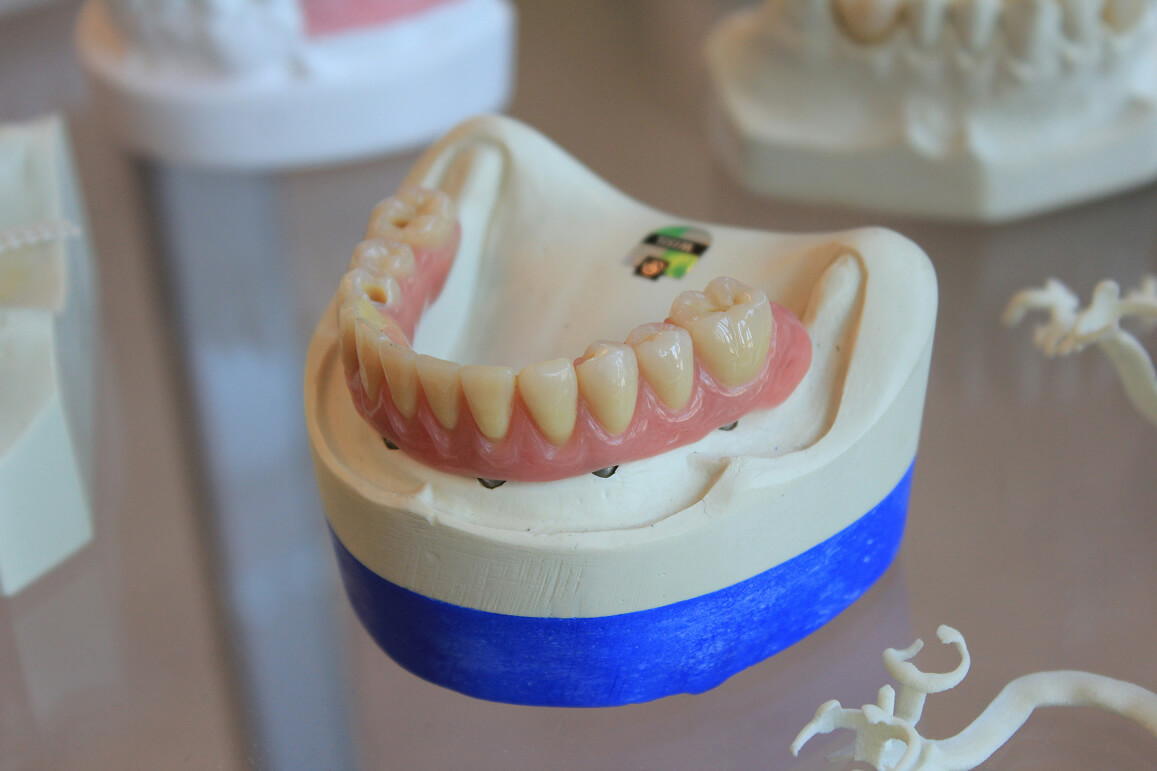
A pair of false teeth in a dental practice

The type of work a Dental Nurse Technician will do

  • Prepare the dental surgery
  • Clean and sterilise dental instruments
  • Keep patients’ records up to date
  • Make sure patients are comfortable and feel reassured
  • Help manage stock and order supplies
  • With training, take dental X-rays
Useful skills
Practical application
Useful skills
Attention to detail
Useful skills
Logical thinking
Useful skills
Precise
£ 0 1 2 3 4 5 6 7 8 9 0 1 2 3 4 5 6 7 8 9 , 0 1 2 3 4 5 6 7 8 9 0 1 2 3 4 5 6 7 8 9 0 1 2 3 4 5 6 7 8 9
Average salary per year *
£ 0 1 2 3 4 5 6 7 8 9 , 0 1 2 3 4 5 6 7 8 9 0 1 2 3 4 5 6 7 8 9 0 1 2 3 4 5 6 7 8 9
Average salary per month *

Data powered by LMI for all
*according to ONS

Future career opportunities for a Dental Nurse Technician

With experience and extra training, dental nurses can move into specialist roles. This includes orthodontic nursing, which focuses on braces, or oral health education, where you teach people how to care for their teeth. Some dental nurses train to become dental hygienists or dental therapists. Others move into teaching, practice management or further study in dental care.

How to become a Dental Nurse Technician

There’s no perfect career path or ideal way into your dream job.

But if you’re interested in education and training options that could be relevant to this role, you might want to consider:

Options available after GCSEs:

  • A T-level in Health
  • An apprenticeship as a Dental Nurse

Schools and colleges each have their own career guidance plan and can provide detailed information, advice, and guidance on options and next steps.

A little more about the role

Exciting features...

Dental nursing is a hands-on job where you learn practical skills and use specialist equipment every day. You’ll work closely with dentists and learn how lots of different treatments are done, from check-ups to braces and fillings. No two days are the same because every patient is different. You’ll help a wide variety of people which can be really rewarding.

Other job titles...

You might also see this role listed under different job titles, including:

Registered dental nurse
Dental surgery assistant
Dental assistant

How a Veterinary Nurse makes a difference

There are all kinds of animals that need veterinary care in this country. Not only the common domestic animals that many of us have as pets, such as dogs and cats, but also larger farm animals including cows, alpacas and sheep.

The animals each veterinary practice cares for depends on its location, but each one is responsible for delivering preventative treatments, as well as reactive care in response to accidents or illness. You could be the technician who supports animals receiving treatments and advises owners.

The type of work a Veterinary Nurse will do

  • Preparing and maintaining all areas of the veterinary practice
  • Preparing records, equipment and resources
  • Managing and performing infection control procedures
  • Supporting surgical procedures
  • Preparing specimens for transportation
  • Taking and processing radiographs
  • Engaging with owners and taking good care of their pets
Useful skills
Communicating complex ideas
Useful skills
Decisive
Useful skills
Precise

Data powered by LMI for all
*according to ONS

Future career opportunities for a Veterinary Nurse

Throughout your career you could work at different types of veterinary practices, choosing those that support the animals you’re interested in and wish to learn more about.

You could work within a veterinary group and move around to different practices, depending on where your skills are needed. Or you could progress to training others.

How to become a Veterinary Nurse

There’s no perfect career path or ideal way into your dream job.

But if you’re interested in education and training options that could be relevant to this role, you might want to consider:

Options available after GCSEs:

Schools and colleges each have their own career guidance plan and can provide detailed information, advice, and guidance on options and next steps.

A little more about the role

Exciting features...

You’ll play a significant role educating owners about maintaining the health of their pets and will be responsible for keeping them informed when medical procedures are taking place. You’ll also be involved in a range of diagnostic tests, medical treatments and minor surgical procedures, working under the direction of a vet.

How a Simulation Technician makes a difference

Simulations – creating a model or replica of how something works in real life – are great tools for teaching people. The NHS uses them to help people learn, rehearse, and perfect patient care.

There are different forms of simulations, including IT equipment, audio visual equipment, models of the human body, and other mechanical and electronic devices. You could be the technician who makes these simulations as real as possible, helping train NHS staff to carry out healthcare tasks to the required standard.

The type of work a Simulation Technician will do

  • Working with medical specialists to understand the training required
  • Understanding different specialisms in a hospital
  • Developing effective simulations
  • Setting up scenarios for staff training
  • Participating in simulation sessions and courses
  • Organising and maintaining equipment
  • Pretending to be the patient
Useful skills
Attention to detail
Useful skills
Logical thinking
Useful skills
Technologically minded
Useful skills
Instructing others
Useful skills
Precise
£ 0 1 2 3 4 5 6 7 8 9 0 1 2 3 4 5 6 7 8 9 , 0 1 2 3 4 5 6 7 8 9 0 1 2 3 4 5 6 7 8 9 0 1 2 3 4 5 6 7 8 9
Average salary per year *
£ 0 1 2 3 4 5 6 7 8 9 , 0 1 2 3 4 5 6 7 8 9 0 1 2 3 4 5 6 7 8 9 0 1 2 3 4 5 6 7 8 9
Average salary per month *

Data powered by LMI for all
*according to ONS

Future career opportunities for a Simulation Technician

NHS simulation departments are busy environments that will present you with interesting challenges.

Initially you’ll support senior colleagues then, with experience, will have the opportunity to become a supervisor yourself.

How to become a Simulation Technician

There’s no perfect career path or ideal way into your dream job.

But if you’re interested in education and training options that could be relevant to this role, you might want to consider:

Options available after GCSEs:

  • A T-level in Science.
  • A T-level in Health.
  • An apprenticeship as an Education technician (Simulation-based).

Schools and colleges each have their own career guidance plan and can provide detailed information, advice, and guidance on options and next steps.

A little more about the role

Exciting features...

You’ll work in a team with a range of specialists, developing a mix of skills for the different simulations you produce. Some will be simple simulations while others will be highly complex, requiring great thought and ingenuity to determine how you can best mirror reality.

How a Prosthetic and Orthotic Technician makes a difference

Prosthetics is the clinical term used for making artificial limbs (prostheses). Orthotics is the clinical term used for making a range of devices (orthoses), everything from technical footwear to back braces.

Working in these areas involves developing an understanding of the different conditions people have that can lead to them needing an artificial limb or device.

Specifications are provided to make sure each item fits comfortably and functions properly, enabling people to do what they want to do. You could be the technician who gives children and adults freedom of movement and their independence again.

The type of work a Prosthetic and Orthotic Technician will do

  • Interacting with clinical staff, patients and families
  • Understanding requirements and following specifications
  • Taking measurements and producing moulds
  • Planning out designs and making limbs and devices
  • Fitting and fixing limbs and devices
  • Providing advice on technical solutions
  • Using computers to support customised manufacture and fitting
Useful skills
Attention to detail
Useful skills
Logical thinking
£ 0 1 2 3 4 5 6 7 8 9 0 1 2 3 4 5 6 7 8 9 , 0 1 2 3 4 5 6 7 8 9 0 1 2 3 4 5 6 7 8 9 0 1 2 3 4 5 6 7 8 9
Average salary per year *
£ 0 1 2 3 4 5 6 7 8 9 , 0 1 2 3 4 5 6 7 8 9 0 1 2 3 4 5 6 7 8 9 0 1 2 3 4 5 6 7 8 9
Average salary per month *

Data powered by LMI for all
*according to ONS

Future career opportunities for a Prosthetic and Orthotic Technician

You could work in a team in the NHS, supporting clinicians and meeting with patients. You could also develop your skills working for a private manufacturing company.

Some companies work with patients directly, developing specialised devices. With experience you could lead a design team, working for the NHS or in a consultancy.

How to become a Prosthetic and Orthotic Technician

There’s no perfect career path or ideal way into your dream job.

But if you’re interested in education and training options that could be relevant to this role, you might want to consider:

Options available after GCSEs:

Schools and colleges each have their own career guidance plan and can provide detailed information, advice, and guidance on options and next steps.

A little more about the role

Exciting features...

You’ll be making things that will have a huge impact on people’s lives and could even produce limbs or devices that enable Paralympians to compete. You’ll meet with patients to help with the fitting of their device and will often be able to see the difference you make almost immediately. You could be changing the lives of young children born with missing limbs, people who have been in accidents or suffered injuries serving in the military, or those that have clinical conditions that restrict them.

How a Pharmacy Technician makes a difference

Most of us think of pharmacies being on our local high street, but in fact they exist in several different places. For instance inside prisons and care homes, in hospitals and mental health clinics, in the armed forces and in some GP practices. 

In all these environments, pharmacies support a range of health needs, providing professional advice and dispensing medicines and treatments. In some, however, there may be more direct contact with patients: people who could have multiple conditions or potentially addictions to consider. You could be the technician who provides the right medicine at the right time, helping people to feel better and recover fully.

A pharmacy technician organising shelves of medicine boxes.

The type of work a Pharmacy Technician will do

  • Assembling medicines for prescriptions
  • Providing information to patients and other healthcare professionals
  • Managing areas of medicine supply and maintain stocks
  • Supervising other pharmacy staff
  • Answering customers questions face to face or by phone
  • Pre-packing, assembling and labelling medicines
  • Referring problems or queries to the pharmacist
Useful skills
Precise
Useful skills
Attention to detail
Useful skills
Instructing others
Useful skills
Problem solving
£ 0 1 2 3 4 5 6 7 8 9 0 1 2 3 4 5 6 7 8 9 , 0 1 2 3 4 5 6 7 8 9 0 1 2 3 4 5 6 7 8 9 0 1 2 3 4 5 6 7 8 9
Average salary per year *
£ 0 1 2 3 4 5 6 7 8 9 , 0 1 2 3 4 5 6 7 8 9 0 1 2 3 4 5 6 7 8 9 0 1 2 3 4 5 6 7 8 9
Average salary per month *

Data powered by LMI for all
*according to ONS

Future career opportunities for a Pharmacy Technician

A career in pharmacy can take you in lots of different directions, to the wide range of settings where pharmacies are located. In each location you will gain the primary skills of a pharmacist but also gain specialist knowledge that supports the environment you’re working in.

With experience you will be expected to instruct and train other people and could develop your career as a trainer. There are also opportunities in academia where you can carry out research, apply innovative teaching methods, and contribute to national and international pharmacy policy. You may also choose to open your own pharmacy.

How to become a Pharmacy Technician

There’s no perfect career path or ideal way into your dream job.

But if you’re interested in education and training options that could be relevant to this role, you might want to consider:

Options available after GCSEs:

  • A T-level in Science.
  • A T-level in Health.
  • An apprenticeship as a Pharmacy Technician.

Schools and colleges each have their own career guidance plan and can provide detailed information, advice, and guidance on options and next steps.

A little more about the role

Exciting features...

Pharmacy technicians manage the supply of medicines and devices in a pharmacy and assist pharmacists with advisory services. You will be responsible for carrying out both routine and specialist services, including highly complex activities requiring the use of your professional judgement.

How an Optical Technician makes a difference

Most of us will wear glasses at some point in our life, to help us see things close up, at a distance, or both. Everyone has different needs. High tech calibrated machines and different lens coatings and finishings are used to provide people with the right prescription lenses in the right frame types and styles.

Ensuring glasses are made in exactly the right way for each individual is essential to avoid eye damage and enhance people’s sight as needed. You could be the technician who enables people to see clearly and do things safely, so they can get on and enjoy their life.

The type of work an Optical Technician will do

  • Interpreting specifications
  • Handling tools such as precision screwdrivers and optical pliers
  • Checking the calibration of machines and operating them
  • Using tint baths, cutting and polishing equipment
  • Constructing new glasses, replacing broken lenses and repairing frames
  • Addressing issues with manufacturing equipment
  • Liaising with opticians and retail colleagues
Useful skills
Precise
Useful skills
Technologically minded
Useful skills
Attention to detail
Useful skills
Logical thinking
£ 0 1 2 3 4 5 6 7 8 9 0 1 2 3 4 5 6 7 8 9 , 0 1 2 3 4 5 6 7 8 9 0 1 2 3 4 5 6 7 8 9 0 1 2 3 4 5 6 7 8 9
Average salary per year *
£ 0 1 2 3 4 5 6 7 8 9 , 0 1 2 3 4 5 6 7 8 9 0 1 2 3 4 5 6 7 8 9 0 1 2 3 4 5 6 7 8 9
Average salary per month *

Data powered by LMI for all
*according to ONS

Future career opportunities for an Optical Technician

As new optical technology develops, you will expand your knowledge of lenses and tints that can support people’s sight and eye health.

Your career could progress to managing a specialist team within a manufacturing environment or you could become the manager of an optical lab.

How to become an Optical Technician

There’s no perfect career path or ideal way into your dream job.

But if you’re interested in education and training options that could be relevant to this role, you might want to consider:

Options available after GCSEs:

  • A T-level in Health.
  • An apprenticeship as a Spectacle Maker.
  • An apprenticeship as an Optical assistant.

Schools and colleges each have their own career guidance plan and can provide detailed information, advice, and guidance on options and next steps.

A little more about the role

Exciting features...

You will learn how to use precision measuring instruments and tools, as well as specialist equipment for tinting, coating, and polishing lenses. Your skills will be required by large manufacturers and high street brands, as well as by small glazing shops who supply other glass makers with their services.

How a Healthcare Science Technician makes a difference

When people fall ill, a doctor will often request blood and other samples. These samples go through a series of tests in a lab, to check the patient’s health, diagnose what’s making them unwell, and determine the treatment they should receive.

Healthcare Science Technicians carry out these tests, helping patients to get the right diagnosis.

Sometimes, people who are ill need personalised treatments put together, to treat conditions like cancer. These need to be created precisely in the lab.

Healthcare Science Technicians develop these treatments, making sure patients get the treatment that’s right for them.

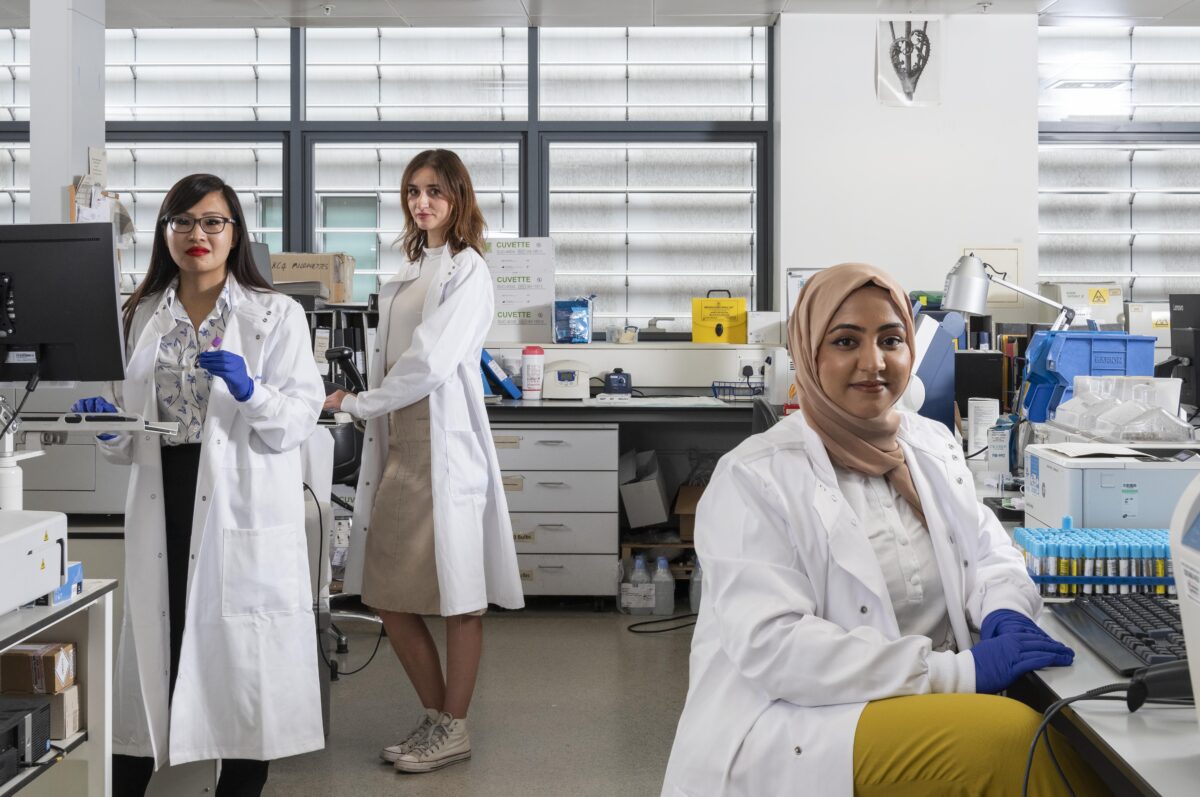
Three technicians wearing lab coats in a healthcare laboratory.

The type of work a Healthcare Science Technician will do

  • Preparing and handling patient samples, like blood or tissue
  • Using lab equipment to carry out tests
  • Recording and checking test results
  • Following strict safety and hygiene rules
  • Supporting healthcare scientists and other staff
  • Managing and storing samples correctly
  • Cleaning and maintaining equipment
Useful skills
Attention to detail
Useful skills
Problem solving
£ 0 1 2 3 4 5 6 7 8 9 0 1 2 3 4 5 6 7 8 9 , 0 1 2 3 4 5 6 7 8 9 0 1 2 3 4 5 6 7 8 9 0 1 2 3 4 5 6 7 8 9
Average salary per year *
£ 0 1 2 3 4 5 6 7 8 9 , 0 1 2 3 4 5 6 7 8 9 0 1 2 3 4 5 6 7 8 9 0 1 2 3 4 5 6 7 8 9
Average salary per month *

Data powered by LMI for all
*according to ONS

Future career opportunities for a Healthcare Science Technician

With experience, you could become a Healthcare Scientist or specialise in areas like microbiology or genetics. You might move into senior technician roles, become a lab manager, or train others.

There are also opportunities to work in research, hospitals or public health organisations.

How to become a Healthcare Science Technician

There’s no perfect career path or ideal way into your dream job.

But if you’re interested in education and training options that could be relevant to this role, you might want to consider:

Options available after GCSEs:

  • A T-level in Science.
  • An apprenticeship as a Laboratory Technician.

More options available after that:

  • An apprenticeship as a Healthcare Science Associate.

Schools and colleges each have their own career guidance plan and can provide detailed information, advice, and guidance on options and next steps.

A little more about the role

Exciting features...

This role sits at the heart of healthcare, but isn't patient-facing. You get to use advanced technology and learn how science helps save lives every day. It's a great choice if you enjoy practical science, biology and want a job that feels meaningful.

Other job titles...

This role can also be known by some other job titles including:

Healthcare Science Associate
Healthcare Science Assistant
Assistant Scientist
Biomedical Science Technician
Clinical Laboratory Technician
Laboratory Analyst
Laboratory Assistant
Laboratory Co-ordinator
Laboratory Research Assistant
Laboratory Support Worker
Laboratory Technician
Medical Laboratory Assistant
Microbiology Support Scientist
Pathology Technician
Quality Control Laboratory Assistant
Science Technician
Technical Laboratory Assistant
Technical Specialist (Scientist)
Technical Support Scientist

How a Mortuary Technician makes a difference

Understanding that death is a part of life is a difficult but important lesson that everyone needs to learn. When you realise this you also understand that looking after the bodies of people who’ve died is skilled and essential work which requires compassion and respect.

It involves preparing, dressing and placing deceased people into coffins, and making sure they are presented with dignity and in line with their religious and cultural beliefs. You could be the technician who completes these preparations and reassures family members their loved one is being cared for.

The kind of work a Mortuary Technician will do

  • Monitoring the safety and hygiene of equipment
  • Managing the receipt and release of people
  • Checking people’s identities
  • Initial assessment and monitoring of deceased people
  • Initial care and cleaning of deceased people
  • Maintaining registers and documents for the deceased
  • Communication with people connected to the deceased
Useful skills
Attention to detail
Useful skills
Precise

Data powered by LMI for all
*according to ONS

Future career opportunities for a Mortuary Technician

This is a specialised role that can offer you a long-term career. Over time you may move into training other people or running a team.

You could also develop your skills to be more closely involved in the analysis of deceased people, as well as their preparation.

How to become a Mortuary Technician

There’s no perfect career path or ideal way into your dream job.

But if you’re interested in education and training options that could be relevant to this role, you might want to consider:

Options available after GCSEs:

  • A T-level in Health.
  • An apprenticeship as a Mortuary Technician.

More options available after that:

  • An apprenticeship as a Embalmer.

Schools and colleges each have their own career guidance plan and can provide detailed information, advice, and guidance on options and next steps.

A little more about the role

Exciting features...

You’ll be involved with all kinds of people, including relatives, funeral directors, embalmers, crematoria, cemeteries, funeral arrangers, doctors, police, coroners and hospital and home care staff. Your professionalism, integrity and sensitivity will be required at all times.

Other job titles...

This role can also be known by some other job titles including:

Anatomical Pathology Technologist
Embalming Assistant
Mortuary Assistant

How a Dental Technician makes a difference

Dental technicians manufacture precise, custom-made medical appliances including bridges, crowns, implants, and dentures. These are used to replace or repair people’s natural teeth, to prevent pain and discomfort, and to improve appearance.

The role requires a strong mix of science skills and knowledge, and creativity, as dental technicians need to achieve the same skill level as fine artists and understand the range of materials and mechanics involved in making the appliances. You could be the technician who brings a smile back to people’s faces, with medical appliances that fit perfectly and match their natural teeth shade and character as closely as possible.

The type of work a Dental Technician will do

  • Advising dentists on the appropriate dental appliance based on the patient’s needs
  • Producing models
  • Designing and manufacturing dental appliances
  • Selecting materials
  • Modifying and repairing appliances
  • Recording the design and decision-making process
  • Communicating with dental teams and patients
  • Maintaining a clean laboratory environment
Useful skills
Attention to detail
Useful skills
Precise
Useful skills
Logical thinking
Useful skills
Problem solving
Useful skills
Instructing others
£ 0 1 2 3 4 5 6 7 8 9 0 1 2 3 4 5 6 7 8 9 , 0 1 2 3 4 5 6 7 8 9 0 1 2 3 4 5 6 7 8 9 0 1 2 3 4 5 6 7 8 9
Average salary per year *
£ 0 1 2 3 4 5 6 7 8 9 , 0 1 2 3 4 5 6 7 8 9 0 1 2 3 4 5 6 7 8 9 0 1 2 3 4 5 6 7 8 9
Average salary per month *

Data powered by LMI for all
*according to ONS

Future career opportunities for a Dental Technician

As you learn your trade you will be part of a team, taking on individual elements of the manufacturing process and becoming an expert in the different tools you use.

In time, you may decide to set up your own laboratory, to help private and NHS dentists to meet their customers’ needs.

How to become a Dental Technician

There’s no perfect career path or ideal way into your dream job.

But if you’re interested in education and training options that could be relevant to this role, you might want to consider:

Options available after GCSEs:

  • A T-level in Health.
  • A T-level in Science.
  • An apprenticeship as a Dental Nurse.

More options available after that:

  • An apprenticeship as a Dental Technician.

Schools and colleges each have their own career guidance plan and can provide detailed information, advice, and guidance on options and next steps.

A little more about the role

Exciting features...

This is a physical role that involves making things with your hands for most of your working day. However, you will also use computers and software to support the modelling and detailing of the medical appliances you create. You’ll also get to meet customers at times, to make sure the fit, character, and colour of your technical work is absolutely spot on.

How a Healthcare Imaging Technician makes a difference

Healthcare Imaging Technicians make a real difference to people’s care. They help people who need medical imaging like X-rays and MRIs.

They work with healthcare teams to prepare patients, organise appointments, and help with the safe use of imaging equipment.

Working with radiographers, Healthcare Imaging Technicians help find out what’s happening inside the body. This is important for spotting injuries, illnesses, or serious conditions like cancer.

By supporting patients and helping equipment run properly, they are part of a team that makes sure people get the right care while feeling safe and supported.

Useful skills
Attention to detail
Useful skills
Communicating complex ideas
Useful skills
Technologically minded

The type of work a Healthcare Imaging Technician will do

  • Prepare patients for diagnostic imaging procedures.
  • Check and help manage imaging tools and equipment.
  • Support the health team during procedures.
  • Work closely with doctors, radiographers, and other healthcare staff.
  • Keep the imaging area clean and safe.
  • Help with after-care once imaging is finished.
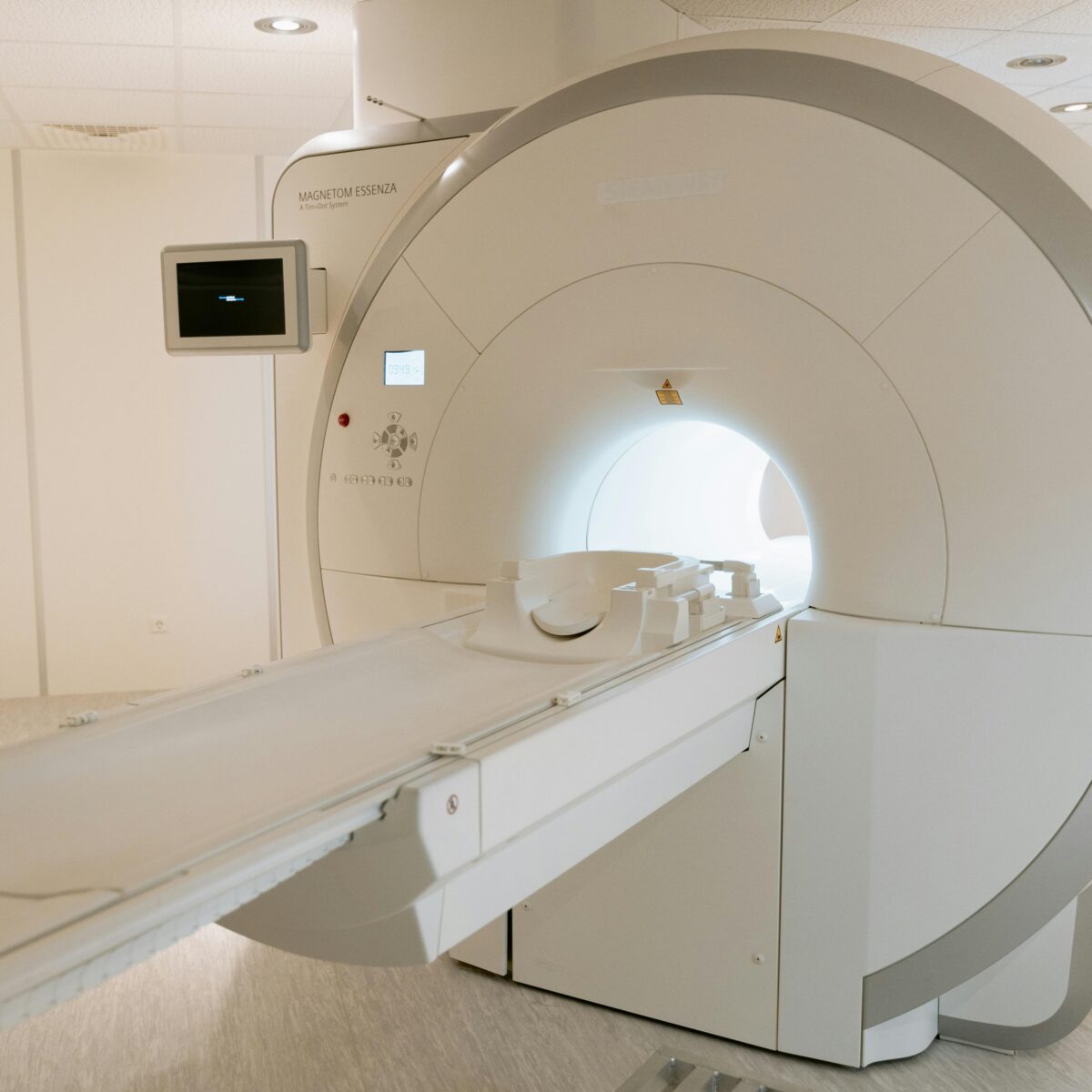
An MRI machine in a hospital.
£ 0 1 2 3 4 5 6 7 8 9 0 1 2 3 4 5 6 7 8 9 , 0 1 2 3 4 5 6 7 8 9 0 1 2 3 4 5 6 7 8 9 0 1 2 3 4 5 6 7 8 9
Average salary per year *
£ 0 1 2 3 4 5 6 7 8 9 , 0 1 2 3 4 5 6 7 8 9 0 1 2 3 4 5 6 7 8 9 0 1 2 3 4 5 6 7 8 9
Average salary per month *

Data powered by LMI for all
*according to ONS

Future career opportunities for a Healthcare Imaging Technician

As you gain experience, you could train further in imaging support or related healthcare areas. Many people move on to roles like mammography associate or assistant practitioner.

With more study, you might even become a registered radiographer who plans and carries out imaging and treatments.

How to become a Healthcare Imaging Technician

There’s no perfect career path or ideal way into your dream job.

But if you’re interested in education and training options that could be relevant to this role, you might want to consider:

Options available after GCSEs:

  • A T-level in Health or Science.
  • An apprenticeship as a Senior Healthcare Support Worker (Diagnostic Imaging Support).

Options available after that:

  • An apprenticeship as an Assistant Practitioner

Schools and colleges each have their own career guidance plan and can provide detailed information, advice, and guidance on options and next steps.

A little more about the role

Exciting features...

One exciting thing about being a Healthcare Imaging Technician is working with amazing imaging technology that helps to see inside the body without surgery.

You get to meet lots of different people every day and help them feel comfortable before their scan. It’s a mix of caring for patients and learning about how healthcare works behind the scenes.

You’ll be part of a team that makes sure images are safe and high quality so doctors can make good decisions. You also learn skills that can open doors to other healthcare jobs in the future.

Every day is different, and you play a key role in helping people and making healthcare better.

Other job titles...

This role can also be known by some other job titles including:

Imaging Support Worker
Radiography Assistant
Senior Healthcare Support Worker (Diagnostic imaging)
Diagnostic Support Assistant
Medical Imaging Care Support