Favourites

How an ROV or Drone Pilot Technician makes a difference

ROV Pilot and Drone Pilot Technicians help people see places that are hard or dangerous to reach.

An ROV is a remotely operated vehicle. They are submersible robots that go underwater. They go places that are too deep or too dangerous for human divers, to inspect places or carry out tasks.

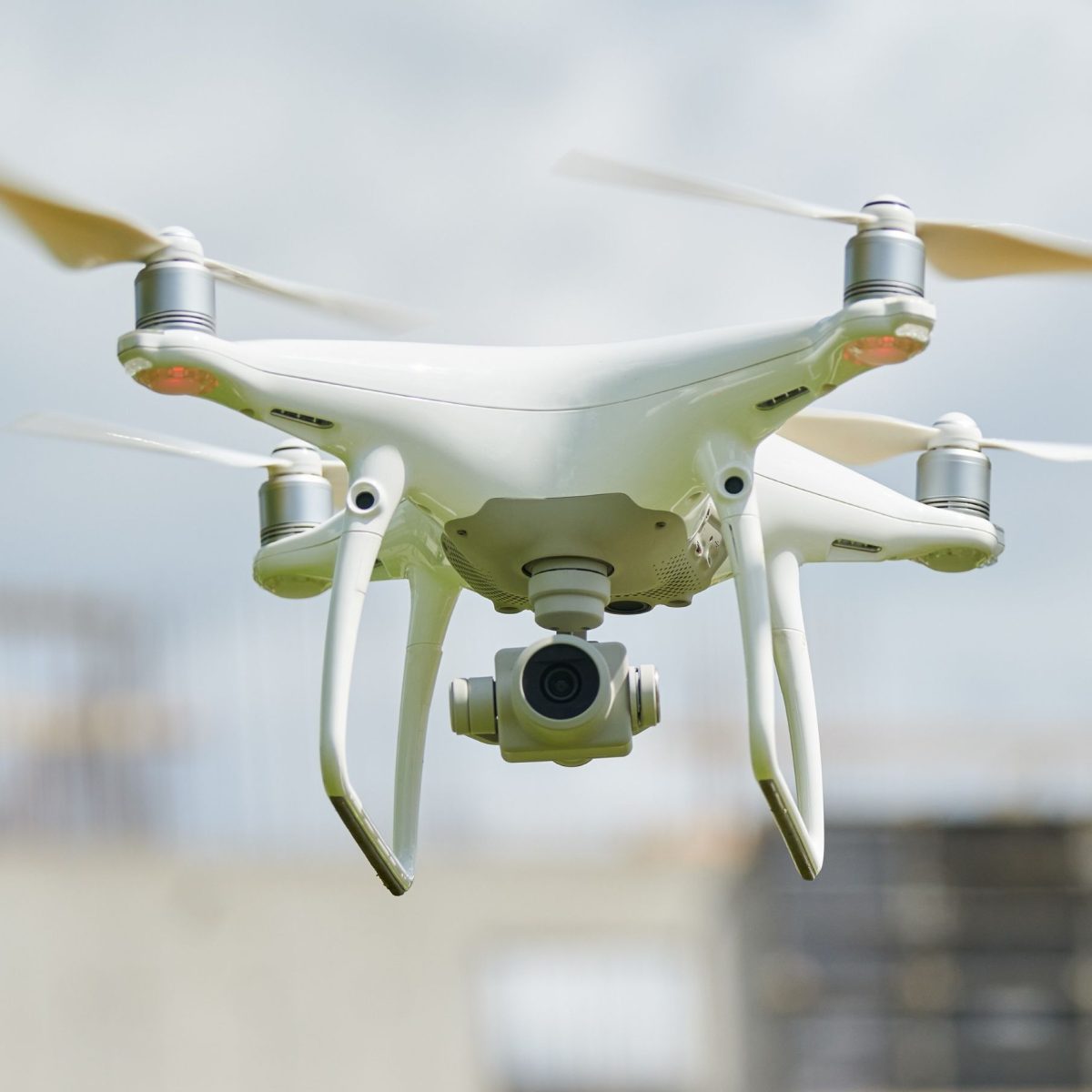
A drone is a flying machine that is operated by remote. They are used to take pictures or video to investigate things, like the exterior of tall buildings, or to map areas.

ROV Pilot and Drone Pilot Technicians specialise in one of these technologies. You could be the technician who pilots an ROV or a drone with precision, helping projects by gathering data that would otherwise be more difficult or dangerous to get.

The tasks that ROVs are used for vary. They can be used in subsea oil and gas development projects, for inspection, repair and maintenance, to lay cable and pipe, for surveys and in construction, or to examine salvage, for example a shipwrecked boat. They are also used for scientific research.

Drones can be used to check whether structures are safe, like the roofs of buildings, bridges, or wind turbines. They can also be used to survey wide areas, like monitoring wildlife, or creating a 3D digital contour map of a landscape. They are also used in the film and TV industry to get certain shots, and in emergency situations, they can help with search and rescue.

The type of work an ROV or Drone Pilot Technician will do

  • Plan flights or dives, making sure weather or water conditions are safe
  • Set up, test and maintain drone or ROV equipment
  • Pilot vehicles using remote controls and screens
  • Capture photos, video and sensor data
  • Inspect structures like buildings, pipelines or turbines
  • Follow safety rules, including airspace or marine regulations
  • Log missions and write simple reports
  • Troubleshoot faults and carry out basic repairs
  • Work with teams such as engineers, scientists or emergency services
Useful skills
Technologically minded
Useful skills
Logical thinking
£ 0 1 2 3 4 5 6 7 8 9 0 1 2 3 4 5 6 7 8 9 , 0 1 2 3 4 5 6 7 8 9 0 1 2 3 4 5 6 7 8 9 0 1 2 3 4 5 6 7 8 9
Average salary per year *
£ 0 1 2 3 4 5 6 7 8 9 , 0 1 2 3 4 5 6 7 8 9 0 1 2 3 4 5 6 7 8 9 0 1 2 3 4 5 6 7 8 9
Average salary per month *

Data powered by LMI for all
*according to ONS

Future career opportunities for an ROV or Drone Pilot Technician

With experience, you could specialise in areas like surveying, inspection or film production. You might move into senior pilot roles, operations management or training others.

Some people progress into engineering, data analysis or project management. There are also opportunities to work offshore, in renewable energy or with emergency services.

How to become an ROV or Drone Pilot Technician

There’s no perfect career path or ideal way into your dream job.

But if you’re interested in education and training options that could be relevant to this role, you might want to consider:

Options available after GCSEs:

More options available after that:

  • An apprenticeship as an Uncrewed Marine Vehicle Specialist.

Schools and colleges each have their own career guidance plan and can provide detailed information, advice, and guidance on options and next steps.

A little more about the role

Exciting features...

Every day can be different, as you will be exploring different places and structures. You get to use cutting-edge technology like high-resolution cameras and sensors. The role can take you to unique locations and let you work on real-world challenges, from protecting wildlife to helping build new infrastructure. It mixes hands-on skills with problem solving and teamwork. As drones and ROVs become more important, there are growing opportunities across many industries.

Other job titles...

UAV pilot (unmanned aerial vehicle)
Drone operator
ROV pilot technician
Remote pilot
Aerial survey pilot
Inspection drone pilot
Marine ROV operator
Unmanned systems operator

How a Refrigeration Engineering Technician makes a difference

There are many industries that use climate control systems to maintain a steady or cool temperature, either to protect their goods or services, or to create comfortable leisure and work environments. Industries include food production, product distribution, retail storage, hospitality, transport, office spaces, manufacturing, IT/data centres, and medical healthcare services.

A refrigeration technician is involved in the design, installation, maintenance and repair of refrigeration, air conditioning, and heat pump systems. This involves understanding technology and mechanics and making sure refrigeration systems are as efficient as possible. You could be the technician who helps to preserve food and products, keeps people comfortable, and who installs new energy-efficient technology. 

The type of work a Refrigeration Engineering Technician will do

  • Installation and testing of cooling systems
  • Fault diagnosis and repairing of systems
  • Component selection and installation
  • Assessing risks and hazards and putting the right safety measures in place
  • Setting and testing electrical and electronic control systems
  • Positioning and fixing pipework and electrical circuits
  • Understanding manufacturers’ product manuals and instructions
  • Setting the parameters for energy efficient performance
Useful skills
Precise
Useful skills
Problem solving
Useful skills
Instructing others
Useful skills
Logical thinking
Useful skills
Attention to detail
£ 0 1 2 3 4 5 6 7 8 9 0 1 2 3 4 5 6 7 8 9 , 0 1 2 3 4 5 6 7 8 9 0 1 2 3 4 5 6 7 8 9 0 1 2 3 4 5 6 7 8 9
Average salary per year *
£ 0 1 2 3 4 5 6 7 8 9 , 0 1 2 3 4 5 6 7 8 9 0 1 2 3 4 5 6 7 8 9 0 1 2 3 4 5 6 7 8 9
Average salary per month *

Data powered by LMI for all
*according to ONS

Future career opportunities for a Refrigeration Engineering Technician

You could join a small team focused on serving local businesses. Or you might prefer being part of a large UK firm involved in big installations and maintenance contracts all over the UK.

Further on in your career, you could progress to designing cooling systems, decide to set up your own business, or move into building services engineering or plumbing.

How to become a Refrigeration Engineering Technician

There’s no perfect career path or ideal way into your dream job.

But if you’re interested in education and training options that could be relevant to this role, you might want to consider:

Options available after GCSEs:

Schools and colleges each have their own career guidance plan and can provide detailed information, advice, and guidance on options and next steps.

A little more about the role

Exciting features...

Changes to environmental laws and new innovative technology mean refrigeration challenges and systems are always evolving. Refrigeration is estimated to be responsible for an estimated 10% of UK greenhouse gas emissions and 16% of electricity use, so there is a continuous emphasis on making systems more efficient. Refrigeration technicians have important responsibilities for minimising the environmental impact of cooling systems.

Other job titles...

This role can also be known by some other job titles including:

Refrigeration Engineer
Air Conditioning Technician
Service Technician
Maintenance Technician
Commissioning Engineer

How a Prosthetic and Orthotic Technician makes a difference

Prosthetics is the clinical term used for making artificial limbs (prostheses). Orthotics is the clinical term used for making a range of devices (orthoses), everything from technical footwear to back braces.

Working in these areas involves developing an understanding of the different conditions people have that can lead to them needing an artificial limb or device.

Specifications are provided to make sure each item fits comfortably and functions properly, enabling people to do what they want to do. You could be the technician who gives children and adults freedom of movement and their independence again.

The type of work a Prosthetic and Orthotic Technician will do

  • Interacting with clinical staff, patients and families
  • Understanding requirements and following specifications
  • Taking measurements and producing moulds
  • Planning out designs and making limbs and devices
  • Fitting and fixing limbs and devices
  • Providing advice on technical solutions
  • Using computers to support customised manufacture and fitting
Useful skills
Attention to detail
Useful skills
Logical thinking
£ 0 1 2 3 4 5 6 7 8 9 0 1 2 3 4 5 6 7 8 9 , 0 1 2 3 4 5 6 7 8 9 0 1 2 3 4 5 6 7 8 9 0 1 2 3 4 5 6 7 8 9
Average salary per year *
£ 0 1 2 3 4 5 6 7 8 9 , 0 1 2 3 4 5 6 7 8 9 0 1 2 3 4 5 6 7 8 9 0 1 2 3 4 5 6 7 8 9
Average salary per month *

Data powered by LMI for all
*according to ONS

Future career opportunities for a Prosthetic and Orthotic Technician

You could work in a team in the NHS, supporting clinicians and meeting with patients. You could also develop your skills working for a private manufacturing company.

Some companies work with patients directly, developing specialised devices. With experience you could lead a design team, working for the NHS or in a consultancy.

How to become a Prosthetic and Orthotic Technician

There’s no perfect career path or ideal way into your dream job.

But if you’re interested in education and training options that could be relevant to this role, you might want to consider:

Options available after GCSEs:

Schools and colleges each have their own career guidance plan and can provide detailed information, advice, and guidance on options and next steps.

A little more about the role

Exciting features...

You’ll be making things that will have a huge impact on people’s lives and could even produce limbs or devices that enable Paralympians to compete. You’ll meet with patients to help with the fitting of their device and will often be able to see the difference you make almost immediately. You could be changing the lives of young children born with missing limbs, people who have been in accidents or suffered injuries serving in the military, or those that have clinical conditions that restrict them.

How a Print Technician makes a difference

Even though communications are increasingly digital, there are still many different items that are printed. That’s everything from leaflets, birthday cards and wrapping paper, to product packaging, billboard advertising and money.

The printing industry is technologically advanced and as well as printing designs and colours, some printers also produce textures and even print different smells. You could be the technician who helps to bring creative design ideas to life, with accurate printing that achieves exactly the right standard on every printed item.

The type of work a Print Technician will do

  • Understanding customers’ print specifications
  • Preparing printing presses for new projects
  • Making sure colours match the required standards
  • Carrying out quality checks as presses are running
  • Maintaining machinery
  • Working to strict delivery deadlines
Useful skills
Logical thinking
Useful skills
Instructing others
Useful skills
Decisive
Useful skills
Precise
Useful skills
Attention to detail
£ 0 1 2 3 4 5 6 7 8 9 0 1 2 3 4 5 6 7 8 9 , 0 1 2 3 4 5 6 7 8 9 0 1 2 3 4 5 6 7 8 9 0 1 2 3 4 5 6 7 8 9
Average salary per year *
£ 0 1 2 3 4 5 6 7 8 9 , 0 1 2 3 4 5 6 7 8 9 0 1 2 3 4 5 6 7 8 9 0 1 2 3 4 5 6 7 8 9
Average salary per month *

Data powered by LMI for all
*according to ONS

Future career opportunities for a Print Technician

You can choose to focus on one of three areas in the early stages of your printing career, making sure everything is technically correct either before you print, as you print, or afterwards.

With experience, you could become a production manager or take on a sales and management role in a major UK or worldwide printer. Alternatively you could become involved in print innovation, helping to push the industry forward and solve new creative challenges.

How to become a Print Technician

There’s no perfect career path or ideal way into your dream job.

But if you’re interested in education and training options that could be relevant to this role, you might want to consider:

Options available after GCSEs:

Schools and colleges each have their own career guidance plan and can provide detailed information, advice, and guidance on options and next steps.

A little more about the role

Exciting features...

You’ll see the items you help to print all around you, in marketing and advertising campaigns, in shops, or even – if you print money – in people’s wallets! You’ll get to know different print materials and inks, how to programme large printing presses and how digital design files become a printed item.

Other job titles...

This role can also be known by some other job titles including:

Pre-Press Technician
Press Technician
Post-Press Technician

How a Plumbing and Heating Technician makes a difference

Every household across Britain is served by safe running water and most have a central heating system to warm water and heat rooms during the colder months. We depend on our plumbing and heating systems to make life comfortable and easier and all sorts of problems are created when systems break down.

Energy and water efficiency have also become extremely important in protecting our planet’s resources and keeping living costs down. Technicians install, service, and maintain plumbing and heating systems and play a big role in making sure water and energy use is controlled. You could be the technician who helps to ensure people have the water and heat they need and are able to use it efficiently.

The type of work a Plumbing and Heating Technician will do

  • Planning and carrying out installations
  • Completing regular maintenance work
  • Testing systems and finding out the cause of problems
  • Repairing faults
  • Explaining issues and new appliances to customers
  • Replacing components
  • Completing safety checks
  • Disposing of old appliances and equipment correctly
  • Maintaining stock levels of regularly used parts
Useful skills
Problem solving
Useful skills
Technologically minded
Useful skills
Instructing others
Useful skills
Attention to detail
£ 0 1 2 3 4 5 6 7 8 9 0 1 2 3 4 5 6 7 8 9 , 0 1 2 3 4 5 6 7 8 9 0 1 2 3 4 5 6 7 8 9 0 1 2 3 4 5 6 7 8 9
Average salary per year *
£ 0 1 2 3 4 5 6 7 8 9 , 0 1 2 3 4 5 6 7 8 9 0 1 2 3 4 5 6 7 8 9 0 1 2 3 4 5 6 7 8 9
Average salary per month *

Data powered by LMI for all
*according to ONS

Future career opportunities for a Plumbing and Heating Technician

With experience you have the option to set up your own business and become an independent plumbing and heating technician. Or alternatively you could join a big national team that serves a large number of domestic properties. There you could progress through local, regional, and director level roles.

You could also decide you want to specialise in a particular area of plumbing or heating. This could mean you transfer to commercial work, where teams often specialise in different sectors such as leisure or hospitality.

How to become a Plumbing and Heating Technician

There’s no perfect career path or ideal way into your dream job.

But if you’re interested in education and training options that could be relevant to this role, you might want to consider:

Options available after GCSEs:

Schools and colleges each have their own career guidance plan and can provide detailed information, advice, and guidance on options and next steps.

A little more about the role

Exciting features...

In this role you can work inside and outside of domestic properties or you could be part of a team that installs the latest energy efficient systems into new houses. You will work on the piping, drainage and water systems that serve homes, as well as appliances and equipment. You will also be at the forefront of installing new and exciting environmental technologies, like heat pumps, solar thermal systems, biomass boilers and water recycling systems.

Other job titles...

This role can also be known by some other job titles including:

Plumber
Domestic Heating Engineer
Domestic Heating Installer
Plumbing and Domestic Heating Installer
Plumbing and Domestic Heating Engineer

How an Optical Technician makes a difference

Most of us will wear glasses at some point in our life, to help us see things close up, at a distance, or both. Everyone has different needs. High tech calibrated machines and different lens coatings and finishings are used to provide people with the right prescription lenses in the right frame types and styles.

Ensuring glasses are made in exactly the right way for each individual is essential to avoid eye damage and enhance people’s sight as needed. You could be the technician who enables people to see clearly and do things safely, so they can get on and enjoy their life.

The type of work an Optical Technician will do

  • Interpreting specifications
  • Handling tools such as precision screwdrivers and optical pliers
  • Checking the calibration of machines and operating them
  • Using tint baths, cutting and polishing equipment
  • Constructing new glasses, replacing broken lenses and repairing frames
  • Addressing issues with manufacturing equipment
  • Liaising with opticians and retail colleagues
Useful skills
Precise
Useful skills
Technologically minded
Useful skills
Attention to detail
Useful skills
Logical thinking
£ 0 1 2 3 4 5 6 7 8 9 0 1 2 3 4 5 6 7 8 9 , 0 1 2 3 4 5 6 7 8 9 0 1 2 3 4 5 6 7 8 9 0 1 2 3 4 5 6 7 8 9
Average salary per year *
£ 0 1 2 3 4 5 6 7 8 9 , 0 1 2 3 4 5 6 7 8 9 0 1 2 3 4 5 6 7 8 9 0 1 2 3 4 5 6 7 8 9
Average salary per month *

Data powered by LMI for all
*according to ONS

Future career opportunities for an Optical Technician

As new optical technology develops, you will expand your knowledge of lenses and tints that can support people’s sight and eye health.

Your career could progress to managing a specialist team within a manufacturing environment or you could become the manager of an optical lab.

How to become an Optical Technician

There’s no perfect career path or ideal way into your dream job.

But if you’re interested in education and training options that could be relevant to this role, you might want to consider:

Options available after GCSEs:

  • A T-level in Health.
  • An apprenticeship as a Spectacle Maker.
  • An apprenticeship as an Optical assistant.

Schools and colleges each have their own career guidance plan and can provide detailed information, advice, and guidance on options and next steps.

A little more about the role

Exciting features...

You will learn how to use precision measuring instruments and tools, as well as specialist equipment for tinting, coating, and polishing lenses. Your skills will be required by large manufacturers and high street brands, as well as by small glazing shops who supply other glass makers with their services.

How a Testing Engineering Technician makes a difference

Spotting the signs of a fault, whether that’s in materials, components, welding or equipment, helps to reduce operational costs and delays. That’s because it’s better to deal with a fault before a major breakdown occurs, or too many substandard goods have been made.

Testing engineering technicians are responsible for carrying out inspections and making sure different components and materials are fit for service. They use a variety of methods including ultrasonics, radiography and infrared thermography, which detect cracks and other imperfections. You could be the technician who spots a critical fault and not only saves time and money, but also protects lives.

A technician in a clean suit using tools to test a machine.

The kind of work a Testing Engineering Technician does

  • Carrying out detailed inspections using specialist equipment
  • Deciding whether to repair or replace components
  • Solving routine daily problems
  • Overseeing the operation and performance of robots
  • Following the instructions in technical literature
  • Understanding surrounding issues that could contribute to a fault
  • Keeping records of activity
  • Managing project progress and team contributions
Useful skills
Precise
Useful skills
Technologically minded
Useful skills
Logical thinking
Useful skills
Instructing others
£ 0 1 2 3 4 5 6 7 8 9 0 1 2 3 4 5 6 7 8 9 , 0 1 2 3 4 5 6 7 8 9 0 1 2 3 4 5 6 7 8 9 0 1 2 3 4 5 6 7 8 9
Average salary per year *
£ 0 1 2 3 4 5 6 7 8 9 , 0 1 2 3 4 5 6 7 8 9 0 1 2 3 4 5 6 7 8 9 0 1 2 3 4 5 6 7 8 9
Average salary per month *

Data powered by LMI for all
*according to ONS

Future career opportunities for a Testing Engineering Technician

After gaining several years of experience you could progress to the role of team leader or supervisor. You could be responsible for maintaining high standards of inspections across a range of materials and components.

If you specialise in an industry, you could become the expert that high-profile manufacturers want to hire to advise them during their research and development programmes, as well as during their manufacturing processes.

How to become a Testing Engineering Technician

There’s no perfect career path or ideal way into your dream job.

But if you’re interested in education and training options that could be relevant to this role, you might want to consider:

Options available after GCSEs:

Schools and colleges each have their own career guidance plan and can provide detailed information, advice, and guidance on options and next steps.

A little more about the role

Exciting features...

Real-life examples of this role include the inspection of batteries, engines, Formula 1 gearboxes, nuclear reactors, and other safety-critical components. You could work in a wide range of industries from aerospace to power generation, marine to railways, oil and gas to construction.

Other job titles...

This role can also be known by some other job titles including:

Testing Engineer
Test Technician

How a Metrology Technician makes a difference

Metrology is the science of measurement. It covers the theoretical side and practical applications, including collecting the measurements that enable goods and utilities to be sold. 

£600 billion worth of goods and utilities are sold in the UK every year, based on the measurement of their quantity and quality. You could be the technician who helps people understand the value of what’s being sold.

The type of work a Metrology Technician will do

  • Using measuring instruments and equipment
  • Calibrating machines and tools
  • Assessing quality and value based on measurements
  • Working independently on measurement projects
  • Collaborating with teams on new items to be measured
  • Using software to collect and analyse measurement data
Useful skills
Attention to detail
Useful skills
Instructing others
Useful skills
Logical thinking
Useful skills
Communicating complex ideas
£ 0 1 2 3 4 5 6 7 8 9 0 1 2 3 4 5 6 7 8 9 , 0 1 2 3 4 5 6 7 8 9 0 1 2 3 4 5 6 7 8 9 0 1 2 3 4 5 6 7 8 9
Average salary per year *
£ 0 1 2 3 4 5 6 7 8 9 , 0 1 2 3 4 5 6 7 8 9 0 1 2 3 4 5 6 7 8 9 0 1 2 3 4 5 6 7 8 9
Average salary per month *

Data powered by LMI for all
*according to ONS

Future career opportunities for a Metrology Technician

You can use your skills to work in many different industries, from environment, energy and aerospace to transport, construction and healthcare. 

With experience, you can move into a team management role, specialise in a particular area of measurement, or work in science and research.

How to become a Metrology Technician

There’s no perfect career path or ideal way into your dream job.

But if you’re interested in education and training options that could be relevant to this role, you might want to consider:

Options available after GCSEs:

  • A T-level in Science.
  • An apprenticeship as a Metrology Technician.

More options available after that:

  • An apprenticeship as a Senior Metrology Technician.

Schools and colleges each have their own career guidance plan and can provide detailed information, advice, and guidance on options and next steps.

A little more about the role

Exciting features...

Metrology takes place across diverse industries including advanced manufacturing, aerospace, automotive, construction, energy, environment, pharmaceuticals and healthcare and within all sizes of organisation. You could be measuring galaxies, molecules, chemical pollutants, hip joints, aircraft or industrial emissions.

Other job titles...

This role can also be known by some other job titles including:

Measurement Scientist

How a Mechanical Engineering Technician makes a difference

There are many industries, including the aerospace, aviation, automotive, maritime and defence sectors, that use highly complex machinery to make and manoeuvre their products. The leisure industry uses machinery such as Ferris wheels and rollercoasters to provide entertainment.

All these machines need to be built and maintained, which involves assembling multiple devices and components and checking that all the mechanical systems are in reliable and safe working order. You could be the technician who puts all the machine parts together to help various industries perform at their best.

The type of work a Mechanical Engineering Technician will do

  • Following the instructions in design, safety and quality control documentation
  • Completing regular checks on machines and equipment
  • Responding to engineering problems
  • Diagnosing issues and fixing faults
  • Stripping machines back to their parts to clean and maintain them
  • Recording information about machine performance and maintenance
  • Looking after tools and equipment
Useful skills
Attention to detail
Useful skills
Logical thinking
Useful skills
Technologically minded
£ 0 1 2 3 4 5 6 7 8 9 0 1 2 3 4 5 6 7 8 9 , 0 1 2 3 4 5 6 7 8 9 0 1 2 3 4 5 6 7 8 9 0 1 2 3 4 5 6 7 8 9
Average salary per year *
£ 0 1 2 3 4 5 6 7 8 9 , 0 1 2 3 4 5 6 7 8 9 0 1 2 3 4 5 6 7 8 9 0 1 2 3 4 5 6 7 8 9
Average salary per month *

Data powered by LMI for all
*according to ONS

Future career opportunities for a Mechanical Engineering Technician

As your training and career develop, you could decide to specialise in a specific area of mechanical engineering, for example fitting and turning, pipefitting, or maintenance fitting.

You can also progress to becoming a senior fitter with responsibility for higher level challenges, as well as supporting and training other team members. Another option is becoming a consultant and getting involved in the design of machines.

How to become a Mechanical Engineering Technician

There’s no perfect career path or ideal way into your dream job.

But if you’re interested in education and training options that could be relevant to this role, you might want to consider:

Options available after GCSEs:

Schools and colleges each have their own career guidance plan and can provide detailed information, advice, and guidance on options and next steps.

A little more about the role

Exciting features...

You will work with detailed drawings that contain intricate measurements and specifications you need to follow. To put parts together you’ll use a range of tools and techniques including thermal healing, welding, cutting equipment and drilling machines. When machines break down, you’ll be the problem solver people call on to make sure they are quickly working again.

Other job titles...

This role can also be known by some other job titles including:

Engineering Technician
Aerospace Technician
Aviation Engineer
Maritime Engineer
Machinist
Mechatronics Engineer
Mechanical Fitter
Toolmaker

How a Marine Engineering Technician makes a difference

Just like vehicles on the road, boats at sea need to be properly maintained to make sure they are in a good condition and safe to sail. This includes all kinds of boats, from yachts to passenger ferries, cargo ships to superyachts.

Their engines and other technical equipment need to be thoroughly checked and any issues repaired. You could be the technician who makes sure boats are seaworthy and goods and people are transported safely.

The type of work a Marine Engineering Technician will do

  • Understanding technical drawings and engineering data
  • Selecting, storing, and looking after tools and materials
  • Taking precise measurements
  • Cutting, drilling, and finishing components
  • Carrying out planned maintenance
  • Assembling and refining engineering systems
  • Completing service documentation
Useful skills
Decisive
Useful skills
Precise
Useful skills
Technologically minded
Useful skills
Problem solving
Useful skills
Instructing others
£ 0 1 2 3 4 5 6 7 8 9 0 1 2 3 4 5 6 7 8 9 , 0 1 2 3 4 5 6 7 8 9 0 1 2 3 4 5 6 7 8 9 0 1 2 3 4 5 6 7 8 9
Average salary per year *
£ 0 1 2 3 4 5 6 7 8 9 , 0 1 2 3 4 5 6 7 8 9 0 1 2 3 4 5 6 7 8 9 0 1 2 3 4 5 6 7 8 9
Average salary per month *

Data powered by LMI for all
*according to ONS

Future career opportunities for a Marine Engineering Technician

You could work for a commercial shipping company, helping to maintain a big fleet of ships. Alternatively you could choose to work on smaller boats in a specialist repairs and maintenance business.

If you get involved in engineering on superyachts, you could find yourself travelling all over the world.

How to become a Marine Engineering Technician

There’s no perfect career path or ideal way into your dream job.

But if you’re interested in education and training options that could be relevant to this role, you might want to consider:

Options available after GCSEs:

Schools and colleges each have their own career guidance plan and can provide detailed information, advice, and guidance on options and next steps.

A little more about the role

Exciting features...

Some engines are incredibly large and need cranes to lift them out to be worked on. You’ll help to strip the engines, repair and rebuild them using specialist measuring equipment, machines, and tools. You’ll also be involved in sea trials, when new and repaired boats are tested.