Favourites

How a Civil Engineering Technician makes a difference

Every bridge, building, road, or tunnel we use has the expertise of civil engineers built into it. Their expertise helps to make the villages, towns and cities we all live and work in, and they play an ever-increasing role safeguarding and improving environments to preserve them for future generations.

Civil engineering technicians support this design and creation process. They plan, manage, and coordinate the building phase of civil engineering projects, and provide construction teams with project specifications and information. You could be the technician who contributes to remarkable things being built that improve people’s lives, while also considering the environment.

A man and woman discussing and annotating engineering drawings.

The type of work a Civil Engineering Technician will do

  • Producing and modifying engineering diagrams and models
  • Collecting and interpreting technical information and carrying out calculations
  • Using digital technologies to prepare and present designs and visualisations
  • Confirming designs meet all health, safety and welfare requirements
  • Following environmental policies and finding ways to achieve environmental ambitions
  • Supporting construction projects with relevant technical information
  • Meeting with clients, architects, building contractors, and local authorities to present and collaborate on plans
Useful skills
Logical thinking
Useful skills
Communicating complex ideas
Useful skills
Problem solving
Useful skills
Technologically minded
£ 0 1 2 3 4 5 6 7 8 9 0 1 2 3 4 5 6 7 8 9 , 0 1 2 3 4 5 6 7 8 9 0 1 2 3 4 5 6 7 8 9 0 1 2 3 4 5 6 7 8 9
Average salary per year *
£ 0 1 2 3 4 5 6 7 8 9 , 0 1 2 3 4 5 6 7 8 9 0 1 2 3 4 5 6 7 8 9 0 1 2 3 4 5 6 7 8 9
Average salary per month *

Data powered by LMI for all
*according to ONS

Future career opportunities for a Civil Engineering Technician

You could start your career in a consultancy where you work on a range of different projects for UK and international clients. Or you might decide to work for a large building contractor responsible for overseeing the delivery of major projects.

With experience you could lead a team of technicians, or decide to specialise in the planning of a specific kind of infrastructure or building. Alternatively, you could decide to become a programme manager, overseeing implementation of every part of the process from design to delivery.

How to become a Civil Engineering Technician

There’s no perfect career path or ideal way into your dream job.

But if you’re interested in education and training options that could be relevant to this role, you might want to consider:

Options available after GCSEs:

More options available after that:

  • A Higher Technical Qualification, such as a Higher National Certificate in Civil Engineering for England.
  • An apprenticeship as a Civil Engineering Senior Technician.

Schools and colleges each have their own career guidance plan and can provide detailed information, advice, and guidance on options and next steps.

A little more about the role

Exciting features...

The range of building and infrastructure projects civil engineering technicians can get involved in is extensive. Parks and public spaces need planning, just as much as tunnels and roads. Schools, hospitals, and museums need just as much thought as bridges and offices. Water, waste and coastal engineering systems require just as much civil engineering expertise. And with the constant evolution of technology, such as augmented reality, designs can be experienced in full before they are built.

Other job titles...

This role can also be known by some other job titles including:

Civil Infrastructure Technician
Structural Technician
Construction Technician
Design Technician
Engineering Technician
Site Technician

How a Building Services Technician makes a difference

Industrial, commercial and public buildings all have mechanical, electrical, and HVAC (heating, ventilation and air conditioning) systems, which are used to create safe, comfortable, and effective operating environments for people and products.

The role of a Building Services Technician is defining and managing where and how these systems are used, to ensure easy access and control, reliable performance, and high levels of energy efficiency. Design and operation decisions need to balance cost, comfort, safety, health and wellbeing. You could be the technician that helps to create positive working environments and to reduce energy consumption.

A heated towel rail in a bathroom.

The type of work a Building Services Technician will do

  • Designing and creating building systems technical information
  • Creating wiring and power plans
  • Designing and writing software for control systems to industry approved standards
  • Designing interfaces for the operation of different systems
  • Reviewing control panel drawings and specifications
  • Installing system control equipment and wiring systems
  • Carrying out a maintenance review of an installed control system
  • Working with a wide range of people including owners and operators of buildings, facilities management, and diverse businesses using office spaces and buildings
Useful skills
Attention to detail
Useful skills
Communicating complex ideas
Useful skills
Logical thinking
£ 0 1 2 3 4 5 6 7 8 9 0 1 2 3 4 5 6 7 8 9 , 0 1 2 3 4 5 6 7 8 9 0 1 2 3 4 5 6 7 8 9 0 1 2 3 4 5 6 7 8 9
Average salary per year *
£ 0 1 2 3 4 5 6 7 8 9 , 0 1 2 3 4 5 6 7 8 9 0 1 2 3 4 5 6 7 8 9 0 1 2 3 4 5 6 7 8 9
Average salary per month *

Data powered by LMI for all
*according to ONS

Future career opportunities for a Building Services Technician

With experience, you could lead a building system design team. This could be for an engineering consultancy, a national or international building firm, or in central and local government.

There are also career opportunities inside organisations that do their own construction work, such as major retailers, energy and water companies, and the NHS.

How to become a Building Services Technician

There’s no perfect career path or ideal way into your dream job.

But if you’re interested in education and training options that could be relevant to this role, you might want to consider:

Options available after GCSEs:

More options available after that:

  • A Higher Technical Qualification, such as a Higher National Certificate in Building Services Engineering for England.
  • An apprenticeship as a Building Energy Management Systems Control Engineer.

Schools and colleges each have their own career guidance plan and can provide detailed information, advice, and guidance on options and next steps.

A little more about the role

Exciting features...

As well as being involved in the design of building systems, you could also write related software, produce control system graphics, and be involved in the installation and maintenance of control systems. As technology evolves, more buildings are connecting and integrating electrical, mechanical, and security systems to create ‘Smart Buildings’. So you could get involved in analysing data and developing very energy efficient environments.

Other job titles...

This role can also be known by some other job titles including:

BEMS (Building Energy Management System) Engineer
BEMS Control Engineer

How a Maintenance and Operations Engineering Technician makes a difference

There are vital goods and infrastructure we all depend on, including energy and food, transport and telecommunications, healthcare and pharmaceuticals.

These industries operate from manufacturing plants, using mechanical and automated equipment and networks to extract and transport resources. You could be the technician who makes sure essential machinery and systems keep operating.

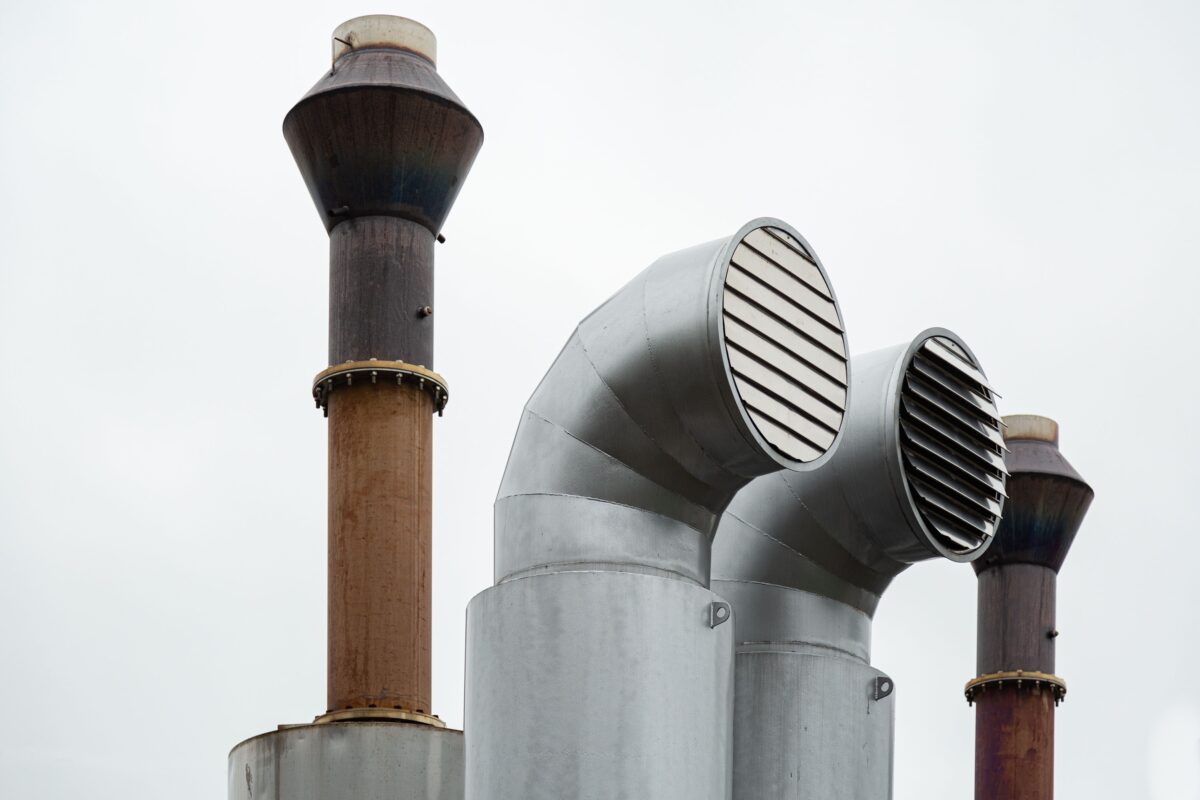
Ventilation pipes on the roof of a factory.

The kind of work a Maintenance and Operations Engineering Technician will do

  • Installation and maintenance of a range of equipment
  • Starting up and shutting down plants
  • Dealing with critical operational problems
  • Carrying out reactive repairs
  • Meeting performance targets for quality, time and budget
  • Taking responsibility for your own work and overseeing others
Useful skills
Attention to detail
Useful skills
Instructing others
Useful skills
Precise
Useful skills
Problem solving
£ 0 1 2 3 4 5 6 7 8 9 0 1 2 3 4 5 6 7 8 9 , 0 1 2 3 4 5 6 7 8 9 0 1 2 3 4 5 6 7 8 9 0 1 2 3 4 5 6 7 8 9
Average salary per year *
£ 0 1 2 3 4 5 6 7 8 9 , 0 1 2 3 4 5 6 7 8 9 0 1 2 3 4 5 6 7 8 9 0 1 2 3 4 5 6 7 8 9
Average salary per month *

Data powered by LMI for all
*according to ONS

Future career opportunities for a Maintenance and Operations Engineering Technician

With training and experience you could qualify as an engineer in your particular industry.

You could also move into maintenance team management, contract management (which involves supporting customers), technical sales or training others.

How to get into this role

There’s no perfect career path or ideal way into your dream job.

But if you’re interested in education and training options that could be relevant to this role, you might want to consider:

Options available after GCSEs:

Schools and colleges each have their own career guidance plan and can provide detailed information, advice, and guidance on options and next steps.

A little more about the role

Exciting features...

If you work in an electricity-generating environment you could be maintaining equipment and plants for renewable energy sources including wind and solar. You might be supporting the processing and production of chemicals or pharmaceuticals. Alternatively, you could be controlling sewerage, or enabling the exploration for oil and gas.

Other job titles...

Electro Mechanical Technician
Electrical Systems Technician
Process Control Technician

How a Battery Technician makes a difference

Improving the technology of all sorts of batteries has never been more important, with manufacturers, design companies and construction companies all searching for new ways to power their products, infrastructure and processes with clean and renewable energy.

Battery makers develop and test different battery types to see how effective they are at supporting what a customer’s product or process does. This includes finding out how long a battery lasts before it needs recharging. You could be the technician who develops energy efficient batteries to power electric vehicles, devices and machinery, helping to address climate change.

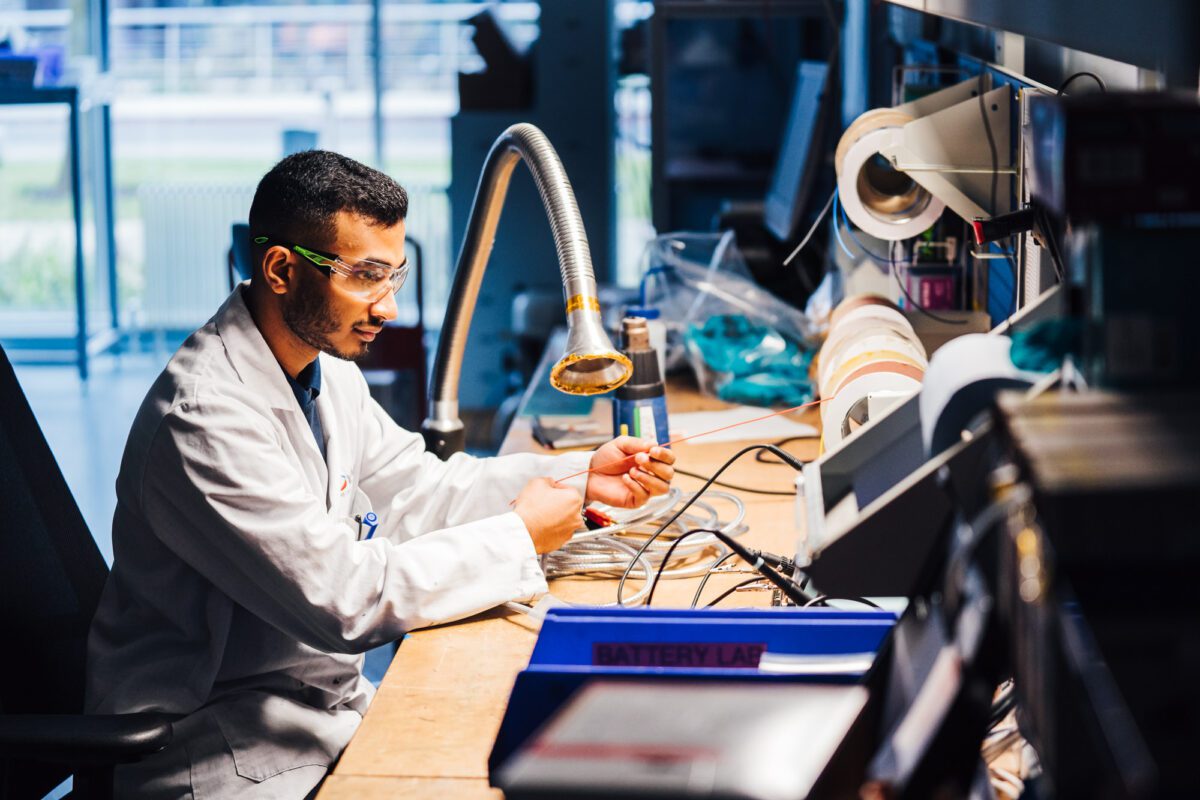
A male battery technician, wearing a lab coat and goggles, works at a desk covered with electrical equipment.

The type of work a Battery Technician will do

  • Listening to customers and understanding what they need batteries to do
  • Mixing the chemicals that are used in batteries
  • Testing batteries in climate chambers to see how they perform
  • Gathering information from research projects
  • Organising and analysing data
  • Supporting senior engineers with their tests and pilot programmes
  • Modifying battery products so they can be produced at scale
Useful skills
Logical thinking
Useful skills
Precise
Useful skills
Communicating complex ideas
Useful skills
Attention to detail
£ 0 1 2 3 4 5 6 7 8 9 0 1 2 3 4 5 6 7 8 9 , 0 1 2 3 4 5 6 7 8 9 0 1 2 3 4 5 6 7 8 9 0 1 2 3 4 5 6 7 8 9
Average salary per year *
£ 0 1 2 3 4 5 6 7 8 9 , 0 1 2 3 4 5 6 7 8 9 0 1 2 3 4 5 6 7 8 9 0 1 2 3 4 5 6 7 8 9
Average salary per month *

Data powered by LMI for all
*according to ONS

Future career opportunities for a Battery Technician

In the early stages of your career you will learn the different processes involved in battery making and progress through each of them as your skills develop.

With experience, you could become a team leader, running a process in a research or manufacturing plant. Alternatively you might develop your career into product design, creating things that use batteries.

How to become a Battery Technician

There’s no perfect career path or ideal way into your dream job.

But if you’re interested in education and training options that could be relevant to this role, you might want to consider:

Options available after GCSEs:

More options available after that:

  • An apprenticeship as an Engineering Manufacturing Technician.

Schools and colleges each have their own career guidance plan and can provide detailed information, advice, and guidance on options and next steps.

A little more about the role

Exciting features...

A Battery Technician is involved in the research and design phase of work which includes analysing alternative battery options and making refinements to meet the needs of each client. When a solution is agreed upon it progresses to a pilot testing phase and if this is successful the battery you’ve helped to develop will progress to full-scale manufacturing.

Other job titles...

This role can also be known by some other job titles including:

Battery Testing Characterisation Engineer
Mechanical Technician
Process Engineer
Quality Engineer
Test and Commissioning Engineer

How a Concrete Technician makes a difference

You might be surprised to hear that the construction industry has laboratories, but concrete, aggregates and asphalt all need to be tested to make sure they’re fit for purpose and in line with the required standards.

Tests are carried out in the laboratory and onsite and research examines how materials can be improved to make them stronger, more adaptable and to reduce their environmental impact. You could be the technician that ensures we have safe, strong and environmentally-sound buildings and roads.

The type of work a Concrete Technician will do

  • Completing tests on materials in the lab and on site
  • Carrying out spot checks as concrete is poured
  • Maintaining equipment
  • Liaising with senior members of staff
  • Communicating with construction teams
  • Reporting on tests and research findings
Useful skills
Problem solving
Useful skills
Precise

Future career opportunities for a Concrete Technician

You could progress from being a Concrete Technician to a Lab Manager.

With lots of experience behind you, you might become a Materials Engineer.

£ 0 1 2 3 4 5 6 7 8 9 0 1 2 3 4 5 6 7 8 9 , 0 1 2 3 4 5 6 7 8 9 0 1 2 3 4 5 6 7 8 9 0 1 2 3 4 5 6 7 8 9
Average salary per year *
£ 0 1 2 3 4 5 6 7 8 9 , 0 1 2 3 4 5 6 7 8 9 0 1 2 3 4 5 6 7 8 9 0 1 2 3 4 5 6 7 8 9
Average salary per month *

Data powered by LMI for all
*according to ONS

How to become a Concrete Technician

There’s no perfect career path or ideal way into your dream job.

But if you’re interested in education and training options that could be relevant to this role, you might want to consider:

Options available after GCSEs:

More options available after that:

  • An apprenticeship as a Mineral Products Technician.

Schools and colleges each have their own career guidance plan and can provide detailed information, advice, and guidance on options and next steps.

A little more about the role

Exciting features...

As well as running checks on materials, you’ll be responsible for calibrating machines and analysing statistics. A lot of your work will also be onsite, where you’ll be part of the team helping to build essential infrastructure and exciting new buildings.

Other job titles...

This role can also be known by some other job titles including:

Laboratory Technician
Materials Technician

How a Vehicle Manufacturing Technician makes a difference

While cars are the dominant vehicles on the road they are not the only vehicles that are manufactured. There are many different kinds of vans, trucks and tankers, as well as vehicles that head into space or work at sea.

Today, advanced manufacturing methods are used to manufacture all vehicles, and continuous improvements are made to the production line to make the manufacturing process as efficient as possible and ensure the highest quality end product. You could be the technician who contributes to how vehicles are made and makes sure they are all delivered to exactly the right standards.

The type of work a Vehicle Manufacturing Technician will do

  • Carrying out production and quality checks
  • Dealing with engineering and manufacturing problems
  • Completing documentation using the necessary recording systems
  • Reviewing processes and procedures
  • Upgrading and fixing machinery
  • Trialling the production of vehicles on an upgraded production line
Useful skills
Precise
Useful skills
Critical thinking
Useful skills
Problem solving
£ 0 1 2 3 4 5 6 7 8 9 0 1 2 3 4 5 6 7 8 9 , 0 1 2 3 4 5 6 7 8 9 0 1 2 3 4 5 6 7 8 9 0 1 2 3 4 5 6 7 8 9
Average salary per year *
£ 0 1 2 3 4 5 6 7 8 9 , 0 1 2 3 4 5 6 7 8 9 0 1 2 3 4 5 6 7 8 9 0 1 2 3 4 5 6 7 8 9
Average salary per month *

Data powered by LMI for all
*according to ONS

Future career opportunities for a Vehicle Manufacturing Technician

With experience and training, you could become a team supervisor, quality control technical or workshop section leader.

You could also progress to being a senior maintenance engineer, with responsibility for a team that services and repairs production line machinery.

How to become a Vehicle Manufacturing Technician

There’s no perfect career path or ideal way into your dream job.

But if you’re interested in education and training options that could be relevant to this role, you might want to consider:

Options available after GCSEs:

More options available after that:

  • An apprenticeship as an Engineering Manufacturing Technician.

Schools and colleges each have their own career guidance plan and can provide detailed information, advice, and guidance on options and next steps.

A little more about the role

Exciting features...

Whether you work for a small specialist or large multinational manufacturing business, you will come across the term Lean Manufacturing. This is an approach to manufacturing that is focused on maximising productivity, while simultaneously minimising waste. The continuous emphasis on finding lean methods of production creates an innovative environment, where all ideas are discussed and often trialled to see how much of a difference they make.

Other job titles...

This role can also be known by some other job titles including:

Mechatronics Technician
Costing Engineer
Installation Engineer
Manufacturing Quality Engineer
Manufacturing Procurement Engineer
Manufacturing Production Engineer
Process Engineer
Production Support Engineer
Quality Engineer
Testing and Commissioning Engineer

How a Welding Technician makes a difference

Welding is a way to make high strength joints between two or more parts. It is used extensively in almost every industry, including automotive, marine, transport and construction, and results in components for cars, ships and rail vehicles, as well as simple metallic containers and steelwork for bridges and buildings.

Making sure a joint is safe and strong is the primary role of a welder. Joints need to meet exact quality standards so that the finished products they are part of function correctly and can be relied upon. Fixing worn out joints is just as essential. You could be the technician who makes sure products, transport and processes are safe and contribute to a high quality of life.

The type of work a Welding Technician will do

  • Preparing and checking welding equipment
  • Ensuring your materials and work area are ready for welding
  • Operating tooling machines
  • Carrying out cutting, shaping and welding processes
  • Using a range of welding processes and joint types
  • Understanding the major components of welding equipment
  • Identifying welding defects
  • Preventing defects by using the right materials for each application
Useful skills
Technologically minded
Useful skills
Attention to detail
Useful skills
Precise
Useful skills
Instructing others
£ 0 1 2 3 4 5 6 7 8 9 0 1 2 3 4 5 6 7 8 9 , 0 1 2 3 4 5 6 7 8 9 0 1 2 3 4 5 6 7 8 9 0 1 2 3 4 5 6 7 8 9
Average salary per year *
£ 0 1 2 3 4 5 6 7 8 9 , 0 1 2 3 4 5 6 7 8 9 0 1 2 3 4 5 6 7 8 9 0 1 2 3 4 5 6 7 8 9
Average salary per month *

Data powered by LMI for all
*according to ONS

Future career opportunities for a Welding Technician

There are several different pathways you can follow as a welder, including becoming a specialist in a particular industry, working on more complex construction projects, including those underwater, and teaching other people how to weld.

You could also become a welding inspector, helping to make sure quality and safety standards are maintained and improved upon.

How to become a Welding Technician

There’s no perfect career path or ideal way into your dream job.

But if you’re interested in education and training options that could be relevant to this role, you might want to consider:

Options available after GCSEs:

Schools and colleges each have their own career guidance plan and can provide detailed information, advice, and guidance on options and next steps.

A little more about the role

Exciting features...

Welders use high electrical energy to form an arc. This arc is used to melt metals and to fuse them together to form a structurally sound weld. Controlling the arc requires a lot of skill that is in high demand. There are opportunities to work all over the world and in different environments, including offshore windfarms and oil rigs.

How a Special Effects Technician makes a difference

Have you ever wondered how filmmakers create snow when they need it, produce an explosion that looks real, have tea pots that talk, or show hundreds of imaginary creatures flying through the sky? These sorts of magical moments are achieved through the work of highly skilled technicians who know how to add visual, physical, and explosive special effects to films.

While some special effects are filmed live, in front of the camera, others can be added in later using digital techniques such as animation and CGI. Physical special effects involve the creation of props, mechanical tricks and models. You could be the technician who helps to create blockbuster films everyone loves because the special effects are amazing!

The type of work a Special Effects Technician will do

  • Brainstorming ideas and solutions with creative and technical teams
  • Proposing ideas to film makers
  • Building new equipment and props
  • Assembling and checking models and mechanical items
  • Working on a computer to model or trigger effects
  • Introducing props and other special effects on the film set and making sure they work
  • Repairing parts or mechanics that break
  • Safely removing and storing props and equipment after use
Useful skills
Problem solving
Useful skills
Instructing others
Useful skills
Precise

Data powered by LMI for all
*according to ONS

Future career opportunities for a Special Effects Technician

Once you’ve gained general experience in a broad range of special effects, you can start to focus on those you like most and are best at. There are specialist courses you can take to add to your skills.

After about ten years in the industry, you could become a senior technician, and after a few more you could be promoted to the role of special effects supervisor. Beyond that, you might decide to set up your own special effects company.

How to become a Special Effects Technician

There’s no perfect career path or ideal way into your dream job.

But if you’re interested in education and training options that could be relevant to this role, you might want to consider:

Options available after GCSEs:

More options available after that:

  • An apprenticeship as an Assistant Technical Director (Visual Effects).

Schools and colleges each have their own career guidance plan and can provide detailed information, advice, and guidance on options and next steps.

A little more about the role

Exciting features...

You could work in a special effects studio that supplies lots of different films, or could spend time on a film set, dedicated to one particular film. You’ll learn how to use a range of specialist tools and work with diverse materials including rubber, wood, and metal. Best of all, when films are launched, you’ll be able to see your creativity and hard work come to life on the big screen.

How a Space Engineering Technician makes a difference

Space manufacturing includes the design and production of satellites, as well as the components and subsystems that are used within them. This area of manufacturing is growing in the UK and more specialist engineers are needed to work in UK spaceports, new satellite launch sites and testing facilities.

As a space engineering technician, you’ll be involved in the development, manufacture, assembly, integration, and testing of complex, high-value space hardware and ground-based equipment. Every component helps to enable important things like in-space power generation, altitude control, rocket propulsion, and space communication. You could be the technician who helps space exploration to happen without a hitch and communications to be maintained.

The type of work a Space Engineering Technician will do

  • Build and test precision components
  • Plan and carry out component assembly
  • Inspect components and find the source of any faults
  • Carry out integration and testing activity
  • Operate equipment and analysis tools
  • Complete documentation for each stage of activity
  • Present test results
  • Find ways to improve processes and procedures
Useful skills
Critical thinking
Useful skills
Decisive
Useful skills
Instructing others
Useful skills
Precise
Useful skills
Technologically minded
£ 0 1 2 3 4 5 6 7 8 9 0 1 2 3 4 5 6 7 8 9 , 0 1 2 3 4 5 6 7 8 9 0 1 2 3 4 5 6 7 8 9 0 1 2 3 4 5 6 7 8 9
Average salary per year *
£ 0 1 2 3 4 5 6 7 8 9 , 0 1 2 3 4 5 6 7 8 9 0 1 2 3 4 5 6 7 8 9 0 1 2 3 4 5 6 7 8 9
Average salary per month *

Data powered by LMI for all
*according to ONS

Future career opportunities for a Space Engineering Technician

Once you’ve built your knowledge about a range of components, you may decide to specialise in a particular kind, or focus your career on the research and development of new components.

Senior space engineering roles include responsibility for managing and training other people, project management, and liaising with international space partners.

How to become a Space Engineering Technician

There’s no perfect career path or ideal way into your dream job.

But if you’re interested in education and training options that could be relevant to this role, you might want to consider:

Options available after GCSEs:

More options available after that:

  • A Higher Technical Qualification such as a Higher National Certificate in Space Technologies for England.
  • An apprenticeship as a Space Engineering Technician.

Schools and colleges each have their own career guidance plan and can provide detailed information, advice, and guidance on options and next steps.

A little more about the role

Exciting features...

You will contribute to inspection and testing activities for mission-critical satellites and support the integration of technology at space centres and launch sites in other countries. Your range of customers will include space agencies and satellite operators and you will interact with international organisations responsible for space technology standardisation and quality.

Other job titles...

This role can also be known by some other job titles including:

Advanced Manufacturing Technician
Assembly
Control and Instrumentation Engineering Technician
Electrical Engineering Technician
Integration and Test Technician
Materials and Chemical Engineering Technician
Quality and Product Assurance Technician
Satellite Manufacturing
Spacecraft Mechanical Engineering Technician
Spacecraft Propulsion Engineering Technician

How a Smart Home Technician makes a difference

Nowadays, homes are often full of complex technology with audio, video, home cinema, security systems, blinds, heating and ventilation all connecting to the internet and being controllable through apps.

When these smart systems and appliances are installed, they need to be configured and connected to the network without disrupting any other item’s performance. You could be the technician who ensures simple, secure and reliable technology experiences that let people enjoy and manage their lives.

The type of work a Smart Home Technician will do

  • Understanding architect’s plans, technical drawings, product specifications and wiring schedules
  • Installing and upgrading networks
  • Installing a variety of systems, from lighting to entertainment to security
  • Enabling automation and control of devices through home computers and apps
  • Collaborating with other construction trades
Useful skills
Attention to detail
Useful skills
Communicating complex ideas
Useful skills
Instructing others
£ 0 1 2 3 4 5 6 7 8 9 0 1 2 3 4 5 6 7 8 9 , 0 1 2 3 4 5 6 7 8 9 0 1 2 3 4 5 6 7 8 9 0 1 2 3 4 5 6 7 8 9
Average salary per year *
£ 0 1 2 3 4 5 6 7 8 9 , 0 1 2 3 4 5 6 7 8 9 0 1 2 3 4 5 6 7 8 9 0 1 2 3 4 5 6 7 8 9
Average salary per month *

Data powered by LMI for all
*according to ONS

Future career opportunities for a Smart Home Technician

Initially you’ll be working with senior colleagues at different sites, supporting installations and the maintenance of systems.

As your experience grows, you may specialise in a specific technology, lead a team or design the networks that others install.

How to become a Smart Home Technician

There’s no perfect career path or ideal way into your dream job.

But if you’re interested in education and training options that could be relevant to this role, you might want to consider:

Options available after GCSEs:

Schools and colleges each have their own career guidance plan and can provide detailed information, advice, and guidance on options and next steps.

A little more about the role

Exciting features...

You’ll create integrated systems using a variety of equipment and services from a range of suppliers, and deliver projects that vary in size and scale. You could be on a construction site one day connecting multiple homes, on another you might be connecting equipment on a luxury yacht, or installing the very latest digital appliances in a mansion.

Other job titles...

This role can also be known by some other job titles including:

Smart Home Installation Technician
Residential Network Installer
Audio/Video Installer