Favourites

How a Dental Technician makes a difference

Dental technicians manufacture precise, custom-made medical appliances including bridges, crowns, implants, and dentures. These are used to replace or repair people’s natural teeth, to prevent pain and discomfort, and to improve appearance.
The role requires a strong mix of science skills and knowledge, and creativity, as dental technicians need to achieve the same skill level as fine artists and understand the range of materials and mechanics involved in making the appliances. You could be the technician who brings a smile back to people’s faces, with medical appliances that fit perfectly and match their natural teeth shade and character as closely as possible.

The type of work a Dental Technician will do

  • Advising dentists on the appropriate dental appliance based on the patient’s needs
  • Producing models
  • Designing and manufacturing dental appliances
  • Selecting materials
  • Modifying and repairing appliances
  • Recording the design and decision-making process
  • Communicating with dental teams and patients
  • Maintaining a clean laboratory environment
Useful skills
Attention to detail
Useful skills
Precise
Useful skills
Logical thinking
Useful skills
Problem solving
Useful skills
Instructing others
£ 0 1 2 3 4 5 6 7 8 9 0 1 2 3 4 5 6 7 8 9 , 0 1 2 3 4 5 6 7 8 9 0 1 2 3 4 5 6 7 8 9 0 1 2 3 4 5 6 7 8 9
Average salary per year *
£ 0 1 2 3 4 5 6 7 8 9 , 0 1 2 3 4 5 6 7 8 9 0 1 2 3 4 5 6 7 8 9 0 1 2 3 4 5 6 7 8 9
Average salary per month *

Data powered by LMI for all
*according to ONS

Future career opportunities for a Dental Technician

As you learn your trade you will be part of a team, taking on individual elements of the manufacturing process and becoming an expert in the different tools you use.

In time, you may decide to set up your own laboratory, to help private and NHS dentists to meet their customers’ needs.

How to become a Dental Technician

There’s no perfect career path or ideal way into your dream job.

But if you’re interested in education and training options that could be relevant to this role, you might want to consider:

Options available after GCSEs:

  • A T-level in Health.
  • A T-level in Science.
  • An apprenticeship as a Dental Nurse.

More options available after that:

  • An apprenticeship as a Dental Technician.

Schools and colleges each have their own career guidance plan and can provide detailed information, advice, and guidance on options and next steps.

A little more about the role

Exciting features...

This is a physical role that involves making things with your hands for most of your working day. However, you will also use computers and software to support the modelling and detailing of the medical appliances you create. You’ll also get to meet customers at times, to make sure the fit, character, and colour of your technical work is absolutely spot on.

How a Research Laboratory Technician makes a difference

Laboratory research is involved in many different sectors and products, including health, pharmaceuticals, beauty, medical treatments, industrial chemicals and cleaning products, as well as the food and drinks we consume. The range is huge.

Sometimes the research is focused on developing new features. Alternatively it could concentrate on testing whether products and treatments are safe, reliable and do what they say they’re going to do. You could be the technician that helps to create important products and treatments and proves that they work.

Useful skills
Problem solving
Useful skills
Precise
Useful skills
Critical thinking

The type of work a Research Laboratory Technician will do

  • Carrying out repeat experiments
  • Data capture and record keeping
  • Checking findings against standards, highlighting any differences
  • Evaluating data
  • Formulating and reporting evidence
  • Collaborating with the lab team
£ 0 1 2 3 4 5 6 7 8 9 0 1 2 3 4 5 6 7 8 9 , 0 1 2 3 4 5 6 7 8 9 0 1 2 3 4 5 6 7 8 9 0 1 2 3 4 5 6 7 8 9
Average salary per year *
£ 0 1 2 3 4 5 6 7 8 9 , 0 1 2 3 4 5 6 7 8 9 0 1 2 3 4 5 6 7 8 9 0 1 2 3 4 5 6 7 8 9
Average salary per month *

Data powered by LMI for all
*according to ONS

Future career opportunities for a Research Laboratory Technician

Your technician role will give you skills that are transferrable to many kinds of laboratories, so you could decide to work in several different sectors.

Over time, you’ll have the experience to manage a team and could become a Lab Manager.

How to become a Research Laboratory Technician

There’s no perfect career path or ideal way into your dream job. But if you're interested in education and training options that could be relevant to this role, you might want to consider:  

But if you’re interested in education and training options that could be relevant to this role, you might want to consider:

Options available after GCSEs:

  • A T-level in Science.
  • An apprenticeship as a Laboratory Technician.

Schools and colleges each have their own career guidance plan and can provide detailed information, advice, and guidance on options and next steps.

A little more about the role

Exciting features...

You’ll use established scientific processes and experiments to assess the quality of items and to solve problems. You’ll also have the opportunity to propose new scientific ideas that could support your laboratory’s investigations.

Other job titles...

This role can also be known by some other job titles including:

Analytical Support Chemist
Technical Support Scientist
Microbiology Support Scientist
Process Development Technologist
Laboratory Assistant
Senior Laboratory Technician
Assistant Scientist
Technical Specialist (Scientist)
Quality Control Laboratory Assistant, 
Laboratory Co-ordinator
Technical Laboratory Assistant
Laboratory Analyst
Laboratory Research Assistant

How a Healthcare Imaging Technician makes a difference

Healthcare Imaging Technicians make a real difference to people’s care. They help people who need medical imaging like X-rays and MRIs.

They work with healthcare teams to prepare patients, organise appointments, and help with the safe use of imaging equipment.

Working with radiographers, Healthcare Imaging Technicians help find out what’s happening inside the body. This is important for spotting injuries, illnesses, or serious conditions like cancer.

By supporting patients and helping equipment run properly, they are part of a team that makes sure people get the right care while feeling safe and supported.

Useful skills
Attention to detail
Useful skills
Communicating complex ideas
Useful skills
Technologically minded

The type of work a Healthcare Imaging Technician will do

  • Prepare patients for diagnostic imaging procedures.
  • Check and help manage imaging tools and equipment.
  • Support the health team during procedures.
  • Work closely with doctors, radiographers, and other healthcare staff.
  • Keep the imaging area clean and safe.
  • Help with after-care once imaging is finished.
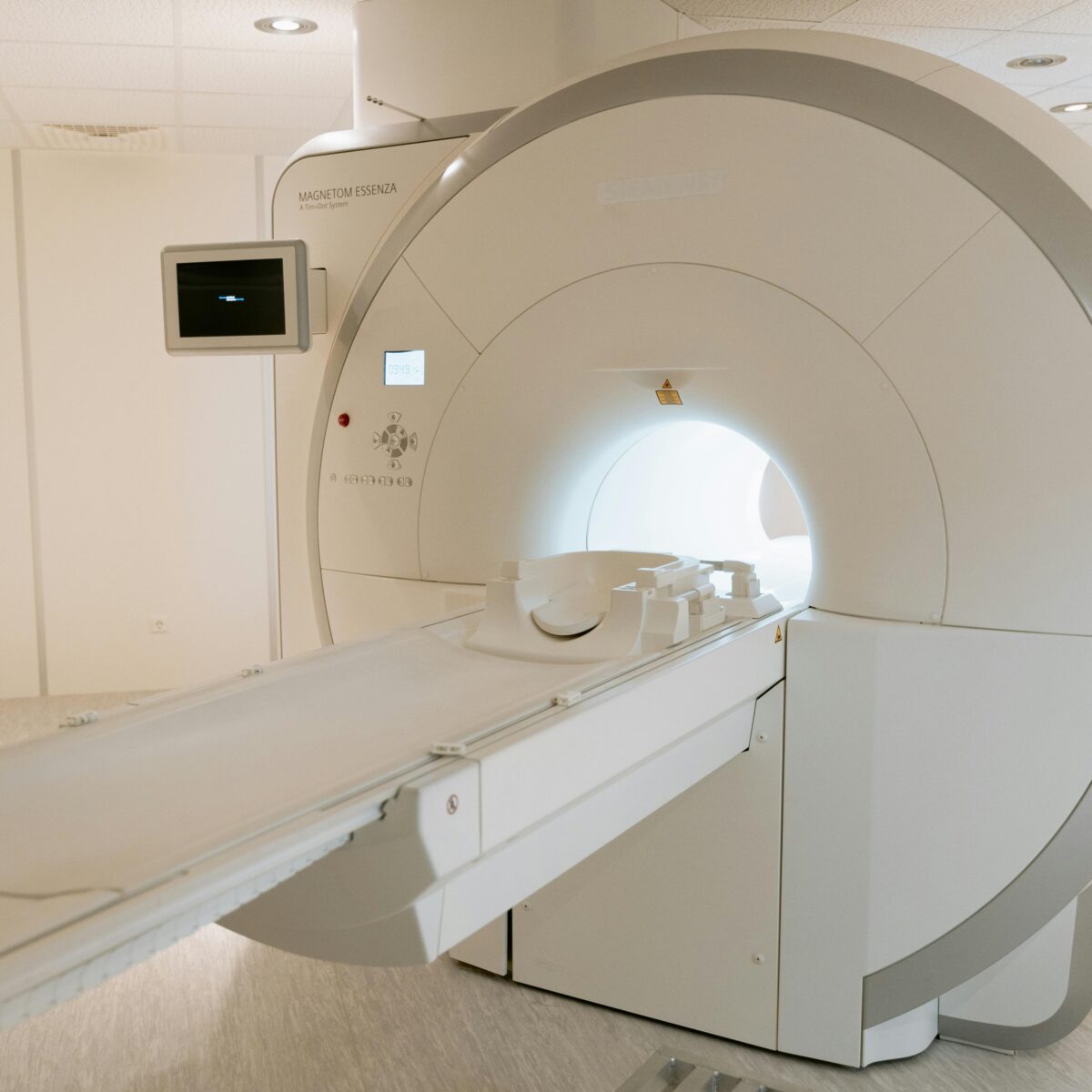
An MRI machine in a hospital.
£ 0 1 2 3 4 5 6 7 8 9 0 1 2 3 4 5 6 7 8 9 , 0 1 2 3 4 5 6 7 8 9 0 1 2 3 4 5 6 7 8 9 0 1 2 3 4 5 6 7 8 9
Average salary per year *
£ 0 1 2 3 4 5 6 7 8 9 , 0 1 2 3 4 5 6 7 8 9 0 1 2 3 4 5 6 7 8 9 0 1 2 3 4 5 6 7 8 9
Average salary per month *

Data powered by LMI for all
*according to ONS

Future career opportunities for a Healthcare Imaging Technician

As you gain experience, you could train further in imaging support or related healthcare areas. Many people move on to roles like mammography associate or assistant practitioner.

With more study, you might even become a registered radiographer who plans and carries out imaging and treatments.

How to become a Healthcare Imaging Technician

There’s no perfect career path or ideal way into your dream job.

But if you’re interested in education and training options that could be relevant to this role, you might want to consider:

Options available after GCSEs:

  • A T-level in Health or Science.
  • An apprenticeship as a Senior Healthcare Support Worker (Diagnostic Imaging Support).

Options available after that:

  • An apprenticeship as an Assistant Practitioner

Schools and colleges each have their own career guidance plan and can provide detailed information, advice, and guidance on options and next steps.

A little more about the role

Exciting features...

One exciting thing about being a Healthcare Imaging Technician is working with amazing imaging technology that helps to see inside the body without surgery.

You get to meet lots of different people every day and help them feel comfortable before their scan. It’s a mix of caring for patients and learning about how healthcare works behind the scenes.

You’ll be part of a team that makes sure images are safe and high quality so doctors can make good decisions. You also learn skills that can open doors to other healthcare jobs in the future.

Every day is different, and you play a key role in helping people and making healthcare better.

Other job titles...

This role can also be known by some other job titles including:

Imaging Support Worker
Radiography Assistant
Senior Healthcare Support Worker (Diagnostic imaging)
Diagnostic Support Assistant
Medical Imaging Care Support