Favourites

How a Retrofit Technician makes a difference

Retrofit Technicians help to fight climate change in the UK by cutting energy waste and reducing carbon emissions at home and work.
They help people save money on energy bills, keep homes warmer and help the country meet net-zero targets by improving how buildings use energy. This work supports healthier, more comfortable spaces and a greener future while supporting growth in construction and sustainable technology.

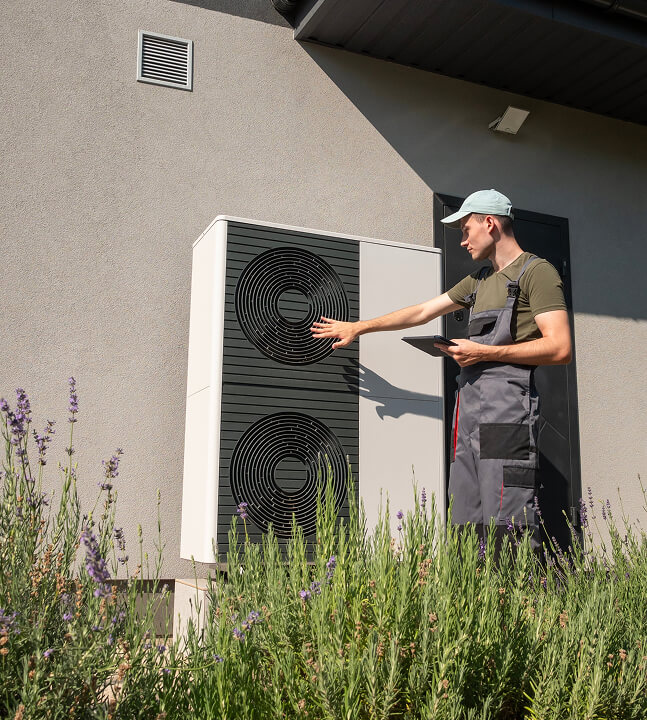
A man holding a tablet in one hand and reaching out to an external fan unit on the outside of a building.

The type of work a Retrofit Technician will do

  • Help install low-carbon heating like heat pumps and solar thermal systems
  • Fit insulation in walls, roofs and floors to stop heat escaping
  • Install energy-saving systems in buildings
  • Carry out measurements and support retrofit plans for a building
  • Use tools and equipment safely on site
  • Check systems are working correctly after installation
Useful skills
Problem solving
Useful skills
Technologically minded
Useful skills
Precise
Useful skills
Practical application
Useful skills
Logical thinking
£ 0 1 2 3 4 5 6 7 8 9 0 1 2 3 4 5 6 7 8 9 , 0 1 2 3 4 5 6 7 8 9 0 1 2 3 4 5 6 7 8 9 0 1 2 3 4 5 6 7 8 9
Average salary per year *
£ 0 1 2 3 4 5 6 7 8 9 , 0 1 2 3 4 5 6 7 8 9 0 1 2 3 4 5 6 7 8 9 0 1 2 3 4 5 6 7 8 9
Average salary per month *

Data powered by LMI for all
*according to ONS

Future career opportunities for a Retrofit Technician

Starting as a Retrofit Technician can lead to specialist jobs like Retrofit Coordinator or Domestic Energy Assessor, where you design and check retrofit plans. With more training, you could become a supervisor, trainer or even set up your own green retrofit business helping more homes improve their energy efficiency.

How to become a Retrofit Technician

There’s no perfect career path or ideal way into your dream job.

But if you’re interested in education and training options that could be relevant to this role, you might want to consider:

Options available after GCSEs:

  • A T-level in Building Services Engineering for Construction
  • An apprenticeship as a Low Carbon Heating Technician
  • An apprenticeship as an Insulation Technician

Schools and colleges each have their own career guidance plan and can provide detailed information, advice, and guidance on options and next steps.

A little more about the role

Exciting features...

Retrofit Technicians work on cutting-edge green technologies that help tackle climate change and make buildings greener. You’ll use tools and tech to install things like insulation, heat pumps and solar-thermal systems that help homes stay warm using less energy. Every day is different because each building has its own challenges and you’ll get to learn new skills on the job. You also work outdoors, meet lots of people, and can see the difference you make straight away when homes become more comfortable and cheaper to run.

Other job titles...

You might also see this role listed under different job titles, including:

Heat pump installer
Insulation installer
Renewable heating technician
Retrofit installer
Energy efficiency technician

How a HVAC Technician makes a difference

HVAC stands for heating, ventilation and air conditioning. HVAC technicians help people stay warm in winter and cool in summer.

By keeping equipment running efficiently, and by replacing older systems, they also help to reduce energy use and lower carbon emissions. This role supports health, comfort and the environment, making homes, schools, and workplaces better for everyone.

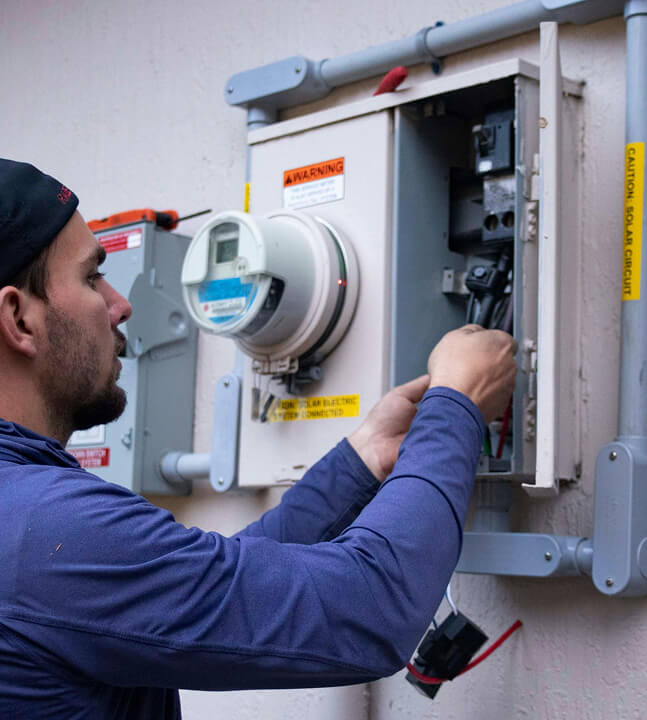
A man wearing blue, stood outside working with electrics.

The type of work a HVAC Technician will do

  • Install heating, ventilation and air conditioning systems
  • Carry out regular maintenance checks
  • Test systems to make sure they work safely
  • Diagnose and repair faults
  • Read and follow technical drawings and plans
  • Use tools to measure temperature, pressure and airflow
  • Replace worn or damaged parts
Useful skills
Logical thinking
Useful skills
Practical application
Useful skills
Precise
Useful skills
Problem solving
Useful skills
Technologically minded
£ 0 1 2 3 4 5 6 7 8 9 0 1 2 3 4 5 6 7 8 9 , 0 1 2 3 4 5 6 7 8 9 0 1 2 3 4 5 6 7 8 9 0 1 2 3 4 5 6 7 8 9
Average salary per year *
£ 0 1 2 3 4 5 6 7 8 9 , 0 1 2 3 4 5 6 7 8 9 0 1 2 3 4 5 6 7 8 9 0 1 2 3 4 5 6 7 8 9
Average salary per month *

Data powered by LMI for all
*according to ONS

Future career opportunities for a HVAC Technician

With experience, you could become a senior technician or supervisor. You might specialise in areas like refrigeration or energy-efficient systems (like heat pumps).

There are opportunities to move into design, project management or start your own business. You could also train others, or work on large-scale commercial or industrial projects.

How to become a HVAC Technician

There’s no perfect career path or ideal way into your dream job.

But if you’re interested in education and training options that could be relevant to this role, you might want to consider:

Options available after GCSEs:

  • A T-level in Building Services Engineering for Construction
  • An apprenticeship as a Refrigeration air conditioning and heat pump engineering technician

Schools and colleges each have their own career guidance plan and can provide detailed information, advice, and guidance on options and next steps.

A little more about the role

Exciting features...

This role is varied. You might work in homes one day and large office buildings the next. Technology is always improving, so you will keep learning new skills, especially around greener energy systems. You get to solve real problems and see the results of your work straight away.

Other job titles...

This role can also be known by some other job titles including:

Air conditioning engineer
Refrigeration engineer
HVAC engineer
Building services technician
Cooling systems installer
Maintenance engineer

How an HGV Engineering Technician makes a difference

HGV engineering technicians help to keep the country moving. Lorries deliver essential items like food, clothes and fuel around the country. This role makes sure those vehicles are safe, reliable and legal to use on the road.

By spotting problems early and fixing them properly, HGV engineering technicians help prevent breakdowns and accidents. They also work with newer technology, including computer systems that check how vehicles are running, which helps reduce pollution and improve safety for everyone.

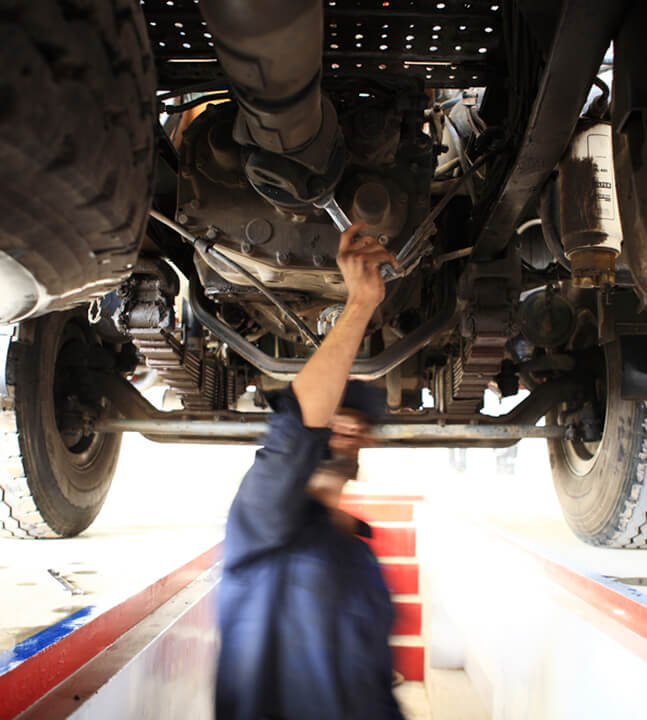
A HGV technician working underneath a large vehicle in blue overalls.

The type of work an HGV Engineering Technician will do

  • Service lorries and other heavy vehicles to make sure they are road worthy
  • Find faults and work out what is causing them
  • Repair or replace worn or broken parts
  • Work on engines, brakes, steering and suspension
  • Use computers to help diagnose vehicle faults
  • Prepare vehicles for MOT tests
  • Keep records of the work carried out
Useful skills
Attention to detail
Useful skills
Practical application
Useful skills
Critical thinking
£ 0 1 2 3 4 5 6 7 8 9 0 1 2 3 4 5 6 7 8 9 , 0 1 2 3 4 5 6 7 8 9 0 1 2 3 4 5 6 7 8 9 0 1 2 3 4 5 6 7 8 9
Average salary per year *
£ 0 1 2 3 4 5 6 7 8 9 , 0 1 2 3 4 5 6 7 8 9 0 1 2 3 4 5 6 7 8 9 0 1 2 3 4 5 6 7 8 9
Average salary per month *

Data powered by LMI for all
*according to ONS

Future career opportunities for an HGV Engineering Technician

With experience, HGV engineering technicians can become senior or master technicians. Some move into supervising a workshop or managing a team. Others specialise in areas like electrical systems or new electric and hybrid vehicles. There are also opportunities to train apprentices or move into roles such as fleet maintenance or technical support.

How to become an HGV Engineering Technician

There’s no perfect career path or ideal way into your dream job.

But if you’re interested in education and training options that could be relevant to this role, you might want to consider:

Options available after GCSEs:

  • A T-level in Maintenance, Installation and Repair for Engineering and Manufacturing
  • An apprenticeship as a Heavy Vehicle Service and Maintenance Technician

Schools and colleges each have their own career guidance plan and can provide detailed information, advice, and guidance on options and next steps.

A little more about the role

Exciting features...

This job lets you work with some of the biggest vehicles on the road. No two days are the same because every vehicle and fault is different. You get to use a mix of hands-on tools and modern computer equipment. As vehicles change, especially with electric and low emission technology, there are always new skills to learn. It is a practical job where you can see the results of your work straight away and know you are doing something important.

Other job titles...

You might also see this role listed under different job titles, including:

Heavy vehicle technician
HGV mechanic
Commercial vehicle technician
Truck and bus technician

How a Structural Engineering Technician makes a difference

Structural engineering technicians help check the places we live, work and travel in are safe and strong. They work with engineers to plan and draw parts of buildings and bridges.

Their work helps stop structures from failing and keeps people protected. By checking designs and materials, they make sure projects follow safety rules. Without this role, buildings and structures might not be tested properly, which could put people at risk.

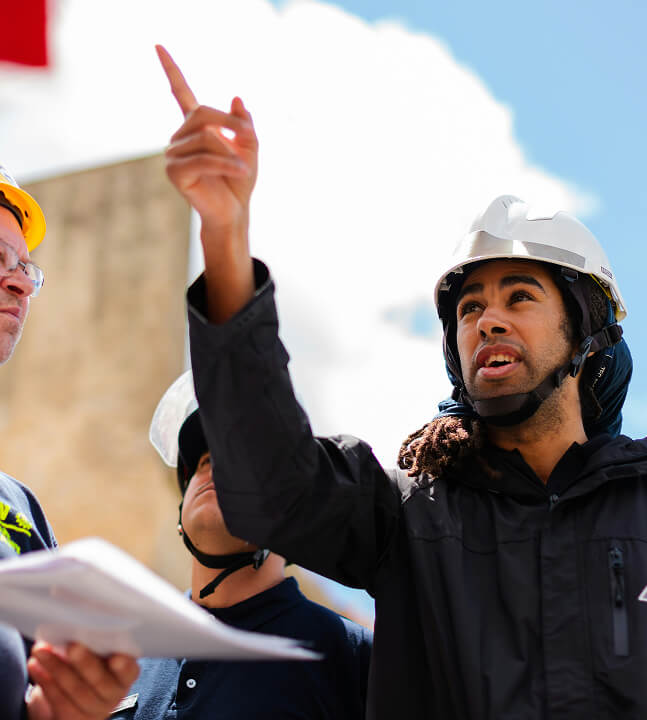
A mean wearing a hard hat on a building site.

The type of work a Structural Engineering Technician will do

  • Support engineers to design parts of buildings and structures
  • Create drawings and plans using computers
  • Check materials like steel and concrete
  • Visit building sites to inspect work
  • Use software to test how structures behave under weight
  • Measure forces acting on buildings and bridges
  • Work with engineers, architects and builders
Useful skills
Attention to detail
Useful skills
Communicating complex ideas
Useful skills
Precise
Useful skills
Problem solving
£ 0 1 2 3 4 5 6 7 8 9 0 1 2 3 4 5 6 7 8 9 , 0 1 2 3 4 5 6 7 8 9 0 1 2 3 4 5 6 7 8 9 0 1 2 3 4 5 6 7 8 9
Average salary per year *
£ 0 1 2 3 4 5 6 7 8 9 , 0 1 2 3 4 5 6 7 8 9 0 1 2 3 4 5 6 7 8 9 0 1 2 3 4 5 6 7 8 9
Average salary per month *

Data powered by LMI for all
*according to ONS

Future career opportunities for a Structural Engineering Technician

With experience and further study, structural engineering technicians can become senior technicians or team leaders. Some move on to become structural or civil engineers. Others go into areas like building design, surveying or project management as they gain more skills and qualifications.

How to become a Structural Engineering Technician

There’s no perfect career path or ideal way into your dream job.

But if you’re interested in education and training options that could be relevant to this role, you might want to consider:

Options available after GCSEs:

  • A T-level in Design, Surveying and Planning for Construction
  • An apprenticeship as an Engineering Design Technician or Structural Design Technician

Schools and colleges each have their own career guidance plan and can provide detailed information, advice, and guidance on options and next steps.

A little more about the role

Exciting features...

This role lets you help create real things like bridges, stadiums, tall buildings and homes. You will see projects grow from ideas on a screen to real structures on site. You use modern technology to test designs and solve problems. Some days are spent in an office and others out on site. You play an important part in keeping people safe by safe by helping check that structural designs are carried out properly.

Other job titles...

You might also see this role listed under different job titles, including:

Structural technician
Structural CAD technician
Engineering design technician
BIM technician

How a Research and Development Technician makes a difference

As a Research and Development Technician, you help test and refine ideas so they can become real working products.

You make sure designs work properly, help test and improve prototypes, and share your findings with engineers and other team members. Your work helps businesses build better, safer and more useful products, from cars and aircraft to everyday machines, and makes sure things work as they should before they reach customers.

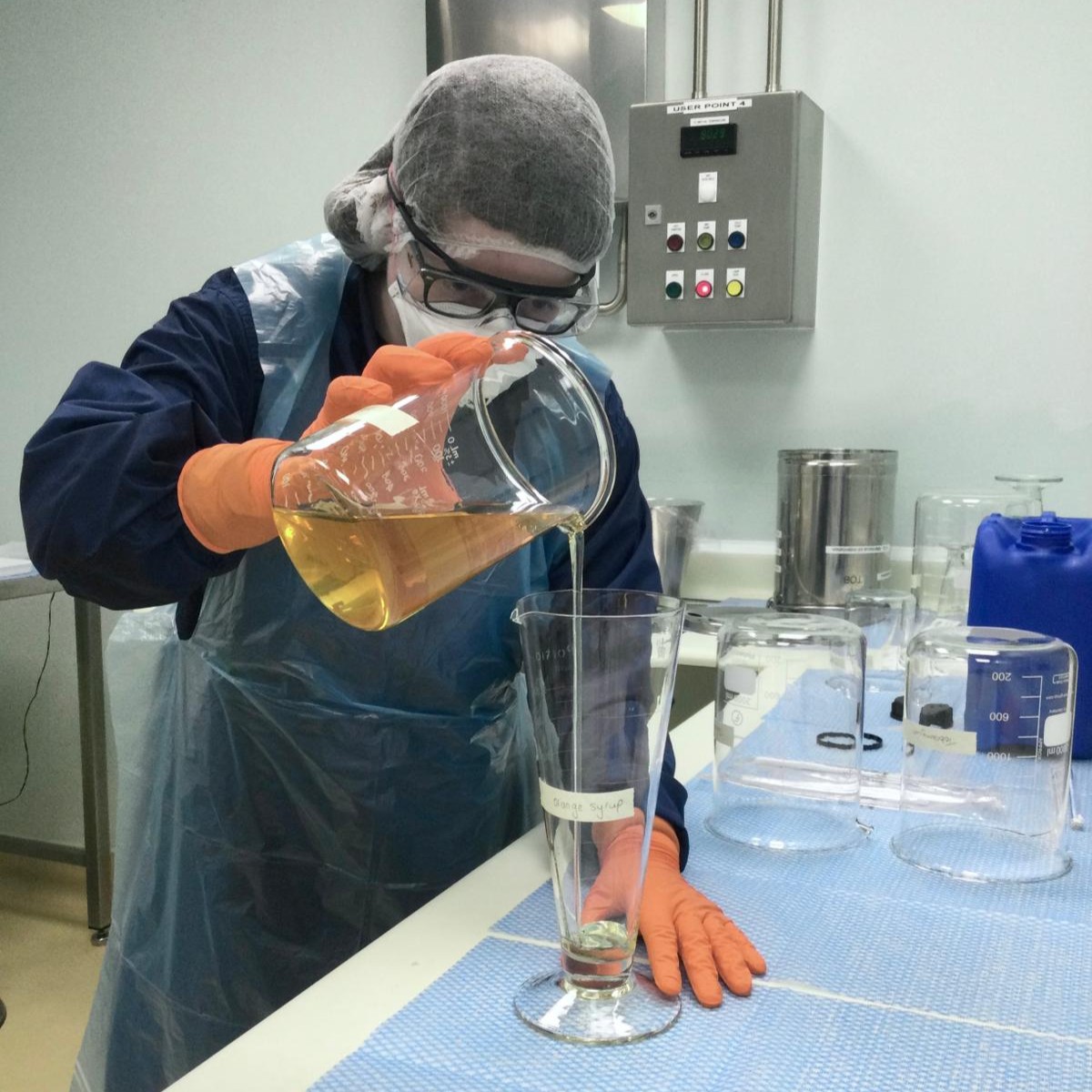
Louisa wearing an apron, facemask, safety goggles, and gloves, measuring out a liquid in the lab.

The type of work a Research and Development Technician will do

  • Help prepare and set up tools and equipment safely
  • Carry out tests on parts, systems and prototypes
  • Record results and check quality against designs
  • Work with engineers to solve problems found during testing
  • Read and follow drawings, plans and technical information
  • Use workshop and lab equipment such as measurement tools or 3D printers
Useful skills
Problem solving
Useful skills
Attention to detail
Useful skills
Logical thinking
Useful skills
Practical application
£ 0 1 2 3 4 5 6 7 8 9 0 1 2 3 4 5 6 7 8 9 , 0 1 2 3 4 5 6 7 8 9 0 1 2 3 4 5 6 7 8 9 0 1 2 3 4 5 6 7 8 9
Average salary per year *
£ 0 1 2 3 4 5 6 7 8 9 , 0 1 2 3 4 5 6 7 8 9 0 1 2 3 4 5 6 7 8 9 0 1 2 3 4 5 6 7 8 9
Average salary per month *

Data powered by LMI for all
*according to ONS

Future career opportunities for a Research and Development Technician

Starting as a Research and Development Technician can lead to roles such as product development technician, design technician or specialist technical roles. With experience and further training, you could move into higher technical jobs or work towards becoming an engineer.

How to become a Research and Development Technician

There’s no perfect career path or ideal way into your dream job.

But if you’re interested in education and training options that could be relevant to this role, you might want to consider:

Options available after GCSEs:

  • A T-level in Engineering, manufacturing, processing and control​
  • An apprenticeship as an Engineering Technician

Schools and colleges each have their own career guidance plan and can provide detailed information, advice, and guidance on options and next steps.

A little more about the role

Exciting features...

This role combines hands-on practical work with creative thinking. You might help build and test new ideas, work with prototypes or use digital tools to check how things fit and function. You will work alongside engineers in industries such as manufacturing, automotive or aerospace, helping test and improve products people use every day. There is always something new to learn and improve, making the job varied and interesting.

Other job titles...

You might also see this role listed under different job titles, including:

Engineering Technician
Product Design and Development Technician
Prototype Technician
Laboratory Technician
Technical Support Technician

How a Mechatronics Technician makes a difference

Mechatronics technicians are essential in places that use machines with lots of moving parts, like factories making cars or planes. They make sure the machines that help produce goods are safe, efficient and reliable.

When something breaks or doesn’t work correctly, they find the problem and fix it so the production line can keep running, which keeps products flowing to shops and customers. Their work helps companies meet goals for safety, quality and production.

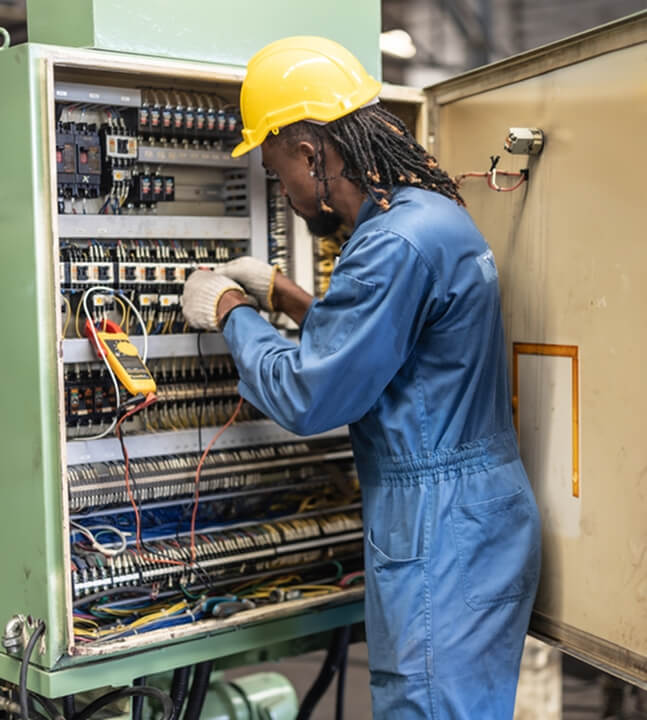
Man in blue overalls and yellow hard had working on an industrial size electric board.

The type of work a Mechatronics Technician will do

  • Install and set up automated equipment
  • Test machine systems to make sure they work properly
  • Find faults when things go wrong
  • Fix or adjust mechanical, electrical and control system problems
  • Do planned maintenance to prevent breakdowns
  • Keep clear records of completed work
Useful skills
Practical application
Useful skills
Problem solving
Useful skills
Technologically minded
Useful skills
Attention to detail
£ 0 1 2 3 4 5 6 7 8 9 0 1 2 3 4 5 6 7 8 9 , 0 1 2 3 4 5 6 7 8 9 0 1 2 3 4 5 6 7 8 9 0 1 2 3 4 5 6 7 8 9
Average salary per year *
£ 0 1 2 3 4 5 6 7 8 9 , 0 1 2 3 4 5 6 7 8 9 0 1 2 3 4 5 6 7 8 9 0 1 2 3 4 5 6 7 8 9
Average salary per month *

Data powered by LMI for all
*according to ONS

Future career opportunities for a Mechatronics Technician

Once trained, mechatronics technicians can specialise further in roles like Maintenance Engineer or Automation Specialist. With more experience you might move into team leadership, technical management, project engineering or broader engineering roles in sectors such as aerospace, automotive and energy.

How to become a Mechatronics Technician

There’s no perfect career path or ideal way into your dream job.

But if you’re interested in education and training options that could be relevant to this role, you might want to consider:

Options available after GCSEs:

  • A T-level in Engineering, Manufacturing, Processing and Control
  • An apprenticeship as an Engineering technician

Schools and colleges each have their own career guidance plan and can provide detailed information, advice, and guidance on options and next steps.

A little more about the role

Exciting features...

As a mechatronics technician, you work with lots of modern machines and systems that combine mechanics, electricity and electronics. You get to figure out how things work and be the person who gets things back up and running when they go wrong. You might work on robots, conveyor systems, control panels and sensors. Some days you’ll be in busy workshops or production halls, and other days you could be solving complex problems on advanced automated equipment. This role is hands on, varied and gives you skills employers across many industries value.

Other job titles...

You might also see this role listed under different job titles, including:

Mechatronics Maintenance Technician
Automation Technician
Engineering Technician
Maintenance Engineer
Technical Support Technician

How a Materials Technician makes a difference

Materials technicians help create and check materials that are used in everyday products and cutting-edge technologies. They make sure materials are safe, strong, reliable and fit for purpose.

Their work supports things like cars, planes, medicines, sports gear, buildings and more. By testing and improving materials, they help companies make better products and support innovation in science and engineering.

A 3D printer creating a model out of metal powder.

The type of work a Materials Technician will do

  • Prepare materials for experiments and processing
  • Use tools and machines for cutting, moulding and forming materials
  • Test how materials behave under different conditions
  • Carry out quality checks on products and components
  • Record and analyse test results for engineers
  • Help make composite parts for different industries
Useful skills
Attention to detail
Useful skills
Critical thinking
Useful skills
Practical application
Useful skills
Precise
Useful skills
Problem solving
£ 0 1 2 3 4 5 6 7 8 9 0 1 2 3 4 5 6 7 8 9 , 0 1 2 3 4 5 6 7 8 9 0 1 2 3 4 5 6 7 8 9 0 1 2 3 4 5 6 7 8 9
Average salary per year *
£ 0 1 2 3 4 5 6 7 8 9 , 0 1 2 3 4 5 6 7 8 9 0 1 2 3 4 5 6 7 8 9 0 1 2 3 4 5 6 7 8 9
Average salary per month *

Data powered by LMI for all
*according to ONS

Future career opportunities for a Materials Technician

Being a Materials Technician can lead to jobs such as Materials Engineer, Quality Technician, Laboratory Technician or a specialist technician in industries like aerospace or automotive. With more training or education, you could move into research, product development or leading technical teams.

How to become a Materials Technician

There’s no perfect career path or ideal way into your dream job.

But if you’re interested in education and training options that could be relevant to this role, you might want to consider:

Options available after GCSEs:

  • A T-level in Engineering, Manufacturing, Processing and Control
  • An apprenticeship as a Composites Technician

More options available after that:

  • An apprenticeship as an Engineering Manufacturing Technician
  • An HTQ in Manufacturing Engineering

Schools and colleges each have their own career guidance plan and can provide detailed information, advice, and guidance on options and next steps.

A little more about the role

Exciting features...

As an advanced materials technician, you get hands-on with exciting materials that make products lighter, stronger and smarter. You might work with materials used in cars, planes, renewable energy or medical equipment. The role mixes science with practical work, using specialist tools, machines and testing equipment. Every day can be different, especially when you are helping to develop new materials and technologies for the future.

Other job titles...

You might also see this role listed under different job titles, including:

Materials technician
Composites technician
Materials testing technician
Production technician
Laboratory technician

How a Chemical Process Technician makes a difference

Chemical Process Technicians help create everyday products like medicines, fuels, plastics and cleaning products. They make sure these products are made safely, to the right quality and without harming people or the environment.

By carefully checking equipment and following safety rules, they help factories run smoothly and stop accidents from happening. Their work supports important industries that people rely on every day, from healthcare to energy and clean water.

Shelves in a lab lined up with various glass lab equipment like conical flasks

The type of work a Chemical Process Technician will do

  • Set up and run machines that mix or change chemicals
  • Take and record measurements for things like temperature and pressure
  • Take and check samples to check product quality
  • Make sure processes are carried out safely
  • Spot problems and report them quickly
Useful skills
Attention to detail
Useful skills
Practical application
Useful skills
Precise
Useful skills
Critical thinking
£ 0 1 2 3 4 5 6 7 8 9 0 1 2 3 4 5 6 7 8 9 , 0 1 2 3 4 5 6 7 8 9 0 1 2 3 4 5 6 7 8 9 0 1 2 3 4 5 6 7 8 9
Average salary per year *
£ 0 1 2 3 4 5 6 7 8 9 , 0 1 2 3 4 5 6 7 8 9 0 1 2 3 4 5 6 7 8 9 0 1 2 3 4 5 6 7 8 9
Average salary per month *

Data powered by LMI for all
*according to ONS

Future career opportunities for a Chemical Process Technician

With experience, a Chemical Process Technician could become a senior technician, team leader or supervisor. Some people move into quality control, maintenance or training roles. Others continue learning and move into engineering or process management. There are opportunities across many industries, including energy, pharmaceuticals and manufacturing.

How to become a Chemical Process Technician

There’s no perfect career path or ideal way into your dream job.

But if you’re interested in education and training options that could be relevant to this role, you might want to consider:

Options available after GCSEs:

  • A T-level in Engineering, Manufacturing, Processing and Control
  • An apprenticeship as a Process Industry Manufacturing Technician

Schools and colleges each have their own career guidance plan and can provide detailed information, advice, and guidance on options and next steps.

A little more about the role

Exciting features...

Chemical Process Technicians work with different processes, machines and products. The job can involve large machines, control rooms and real responsibility. You help make products used all over the world. It is a hands-on role where your work really matters, especially when it comes to safety and protecting the environment.

Other job titles...

You might also see this role listed under different job titles, including:

Chemical process technician
Chemical production technician
Process manufacturing technician
Plant technician

How a Power Networks Technician makes a difference

The electricity we receive in our homes, schools, factories, shops and offices is transported to us through a vast network of high-voltage power cables, transformers and storage facilities. This network needs to be planned, managed and maintained, as more places need electricity and parts of the network get old.

The energy that creates the electricity comes from several different sources, including fossil fuel power stations and increasingly renewable sources of energy, including solar farms, and wind and wave turbines. You could be the technician who helps to connect the new, cleaner sources and contributes to greener energy supply.

A power network technician doing maintenance in an electrical substation.

The type of work a Power Networks Technician will do

  • Using electrical testing and measuring equipment
  • Following the correct procedures for completing checks
  • Maintaining key interconnecting points on the network
  • Stripping machinery down and putting it back together
  • Installing new equipment
  • Completing reports on the work carried out
  • Providing accurate and reliable data to support business decisions
Useful skills
Precise
Useful skills
Logical thinking
Useful skills
Instructing others
£ 0 1 2 3 4 5 6 7 8 9 0 1 2 3 4 5 6 7 8 9 , 0 1 2 3 4 5 6 7 8 9 0 1 2 3 4 5 6 7 8 9 0 1 2 3 4 5 6 7 8 9
Average salary per year *
£ 0 1 2 3 4 5 6 7 8 9 , 0 1 2 3 4 5 6 7 8 9 0 1 2 3 4 5 6 7 8 9 0 1 2 3 4 5 6 7 8 9
Average salary per month *

Data powered by LMI for all
*according to ONS

Future career opportunities for a Power Networks Technician

You will begin your career working in a team, learning how different parts of power networks connect and operate. With experience you may become a specialist in a particular area, with responsibility for training others.

You might choose to specialise in renewable energy because of your commitment to combatting climate change. Or you could become involved in the commissioning of new technologically-advanced kit that is more energy efficient and reliable.

How to become a Power Networks Technician

There’s no perfect career path or ideal way into your dream job. But if you're interested in education and training options that could be relevant to this role, you might want to consider:

But if you’re interested in education and training options that could be relevant to this role, you might want to consider:

Options available after GCSEs:

More options available after that:

  • An apprenticeship as a Junior Production Coordinator.
  • An apprenticeship as a Post Production Technical Operator.
  • An apprenticeship as a Post Production Engineer.

Schools and colleges each have their own career guidance plan and can provide detailed information, advice, and guidance on options and next steps.

A little more about the role

Exciting features...

The network that electricity travels across is known as the National Grid. If one part of it breaks down, the grid will continue to supply electricity from other power stations on the grid. Through the maintenance work you do, you’ll help to ensure people don’t lose their electricity supply. Or if extreme weather conditions mean electric power is down, you’ll be part of the team making sure it is supplied again quickly.

Other job titles...

This role can also be known by some other job titles including:

Substation Engineer
Asset Management Engineer
Planning Engineer
Design Engineer
Control Engineer
Electrical Project Engineer
Operational Delivery Manager

How a Compressed Air and Vacuum Technician makes a difference

If air is kept at a pressure that is greater than normal air pressure (atmospheric), it is defined as compressed air. If it is kept at a pressure that is less than normal air pressure, it is defined as a vacuum. Compressed air and vacuums are used in a range of products and services including power tools, cleaning systems, gas generation, and air cylinders that enable automation.

Technicians support the effective operations of these tools and systems, by diagnosing faults, repairing equipment, and carrying out maintenance to ensure optimum efficiency. A wide range of industries need this support, including manufacturing, pharmaceutical, oil and gas, power stations, hospitals, and transportation. You could be the technician who carries out specialist repairs and installations to keep operations running smoothly.

Three canisters of compressed air.

The type of work a Compressed Air and Vacuum Technician will do

  • Installing and servicing equipment
  • Diagnosing faults and completing repairs
  • Monitoring processes and energy performance
  • Adjusting controls to ensure equipment is operating at optimum efficiency
  • Providing technical advice to customers
  • Planning and organising work to meet customers’ priorities and schedules
  • Producing job reports and maintaining stock control records
Useful skills
Logical thinking
Useful skills
Attention to detail
Useful skills
Instructing others
Useful skills
Communicating complex ideas
Useful skills
Precise
£ 0 1 2 3 4 5 6 7 8 9 0 1 2 3 4 5 6 7 8 9 , 0 1 2 3 4 5 6 7 8 9 0 1 2 3 4 5 6 7 8 9 0 1 2 3 4 5 6 7 8 9
Average salary per year *
£ 0 1 2 3 4 5 6 7 8 9 , 0 1 2 3 4 5 6 7 8 9 0 1 2 3 4 5 6 7 8 9 0 1 2 3 4 5 6 7 8 9
Average salary per month *

Data powered by LMI for all
*according to ONS

Future career opportunities for a Compressed Air and Vacuum Technician

You could begin your career working in a specialist engineering services business, where you’ll provide technical support to a range of customers. 

Alternatively, many industrial businesses have their own technicians to provide continuous technical advice and services. You could progress to being a team leader, running a group of engineers and training other people.

How to become a Compressed Air and Vacuum Technician

There’s no perfect career path or ideal way into your dream job.

But if you’re interested in education and training options that could be relevant to this role, you might want to consider:

Options available after GCSEs:

Schools and colleges each have their own career guidance plan and can provide detailed information, advice, and guidance on options and next steps.

A little more about the role

Exciting features...

The latest examples of compressed air and vacuum equipment are highly innovative, using information technology (IT) control systems and internet connectivity to ensure cutting edge efficiency. Automation is also rapidly expanding, particularly in industrial environments, with air cylinders helping to create force and different directions of motion. There are many great opportunities to be involved in exciting innovation.

Other job titles...

This role can also be known by some other job titles including:

Air Treatment Engineer
Air Treatment Technician
Commissioning Engineer
Electrical Engineer
Electrical Technician
Installation Engineer
Mechanical Engineer
Pressure Systems Competent Person
Product Support Engineer
Service Engineer
Service Technician