
Favourites

How a Civil Engineering Technician makes a difference

Every bridge, building, road, or tunnel we use has the expertise of civil engineers built into it. Their expertise helps to make the villages, towns and cities we all live and work in, and they play an ever-increasing role safeguarding and improving environments to preserve them for future generations.
Civil engineering technicians support this design and creation process. They plan, manage, and coordinate the building phase of civil engineering projects, and provide construction teams with project specifications and information. You could be the technician who contributes to remarkable things being built that improve people’s lives, while also considering the environment.

A man and woman discussing and annotating engineering drawings.

The type of work a Civil Engineering Technician will do

  • Producing and modifying engineering diagrams and models
  • Collecting and interpreting technical information and carrying out calculations
  • Using digital technologies to prepare and present designs and visualisations
  • Confirming designs meet all health, safety and welfare requirements
  • Following environmental policies and finding ways to achieve environmental ambitions
  • Supporting construction projects with relevant technical information
  • Meeting with clients, architects, building contractors, and local authorities to present and collaborate on plans
Useful skills
Logical thinking
Useful skills
Communicating complex ideas
Useful skills
Problem solving
Useful skills
Technologically minded
£ 0 1 2 3 4 5 6 7 8 9 0 1 2 3 4 5 6 7 8 9 , 0 1 2 3 4 5 6 7 8 9 0 1 2 3 4 5 6 7 8 9 0 1 2 3 4 5 6 7 8 9
Average salary per year *
£ 0 1 2 3 4 5 6 7 8 9 , 0 1 2 3 4 5 6 7 8 9 0 1 2 3 4 5 6 7 8 9 0 1 2 3 4 5 6 7 8 9
Average salary per month *

Data powered by LMI for all
*according to ONS

Future career opportunities for a Civil Engineering Technician

You could start your career in a consultancy where you work on a range of different projects for UK and international clients. Or you might decide to work for a large building contractor responsible for overseeing the delivery of major projects.

With experience you could lead a team of technicians, or decide to specialise in the planning of a specific kind of infrastructure or building. Alternatively, you could decide to become a programme manager, overseeing implementation of every part of the process from design to delivery.

How to become a Civil Engineering Technician

There’s no perfect career path or ideal way into your dream job.

But if you’re interested in education and training options that could be relevant to this role, you might want to consider:

Options available after GCSEs:

More options available after that:

  • A Higher Technical Qualification, such as a Higher National Certificate in Civil Engineering for England.
  • An apprenticeship as a Civil Engineering Senior Technician.

Schools and colleges each have their own career guidance plan and can provide detailed information, advice, and guidance on options and next steps.

A little more about the role

Exciting features...

The range of building and infrastructure projects civil engineering technicians can get involved in is extensive. Parks and public spaces need planning, just as much as tunnels and roads. Schools, hospitals, and museums need just as much thought as bridges and offices. Water, waste and coastal engineering systems require just as much civil engineering expertise. And with the constant evolution of technology, such as augmented reality, designs can be experienced in full before they are built.

Other job titles...

This role can also be known by some other job titles including:

Civil Infrastructure Technician
Structural Technician
Construction Technician
Design Technician
Engineering Technician
Site Technician

How a Maintenance and Operations Engineering Technician makes a difference

There are vital goods and infrastructure we all depend on, including energy and food, transport and telecommunications, healthcare and pharmaceuticals.

These industries operate from manufacturing plants, using mechanical and automated equipment and networks to extract and transport resources. You could be the technician who makes sure essential machinery and systems keep operating.

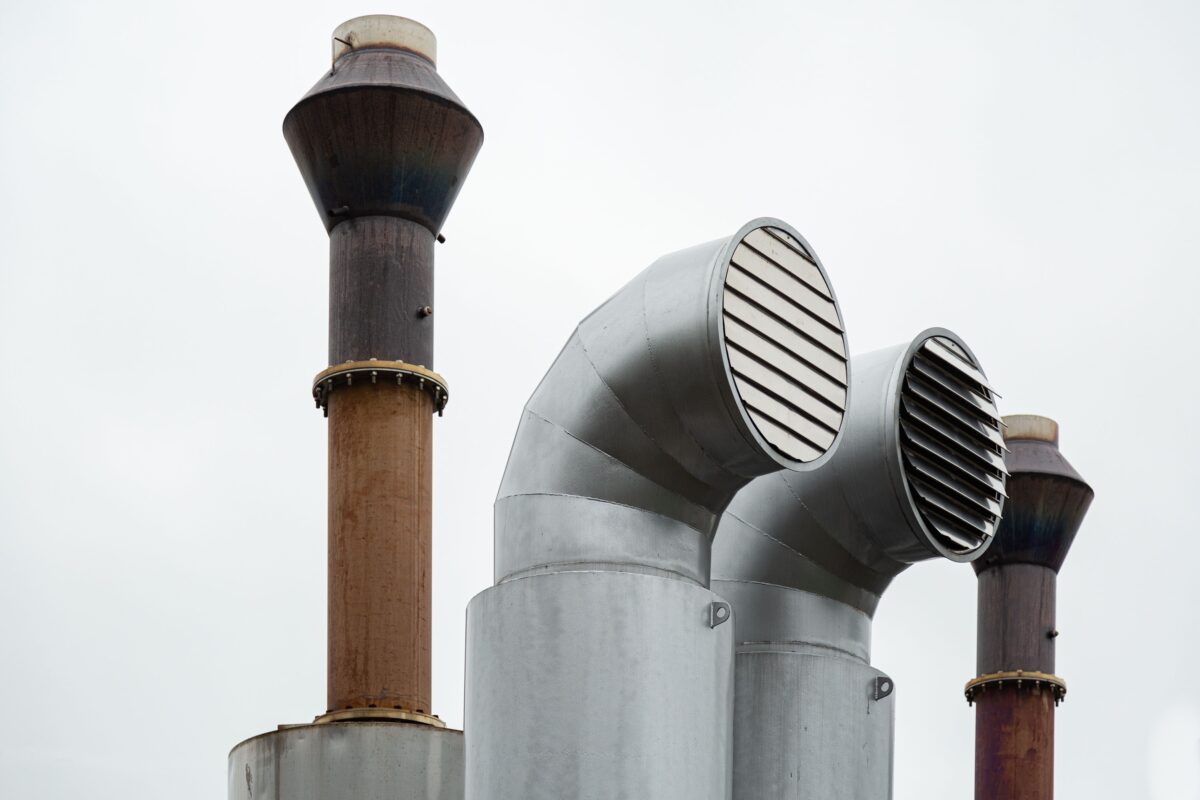
Ventilation pipes on the roof of a factory.

The kind of work a Maintenance and Operations Engineering Technician will do

  • Installation and maintenance of a range of equipment
  • Starting up and shutting down plants
  • Dealing with critical operational problems
  • Carrying out reactive repairs
  • Meeting performance targets for quality, time and budget
  • Taking responsibility for your own work and overseeing others
Useful skills
Attention to detail
Useful skills
Instructing others
Useful skills
Precise
Useful skills
Problem solving
£ 0 1 2 3 4 5 6 7 8 9 0 1 2 3 4 5 6 7 8 9 , 0 1 2 3 4 5 6 7 8 9 0 1 2 3 4 5 6 7 8 9 0 1 2 3 4 5 6 7 8 9
Average salary per year *
£ 0 1 2 3 4 5 6 7 8 9 , 0 1 2 3 4 5 6 7 8 9 0 1 2 3 4 5 6 7 8 9 0 1 2 3 4 5 6 7 8 9
Average salary per month *

Data powered by LMI for all
*according to ONS

Future career opportunities for a Maintenance and Operations Engineering Technician

With training and experience you could qualify as an engineer in your particular industry.

You could also move into maintenance team management, contract management (which involves supporting customers), technical sales or training others.

How to get into this role

There’s no perfect career path or ideal way into your dream job.

But if you’re interested in education and training options that could be relevant to this role, you might want to consider:

Options available after GCSEs:

Schools and colleges each have their own career guidance plan and can provide detailed information, advice, and guidance on options and next steps.

A little more about the role

Exciting features...

If you work in an electricity-generating environment you could be maintaining equipment and plants for renewable energy sources including wind and solar. You might be supporting the processing and production of chemicals or pharmaceuticals. Alternatively, you could be controlling sewerage, or enabling the exploration for oil and gas.

Other job titles...

Electro Mechanical Technician
Electrical Systems Technician
Process Control Technician

How a Transport and Planning Technician makes a difference

People, products, and services are constantly on the move and depend on public transport, roads, and infrastructure to get them to where they need to go. The challenge of climate change means there’s a big emphasis on creating efficient, low emission transport.

Detailed planning is required before any investment is made in new or improved transport systems. You could be the technician who plans how and where new things should go and makes our transport, infrastructure and lives much greener.

The type of work a Transport and Planning Technician will do

  • Data collection, analysis and evaluation
  • Identifying risks and hazards impacting on plans
  • Producing written reports and delivering presentations
  • Finding ways to improve safety, security, inclusion, and sustainability across different transport systems
  • Contributing to the modelling of transport and traffic systems
  • Supporting development of policies, plans and projects
  • Engaging with the local community on planning proposals
Useful skills
Critical thinking
Useful skills
Communicating complex ideas
Useful skills
Logical thinking
Useful skills
Precise

Data powered by LMI for all
*according to ONS

Future career opportunities for a Transport and Planning Technician

This role will give you opportunities to work in lots of different environments – in local and central government departments, within an architecture, construction or project management consultancy, or in a university or research organisation.

The scale and complexity of projects you work on will increase over time and you may decide to specialise in a particular form of transport or infrastructure.

How to become a Transport and Planning Technician

There’s no perfect career path or ideal way into your dream job.

But if you’re interested in education and training options that could be relevant to this role, you might want to consider:

Options available after GCSEs:

Schools and colleges each have their own career guidance plan and can provide detailed information, advice, and guidance on options and next steps.

A little more about the role

Exciting features...

In this role you’ll use data analysis and digital technologies to model and forecast levels of travel, the demand for different kinds of transport and to influence behaviours. You’ll liaise with colleagues involved in land planning, environmental assessment, engineering and construction to determine which plans are most feasible.

Other job titles...

This role can also be known by some other job titles including:

Assistant Planner
Assistant Technician
Assistant Transport Planner
Transport Planning Assistant
Transport Planning Technician

How a Wind Turbine Technician makes a difference

Wind turbines are becoming an increasingly common feature on land and at sea as we focus more on renewable energy sources to help combat climate change.

These tall machines reach up to 90 metres and need to be monitored and maintained to ensure they run as reliably and efficiently as possible, generating a reliable source of energy for businesses and homes. You could be the technician that supports a renewable energy supply and our ambition to be net zero carbon by 2050.

The type of work a Wind Turbine Technician will do

  • Install wind turbine towers on land or at sea
  • Fit electrical, mechanical, and hydraulic equipment
  • Test turbine blades and control systems
  • Climb towers to inspect them
  • Find faults and fix them
  • Carry out planned maintenance work
  • Run safety checks and keep records
Useful skills
Attention to detail
Useful skills
Problem solving
£ 0 1 2 3 4 5 6 7 8 9 0 1 2 3 4 5 6 7 8 9 , 0 1 2 3 4 5 6 7 8 9 0 1 2 3 4 5 6 7 8 9 0 1 2 3 4 5 6 7 8 9
Average salary per year *
£ 0 1 2 3 4 5 6 7 8 9 , 0 1 2 3 4 5 6 7 8 9 0 1 2 3 4 5 6 7 8 9 0 1 2 3 4 5 6 7 8 9
Average salary per month *

Data powered by LMI for all
*according to ONS

Future career opportunities for a Wind Turbine Technician

Experience in this role will enable you to diagnose and repair different parts of the turbines and work at greater heights.

Over time you could be leading a team, training others on the systems and technologies involved, or leading health and safety across a business. Your skills will be valued all over the world, enabling you to travel and work overseas.

How to become a Wind Turbine Technician

There’s no perfect career path or ideal way into your dream job.

But if you’re interested in education and training options that could be relevant to this role, you might want to consider:

Options available after GCSEs:

Schools and colleges each have their own career guidance plan and can provide detailed information, advice, and guidance on options and next steps.

A little more about the role

Exciting features...

You’ll be working at the forefront of a vital technology that is helping to solve one of the world’s biggest challenges – climate change. Whether you work on land or at sea, you’ll be required to complete complex tasks at great heights. You’ll be trained in the systems and tools required to monitor and repair the wind turbines and the equipment you need to keep you safe.

Other job titles...

This role can also be known by some other job titles including:

Wind Farm Technician

How a University Technician makes a difference

Most universities have laboratories where important research programmes are carried out and where students studying a range of science and engineering subjects learn experimentation techniques.

Laboratories and the equipment in them need to be properly supplied and managed, and students and researchers need support with their projects and experiments. You could be the technician who carries out research processes and helps students and colleagues to make scientific discoveries.

The type of work a University Technician will do

  • Carrying out repeat experiments
  • Data capture and record keeping
  • Checking findings against standards, highlighting any differences
  • Evaluating data
  • Formulating and reporting evidence
  • Collaborating with the lab team and university teachers
  • Helping students plan and carry out their scientific work
Useful skills
Attention to detail
Useful skills
Problem solving
£ 0 1 2 3 4 5 6 7 8 9 0 1 2 3 4 5 6 7 8 9 , 0 1 2 3 4 5 6 7 8 9 0 1 2 3 4 5 6 7 8 9 0 1 2 3 4 5 6 7 8 9
Average salary per year *
£ 0 1 2 3 4 5 6 7 8 9 , 0 1 2 3 4 5 6 7 8 9 0 1 2 3 4 5 6 7 8 9 0 1 2 3 4 5 6 7 8 9
Average salary per month *

Data powered by LMI for all
*according to ONS

Future career opportunities for a University Technician

Your technician role will give you skills that are transferrable to many kinds of laboratories, so you could decide to work in several different sectors.

Over time, you will have the experience to manage a team and could become a lab manager.

How to become a University Technician

There’s no perfect career path or ideal way into your dream job.

But if you’re interested in education and training options that could be relevant to this role, you might want to consider:

Options available after GCSEs:

  • A T-level in Science.
  • An apprenticeship as a Laboratory Technician.

Schools and colleges each have their own career guidance plan and can provide detailed information, advice, and guidance on options and next steps.

A little more about the role

Exciting features...

As well as being involved in research and working with scientists on research programmes, you will play an important role helping students to become immersed in their scientific studies. You will also enable them to operate in the laboratory safely and efficiently and achieve their scientific goals.

Other job titles...

This role can also be known by some other job titles including:

Analytical Support Chemist
Technical Support Scientist
Microbiology Support Scientist
Process Development Technologist
Laboratory Assistant
Senior Laboratory Technician
Assistant Scientist
Technical Specialist (Scientist)
Quality Control Laboratory Assistant
Laboratory Co-ordinator
Technical Laboratory Assistant
Laboratory Analyst
Laboratory Research Assistant

How a Space Engineering Technician makes a difference

Space manufacturing includes the design and production of satellites, as well as the components and subsystems that are used within them. This area of manufacturing is growing in the UK and more specialist engineers are needed to work in UK spaceports, new satellite launch sites and testing facilities.

As a space engineering technician, you’ll be involved in the development, manufacture, assembly, integration, and testing of complex, high-value space hardware and ground-based equipment. Every component helps to enable important things like in-space power generation, altitude control, rocket propulsion, and space communication. You could be the technician who helps space exploration to happen without a hitch and communications to be maintained.

The type of work a Space Engineering Technician will do

  • Build and test precision components
  • Plan and carry out component assembly
  • Inspect components and find the source of any faults
  • Carry out integration and testing activity
  • Operate equipment and analysis tools
  • Complete documentation for each stage of activity
  • Present test results
  • Find ways to improve processes and procedures
Useful skills
Critical thinking
Useful skills
Decisive
Useful skills
Instructing others
Useful skills
Precise
Useful skills
Technologically minded
£ 0 1 2 3 4 5 6 7 8 9 0 1 2 3 4 5 6 7 8 9 , 0 1 2 3 4 5 6 7 8 9 0 1 2 3 4 5 6 7 8 9 0 1 2 3 4 5 6 7 8 9
Average salary per year *
£ 0 1 2 3 4 5 6 7 8 9 , 0 1 2 3 4 5 6 7 8 9 0 1 2 3 4 5 6 7 8 9 0 1 2 3 4 5 6 7 8 9
Average salary per month *

Data powered by LMI for all
*according to ONS

Future career opportunities for a Space Engineering Technician

Once you’ve built your knowledge about a range of components, you may decide to specialise in a particular kind, or focus your career on the research and development of new components.

Senior space engineering roles include responsibility for managing and training other people, project management, and liaising with international space partners.

How to become a Space Engineering Technician

There’s no perfect career path or ideal way into your dream job.

But if you’re interested in education and training options that could be relevant to this role, you might want to consider:

Options available after GCSEs:

More options available after that:

  • A Higher Technical Qualification such as a Higher National Certificate in Space Technologies for England.
  • An apprenticeship as a Space Engineering Technician.

Schools and colleges each have their own career guidance plan and can provide detailed information, advice, and guidance on options and next steps.

A little more about the role

Exciting features...

You will contribute to inspection and testing activities for mission-critical satellites and support the integration of technology at space centres and launch sites in other countries. Your range of customers will include space agencies and satellite operators and you will interact with international organisations responsible for space technology standardisation and quality.

Other job titles...

This role can also be known by some other job titles including:

Advanced Manufacturing Technician
Assembly
Control and Instrumentation Engineering Technician
Electrical Engineering Technician
Integration and Test Technician
Materials and Chemical Engineering Technician
Quality and Product Assurance Technician
Satellite Manufacturing
Spacecraft Mechanical Engineering Technician
Spacecraft Propulsion Engineering Technician

How a Refrigeration Engineering Technician makes a difference

There are many industries that use climate control systems to maintain a steady or cool temperature, either to protect their goods or services, or to create comfortable leisure and work environments. Industries include food production, product distribution, retail storage, hospitality, transport, office spaces, manufacturing, IT/data centres, and medical healthcare services.

A refrigeration technician is involved in the design, installation, maintenance and repair of refrigeration, air conditioning, and heat pump systems. This involves understanding technology and mechanics and making sure refrigeration systems are as efficient as possible. You could be the technician who helps to preserve food and products, keeps people comfortable, and who installs new energy-efficient technology. 

The type of work a Refrigeration Engineering Technician will do

  • Installation and testing of cooling systems
  • Fault diagnosis and repairing of systems
  • Component selection and installation
  • Assessing risks and hazards and putting the right safety measures in place
  • Setting and testing electrical and electronic control systems
  • Positioning and fixing pipework and electrical circuits
  • Understanding manufacturers’ product manuals and instructions
  • Setting the parameters for energy efficient performance
Useful skills
Precise
Useful skills
Problem solving
Useful skills
Instructing others
Useful skills
Logical thinking
Useful skills
Attention to detail
£ 0 1 2 3 4 5 6 7 8 9 0 1 2 3 4 5 6 7 8 9 , 0 1 2 3 4 5 6 7 8 9 0 1 2 3 4 5 6 7 8 9 0 1 2 3 4 5 6 7 8 9
Average salary per year *
£ 0 1 2 3 4 5 6 7 8 9 , 0 1 2 3 4 5 6 7 8 9 0 1 2 3 4 5 6 7 8 9 0 1 2 3 4 5 6 7 8 9
Average salary per month *

Data powered by LMI for all
*according to ONS

Future career opportunities for a Refrigeration Engineering Technician

You could join a small team focused on serving local businesses. Or you might prefer being part of a large UK firm involved in big installations and maintenance contracts all over the UK.

Further on in your career, you could progress to designing cooling systems, decide to set up your own business, or move into building services engineering or plumbing.

How to become a Refrigeration Engineering Technician

There’s no perfect career path or ideal way into your dream job.

But if you’re interested in education and training options that could be relevant to this role, you might want to consider:

Options available after GCSEs:

Schools and colleges each have their own career guidance plan and can provide detailed information, advice, and guidance on options and next steps.

A little more about the role

Exciting features...

Changes to environmental laws and new innovative technology mean refrigeration challenges and systems are always evolving. Refrigeration is estimated to be responsible for an estimated 10% of UK greenhouse gas emissions and 16% of electricity use, so there is a continuous emphasis on making systems more efficient. Refrigeration technicians have important responsibilities for minimising the environmental impact of cooling systems.

Other job titles...

This role can also be known by some other job titles including:

Refrigeration Engineer
Air Conditioning Technician
Service Technician
Maintenance Technician
Commissioning Engineer

How a Rail Engineering Technician makes a difference

In the UK we have a large network of trains and railway tracks that run up, down and across the country. Millions of people rely on trains to take them to work every day, to visit friends and family, and to take them on holiday.

There are many components to the rail network. The main infrastructure includes railway stations, trains and tracks, overhead lines, and signalling and telecommunications systems. A rail engineering technician helps to repair and maintain several elements. You could be the technician who helps railway journeys to run without a hitch, making sure people reach their destination safely, comfortably, and on time.

The type of work a Rail Engineering Technician will do

  • Constructing and updating parts of the railway network
  • Monitoring infrastructure and finding faults
  • Diagnosing the reasons for failures and completing fixes
  • Using hand and power tools, including welding kit
  • Repairing and replacing parts
  • Helping to build new carriages and engines
  • Testing equipment
  • Maintaining records and writing reports
Useful skills
Attention to detail
Useful skills
Precise
Useful skills
Problem solving
Useful skills
Communicating complex ideas
£ 0 1 2 3 4 5 6 7 8 9 0 1 2 3 4 5 6 7 8 9 , 0 1 2 3 4 5 6 7 8 9 0 1 2 3 4 5 6 7 8 9 0 1 2 3 4 5 6 7 8 9
Average salary per year *
£ 0 1 2 3 4 5 6 7 8 9 , 0 1 2 3 4 5 6 7 8 9 0 1 2 3 4 5 6 7 8 9 0 1 2 3 4 5 6 7 8 9
Average salary per month *

Data powered by LMI for all
*according to ONS

Future career opportunities for a Rail Engineering Technician

Over time you will pick up a range of skills in testing, maintenance, installation, and safety, and could progress to a management position, such as a maintenance team leader or engineering workshop manager.

You might decide you want to focus on vehicle engineering or move into consultancy, working for an engineering firm that helps to design and project manage the delivery of new railways.

How to become a Rail Engineering Technician

There’s no perfect career path or ideal way into your dream job.

But if you’re interested in education and training options that could be relevant to this role, you might want to consider:

Options available after GCSEs:

More options available after that:

  • An apprenticeship as a Rail Engineering Advanced Technician.
  • An apprenticeship as a Rail and Rail Systems Engineer.

Schools and colleges each have their own career guidance plan and can provide detailed information, advice, and guidance on options and next steps.

A little more about the role

Exciting features...

As well as maintaining existing railway tracks and trains, you could be involved in restoring vintage train vehicles. There are also several new railway lines being planned which involve more energy-efficient vehicles and complex engineering projects.

Other job titles...

This role can also be known by some other job titles including:

Track Technician
Overhead Line Technician
Electrification Technician
Traction and Rolling Stock Technician
Signalling Technician
Telecoms Technician
Rail Systems Technician

How a Propulsion Technician makes a difference

Propulsion is a force that pushes something forward. A propulsion system – like an engine in a car, boat, or space ship  – combines mechanical power with a propulsor. The propulsor converts mechanical power into a forward moving force.

A propulsion technician helps to build, test, and assess the quality of propulsion systems in combustion engines, hybrid and electric propulsion technology, and in advanced control systems. You could be the technician who ensures thousands of vehicles move forward safely, quickly and efficiently.

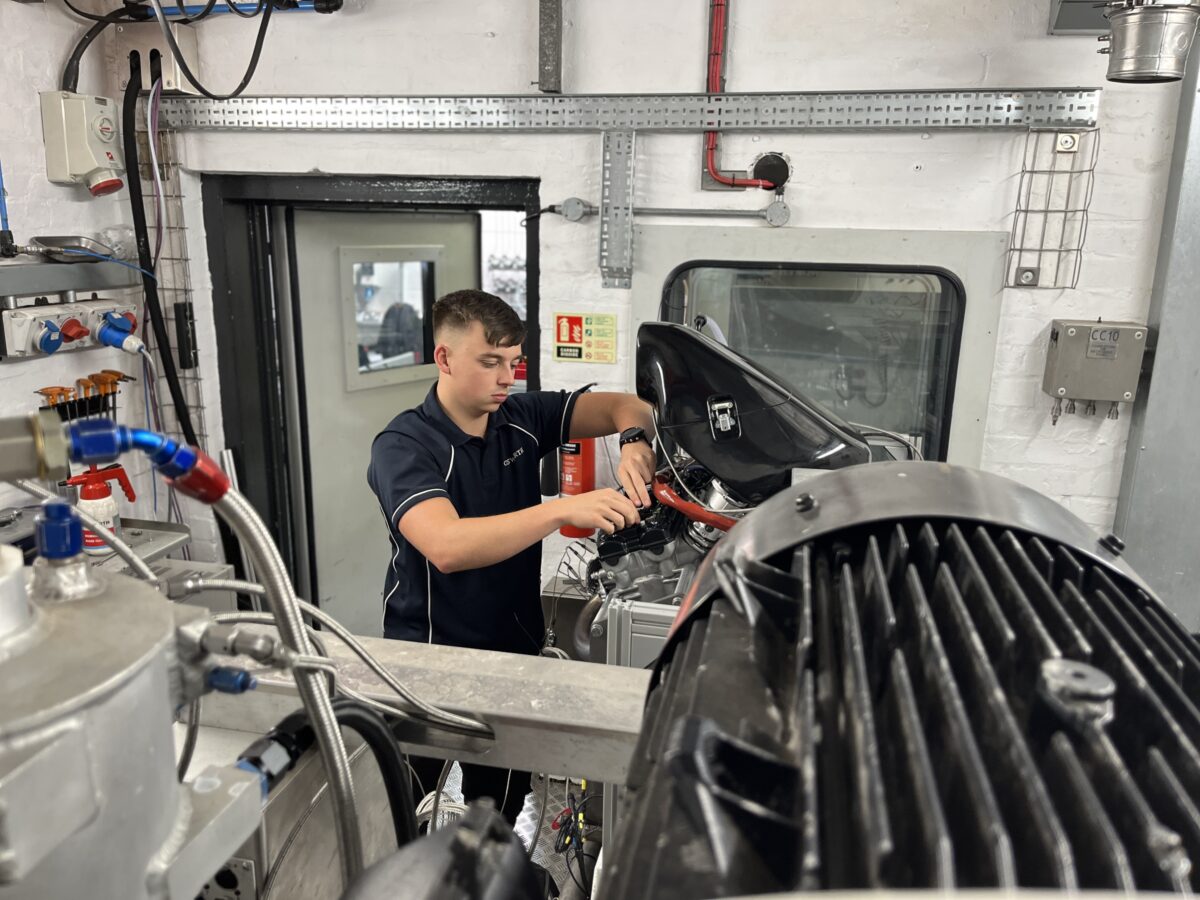
A propulsion technician undertaking maintenance on aviation machinery.

The type of work a Propulsion Technician will do

  • Carrying out checks on propulsion systems
  • Identifying issues and fixing problems
  • Setting up equipment and ancillary systems used for build and testing
  • Checking instrumentation is capturing high quality data
  • Confirming calibration activities and reading measurements
  • Implementing modifications
  • Producing modification and design proposals
  • Liaising with internal teams and external customers
Useful skills
Problem solving
Useful skills
Precise
Useful skills
Communicating complex ideas
Useful skills
Critical thinking
Useful skills
Technologically minded
Useful skills
Instructing others
£ 0 1 2 3 4 5 6 7 8 9 0 1 2 3 4 5 6 7 8 9 , 0 1 2 3 4 5 6 7 8 9 0 1 2 3 4 5 6 7 8 9 0 1 2 3 4 5 6 7 8 9
Average salary per year *
£ 0 1 2 3 4 5 6 7 8 9 , 0 1 2 3 4 5 6 7 8 9 0 1 2 3 4 5 6 7 8 9 0 1 2 3 4 5 6 7 8 9
Average salary per month *

Data powered by LMI for all
*according to ONS

Future career opportunities for a Propulsion Technician

As you gain experience, you can take on more responsibility for managing bigger and more complex projects and teams of technicians and engineers.

There are opportunities to work in engineering consultancies, but you could also choose to become a freelancer, taking on contract work for a range of different projects and industries.

How to become a Propulsion Technician

There’s no perfect career path or ideal way into your dream job.

But if you’re interested in education and training options that could be relevant to this role, you might want to consider:

Options available after GCSEs:

More options available after that:

  • An apprenticeship as a Propulsion Technician.

Schools and colleges each have their own career guidance plan and can provide detailed information, advice, and guidance on options and next steps.

A little more about the role

Exciting features...

Propulsion technicians play a critical role in the engineering and design of propulsion systems, typically for the automotive, marine, and power equipment sectors. However they can also support the development of new and alternative technologies for other applications, including manufacturing and assembly processes.

Other job titles...

This role can also be known by some other job titles including:

Propulsion Test Engineer
Propulsion Test Technician
Engine Build and Process Technician
Product Analysis and Verification Technician
Engine Test Technician

How a Munitions Explosives Technician makes a difference

Ordnance munitions explosives (OME) are used in many industries, including mining and quarrying, pyrotechnics (e.g. fireworks), and within the film industry for special effects. They are not unique to the Armed Forces.

All OME have their own features and are designed to behave in a predictable, controlled way. That’s so the people using them know what the explosive’s impact will be. You could be the technician that makes sure ordnance munitions explosives are fit for purpose and behave as expected.

The type of work a Munitions Explosives Technician will do

  • Understanding explosives compositions and devices
  • Following safe, approved systems of work
  • Setting up processing areas and equipment
  • Checking inventory
  • Working with a team to test and develop products
  • Disposing of OME correctly
Useful skills
Technologically minded
Useful skills
Instructing others
Useful skills
Decisive
£ 0 1 2 3 4 5 6 7 8 9 0 1 2 3 4 5 6 7 8 9 , 0 1 2 3 4 5 6 7 8 9 0 1 2 3 4 5 6 7 8 9 0 1 2 3 4 5 6 7 8 9
Average salary per year *
£ 0 1 2 3 4 5 6 7 8 9 , 0 1 2 3 4 5 6 7 8 9 0 1 2 3 4 5 6 7 8 9 0 1 2 3 4 5 6 7 8 9
Average salary per month *

Data powered by LMI for all
*according to ONS

Future career opportunities for a Munitions Explosives Technician

Your career opportunities will depend on the industry you choose. For example, if you join the Armed Forces as an OME technician, there will be a structured career path rising through the ranks.

In mining and quarrying, you may become a team leader, designing the strategies for how OME are used. If you choose the film industry, you could become a freelancer who moves between different film sets, advising on OME and their safe use.

How to become a Munitions Explosives Technician

There’s no perfect career path or ideal way into your dream job.

But if you’re interested in education and training options that could be relevant to this role, you might want to consider:

Options available after GCSEs:

More options available after that:

  • An apprenticeship as an Ordnance Munitions Explosives Technician.

Schools and colleges each have their own career guidance plan and can provide detailed information, advice, and guidance on options and next steps.

A little more about the role

Exciting features...

You’ll become an expert in explosives compositions and devices with the skill to advise others on the OME they’re using. You could work in the defence industry, testing, researching and developing new products. Or you could put your skills to use for entertainment, being a technician that helps to deliver a complex firework display or a special effect for an action movie.

Other job titles...

This role can also be known by some other job titles including:

Ammunition Technician
OME Manufacturing Technician
Pyrotechnics Technician
Shot Firer
Special Effects Technician
Trials and Research Technician
Weapons Technician
Storage and Transport Coordinator