Favourites

How a HVAC Technician makes a difference

HVAC stands for heating, ventilation and air conditioning. HVAC technicians help people stay warm in winter and cool in summer.
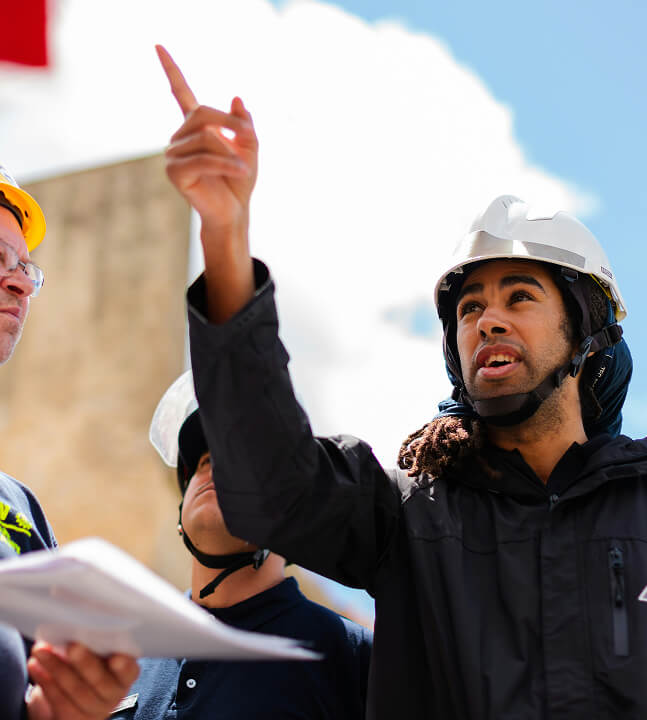
By keeping equipment running efficiently, and by replacing older systems, they also help to reduce energy use and lower carbon emissions. This role supports health, comfort and the environment, making homes, schools, and workplaces better for everyone.

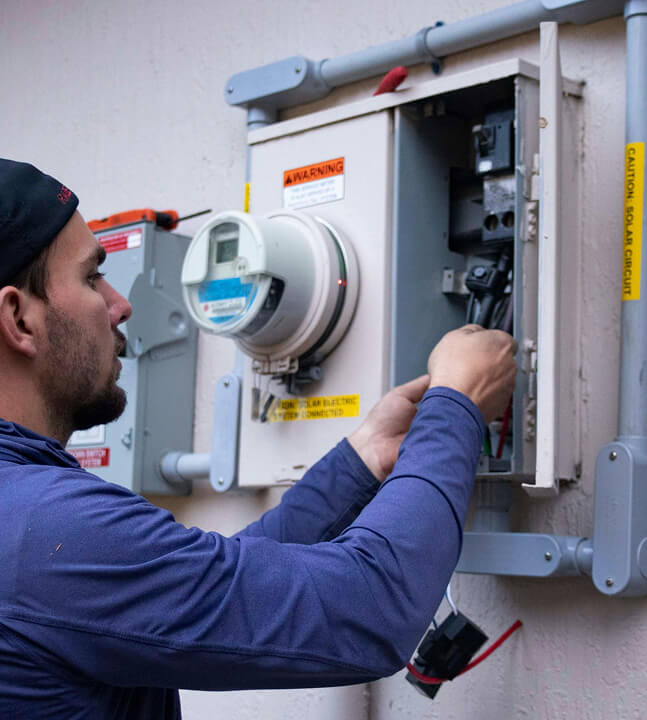
A man wearing blue, stood outside working with electrics.

The type of work a HVAC Technician will do

  • Install heating, ventilation and air conditioning systems
  • Carry out regular maintenance checks
  • Test systems to make sure they work safely
  • Diagnose and repair faults
  • Read and follow technical drawings and plans
  • Use tools to measure temperature, pressure and airflow
  • Replace worn or damaged parts
Useful skills
Logical thinking
Useful skills
Practical application
Useful skills
Precise
Useful skills
Problem solving
Useful skills
Technologically minded
£ 0 1 2 3 4 5 6 7 8 9 0 1 2 3 4 5 6 7 8 9 , 0 1 2 3 4 5 6 7 8 9 0 1 2 3 4 5 6 7 8 9 0 1 2 3 4 5 6 7 8 9
Average salary per year *
£ 0 1 2 3 4 5 6 7 8 9 , 0 1 2 3 4 5 6 7 8 9 0 1 2 3 4 5 6 7 8 9 0 1 2 3 4 5 6 7 8 9
Average salary per month *

Data powered by LMI for all
*according to ONS

Future career opportunities for a HVAC Technician

With experience, you could become a senior technician or supervisor. You might specialise in areas like refrigeration or energy-efficient systems (like heat pumps).

There are opportunities to move into design, project management or start your own business. You could also train others, or work on large-scale commercial or industrial projects.

How to become a HVAC Technician

There’s no perfect career path or ideal way into your dream job.

But if you’re interested in education and training options that could be relevant to this role, you might want to consider:

Options available after GCSEs:

  • A T-level in Building Services Engineering for Construction
  • An apprenticeship as a Refrigeration air conditioning and heat pump engineering technician

Schools and colleges each have their own career guidance plan and can provide detailed information, advice, and guidance on options and next steps.

A little more about the role

Exciting features...

This role is varied. You might work in homes one day and large office buildings the next. Technology is always improving, so you will keep learning new skills, especially around greener energy systems. You get to solve real problems and see the results of your work straight away.

Other job titles...

This role can also be known by some other job titles including:

Air conditioning engineer
Refrigeration engineer
HVAC engineer
Building services technician
Cooling systems installer
Maintenance engineer

How a Digital Forensic Technician makes a difference

Digital forensic technicians help keep people and organisations safe. They look for clues on computers, mobile phones and online systems to help solve crimes or understand what went wrong after a cyber-attack.

Their work can support police investigations, protect businesses from hackers and help courts make fair decisions. By carefully handling digital evidence, they help make sure the truth is found and that evidence can be trusted.

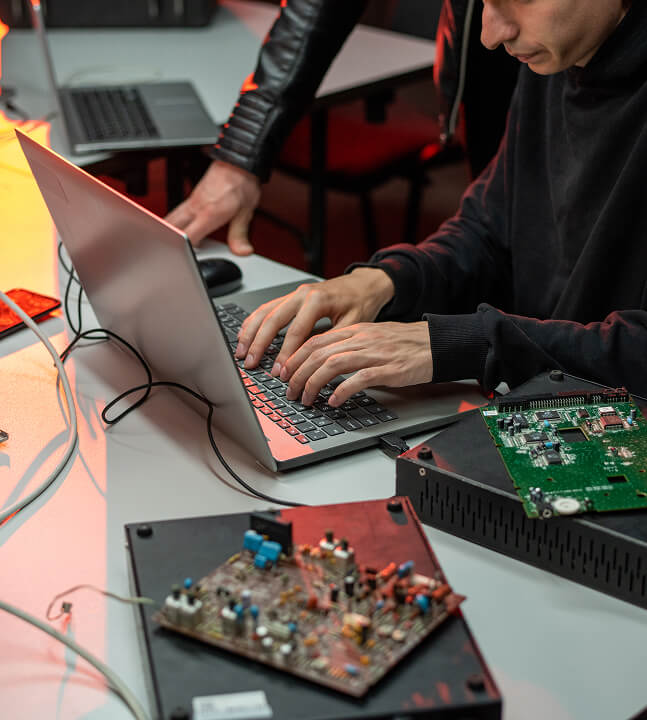
2 people working on one laptop with electronic devices around them.

The type of work a Digital Forensic Technician will do

  • Investigate digital devices like laptops, phones and tablets
  • Study usage, like internet history and app activity
  • Use specialist software to look for deleted files, messages and pictures
  • Make safe copies of data and store evidence securely
  • Keep clear notes of everything you do
  • Work with police or security teams
  • Write up reports of findings
Useful skills
Attention to detail
Useful skills
Critical thinking
Useful skills
Decisive
Useful skills
Logical thinking
Useful skills
Practical application
Useful skills
Precise
Useful skills
Technologically minded
£ 0 1 2 3 4 5 6 7 8 9 0 1 2 3 4 5 6 7 8 9 , 0 1 2 3 4 5 6 7 8 9 0 1 2 3 4 5 6 7 8 9 0 1 2 3 4 5 6 7 8 9
Average salary per year *
£ 0 1 2 3 4 5 6 7 8 9 , 0 1 2 3 4 5 6 7 8 9 0 1 2 3 4 5 6 7 8 9 0 1 2 3 4 5 6 7 8 9
Average salary per month *

Data powered by LMI for all
*according to ONS

Future career opportunities for a Digital Forensic Technician

With experience, you could become a senior digital forensic analyst or move into cyber security roles. Some people specialise in mobile devices or online investigations. Others move into training, management or work as expert witnesses in court. There are also opportunities to work in policing, private companies or government organisations.

How to become a Digital Forensic Technician

There’s no perfect career path or ideal way into your dream job.

But if you’re interested in education and training options that could be relevant to this role, you might want to consider:

Options available after GCSEs:

  • A T-level in Digital Support and Security
  • An apprenticeship as a Data Technician

More options available after that:

  • An apprenticeship as a Digital Forensic Technician

Schools and colleges each have their own career guidance plan and can provide detailed information, advice, and guidance on options and next steps.

A little more about the role

Exciting features...

You might be working on a criminal investigation one day and helping a company recover from a cyber-attack the next. You get to use advanced tools to uncover hidden information and solve real-world problems. Your work can have a big impact, helping to protect people, money and important systems.

Other job titles...

You might also see this role listed under different job titles, including:

Digital forensic analyst
Digital forensics investigator
Cyber forensic technician
Computer forensic analyst

How a Structural Engineering Technician makes a difference

Structural engineering technicians help check the places we live, work and travel in are safe and strong. They work with engineers to plan and draw parts of buildings and bridges.

Their work helps stop structures from failing and keeps people protected. By checking designs and materials, they make sure projects follow safety rules. Without this role, buildings and structures might not be tested properly, which could put people at risk.

A mean wearing a hard hat on a building site.

The type of work a Structural Engineering Technician will do

  • Support engineers to design parts of buildings and structures
  • Create drawings and plans using computers
  • Check materials like steel and concrete
  • Visit building sites to inspect work
  • Use software to test how structures behave under weight
  • Measure forces acting on buildings and bridges
  • Work with engineers, architects and builders
Useful skills
Attention to detail
Useful skills
Communicating complex ideas
Useful skills
Precise
Useful skills
Problem solving
£ 0 1 2 3 4 5 6 7 8 9 0 1 2 3 4 5 6 7 8 9 , 0 1 2 3 4 5 6 7 8 9 0 1 2 3 4 5 6 7 8 9 0 1 2 3 4 5 6 7 8 9
Average salary per year *
£ 0 1 2 3 4 5 6 7 8 9 , 0 1 2 3 4 5 6 7 8 9 0 1 2 3 4 5 6 7 8 9 0 1 2 3 4 5 6 7 8 9
Average salary per month *

Data powered by LMI for all
*according to ONS

Future career opportunities for a Structural Engineering Technician

With experience and further study, structural engineering technicians can become senior technicians or team leaders. Some move on to become structural or civil engineers. Others go into areas like building design, surveying or project management as they gain more skills and qualifications.

How to become a Structural Engineering Technician

There’s no perfect career path or ideal way into your dream job.

But if you’re interested in education and training options that could be relevant to this role, you might want to consider:

Options available after GCSEs:

  • A T-level in Design, Surveying and Planning for Construction
  • An apprenticeship as an Engineering Design Technician or Structural Design Technician

Schools and colleges each have their own career guidance plan and can provide detailed information, advice, and guidance on options and next steps.

A little more about the role

Exciting features...

This role lets you help create real things like bridges, stadiums, tall buildings and homes. You will see projects grow from ideas on a screen to real structures on site. You use modern technology to test designs and solve problems. Some days are spent in an office and others out on site. You play an important part in keeping people safe by safe by helping check that structural designs are carried out properly.

Other job titles...

You might also see this role listed under different job titles, including:

Structural technician
Structural CAD technician
Engineering design technician
BIM technician

How a Research and Development Technician makes a difference

As a Research and Development Technician, you help test and refine ideas so they can become real working products.

You make sure designs work properly, help test and improve prototypes, and share your findings with engineers and other team members. Your work helps businesses build better, safer and more useful products, from cars and aircraft to everyday machines, and makes sure things work as they should before they reach customers.

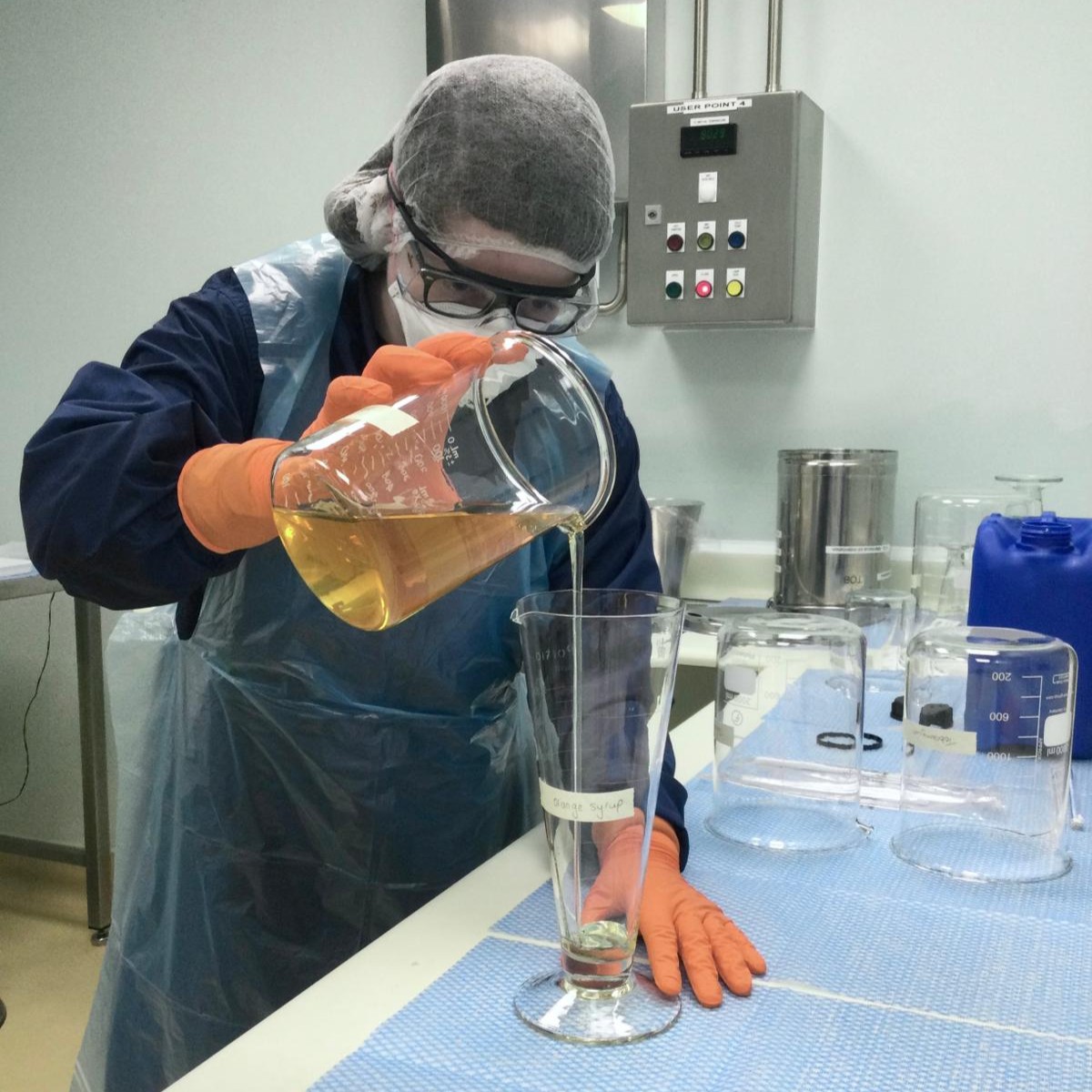
Louisa wearing an apron, facemask, safety goggles, and gloves, measuring out a liquid in the lab.

The type of work a Research and Development Technician will do

  • Help prepare and set up tools and equipment safely
  • Carry out tests on parts, systems and prototypes
  • Record results and check quality against designs
  • Work with engineers to solve problems found during testing
  • Read and follow drawings, plans and technical information
  • Use workshop and lab equipment such as measurement tools or 3D printers
Useful skills
Problem solving
Useful skills
Attention to detail
Useful skills
Logical thinking
Useful skills
Practical application
£ 0 1 2 3 4 5 6 7 8 9 0 1 2 3 4 5 6 7 8 9 , 0 1 2 3 4 5 6 7 8 9 0 1 2 3 4 5 6 7 8 9 0 1 2 3 4 5 6 7 8 9
Average salary per year *
£ 0 1 2 3 4 5 6 7 8 9 , 0 1 2 3 4 5 6 7 8 9 0 1 2 3 4 5 6 7 8 9 0 1 2 3 4 5 6 7 8 9
Average salary per month *

Data powered by LMI for all
*according to ONS

Future career opportunities for a Research and Development Technician

Starting as a Research and Development Technician can lead to roles such as product development technician, design technician or specialist technical roles. With experience and further training, you could move into higher technical jobs or work towards becoming an engineer.

How to become a Research and Development Technician

There’s no perfect career path or ideal way into your dream job.

But if you’re interested in education and training options that could be relevant to this role, you might want to consider:

Options available after GCSEs:

  • A T-level in Engineering, manufacturing, processing and control​
  • An apprenticeship as an Engineering Technician

Schools and colleges each have their own career guidance plan and can provide detailed information, advice, and guidance on options and next steps.

A little more about the role

Exciting features...

This role combines hands-on practical work with creative thinking. You might help build and test new ideas, work with prototypes or use digital tools to check how things fit and function. You will work alongside engineers in industries such as manufacturing, automotive or aerospace, helping test and improve products people use every day. There is always something new to learn and improve, making the job varied and interesting.

Other job titles...

You might also see this role listed under different job titles, including:

Engineering Technician
Product Design and Development Technician
Prototype Technician
Laboratory Technician
Technical Support Technician

How a Mechatronics Technician makes a difference

Mechatronics technicians are essential in places that use machines with lots of moving parts, like factories making cars or planes. They make sure the machines that help produce goods are safe, efficient and reliable.

When something breaks or doesn’t work correctly, they find the problem and fix it so the production line can keep running, which keeps products flowing to shops and customers. Their work helps companies meet goals for safety, quality and production.

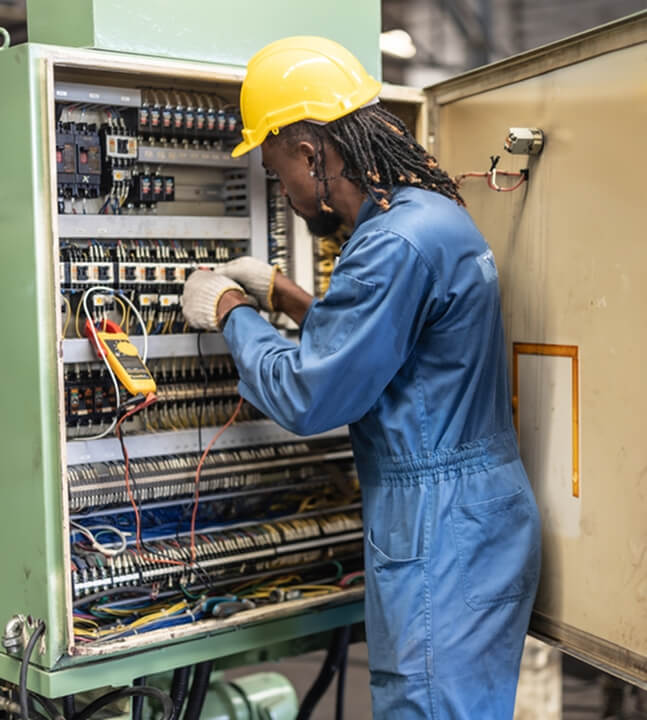
Man in blue overalls and yellow hard had working on an industrial size electric board.

The type of work a Mechatronics Technician will do

  • Install and set up automated equipment
  • Test machine systems to make sure they work properly
  • Find faults when things go wrong
  • Fix or adjust mechanical, electrical and control system problems
  • Do planned maintenance to prevent breakdowns
  • Keep clear records of completed work
Useful skills
Practical application
Useful skills
Problem solving
Useful skills
Technologically minded
Useful skills
Attention to detail
£ 0 1 2 3 4 5 6 7 8 9 0 1 2 3 4 5 6 7 8 9 , 0 1 2 3 4 5 6 7 8 9 0 1 2 3 4 5 6 7 8 9 0 1 2 3 4 5 6 7 8 9
Average salary per year *
£ 0 1 2 3 4 5 6 7 8 9 , 0 1 2 3 4 5 6 7 8 9 0 1 2 3 4 5 6 7 8 9 0 1 2 3 4 5 6 7 8 9
Average salary per month *

Data powered by LMI for all
*according to ONS

Future career opportunities for a Mechatronics Technician

Once trained, mechatronics technicians can specialise further in roles like Maintenance Engineer or Automation Specialist. With more experience you might move into team leadership, technical management, project engineering or broader engineering roles in sectors such as aerospace, automotive and energy.

How to become a Mechatronics Technician

There’s no perfect career path or ideal way into your dream job.

But if you’re interested in education and training options that could be relevant to this role, you might want to consider:

Options available after GCSEs:

  • A T-level in Engineering, Manufacturing, Processing and Control
  • An apprenticeship as an Engineering technician

Schools and colleges each have their own career guidance plan and can provide detailed information, advice, and guidance on options and next steps.

A little more about the role

Exciting features...

As a mechatronics technician, you work with lots of modern machines and systems that combine mechanics, electricity and electronics. You get to figure out how things work and be the person who gets things back up and running when they go wrong. You might work on robots, conveyor systems, control panels and sensors. Some days you’ll be in busy workshops or production halls, and other days you could be solving complex problems on advanced automated equipment. This role is hands on, varied and gives you skills employers across many industries value.

Other job titles...

You might also see this role listed under different job titles, including:

Mechatronics Maintenance Technician
Automation Technician
Engineering Technician
Maintenance Engineer
Technical Support Technician

How a Data and AI Technician makes a difference

Data and AI Technicians help organisations save time and reduce mistakes. They look at everyday tasks and help improve how they are done using smart digital tools and data.

AI means computers that can learn from data and make decisions. Automation means setting up systems that carry out tasks on their own. By doing this work, Data and AI Technicians help teams focus on more interesting and meaningful jobs, improve services for customers and use technology in a safe and responsible way.

A compute screen with code on it

The type of work a Data and AI Technician will do

  • Use existing AI and automation tools to design processes and reduce errors
  • Collect and analyse data to spot errors and fix problems
  • Test systems to make sure they work properly
  • Fix issues when things do not work as planned
  • Keep data safe and use AI responsibly
  • Talk to colleagues to understand problems and feed back
  • Help others learn how to use new tools
Useful skills
Technologically minded
Useful skills
Problem solving
Useful skills
Critical thinking
£ 0 1 2 3 4 5 6 7 8 9 0 1 2 3 4 5 6 7 8 9 , 0 1 2 3 4 5 6 7 8 9 0 1 2 3 4 5 6 7 8 9 0 1 2 3 4 5 6 7 8 9
Average salary per year *
£ 0 1 2 3 4 5 6 7 8 9 , 0 1 2 3 4 5 6 7 8 9 0 1 2 3 4 5 6 7 8 9 0 1 2 3 4 5 6 7 8 9
Average salary per month *

Data powered by LMI for all
*according to ONS

Future career opportunities for a Data and AI Technician

With experience, you could move into roles like automation specialist, data analyst or digital transformation lead. Some people go on to manage projects or teams. Others specialise in AI systems or business improvement. This role can also lead to higher level digital or data apprenticeships.

How to become a Data and AI Technician

There’s no perfect career path or ideal way into your dream job.

But if you’re interested in education and training options that could be relevant to this role, you might want to consider:

Options available after GCSEs:

  • A T-level in Digital Production, Design and Development

More options available after that:

  • An apprenticeship as an Artificial intelligence (AI) and Automation Practitioner

Schools and colleges each have their own career guidance plan and can provide detailed information, advice, and guidance on options and next steps.

A little more about the role

Exciting features...

This job lets you work with cutting edge technology without needing to be a coding expert. You get to see your ideas make a real difference to how people work. No two days are the same because every organisation has different challenges. You also play a part in making sure AI is used fairly, safely and responsibly, which is becoming more important every year.

Other job titles...

You might also see this role listed under different job titles, including:

Automation practitioner
AI automation specialist
Digital automation practitioner
Process automation analyst

How an Air Traffic Controller makes a difference

Aircraft come in many shapes and forms – from small aeroplanes to airliners, jet fighters to helicopters – and it’s fascinating to understand what enables them to fly. The UK manages one of the earth’s busiest and most complex areas of airspace, with aircraft taking off and arriving here from hundreds of destinations around the world.

Air traffic control teams contribute to the safe and efficient movement of aircraft. They ensure all equipment is working correctly and processes are followed exactly to standards set by the Civil Aviation Authority. You could be the technician who guides people and products to their destination and enables them to land safely.

Planes parked on the tarmac at an airport.

The type of work an Air Traffic Controller will do

  • Keeping radio contact with aircraft and issuing instructions
  • Making sure minimum safe distances are maintained between aircraft
  • Maintaining surveillance contact with aircraft using equipment such as RADAR
  • Enabling and maintaining a safe and orderly flow of air traffic
  • Monitoring data systems
  • Testing equipment
  • Handling unexpected events, emergencies, and unscheduled traffic
Useful skills
Attention to detail
Useful skills
Decisive
Useful skills
Problem solving
£ 0 1 2 3 4 5 6 7 8 9 0 1 2 3 4 5 6 7 8 9 , 0 1 2 3 4 5 6 7 8 9 0 1 2 3 4 5 6 7 8 9 0 1 2 3 4 5 6 7 8 9
Average salary per year *
£ 0 1 2 3 4 5 6 7 8 9 , 0 1 2 3 4 5 6 7 8 9 0 1 2 3 4 5 6 7 8 9 0 1 2 3 4 5 6 7 8 9
Average salary per month *

Data powered by LMI for all
*according to ONS

Future career opportunities for an Air Traffic Controller

Once you’ve gained skills in an airport or air traffic control centre, you could transfer your knowledge to working for a consultancy that specialises in aviation and helping airports and airlines improve their safety, efficiency and environmental performance.

You could also work for the UK’s Civil Aviation Authority or use your knowledge of UK Airspace to work in countries that are growing the level of activity in their airspace.

How to become an Air Traffic Controller

There’s no perfect career path or ideal way into your dream job. But if you're interested in education and training options that could be relevant to this role, you might want to consider:  

But if you’re interested in education and training options that could be relevant to this role, you might want to consider:

Options available after GCSEs:

More options available after that:

Schools and colleges each have their own career guidance plan and can provide detailed information, advice, and guidance on options and next steps.

A little more about the role

Exciting features...

You could work in several different aviation environments, including air traffic control centres, commercial airports, military bases, and aerodromes. You’ll learn about UK and international regulation that governs the management of airspace.

Other job titles...

This role can also be known by some other job titles including:

Civil Approach Controller
Civil Approach Terminal Controller
Civil Aerodrome Controller
Civil Terminal Controller
Military Terminal Radar Controller
Military Terminal Aerodrome Controller

How a Power Networks Technician makes a difference

The electricity we receive in our homes, schools, factories, shops and offices is transported to us through a vast network of high-voltage power cables, transformers and storage facilities. This network needs to be planned, managed and maintained, as more places need electricity and parts of the network get old.

The energy that creates the electricity comes from several different sources, including fossil fuel power stations and increasingly renewable sources of energy, including solar farms, and wind and wave turbines. You could be the technician who helps to connect the new, cleaner sources and contributes to greener energy supply.

A power network technician doing maintenance in an electrical substation.

The type of work a Power Networks Technician will do

  • Using electrical testing and measuring equipment
  • Following the correct procedures for completing checks
  • Maintaining key interconnecting points on the network
  • Stripping machinery down and putting it back together
  • Installing new equipment
  • Completing reports on the work carried out
  • Providing accurate and reliable data to support business decisions
Useful skills
Precise
Useful skills
Logical thinking
Useful skills
Instructing others
£ 0 1 2 3 4 5 6 7 8 9 0 1 2 3 4 5 6 7 8 9 , 0 1 2 3 4 5 6 7 8 9 0 1 2 3 4 5 6 7 8 9 0 1 2 3 4 5 6 7 8 9
Average salary per year *
£ 0 1 2 3 4 5 6 7 8 9 , 0 1 2 3 4 5 6 7 8 9 0 1 2 3 4 5 6 7 8 9 0 1 2 3 4 5 6 7 8 9
Average salary per month *

Data powered by LMI for all
*according to ONS

Future career opportunities for a Power Networks Technician

You will begin your career working in a team, learning how different parts of power networks connect and operate. With experience you may become a specialist in a particular area, with responsibility for training others.

You might choose to specialise in renewable energy because of your commitment to combatting climate change. Or you could become involved in the commissioning of new technologically-advanced kit that is more energy efficient and reliable.

How to become a Power Networks Technician

There’s no perfect career path or ideal way into your dream job. But if you're interested in education and training options that could be relevant to this role, you might want to consider:

But if you’re interested in education and training options that could be relevant to this role, you might want to consider:

Options available after GCSEs:

More options available after that:

  • An apprenticeship as a Junior Production Coordinator.
  • An apprenticeship as a Post Production Technical Operator.
  • An apprenticeship as a Post Production Engineer.

Schools and colleges each have their own career guidance plan and can provide detailed information, advice, and guidance on options and next steps.

A little more about the role

Exciting features...

The network that electricity travels across is known as the National Grid. If one part of it breaks down, the grid will continue to supply electricity from other power stations on the grid. Through the maintenance work you do, you’ll help to ensure people don’t lose their electricity supply. Or if extreme weather conditions mean electric power is down, you’ll be part of the team making sure it is supplied again quickly.

Other job titles...

This role can also be known by some other job titles including:

Substation Engineer
Asset Management Engineer
Planning Engineer
Design Engineer
Control Engineer
Electrical Project Engineer
Operational Delivery Manager

How a Gaming Audio Technician makes a difference

If you’re a gamer, you know how much thought goes into the whole experience of a game. Not only to the storyline, characters, script, visuals, and the action that’s in the hands of the gamer, but also to the sounds. Animal squeals, explosions, gun shots, electric storms, car screeches and crashes: all need to be created and programmed to happen at exactly the right time.

A lot of creativity and precision goes into making these sounds. A gaming audio technician helps to record material that can be manipulated to make the best possible sound effect. They’re also involved in putting character’s voices into games. With nearly three billion gamers all over the world, you could be the technician who helps create the excitement and atmosphere of the next big game they play.

A sound mixing desk with dials and buttons.

The type of work a Gaming Audio Technician will do

  • Assessing the needs of a game and planning the type of audio it will require
  • Sourcing existing sound effects from sound libraries
  • Layering sounds together to produce the sound required
  • Manipulating sound files digitally
  • Recording new material to add to sounds or to create a new one
  • Programming sounds to happen in time with the action
  • Recording actors’ voice overs and adjusting recordings suit the character they’re playing
  • Listening in detail to every sound that’s created to make sure it is perfect and seamlessly integrated into the sound track
Useful skills
Technologically minded
Useful skills
Attention to detail
Useful skills
Precise
Useful skills
Problem solving
£ 0 1 2 3 4 5 6 7 8 9 0 1 2 3 4 5 6 7 8 9 , 0 1 2 3 4 5 6 7 8 9 0 1 2 3 4 5 6 7 8 9 0 1 2 3 4 5 6 7 8 9
Average salary per year *
£ 0 1 2 3 4 5 6 7 8 9 , 0 1 2 3 4 5 6 7 8 9 0 1 2 3 4 5 6 7 8 9 0 1 2 3 4 5 6 7 8 9
Average salary per month *

Data powered by LMI for all
*according to ONS

Future career opportunities for a Gaming Audio Technician

With experience you could become a senior audio designer and eventually an audio director. Alternatively you could choose to be a freelance sound designer, working with a range of gaming design studios. Another option is transferring your skills to the film and TV industries and focussing on editing either sound effects, music, or dialogue.

How to become a Gaming Audio Technician

There’s no perfect career path or ideal way into your dream job.

But if you’re interested in education and training options that could be relevant to this role, you might want to consider:

Options available after GCSEs:

Schools and colleges each have their own career guidance plan and can provide detailed information, advice, and guidance on options and next steps.

A little more about the role

Exciting features...

You will work with a big team of designers and programmers to plan and create the soundtrack for a game. You might also run auditions to find voice actors you need and then work with them to record their lines with the right energy, style and tone to match the action of the game.

How a Compressed Air and Vacuum Technician makes a difference

If air is kept at a pressure that is greater than normal air pressure (atmospheric), it is defined as compressed air. If it is kept at a pressure that is less than normal air pressure, it is defined as a vacuum. Compressed air and vacuums are used in a range of products and services including power tools, cleaning systems, gas generation, and air cylinders that enable automation.

Technicians support the effective operations of these tools and systems, by diagnosing faults, repairing equipment, and carrying out maintenance to ensure optimum efficiency. A wide range of industries need this support, including manufacturing, pharmaceutical, oil and gas, power stations, hospitals, and transportation. You could be the technician who carries out specialist repairs and installations to keep operations running smoothly.

Three canisters of compressed air.

The type of work a Compressed Air and Vacuum Technician will do

  • Installing and servicing equipment
  • Diagnosing faults and completing repairs
  • Monitoring processes and energy performance
  • Adjusting controls to ensure equipment is operating at optimum efficiency
  • Providing technical advice to customers
  • Planning and organising work to meet customers’ priorities and schedules
  • Producing job reports and maintaining stock control records
Useful skills
Logical thinking
Useful skills
Attention to detail
Useful skills
Instructing others
Useful skills
Communicating complex ideas
Useful skills
Precise
£ 0 1 2 3 4 5 6 7 8 9 0 1 2 3 4 5 6 7 8 9 , 0 1 2 3 4 5 6 7 8 9 0 1 2 3 4 5 6 7 8 9 0 1 2 3 4 5 6 7 8 9
Average salary per year *
£ 0 1 2 3 4 5 6 7 8 9 , 0 1 2 3 4 5 6 7 8 9 0 1 2 3 4 5 6 7 8 9 0 1 2 3 4 5 6 7 8 9
Average salary per month *

Data powered by LMI for all
*according to ONS

Future career opportunities for a Compressed Air and Vacuum Technician

You could begin your career working in a specialist engineering services business, where you’ll provide technical support to a range of customers. 

Alternatively, many industrial businesses have their own technicians to provide continuous technical advice and services. You could progress to being a team leader, running a group of engineers and training other people.

How to become a Compressed Air and Vacuum Technician

There’s no perfect career path or ideal way into your dream job.

But if you’re interested in education and training options that could be relevant to this role, you might want to consider:

Options available after GCSEs:

Schools and colleges each have their own career guidance plan and can provide detailed information, advice, and guidance on options and next steps.

A little more about the role

Exciting features...

The latest examples of compressed air and vacuum equipment are highly innovative, using information technology (IT) control systems and internet connectivity to ensure cutting edge efficiency. Automation is also rapidly expanding, particularly in industrial environments, with air cylinders helping to create force and different directions of motion. There are many great opportunities to be involved in exciting innovation.

Other job titles...

This role can also be known by some other job titles including:

Air Treatment Engineer
Air Treatment Technician
Commissioning Engineer
Electrical Engineer
Electrical Technician
Installation Engineer
Mechanical Engineer
Pressure Systems Competent Person
Product Support Engineer
Service Engineer
Service Technician