Favourites

How an Electrician makes a difference

Homes, transport systems, leisure facilities, manufacturing, and offices all rely on electricity to keep them operating. The electrical systems that supply them are complex and continuously changing, as innovations help to make them more energy efficient.
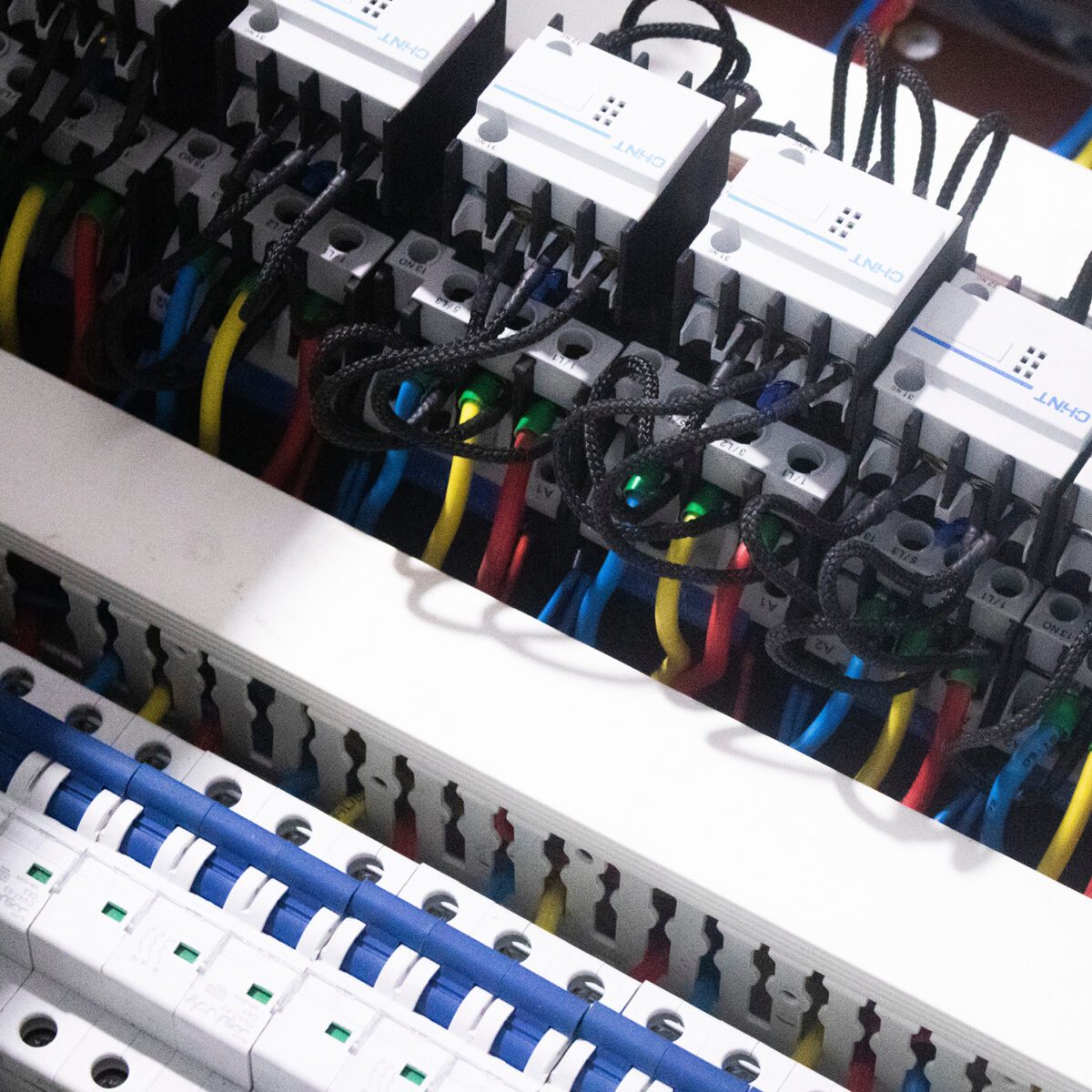
While new housing developments and business premises need electrical systems to be installed, older buildings need system upgrades and regular maintenance. In both situations strict safety regulations need to be followed. You could be the technician who powers up environments of all kinds and makes sure they work safely without a glitch.

The type of work an Electrician will do

  • Installing, maintaining, and repairing electrical systems
  • Understanding and following manufacturers’ instructions
  • Checking and maintaining electrical safety
  • Listening to customers’ requirements and electrical fault issues
  • Deciding on materials and parts required for repairs
  • Loading vehicles with supplies of materials
  • Making sure tools and equipment are in good working order
  • Helping to design electrical systems
Useful skills
Attention to detail
Useful skills
Problem solving
Useful skills
Instructing others
£ 0 1 2 3 4 5 6 7 8 9 0 1 2 3 4 5 6 7 8 9 , 0 1 2 3 4 5 6 7 8 9 0 1 2 3 4 5 6 7 8 9 0 1 2 3 4 5 6 7 8 9
Average salary per year *
£ 0 1 2 3 4 5 6 7 8 9 , 0 1 2 3 4 5 6 7 8 9 0 1 2 3 4 5 6 7 8 9 0 1 2 3 4 5 6 7 8 9
Average salary per month *

Data powered by LMI for all
*according to ONS

Future career opportunities for an Electrician

You might begin your career with a small company but progress to working for a large electrical contractor or construction business that serves a region or the whole of the UK.

After gaining experience, you will probably specialise in a particular area, which could be heating, lighting or air conditioning in commercial or domestic environments.

Alternatively, you could focus on electrical compliance, which means completing checks to ensure electrical systems meet regulatory standards. Another option is setting up your own business, working independently or employing other electricians.

How to become an Electrician

There’s no perfect career path or ideal way into your dream job.

But if you’re interested in education and training options that could be relevant to this role, you might want to consider:

Options available after GCSEs:

Schools and colleges each have their own career guidance plan and can provide detailed information, advice, and guidance on options and next steps.

A little more about the role

Exciting features...

The range of environments you can work in as an electrician is vast – you could become an expert in wiring up department stores, office blocks, hospitals, factories, or even yachts. Every environment is slightly different, with different operational needs that need to be met. Your working day can also be very varied, as you move between fixing everything from air conditioning to security systems, lighting to heating.

Other job titles...

This role can also be known by some other job titles including:

Installation Electrician
Maintenance Electrician

How a Healthcare Engineering Technician makes a difference

Hospitals, GP practices, dentists, and ambulances all use a wide range of medical devices to help them care for patients. These devices need to be checked and maintained regularly to make sure they work properly and patient safety isn’t put at risk.

As well as medical devices, there are heating, ventilation and electricity systems serving medical buildings that need to be maintained. You could be the technician who services and repairs the equipment and environments that healthcare practitioners and patients rely on for effective medical care.

The type of work a Healthcare Engineering Technician will do

  • Testing and maintaining devices and equipment
  • Carrying out repairs
  • Installing new equipment
  • Safety tests and checks
  • Briefing medical staff on devices and equipment
  • Completing documentation and reports
  • Communicating progress on repairs and new installations
Useful skills
Communicating complex ideas
Useful skills
Precise
Useful skills
Instructing others
Useful skills
Attention to detail
£ 0 1 2 3 4 5 6 7 8 9 0 1 2 3 4 5 6 7 8 9 , 0 1 2 3 4 5 6 7 8 9 0 1 2 3 4 5 6 7 8 9 0 1 2 3 4 5 6 7 8 9
Average salary per year *
£ 0 1 2 3 4 5 6 7 8 9 , 0 1 2 3 4 5 6 7 8 9 0 1 2 3 4 5 6 7 8 9 0 1 2 3 4 5 6 7 8 9
Average salary per month *

Data powered by LMI for all
*according to ONS

Future career opportunities for a Healthcare Engineering Technician

There are different kinds of healthcare engineering, for example electrical, mechanical, biomedical or building services. You could choose to specialise in one area.

With experience, you could lead a team or take responsibility for a large number of buildings, where all equipment is in your care. You could even progress to designing medical devices or equipment yourself.

How to become a Healthcare Engineering Technician

There’s no perfect career path or ideal way into your dream job.

But if you’re interested in education and training options that could be relevant to this role, you might want to consider:

Options available after GCSEs:

Schools and colleges each have their own career guidance plan and can provide detailed information, advice, and guidance on options and next steps.

A little more about the role

Exciting features...

You could work across a range of healthcare devices or within a big healthcare environment, like a hospital. You’ll have frequent contact with patients, sometimes working when they are present, and will make sure medical teams can complete their work effectively by making sure medical equipment is in good working order when it’s needed.

Other job titles...

This role can also be known by some other job titles including:

Biomedical Technician
Clinical Engineer
Dental Engineering Technician
Instrument Curator
Medical Electronics Technician
Medical Engineering Technician
Building Services Technician

How a Food Production Technician makes a difference

The packaged food we consume is made using heavy duty machinery – large scale mixers, blenders, friers, ovens, dispensers, and freezers. These machines are very carefully designed and programmed to make sure they produce food that is safe to eat and tastes good.

If any of the machines stops working, it blocks the whole production line. Regular tests and maintenance are required to stop breakdowns from happening. You could be the technician who takes care of this oversized kitchen equipment and keeps food production going.

The type of work a Food Production Technician will do

  • Monitoring the settings of machines to ensure food safety
  • Fixing and using high tech machinery
  • Supporting audits on health and safety standards
  • Helping to train others on the operation of machines
  • Controlling and moving stock
  • Supporting the development of new products
  • Integrating food production with packaging systems
Useful skills
Precise
Useful skills
Instructing others
£ 0 1 2 3 4 5 6 7 8 9 0 1 2 3 4 5 6 7 8 9 , 0 1 2 3 4 5 6 7 8 9 0 1 2 3 4 5 6 7 8 9 0 1 2 3 4 5 6 7 8 9
Average salary per year *
£ 0 1 2 3 4 5 6 7 8 9 , 0 1 2 3 4 5 6 7 8 9 0 1 2 3 4 5 6 7 8 9 0 1 2 3 4 5 6 7 8 9
Average salary per month *

Data powered by LMI for all
*according to ONS

Future career opportunities for a Food Production Technician

If you’re most interested in the machinery part of the role, you could become a senior engineer who leads a team. If you’re more interested in how the ingredients in the machines behave, you could get involved in food innovation.

You’ll have the opportunity to work with big food manufacturers who send products all over the world, and may choose to specialise in a particular category of food or drink.

How to become a Food Production Technician

There’s no perfect career path or ideal way into your dream job.

But if you’re interested in education and training options that could be relevant to this role, you might want to consider:

Options available after GCSEs:

More options available after that:

  • An apprenticeship as a Food and Drink Engineer.

Schools and colleges each have their own career guidance plan and can provide detailed information, advice, and guidance on options and next steps.

A little more about the role

Exciting features...

You’ll probably work for a large food or drink manufacturer, supporting the production of brands you see on the supermarket shelves every day and enjoy at home. You might get involved in taste testing of different products, particularly when new or improved recipes are being trialled.

Other job titles...

This role can also be known by some other job titles including:

Advanced Operators
Maintenance Technician
Manufacturing Technician
Process Development Technician
Process Technician
Technical Operator

How a Security Systems Technician makes a difference

Businesses, homes, and public buildings all require fire safety equipment to make sure people are alerted and protected if a fire breaks out. Many properties also have security systems to protect them from break-ins and vandalism, and to prevent theft.

Today’s safety and security systems are very high tech, using cameras and sensors that connect via the internet to security companies. Before systems are installed, property assessments take place to ensure the right equipment is recommended. You could be the technician who designs, installs and maintains safety and security systems to protect people’s possessions, property, and lives.

The type of work a Security Systems Technician will do

  • Installing new systems and modifying existing ones
  • Connecting different components and making sure they work together properly
  • Responding to call-outs to repair faults
  • Checking the performance of equipment and finding the source of faults
  • Listening to customers’ safety and security concerns
  • Making recommendations of the safety and security equipment to install
  • Teaching customers how to use security systems
  • Producing reports and customer proposals
Useful skills
Attention to detail
Useful skills
Technologically minded
Useful skills
Problem solving
Useful skills
Logical thinking
Useful skills
Precise
Useful skills
Instructing others
Useful skills
Communicating complex ideas
£ 0 1 2 3 4 5 6 7 8 9 0 1 2 3 4 5 6 7 8 9 , 0 1 2 3 4 5 6 7 8 9 0 1 2 3 4 5 6 7 8 9 0 1 2 3 4 5 6 7 8 9
Average salary per year *
£ 0 1 2 3 4 5 6 7 8 9 , 0 1 2 3 4 5 6 7 8 9 0 1 2 3 4 5 6 7 8 9 0 1 2 3 4 5 6 7 8 9
Average salary per month *

Data powered by LMI for all
*according to ONS

Future career opportunities for a Security System Technician

Early on in your career you will specialise in either fire safety or electronic security systems. As your experience grows you will start to work independently, visiting customer premises, advising them on repairs, and installing systems.

Over time, you could progress to leading a team of engineers. Alternatively, you could become a specialist who checks systems to make sure they comply with regulation, or you could set up your own safety and security company.

How to become a Security Systems Technician

There’s no perfect career path or ideal way into your dream job.

But if you’re interested in education and training options that could be relevant to this role, you might want to consider:

Options available after GCSEs:

Schools and colleges each have their own career guidance plan and can provide detailed information, advice, and guidance on options and next steps.

A little more about the role

Exciting features...

The technology used by fire safety and security systems continues to evolve and you will need to stay in touch with developments to continue to advise clients well. Regulation on fire safety standards also continues to evolve and all companies and public buildings are required to have annual checks to make sure their protective equipment is in good working order.

Other job titles...

This role can also be known by some other job titles including:

Emergency and Security Systems Engineer
Fire and Security Systems Engineer

How an Engineering Manufacturing Technician makes a difference

A diverse range of industries – including automotive, aerospace, marine, chemical processing and materials manufacturing – use complex engineering, multiple parts, and detailed manufacturing processes to deliver their products. 

Engineers who lead product development and manufacturing need support with the production and testing of new and existing products, and with processes and procedures to make sure customer specifications are met. You could be the technician who ensures efficient and effective manufacturing, contributing to the production of greener vehicles, space travel or innovative materials.

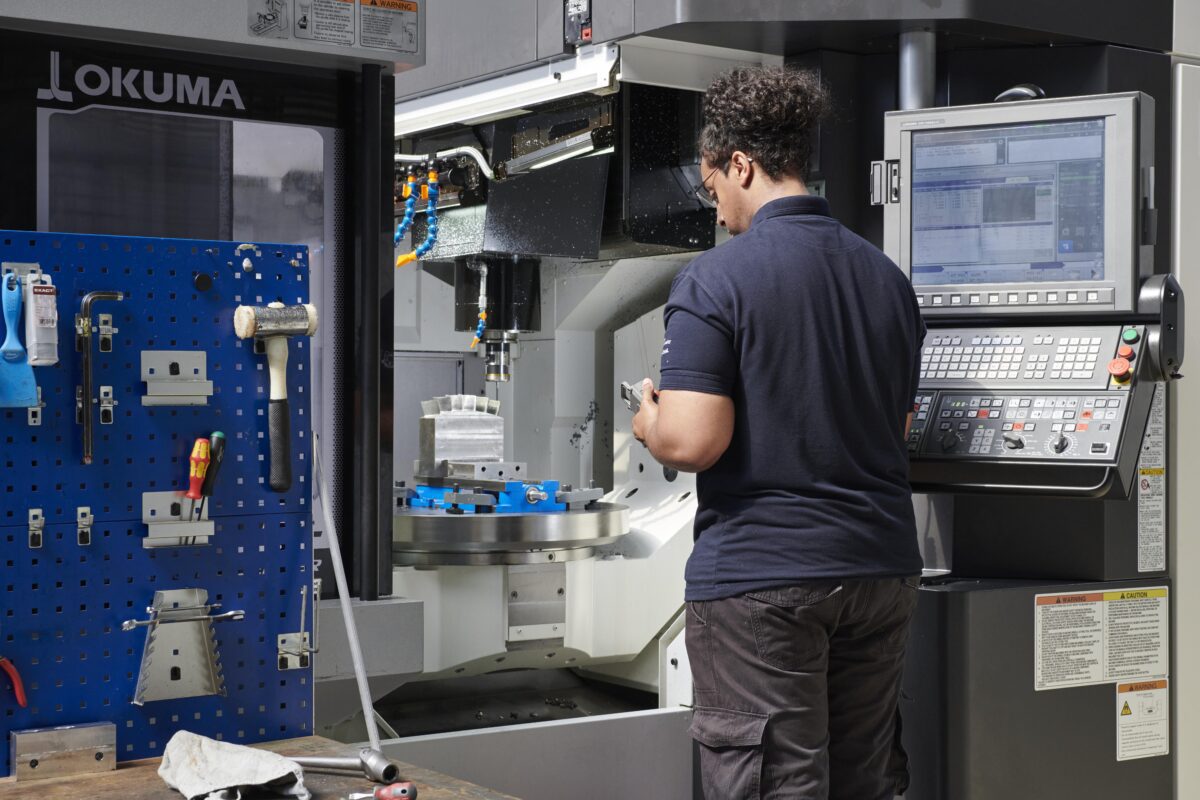
Advanced manufacturing technician Saeed, wearing safety glasses, working on a CNC machine.

The type of work an Engineering Manufacturing Technician will do

  • Gathering and analysing information and data from a range of sources
  • Updating technical documentation on quality, reliability and production schedules
  • Analysing or producing documents that explain how a product must be designed, manufactured, maintained and transported
  • Meeting with engineering and manufacturing teams
  • Maintaining quality and safety standards
  • Overseeing delivery to customers to hit agreed schedules
  • Contributing to discussion on how processes and procedures can be improved
Useful skills
Attention to detail
Useful skills
Problem solving
Useful skills
Instructing others
Useful skills
Critical thinking
£ 0 1 2 3 4 5 6 7 8 9 0 1 2 3 4 5 6 7 8 9 , 0 1 2 3 4 5 6 7 8 9 0 1 2 3 4 5 6 7 8 9 0 1 2 3 4 5 6 7 8 9
Average salary per year *
£ 0 1 2 3 4 5 6 7 8 9 , 0 1 2 3 4 5 6 7 8 9 0 1 2 3 4 5 6 7 8 9 0 1 2 3 4 5 6 7 8 9
Average salary per month *

Data powered by LMI for all
*according to ONS

Future career opportunities for an Engineering Manufacturing Technician

As you gain experience supporting engineers, you will become involved in the development and introduction of new products or product modifications. You may eventually lead a team that gathers the data and analysis to support design.

You could decide you want to become an engineer yourself and build on your technician skills to complete the right training and courses. Your technician, engineering and manufacturing skills will be transferrable to multiple industries.

How to become an Engineering Manufacturing Technician

There’s no perfect career path or ideal way into your dream job.

But if you’re interested in education and training options that could be relevant to this role, you might want to consider:

Options available after GCSEs:

More options available after that:

  • A Higher Technical Qualification such as a Higher National Certificate in Manufacturing Engineering for England.
  • An apprenticeship as an Engineering Manufacturing Technician.

Schools and colleges each have their own career guidance plan and can provide detailed information, advice, and guidance on options and next steps.

A little more about the role

Exciting features...

Research indicates that manufacturers and their suppliers need to recruit approximately 124,000 engineers and technicians every year. You will probably spend some of your time in a manufacturing plant and the rest in an office, liaising with internal colleagues and working directly with clients to understand their needs. You’ll also collaborate with suppliers to develop solutions to manufacturing challenges.

Other job titles...

This role can also be known by some other job titles including:

Costing Engineer
Installation Engineer
Manufacturing Quality Engineer
Manufacturing Procurement Engineer
Process Engineer
Production Support Engineer
Quality Engineer
Test and Commissioning Engineer

How an Electrical Engineering Technician makes a difference

As an Electrical Engineering Technician, you help keep homes, schools, hospitals and workplaces running safely. You help ensure electrical and electronic systems are installed correctly, tested properly and fixed quickly when something goes wrong.

Your work helps keep lights on, machines working and technology connected. By following safety rules and quality checks, you protect people from harm and reduce waste. You also help organisations save energy and work more efficiently, which is good for people and the planet.

The type of work an Electrical Engineering Technician will do

  • Assemble and wire electrical and electronic components
  • Test systems to check they work safely and correctly
  • Find faults using tools and basic test equipment
  • Repair or replace faulty parts
  • Carry out planned maintenance checks
  • Read drawings, instructions and technical information
Useful skills
Technologically minded
Useful skills
Logical thinking
Useful skills
Communicating complex ideas
Useful skills
Precise
Useful skills
Instructing others
£ 0 1 2 3 4 5 6 7 8 9 0 1 2 3 4 5 6 7 8 9 , 0 1 2 3 4 5 6 7 8 9 0 1 2 3 4 5 6 7 8 9 0 1 2 3 4 5 6 7 8 9
Average salary per year *
£ 0 1 2 3 4 5 6 7 8 9 , 0 1 2 3 4 5 6 7 8 9 0 1 2 3 4 5 6 7 8 9 0 1 2 3 4 5 6 7 8 9
Average salary per month *

Data powered by LMI for all
*according to ONS

Future career opportunities for an Electrical Engineering Technician

With experience, you could specialise in areas like electronics, manufacturing, maintenance or installation. You might move into senior technician roles, engineering jobs or team leadership. Some people go on to design systems, manage projects or train apprentices. There are also opportunities to work in many different industries or start your own business.

How to become an Electrical Engineering Technician

There’s no perfect career path or ideal way into your dream job.

But if you’re interested in education and training options that could be relevant to this role, you might want to consider:

Options available after GCSEs:

Schools and colleges each have their own career guidance plan and can provide detailed information, advice, and guidance on options and next steps.

A little more about the role

Exciting features...

This role is hands on and varied, so no two days are the same. You might be building equipment one day and fixing a fault the next. You get to work with real technology and see the results of your work straight away. As technology changes you keep learning new skills, which makes the job interesting and adaptable as technologies change. You also gain skills that are useful in many industries across the UK.

Other job titles...

You might also see this role listed under different job titles, including:

Electrical technician
Electronic engineering technician
Maintenance technician
Installation technician
Service technician

How a Telecommunications Technician makes a difference

Organisations rely on telecommunication systems in all areas of operations, just as people rely on voice, data, and video communications across their leisure and home life. The number of devices that utilise mobile and broadband networks has expanded tremendously over the last ten years, as internet and mobile technology have become faster and more readily available.

Not all areas enjoy the same superfast internet connections, however, and mobile and broadband networks can fail. Therefore specialists are required to understand what the challenges are, install the right technology, and repair issues quickly. You could be the technician who helps people and business to communicate with each other effectively by making network connections fast and reliable.

The type of work a Telecommunications Technician will do

  • Implementing IT solutions involving network hardware, software, databases and programming
  • Responding to reports about failing networks and communications
  • Diagnosing issues
  • Interacting with a wide variety of users with varying levels of technical knowledge
  • Collecting and analysing network and telecommunications performance data
  • Implementing and testing secure systems
  • Testing and maintaining core network infrastructure
Useful skills
Logical thinking
Useful skills
Attention to detail
Useful skills
Problem solving
Useful skills
Technologically minded
£ 0 1 2 3 4 5 6 7 8 9 0 1 2 3 4 5 6 7 8 9 , 0 1 2 3 4 5 6 7 8 9 0 1 2 3 4 5 6 7 8 9 0 1 2 3 4 5 6 7 8 9
Average salary per year *
£ 0 1 2 3 4 5 6 7 8 9 , 0 1 2 3 4 5 6 7 8 9 0 1 2 3 4 5 6 7 8 9 0 1 2 3 4 5 6 7 8 9
Average salary per month *

Data powered by LMI for all
*according to ONS

Future career opportunities for a Telecommunications Technician

You could work in several different environments, including large telecoms companies, within the IT team of a big organisation, or within a specialist IT consultancy that helps organisations install and manage their telecommunication systems.

As your knowledge and experience increase, you could get involved in the design of networks, helping organisations transition from old telecommunications systems to fast internet-based solutions.

How to become a Telecommunications Technician

There’s no perfect career path or ideal way into your dream job.

But if you’re interested in education and training options that could be relevant to this role, you might want to consider:

Options available after GCSEs:

More options available after that:

  • An apprenticeship as a Cellular Network Field Engineer.

Schools and colleges each have their own career guidance plan and can provide detailed information, advice, and guidance on options and next steps.

A little more about the role

Exciting features...

Many of the systems you install will be based in the cloud, instead of being installed in servers on premises. You’ll use cloud technology to roll out new systems to businesses and to provide software updates and new services to customers. You will understand how voice, data, and video infrastructure operates and how to direct different types of calls over the network to make telecommunications as cost effective as possible.

Other job titles...

This role can also be known by some other job titles including:

Cloud Technician
Communications Technician
Cyber/Security Support
Data Centre Support Technician
Help Desk Support
IT Field Technician
IT Support Analyst
Network Field Operative
Network Support
Office IT Technician

How a Dental Technician makes a difference

Dental technicians manufacture precise, custom-made medical appliances including bridges, crowns, implants, and dentures. These are used to replace or repair people’s natural teeth, to prevent pain and discomfort, and to improve appearance.

The role requires a strong mix of science skills and knowledge, and creativity, as dental technicians need to achieve the same skill level as fine artists and understand the range of materials and mechanics involved in making the appliances. You could be the technician who brings a smile back to people’s faces, with medical appliances that fit perfectly and match their natural teeth shade and character as closely as possible.

The type of work a Dental Technician will do

  • Advising dentists on the appropriate dental appliance based on the patient’s needs
  • Producing models
  • Designing and manufacturing dental appliances
  • Selecting materials
  • Modifying and repairing appliances
  • Recording the design and decision-making process
  • Communicating with dental teams and patients
  • Maintaining a clean laboratory environment
Useful skills
Attention to detail
Useful skills
Precise
Useful skills
Logical thinking
Useful skills
Problem solving
Useful skills
Instructing others
£ 0 1 2 3 4 5 6 7 8 9 0 1 2 3 4 5 6 7 8 9 , 0 1 2 3 4 5 6 7 8 9 0 1 2 3 4 5 6 7 8 9 0 1 2 3 4 5 6 7 8 9
Average salary per year *
£ 0 1 2 3 4 5 6 7 8 9 , 0 1 2 3 4 5 6 7 8 9 0 1 2 3 4 5 6 7 8 9 0 1 2 3 4 5 6 7 8 9
Average salary per month *

Data powered by LMI for all
*according to ONS

Future career opportunities for a Dental Technician

As you learn your trade you will be part of a team, taking on individual elements of the manufacturing process and becoming an expert in the different tools you use.

In time, you may decide to set up your own laboratory, to help private and NHS dentists to meet their customers’ needs.

How to become a Dental Technician

There’s no perfect career path or ideal way into your dream job.

But if you’re interested in education and training options that could be relevant to this role, you might want to consider:

Options available after GCSEs:

  • A T-level in Health.
  • A T-level in Science.
  • An apprenticeship as a Dental Nurse.

More options available after that:

  • An apprenticeship as a Dental Technician.

Schools and colleges each have their own career guidance plan and can provide detailed information, advice, and guidance on options and next steps.

A little more about the role

Exciting features...

This is a physical role that involves making things with your hands for most of your working day. However, you will also use computers and software to support the modelling and detailing of the medical appliances you create. You’ll also get to meet customers at times, to make sure the fit, character, and colour of your technical work is absolutely spot on.

How a Composites Technician makes a difference

Composites are manufactured using a combination of materials and can be formed into rigid structures that are lighter and stronger than metals. They are used by the aerospace, automotive, oil & gas, rail, marine, construction, and renewables industries for smaller components as well as structures such as panels and frames.

The composites manufacturing process involves cutting edge technologies and there is continuous research into new ways to solve product and construction challenges. You could be the technician who designs and manufactures composite parts for turbine blades, bridges, aeroplanes, or satellites in space.

Useful skills
Attention to detail
Useful skills
Critical thinking
Useful skills
Communicating complex ideas

The type of work a Composites Technician will do

  • Selecting materials to produce composites
  • Designing and preparing mould tools
  • Reading and understanding technical drawings
  • Designing and manufacturing components
  • Operating machinery
  • Carrying out machine maintenance
  • Listening to customer requirements and supporting research projects
£ 0 1 2 3 4 5 6 7 8 9 0 1 2 3 4 5 6 7 8 9 , 0 1 2 3 4 5 6 7 8 9 0 1 2 3 4 5 6 7 8 9 0 1 2 3 4 5 6 7 8 9
Average salary per year *
£ 0 1 2 3 4 5 6 7 8 9 , 0 1 2 3 4 5 6 7 8 9 0 1 2 3 4 5 6 7 8 9 0 1 2 3 4 5 6 7 8 9
Average salary per month *

Data powered by LMI for all
*according to ONS

Future career opportunities for a Composites Technician

You will have the opportunity to work in different industries, creating composite parts that solve a range of challenges.

Alternatively, you could work for a design studio that takes commissions from clients, supporting their internal research and development teams.

How to become a Composites Technician

There’s no perfect career path or ideal way into your dream job.

But if you’re interested in education and training options that could be relevant to this role, you might want to consider:

Options available after GCSEs:

Schools and colleges each have their own career guidance plan and can provide detailed information, advice, and guidance on options and next steps.

A little more about the role

Exciting features...

The growth in demand for composites is increasing the need for skilled technicians with knowledge of composite design, tooling, moulding, machining, testing, repairing, and material production. These specialised skills will give you the opportunity to be involved in important projects, some of which could be reported in the news.

Other job titles...

This role can also be known by some other job titles including:

Composites Designer
Composites Materials Technician
Composites Tool-Maker
Composites Laminators
Composites Inspector
Composites Repairer

How a Bus Engineering Technician makes a difference

Buses and coaches are essential transport for millions of people every day, as they travel to work, school or college, or go on shopping, work or day trips.

Every bus needs to be roadworthy, which means regular checks to make sure all parts are working safely, the environments are comfortable and clean, and on-board information notices are in the right place. You could be the technician who creates safe and pleasurable bus journeys that people rely on.

Useful skills
Technologically minded
Useful skills
Precise
Useful skills
Problem solving
Useful skills
Attention to detail

The type of work a Bus Engineering Technician will do

  • Carrying out roadworthiness inspections
  • Completing regular maintenance tasks
  • Meeting the timetable for repairs to support a reliable bus service
  • Carrying out a range of repairs across the whole of the bus, from engines to seating
  • Assembling mechanical units and electrical circuits
  • Maintaining a clear and safe workshop
  • Attending and assessing roadside incidents
£ 0 1 2 3 4 5 6 7 8 9 0 1 2 3 4 5 6 7 8 9 , 0 1 2 3 4 5 6 7 8 9 0 1 2 3 4 5 6 7 8 9 0 1 2 3 4 5 6 7 8 9
Average salary per year *
£ 0 1 2 3 4 5 6 7 8 9 , 0 1 2 3 4 5 6 7 8 9 0 1 2 3 4 5 6 7 8 9 0 1 2 3 4 5 6 7 8 9
Average salary per month *

Data powered by LMI for all
*according to ONS

Future career opportunities for a Bus Engineering Technician

You will probably start your career with a bus company that serves a particular region or destinations. You could progress to becoming a manager in that company, either leading a technical team or bus operations.

Alternatively, you might choose to work for a bus contractor that supplies its technical services to different bus and coach companies.

How to become a Bus Engineering Technician

There’s no perfect career path or ideal way into your dream job.

But if you’re interested in education and training options that could be relevant to this role, you might want to consider:

Options available after GCSEs:

Schools and colleges each have their own career guidance plan and can provide detailed information, advice, and guidance on options and next steps.

A little more about the role

Exciting features...

You’ll get to know the equipment on business and coaches from different manufacturers and increasingly learn about electric vehicles that have a lower impact on the environment and are gradually replacing old bus fleets. The tasks you’re involved in will regularly change, as new technologies and differing fuel types are introduced.