Favourites

How a Maintenance and Operations Engineering Technician makes a difference

There are vital goods and infrastructure we all depend on, including energy and food, transport and telecommunications, healthcare and pharmaceuticals.

These industries operate from manufacturing plants, using mechanical and automated equipment and networks to extract and transport resources. You could be the technician who makes sure essential machinery and systems keep operating.

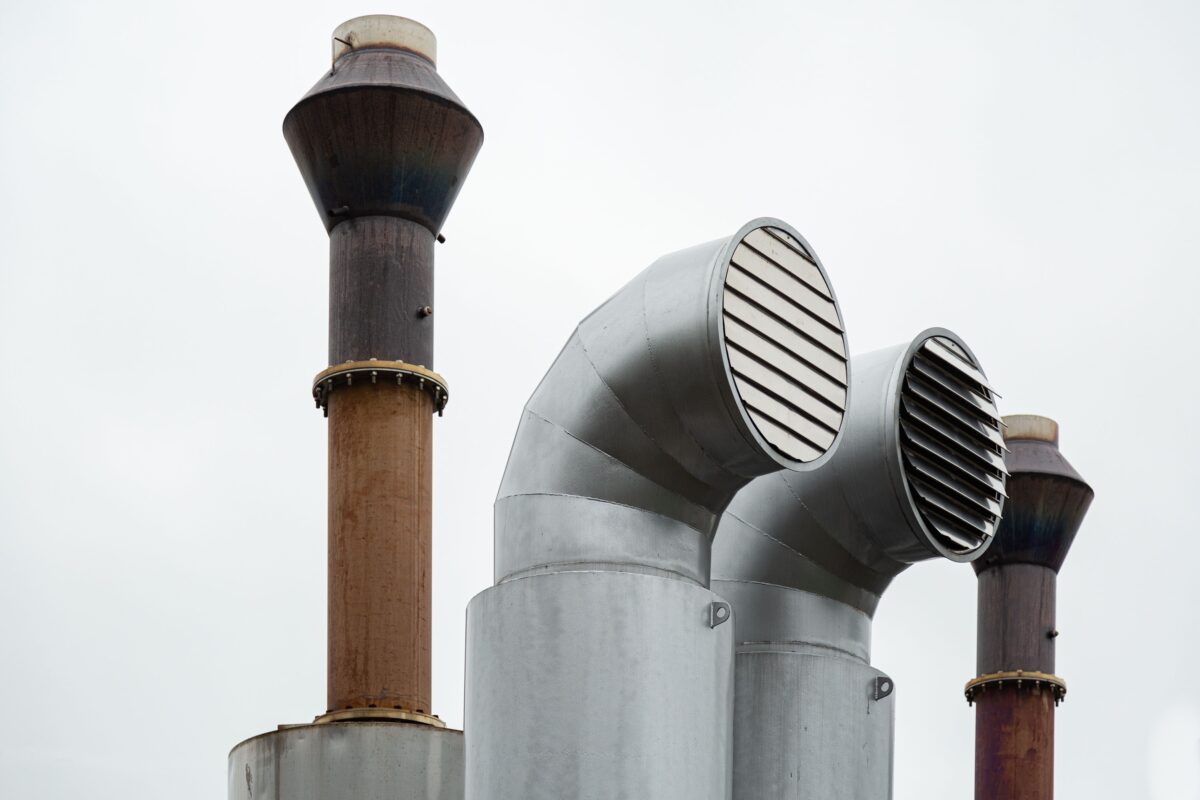
Ventilation pipes on the roof of a factory.

The kind of work a Maintenance and Operations Engineering Technician will do

  • Installation and maintenance of a range of equipment
  • Starting up and shutting down plants
  • Dealing with critical operational problems
  • Carrying out reactive repairs
  • Meeting performance targets for quality, time and budget
  • Taking responsibility for your own work and overseeing others
Useful skills
Attention to detail
Useful skills
Instructing others
Useful skills
Precise
Useful skills
Problem solving
£ 0 1 2 3 4 5 6 7 8 9 0 1 2 3 4 5 6 7 8 9 , 0 1 2 3 4 5 6 7 8 9 0 1 2 3 4 5 6 7 8 9 0 1 2 3 4 5 6 7 8 9
Average salary per year *
£ 0 1 2 3 4 5 6 7 8 9 , 0 1 2 3 4 5 6 7 8 9 0 1 2 3 4 5 6 7 8 9 0 1 2 3 4 5 6 7 8 9
Average salary per month *

Data powered by LMI for all
*according to ONS

Future career opportunities for a Maintenance and Operations Engineering Technician

With training and experience you could qualify as an engineer in your particular industry.

You could also move into maintenance team management, contract management (which involves supporting customers), technical sales or training others.

How to get into this role

There’s no perfect career path or ideal way into your dream job.

But if you’re interested in education and training options that could be relevant to this role, you might want to consider:

Options available after GCSEs:

Schools and colleges each have their own career guidance plan and can provide detailed information, advice, and guidance on options and next steps.

A little more about the role

Exciting features...

If you work in an electricity-generating environment you could be maintaining equipment and plants for renewable energy sources including wind and solar. You might be supporting the processing and production of chemicals or pharmaceuticals. Alternatively, you could be controlling sewerage, or enabling the exploration for oil and gas.

Other job titles...

Electro Mechanical Technician
Electrical Systems Technician
Process Control Technician

How a Bike Technician makes a difference

Ever since the London 2012 Summer Olympics, the UK cycling industry has been growing. There are more cycling clubs taking to the roads on the weekends, and more people are opting for cycling as a greener, healthier, and cheaper way to get to school or work. The pandemic also motivated more people to adopt cycling as a leisure activity.

With many more bikes being used, there are good opportunities for bike technicians. As well as supporting people with maintenance and repairs, bike technicians can also be involved in building specialist bikes from scratch. In addition, they play a role in encouraging more people to choose this greener way to get around. You could be the technician who ensures people have dependable bikes for their journeys, thereby helping to reduce carbon emissions.

The type of work a Bike Technician will do

  • Identifying problems with a bike
  • Estimating the cost of repairs and producing quotes
  • Carrying out bike services and safety checks
  • Carrying out repairs and maintenance tasks
  • Building a new bike to a customer’s specifications
  • Ordering parts and managing stock
  • Liaising with suppliers
  • Taking bookings and completing paperwork
  • Attending cycling events to provide repairs and technical support
Useful skills
Problem solving
Useful skills
Attention to detail
Useful skills
Instructing others
£ 0 1 2 3 4 5 6 7 8 9 0 1 2 3 4 5 6 7 8 9 , 0 1 2 3 4 5 6 7 8 9 0 1 2 3 4 5 6 7 8 9 0 1 2 3 4 5 6 7 8 9
Average salary per year *
£ 0 1 2 3 4 5 6 7 8 9 , 0 1 2 3 4 5 6 7 8 9 0 1 2 3 4 5 6 7 8 9 0 1 2 3 4 5 6 7 8 9
Average salary per month *

Data powered by LMI for all
*according to ONS

Future career opportunities for a Bike Technician

With experience you could progress to being head mechanic, responsible for leading a team. You could also decide to be self-employed and set up your own mobile bike mechanic business, or shop.

There are also large organisations, including British Cycling, who employ specialist mechanics to support British racing teams. Alternatively you could progress to working for a bike manufacturer.

How to become a Bike Technician

There’s no perfect career path or ideal way into your dream job.

But if you’re interested in education and training options that could be relevant to this role, you might want to consider:

Options available after GCSEs:

Schools and colleges each have their own career guidance plan and can provide detailed information, advice, and guidance on options and next steps.

A little more about the role

Exciting features...

The range of bikes available today is bigger than ever before. You could be involved in the maintenance and repairs of road, mountain, touring, folding, BMX, cruiser, and fixed gear bikes. The popularity of electric bikes is also growing, so you could grow your electronic as well as mechanical expertise.

Other job titles...

This role can also be known by some other job titles including:

Cycle Mechanic
Bicycle Technician

How a Vehicle Manufacturing Technician makes a difference

While cars are the dominant vehicles on the road they are not the only vehicles that are manufactured. There are many different kinds of vans, trucks and tankers, as well as vehicles that head into space or work at sea.

Today, advanced manufacturing methods are used to manufacture all vehicles, and continuous improvements are made to the production line to make the manufacturing process as efficient as possible and ensure the highest quality end product. You could be the technician who contributes to how vehicles are made and makes sure they are all delivered to exactly the right standards.

The type of work a Vehicle Manufacturing Technician will do

  • Carrying out production and quality checks
  • Dealing with engineering and manufacturing problems
  • Completing documentation using the necessary recording systems
  • Reviewing processes and procedures
  • Upgrading and fixing machinery
  • Trialling the production of vehicles on an upgraded production line
Useful skills
Precise
Useful skills
Critical thinking
Useful skills
Problem solving
£ 0 1 2 3 4 5 6 7 8 9 0 1 2 3 4 5 6 7 8 9 , 0 1 2 3 4 5 6 7 8 9 0 1 2 3 4 5 6 7 8 9 0 1 2 3 4 5 6 7 8 9
Average salary per year *
£ 0 1 2 3 4 5 6 7 8 9 , 0 1 2 3 4 5 6 7 8 9 0 1 2 3 4 5 6 7 8 9 0 1 2 3 4 5 6 7 8 9
Average salary per month *

Data powered by LMI for all
*according to ONS

Future career opportunities for a Vehicle Manufacturing Technician

With experience and training, you could become a team supervisor, quality control technical or workshop section leader.

You could also progress to being a senior maintenance engineer, with responsibility for a team that services and repairs production line machinery.

How to become a Vehicle Manufacturing Technician

There’s no perfect career path or ideal way into your dream job.

But if you’re interested in education and training options that could be relevant to this role, you might want to consider:

Options available after GCSEs:

More options available after that:

  • An apprenticeship as an Engineering Manufacturing Technician.

Schools and colleges each have their own career guidance plan and can provide detailed information, advice, and guidance on options and next steps.

A little more about the role

Exciting features...

Whether you work for a small specialist or large multinational manufacturing business, you will come across the term Lean Manufacturing. This is an approach to manufacturing that is focused on maximising productivity, while simultaneously minimising waste. The continuous emphasis on finding lean methods of production creates an innovative environment, where all ideas are discussed and often trialled to see how much of a difference they make.

Other job titles...

This role can also be known by some other job titles including:

Mechatronics Technician
Costing Engineer
Installation Engineer
Manufacturing Quality Engineer
Manufacturing Procurement Engineer
Manufacturing Production Engineer
Process Engineer
Production Support Engineer
Quality Engineer
Testing and Commissioning Engineer

How a Vehicle Paint Technician makes a difference

Vehicles today are available in a rainbow of colours that are sprayed on by robots programmed to apply colour perfectly. Vehicles also sometimes need to be resprayed, when they are involved in collisions or other incidents, for example.

After an event like that, owners want their vehicles returned to as good as new. You could be the technician who ensures their paintwork is in top condition.

The type of work a Vehicle Paint Technician will do

  • Masking, sanding, and other preparation work
  • Mixing paints to achieve the right colour match
  • Looking after materials and machinery
  • Spray painting vehicles
  • Maintaining a clear working environment
  • Keeping tools and equipment safe
Useful skills
Attention to detail
Useful skills
Logical thinking
Useful skills
Critical thinking
Useful skills
Precise
£ 0 1 2 3 4 5 6 7 8 9 0 1 2 3 4 5 6 7 8 9 , 0 1 2 3 4 5 6 7 8 9 0 1 2 3 4 5 6 7 8 9 0 1 2 3 4 5 6 7 8 9
Average salary per year *
£ 0 1 2 3 4 5 6 7 8 9 , 0 1 2 3 4 5 6 7 8 9 0 1 2 3 4 5 6 7 8 9 0 1 2 3 4 5 6 7 8 9
Average salary per month *

Data powered by LMI for all
*according to ONS

Future career opportunities for a Vehicle Paint Technician

After developing the required skills under supervision you will start to work independently.

With more experience, you could transfer your skills to a car manufacturing facility, overseeing robots or training others to spray paint vehicles.

How to become a Vehicle Paint Technician

There’s no perfect career path or ideal way into your dream job.

But if you’re interested in education and training options that could be relevant to this role, you might want to consider:

Options available after GCSEs:

Schools and colleges each have their own career guidance plan and can provide detailed information, advice, and guidance on options and next steps.

A little more about the role

Exciting features...

You’ll be responsible for ensuring the correct colour match, preparing the vehicle surface and achieving a high quality final finish. This involves using tools such as spray equipment and materials such as primers, base coats, and lacquers. You’ll also use different drying techniques such as ultraviolet, infrared, and catalytic solutions.

Other job titles...

This role can also be known by some other job titles including:

Painters
Vehicle Paint Sprayer
Paint Technician
Prepper/Painter
Refinish Technician
Car Sprayer
Applicants Technician
Maintenance Technician

How a Solar Energy Technician makes a difference

The owners of residential and commercial properties are looking for ways to be energy efficient and to reduce the cost of their energy bills. One option for them could be installing solar panels, which collect solar power and convert it into renewable energy.

Solar energy technicians are responsible for installing solar panels on roofs and structures on land, maintaining the panels, and ensuring wiring systems are safe and efficient. You could be the technician who helps homes and businesses to have independent, renewable energy resources that bring their costs of operation down and protect the planet in the process.

The type of work a Solar Energy Technician will do

  • Assessing locations to make sure they are suitable for solar panels
  • Measuring up areas for installation
  • Producing reports and designs of recommended solutions
  • Installing and maintaining solar panels
  • Making adjustments to building surfaces to make sure panels fit and are adequately supported
  • Connecting solar panels to an electrical system
  • Checking wiring
  • Interacting with customers
Useful skills
Problem solving
Useful skills
Technologically minded
Useful skills
Communicating complex ideas
Useful skills
Attention to detail
Useful skills
Logical thinking
£ 0 1 2 3 4 5 6 7 8 9 0 1 2 3 4 5 6 7 8 9 , 0 1 2 3 4 5 6 7 8 9 0 1 2 3 4 5 6 7 8 9 0 1 2 3 4 5 6 7 8 9
Average salary per year *
£ 0 1 2 3 4 5 6 7 8 9 , 0 1 2 3 4 5 6 7 8 9 0 1 2 3 4 5 6 7 8 9 0 1 2 3 4 5 6 7 8 9
Average salary per month *

Data powered by LMI for all
*according to ONS

Future career opportunities for a Solar Energy Technician

You could work in a specialist solar panel installation business that’s dedicated to either domestic or commercial installations. Once you’ve gained experience, you could lead a team of technicians and take on bigger projects.

There are also opportunities working in construction businesses that want to make new homes and commercial environments as energy efficient as possible. Alternatively, you might choose to be a freelance solar energy technician, offering your specialist skills to a range of different companies.

How to become a Solar Energy Technician

There’s no perfect career path or ideal way into your dream job.

But if you’re interested in education and training options that could be relevant to this role, you might want to consider:

Options available after GCSEs:

Schools and colleges each have their own career guidance plan and can provide detailed information, advice, and guidance on options and next steps.

A little more about the role

Exciting features...

If enough solar energy is collected, whole homes and businesses can operate independently without any energy coming from the national grid. As a solar energy technician, you’ll be helping them to have clean power every day of the year that is pollution free and causes no greenhouse gases to be emitted after installation.

Other job titles...

This role can also be known by some other job titles including:

Solar Panel Installer
Solar Panel Engineer

How a Wind Turbine Technician makes a difference

Wind turbines are becoming an increasingly common feature on land and at sea as we focus more on renewable energy sources to help combat climate change.

These tall machines reach up to 90 metres and need to be monitored and maintained to ensure they run as reliably and efficiently as possible, generating a reliable source of energy for businesses and homes. You could be the technician that supports a renewable energy supply and our ambition to be net zero carbon by 2050.

The type of work a Wind Turbine Technician will do

  • Install wind turbine towers on land or at sea
  • Fit electrical, mechanical, and hydraulic equipment
  • Test turbine blades and control systems
  • Climb towers to inspect them
  • Find faults and fix them
  • Carry out planned maintenance work
  • Run safety checks and keep records
Useful skills
Attention to detail
Useful skills
Problem solving
£ 0 1 2 3 4 5 6 7 8 9 0 1 2 3 4 5 6 7 8 9 , 0 1 2 3 4 5 6 7 8 9 0 1 2 3 4 5 6 7 8 9 0 1 2 3 4 5 6 7 8 9
Average salary per year *
£ 0 1 2 3 4 5 6 7 8 9 , 0 1 2 3 4 5 6 7 8 9 0 1 2 3 4 5 6 7 8 9 0 1 2 3 4 5 6 7 8 9
Average salary per month *

Data powered by LMI for all
*according to ONS

Future career opportunities for a Wind Turbine Technician

Experience in this role will enable you to diagnose and repair different parts of the turbines and work at greater heights.

Over time you could be leading a team, training others on the systems and technologies involved, or leading health and safety across a business. Your skills will be valued all over the world, enabling you to travel and work overseas.

How to become a Wind Turbine Technician

There’s no perfect career path or ideal way into your dream job.

But if you’re interested in education and training options that could be relevant to this role, you might want to consider:

Options available after GCSEs:

Schools and colleges each have their own career guidance plan and can provide detailed information, advice, and guidance on options and next steps.

A little more about the role

Exciting features...

You’ll be working at the forefront of a vital technology that is helping to solve one of the world’s biggest challenges – climate change. Whether you work on land or at sea, you’ll be required to complete complex tasks at great heights. You’ll be trained in the systems and tools required to monitor and repair the wind turbines and the equipment you need to keep you safe.

Other job titles...

This role can also be known by some other job titles including:

Wind Farm Technician

How a Welding Technician makes a difference

Welding is a way to make high strength joints between two or more parts. It is used extensively in almost every industry, including automotive, marine, transport and construction, and results in components for cars, ships and rail vehicles, as well as simple metallic containers and steelwork for bridges and buildings.

Making sure a joint is safe and strong is the primary role of a welder. Joints need to meet exact quality standards so that the finished products they are part of function correctly and can be relied upon. Fixing worn out joints is just as essential. You could be the technician who makes sure products, transport and processes are safe and contribute to a high quality of life.

The type of work a Welding Technician will do

  • Preparing and checking welding equipment
  • Ensuring your materials and work area are ready for welding
  • Operating tooling machines
  • Carrying out cutting, shaping and welding processes
  • Using a range of welding processes and joint types
  • Understanding the major components of welding equipment
  • Identifying welding defects
  • Preventing defects by using the right materials for each application
Useful skills
Technologically minded
Useful skills
Attention to detail
Useful skills
Precise
Useful skills
Instructing others
£ 0 1 2 3 4 5 6 7 8 9 0 1 2 3 4 5 6 7 8 9 , 0 1 2 3 4 5 6 7 8 9 0 1 2 3 4 5 6 7 8 9 0 1 2 3 4 5 6 7 8 9
Average salary per year *
£ 0 1 2 3 4 5 6 7 8 9 , 0 1 2 3 4 5 6 7 8 9 0 1 2 3 4 5 6 7 8 9 0 1 2 3 4 5 6 7 8 9
Average salary per month *

Data powered by LMI for all
*according to ONS

Future career opportunities for a Welding Technician

There are several different pathways you can follow as a welder, including becoming a specialist in a particular industry, working on more complex construction projects, including those underwater, and teaching other people how to weld.

You could also become a welding inspector, helping to make sure quality and safety standards are maintained and improved upon.

How to become a Welding Technician

There’s no perfect career path or ideal way into your dream job.

But if you’re interested in education and training options that could be relevant to this role, you might want to consider:

Options available after GCSEs:

Schools and colleges each have their own career guidance plan and can provide detailed information, advice, and guidance on options and next steps.

A little more about the role

Exciting features...

Welders use high electrical energy to form an arc. This arc is used to melt metals and to fuse them together to form a structurally sound weld. Controlling the arc requires a lot of skill that is in high demand. There are opportunities to work all over the world and in different environments, including offshore windfarms and oil rigs.

How a Textile Technician makes a difference

Upholstery, fashion styles and work wear all require fabrics that not only look good but perform well, keeping people comfortable, dry, safe, and secure, as well as feeling great.

There are many technicalities involved in getting different fabrics to perform to their best and be manufactured in high volumes. You could be the technician that knows how to make fabric concepts a reality by understanding what they’re made of and how that affects the way they behave.

The type of work a Textile Technician will do

  • Listening to customers’ needs and producing fabrics to their requirements
  • Developing technical reports on textile performance
  • Calculating production requirements
  • Planning and maintaining schedules
  • Managing the maintenance of machines
  • Maintaining quality control when fabrics are in production
Useful skills
Precise
Useful skills
Logical thinking
Useful skills
Technologically minded
Useful skills
Instructing others
Useful skills
Communicating complex ideas
£ 0 1 2 3 4 5 6 7 8 9 0 1 2 3 4 5 6 7 8 9 , 0 1 2 3 4 5 6 7 8 9 0 1 2 3 4 5 6 7 8 9 0 1 2 3 4 5 6 7 8 9
Average salary per year *
£ 0 1 2 3 4 5 6 7 8 9 , 0 1 2 3 4 5 6 7 8 9 0 1 2 3 4 5 6 7 8 9 0 1 2 3 4 5 6 7 8 9
Average salary per month *

Data powered by LMI for all
*according to ONS

Future career opportunities for a Textile Technician

The many different applications of fabric mean there’s a wide variety of companies you could work for.

Working for a fabric manufacturer you could have clients in several sectors. Alternatively, you might end up working for a big fashion brand producing exactly the fabric they need.

How to become a Textile Technician

There’s no perfect career path or ideal way into your dream job.

But if you’re interested in education and training options that could be relevant to this role, you might want to consider:

Options available after GCSEs:

More options available after that:

  • An apprenticeship as a Textile Technical Specialist.
  • An apprenticeship as a Fashion and Textiles Product Technologist.

Schools and colleges each have their own career guidance plan and can provide detailed information, advice, and guidance on options and next steps.

A little more about the role

Exciting features...

You’ll be a specialist in fabric, advising clients on how to achieve their ambitions. This involves using specialist textile machinery and equipment and working with global supply chains to access the raw materials that are vital to the material you’re producing.

Other job titles...

This role can also be known by some other job titles including:

Technical Weaver
Textile Technologist
Weaving Manager
Weaving Technician
Finishing Manager
Finishing Technician
Weaving Overlooker
Production Manager

How a Colour and Dye Technician makes a difference

Colours of all kinds are everywhere, in textiles, work clothing, fashion fabrics, and upholstery. Highly specialised colour and dye chemistry ensures the right colours can be achieved across all kinds of materials.

Colour trends come and go, however, and new fabrics are being developed all the time to make furniture, clothing and products of all kinds that are better for the planet. You could be the technician that brings colour to the world, applying your colour and dye chemistry to new and planet-friendly materials.

The type of work a Colour and Dye Technician will do

  • Creating recipes for specific shades of colour
  • Scheduling machine time
  • Programming the computers that control the containers of ingredients
  • Controlling stock and ordering dyes
  • Meeting environmental controls for chemicals usage
  • Liaising with clients on their colour objectives and production timelines
  • Carrying out colour test to make sure colour lasts
Useful skills
Attention to detail
Useful skills
Precise
Useful skills
Technologically minded
£ 0 1 2 3 4 5 6 7 8 9 0 1 2 3 4 5 6 7 8 9 , 0 1 2 3 4 5 6 7 8 9 0 1 2 3 4 5 6 7 8 9 0 1 2 3 4 5 6 7 8 9
Average salary per year *
£ 0 1 2 3 4 5 6 7 8 9 , 0 1 2 3 4 5 6 7 8 9 0 1 2 3 4 5 6 7 8 9 0 1 2 3 4 5 6 7 8 9
Average salary per month *

Data powered by LMI for all
*according to ONS

Future career opportunities for a Colour and Dye Technician

Your skills in dye production can take you in lots of different directions, first working in and then leading a team.

You could help to create luxury fabrics for a fashion brand, hard-wearing comfortable fabrics for furniture or develop a whole range of colours on an industrial scale for different kinds of manufacturers.

How to become a Colour and Dye Technician

There’s no perfect career path or ideal way into your dream job.

But if you’re interested in education and training options that could be relevant to this role, you might want to consider:

Options available after GCSEs:

  • A T-level in Craft and Design.
  • An apprenticeship as a Craft Assistant Dye and Print Technician.

Schools and colleges each have their own career guidance plan and can provide detailed information, advice, and guidance on options and next steps.

A little more about the role

Exciting features...

Working as a colour and dye technician involves moving between manufacturing facilities and laboratories and working with customers to achieve their colour goals. You’ll be responsible for colour trials, production and the ultimate quality of colour.

Other job titles...

This role can also be known by some other job titles including:

Colour Chemist
Colour Scientist
Dye Technologist
Dye-House Technician
Laboratory Technician
Manufacturing Managers

How a Special Effects Technician makes a difference

Have you ever wondered how filmmakers create snow when they need it, produce an explosion that looks real, have tea pots that talk, or show hundreds of imaginary creatures flying through the sky? These sorts of magical moments are achieved through the work of highly skilled technicians who know how to add visual, physical, and explosive special effects to films.

While some special effects are filmed live, in front of the camera, others can be added in later using digital techniques such as animation and CGI. Physical special effects involve the creation of props, mechanical tricks and models. You could be the technician who helps to create blockbuster films everyone loves because the special effects are amazing!

The type of work a Special Effects Technician will do

  • Brainstorming ideas and solutions with creative and technical teams
  • Proposing ideas to film makers
  • Building new equipment and props
  • Assembling and checking models and mechanical items
  • Working on a computer to model or trigger effects
  • Introducing props and other special effects on the film set and making sure they work
  • Repairing parts or mechanics that break
  • Safely removing and storing props and equipment after use
Useful skills
Problem solving
Useful skills
Instructing others
Useful skills
Precise

Data powered by LMI for all
*according to ONS

Future career opportunities for a Special Effects Technician

Once you’ve gained general experience in a broad range of special effects, you can start to focus on those you like most and are best at. There are specialist courses you can take to add to your skills.

After about ten years in the industry, you could become a senior technician, and after a few more you could be promoted to the role of special effects supervisor. Beyond that, you might decide to set up your own special effects company.

How to become a Special Effects Technician

There’s no perfect career path or ideal way into your dream job.

But if you’re interested in education and training options that could be relevant to this role, you might want to consider:

Options available after GCSEs:

More options available after that:

  • An apprenticeship as an Assistant Technical Director (Visual Effects).

Schools and colleges each have their own career guidance plan and can provide detailed information, advice, and guidance on options and next steps.

A little more about the role

Exciting features...

You could work in a special effects studio that supplies lots of different films, or could spend time on a film set, dedicated to one particular film. You’ll learn how to use a range of specialist tools and work with diverse materials including rubber, wood, and metal. Best of all, when films are launched, you’ll be able to see your creativity and hard work come to life on the big screen.