Favourites

How an ROV or Drone Pilot Technician makes a difference

ROV Pilot and Drone Pilot Technicians help people see places that are hard or dangerous to reach.

An ROV is a remotely operated vehicle. They are submersible robots that go underwater. They go places that are too deep or too dangerous for human divers, to inspect places or carry out tasks.

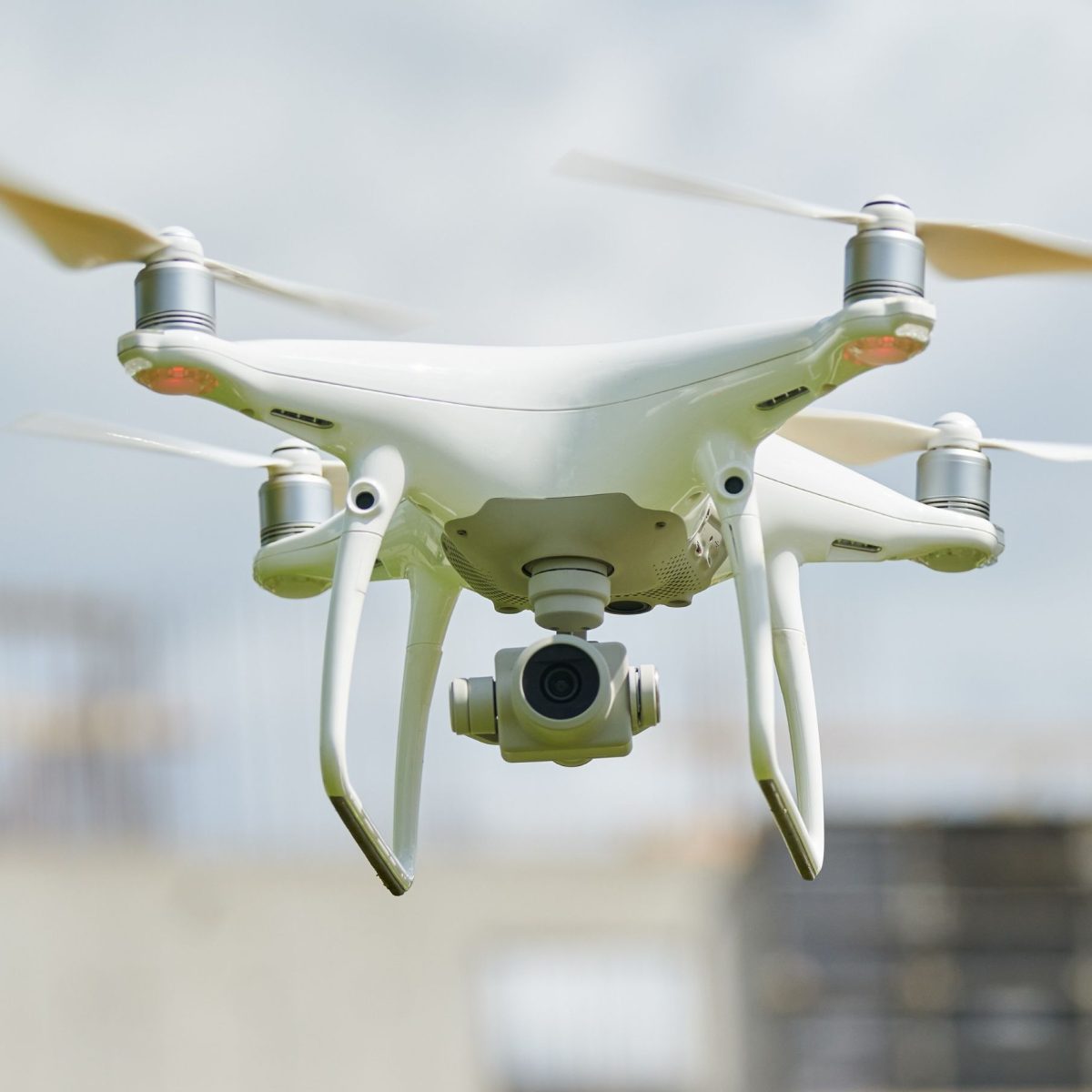
A drone is a flying machine that is operated by remote. They are used to take pictures or video to investigate things, like the exterior of tall buildings, or to map areas.

ROV Pilot and Drone Pilot Technicians specialise in one of these technologies. You could be the technician who pilots an ROV or a drone with precision, helping projects by gathering data that would otherwise be more difficult or dangerous to get.

The tasks that ROVs are used for vary. They can be used in subsea oil and gas development projects, for inspection, repair and maintenance, to lay cable and pipe, for surveys and in construction, or to examine salvage, for example a shipwrecked boat. They are also used for scientific research.

Drones can be used to check whether structures are safe, like the roofs of buildings, bridges, or wind turbines. They can also be used to survey wide areas, like monitoring wildlife, or creating a 3D digital contour map of a landscape. They are also used in the film and TV industry to get certain shots, and in emergency situations, they can help with search and rescue.

The type of work an ROV or Drone Pilot Technician will do

  • Plan flights or dives, making sure weather or water conditions are safe
  • Set up, test and maintain drone or ROV equipment
  • Pilot vehicles using remote controls and screens
  • Capture photos, video and sensor data
  • Inspect structures like buildings, pipelines or turbines
  • Follow safety rules, including airspace or marine regulations
  • Log missions and write simple reports
  • Troubleshoot faults and carry out basic repairs
  • Work with teams such as engineers, scientists or emergency services
Useful skills
Technologically minded
Useful skills
Logical thinking
£ 0 1 2 3 4 5 6 7 8 9 0 1 2 3 4 5 6 7 8 9 , 0 1 2 3 4 5 6 7 8 9 0 1 2 3 4 5 6 7 8 9 0 1 2 3 4 5 6 7 8 9
Average salary per year *
£ 0 1 2 3 4 5 6 7 8 9 , 0 1 2 3 4 5 6 7 8 9 0 1 2 3 4 5 6 7 8 9 0 1 2 3 4 5 6 7 8 9
Average salary per month *

Data powered by LMI for all
*according to ONS

Future career opportunities for an ROV or Drone Pilot Technician

With experience, you could specialise in areas like surveying, inspection or film production. You might move into senior pilot roles, operations management or training others.

Some people progress into engineering, data analysis or project management. There are also opportunities to work offshore, in renewable energy or with emergency services.

How to become an ROV or Drone Pilot Technician

There’s no perfect career path or ideal way into your dream job.

But if you’re interested in education and training options that could be relevant to this role, you might want to consider:

Options available after GCSEs:

More options available after that:

  • An apprenticeship as an Uncrewed Marine Vehicle Specialist.

Schools and colleges each have their own career guidance plan and can provide detailed information, advice, and guidance on options and next steps.

A little more about the role

Exciting features...

Every day can be different, as you will be exploring different places and structures. You get to use cutting-edge technology like high-resolution cameras and sensors. The role can take you to unique locations and let you work on real-world challenges, from protecting wildlife to helping build new infrastructure. It mixes hands-on skills with problem solving and teamwork. As drones and ROVs become more important, there are growing opportunities across many industries.

Other job titles...

UAV pilot (unmanned aerial vehicle)
Drone operator
ROV pilot technician
Remote pilot
Aerial survey pilot
Inspection drone pilot
Marine ROV operator
Unmanned systems operator

How an IT Technician makes a difference

Every organisation today – from schools to hospitals, banks to manufacturers – relies on IT (information technology) to share information, communicate, and collaborate. IT includes infrastructure, such as servers, and software including operating systems and apps.

The installation of new IT can transform a business, but when IT doesn’t work it causes problems. You could be the technician who fixes IT issues, improves processes, creates efficiencies, and enables new ways of working.

The type of work an IT Technician will do

  • Testing IT systems and diagnosing issues
  • Changing system and application settings
  • Installing software and security systems
  • Training people on IT software and systems
  • Upgrading network infrastructure and software
  • Enabling remote mobile working
  • Supporting colleagues with IT issues
Useful skills
Technologically minded
Useful skills
Problem solving
Useful skills
Logical thinking
Useful skills
Instructing others
Useful skills
Precise
£ 0 1 2 3 4 5 6 7 8 9 0 1 2 3 4 5 6 7 8 9 , 0 1 2 3 4 5 6 7 8 9 0 1 2 3 4 5 6 7 8 9 0 1 2 3 4 5 6 7 8 9
Average salary per year *
£ 0 1 2 3 4 5 6 7 8 9 , 0 1 2 3 4 5 6 7 8 9 0 1 2 3 4 5 6 7 8 9 0 1 2 3 4 5 6 7 8 9
Average salary per month *

Data powered by LMI for all
*according to ONS

Future career opportunities for an IT Technician

You could become a specialist who focuses on a specific network or software solution. Or you might concentrate on an individual industry, learning about the particular IT challenges it needs to solve.

With experience, you’ll also have the opportunity to move from IT support to more senior roles, perhaps in an IT consultancy or in a major organisation, moving up to an IT manager, supervisor, or director position.

How to become an IT Technician

There’s no perfect career path or ideal way into your dream job.

But if you’re interested in education and training options that could be relevant to this role, you might want to consider:

Options available after GCSEs:

Schools and colleges each have their own career guidance plan and can provide detailed information, advice, and guidance on options and next steps.

A little more about the role

Exciting features...

There are wide-ranging opportunities in IT: working on the front line providing IT support to colleagues or customers, or in network design and implementation, bringing new infrastructure and software to organisations that want to improve how they operate. With the growth of robotics, automation and artificial intelligence, you could also be involved in developing and maintaining high-tech manufacturing plants.

Other job titles...

This role can also be known by some other job titles including:

IT Solutions Technician
Technical Analyst
Service Analyst
IT Systems Support
IT Support Technician
IT Services Desk
Technical Service Desk

How a Data Technician makes a difference

Over the last twenty years, a large proportion of our lives and business activity has become digitalised. On an individual level, every app, purchase, video stream, online search, and social media post we make generates huge amounts of data about how we think and behave. Businesses analyse our data to understand and serve us better, and to offer us products and services that will appeal to us.

They also gather data on other factors that impact their business, such as prices, populations, energy use, and weather conditions. You could be the technician who helps to source, format, and present data securely, to help generate insights that lead to improved services and product innovations.

The type of work a Data Technician will do

  • Blending data from multiple sources
  • Following legal and ethical principles of data collection
  • Explaining the insights the data generated
  • Producing reports containing data and insights
  • Interacting with a wide range of people who have an interest in the data
  • Understanding the types of insights people need to collect appropriate data
  • Processing data using computers
  • Storing and managing data
Useful skills
Technologically minded
Useful skills
Precise
Useful skills
Problem solving
Useful skills
Logical thinking
Useful skills
Critical thinking
Useful skills
Instructing others
Useful skills
Communicating complex ideas
£ 0 1 2 3 4 5 6 7 8 9 0 1 2 3 4 5 6 7 8 9 , 0 1 2 3 4 5 6 7 8 9 0 1 2 3 4 5 6 7 8 9 0 1 2 3 4 5 6 7 8 9
Average salary per year *
£ 0 1 2 3 4 5 6 7 8 9 , 0 1 2 3 4 5 6 7 8 9 0 1 2 3 4 5 6 7 8 9 0 1 2 3 4 5 6 7 8 9
Average salary per month *

Data powered by LMI for all
*according to ONS

Future career opportunities for a Data Technician

You could build a career in data analytics in a large accounting or consulting firm, so teams can serve and inform clients in diverse sectors. As your experience grows, you can lead a team of analysts.

Alternatively you might join a consumer retail, marketing agency, or public sector organisation, and use data to develop products, campaigns or services.

How to become a Data Technician

There’s no perfect career path or ideal way into your dream job.

But if you’re interested in education and training options that could be relevant to this role, you might want to consider:

Options available after GCSEs:

More options available after that:

  • A Higher Technical Qualification in Computer Science or Data Analytics.
  • An apprenticeship as a Data Analyst.

Schools and colleges each have their own career guidance plan and can provide detailed information, advice, and guidance on options and next steps.

A little more about the role

Exciting features...

Data collection and analytics is a big part of many industries, including finance, retail, education, health, media, manufacturing, and hospitality. As a Data Technician you will be required to present data securely in a relevant way, so other people understand the insights the data has generated and the outcomes it can help them achieve.

Other job titles...

This role can also be known by some other job titles including:

Data Engineer
Data and Reporting Analyst
Security Architect

How a Cyber Security Technician makes a difference

Any sector or organisation that uses technology needs cyber security strategies to protect them from cyber criminals. These criminals can either be individual hackers or organised crime organisations. Both continuously find new ways to steal customer information, business data, and money by accessing online accounts and interrupting transactions.

There are many different kinds of threats that happen online, including malware that releases viruses into computer networks, ransomware that infiltrates systems and asks for payments, and phishing that seeks out personal information. You could be the technician that finds new ways to stop criminals from destroying lives and businesses.

The type of work a Cyber Security Technician will do

  • Researching and investigating cyberattack techniques
  • Identifying security threats and hazards
  • Supporting cyber security risk assessments
  • Developing security designs
  • Configuring and rolling out cyber security technology
  • Developing code or scripts to create a control system
Useful skills
Technologically minded
Useful skills
Critical thinking
Useful skills
Attention to detail
Useful skills
Communicating complex ideas
Useful skills
Problem solving
£ 0 1 2 3 4 5 6 7 8 9 0 1 2 3 4 5 6 7 8 9 , 0 1 2 3 4 5 6 7 8 9 0 1 2 3 4 5 6 7 8 9 0 1 2 3 4 5 6 7 8 9
Average salary per year *
£ 0 1 2 3 4 5 6 7 8 9 , 0 1 2 3 4 5 6 7 8 9 0 1 2 3 4 5 6 7 8 9 0 1 2 3 4 5 6 7 8 9
Average salary per month *

Data powered by LMI for all
*according to ONS

Future career opportunities for a Cyber Security Technician

You could become a cyber security engineer who gets involved in the design, build and testing of secure networks or security products or systems.

Alternatively you might become a cyber risk analyst who focuses on risk assessment and giving advice on how to prevent cyberattacks. Another option is becoming a cyber defender and responder who monitors systems to prevent, detect and respond to security breaches.

How to become a Cyber Security Technician

There’s no perfect career path or ideal way into your dream job.

But if you’re interested in education and training options that could be relevant to this role, you might want to consider:

Options available after GCSEs:

More options available after that:

  • A Higher Technical Qualification in Cyber Security.
  • An apprenticeship as a Cyber Security Technologist.

Schools and colleges each have their own career guidance plan and can provide detailed information, advice, and guidance on options and next steps.

A little more about the role

Exciting features...

Working in cyber security involves a lot of psychology – understanding why people behave as they do in certain situations – as well as building systems and software that can protect individuals from risk and block cyber criminals from achieving their goals. You could be involved in developing an approach to tackling cyber threats or building cyber protection into new products and services.

Other job titles...

This role can also be known by some other job titles including:

Cyber Operations Manager
Cyber Risk Analyst
Intelligence Researcher
Security Analyst
Security Architect

How a Software Developer makes a difference

Computers, mobile phones, computer games, apps, websites, cars, and all sorts of appliances require software to make them operate and to provide a good user experience.

Producing the software involves understanding requirements and working out how to use existing code or produce new code to make different activities and functionality possible. You could be the technician who uses code to improve how things operate and how people do things at work, at home, and in their free time.

The type of work a Software Developer will do

  • Understanding software development objectives
  • Interpreting design specifications
  • Researching existing software solutions
  • Producing code that solves problems
  • Testing software solutions through user testing
  • Reporting progress
  • Writing up technical specifications
Useful skills
Critical thinking
Useful skills
Problem solving
Useful skills
Technologically minded
£ 0 1 2 3 4 5 6 7 8 9 0 1 2 3 4 5 6 7 8 9 , 0 1 2 3 4 5 6 7 8 9 0 1 2 3 4 5 6 7 8 9 0 1 2 3 4 5 6 7 8 9
Average salary per year *
£ 0 1 2 3 4 5 6 7 8 9 , 0 1 2 3 4 5 6 7 8 9 0 1 2 3 4 5 6 7 8 9 0 1 2 3 4 5 6 7 8 9
Average salary per month *

Data powered by LMI for all
*according to ONS

Future career opportunities for a Software Developer

You might specialise in one industry, service or product range, or work for a consultancy where you develop software solutions to a range of problems.

With experience you could become a senior software developer, responsible for leading a team and projects. Or alternatively you could decide to be a freelance developer, working with different teams on diverse contracts.

How to become a Software Developer

There’s no perfect career path or ideal way into your dream job.

But if you’re interested in education and training options that could be relevant to this role, you might want to consider:

Options available after GCSEs:

More options available after that:

  • A Higher Technical Qualification in Computing or Software Development.
  • An apprenticeship as a Software Developer.

Schools and colleges each have their own career guidance plan and can provide detailed information, advice, and guidance on options and next steps.

A little more about the role

Exciting features...

Software developers are the important minds behind computer programmes. Their skills help to differentiate products and services and give organisations a competitive advantage by making their activities faster, more reliable, easier to do, and, in some circumstances, more fun. The right software can drive up performance in all sorts of ways.

Other job titles...

This role can also be known by some other job titles including:

Application Developer
Mobile Application Developer
Software Engineer
Web Developer

How an Automation Engineering Technician makes a difference

If you’ve seen a video of an automotive production line – cars being built piece-by-piece by automated machines – you’ll know it’s fascinating to watch. But did you know many other products are manufactured this way and that other processes are automated too?

The goal of every manufacturer, energy plant or delivery business is to keep their production line or processes running. You could be a technician that guarantees continuity by maintaining machines and fixing them, ultimately making sure the right quantity of products is made on time and customers have what they need.

Useful skills
Logical thinking
Useful skills
Instructing others
Useful skills
Precise

The type of work an Automation Engineering Technician will do

  • Installing new machines into industrial networks
  • Testing and maintaining hardware and software
  • Fixing technical faults
  • Monitoring the production environment
  • Modifying automation and control systems
  • Coordinating installations and maintenance with production teams
£ 0 1 2 3 4 5 6 7 8 9 0 1 2 3 4 5 6 7 8 9 , 0 1 2 3 4 5 6 7 8 9 0 1 2 3 4 5 6 7 8 9 0 1 2 3 4 5 6 7 8 9
Average salary per year *
£ 0 1 2 3 4 5 6 7 8 9 , 0 1 2 3 4 5 6 7 8 9 0 1 2 3 4 5 6 7 8 9 0 1 2 3 4 5 6 7 8 9
Average salary per month *

Data powered by LMI for all
*according to ONS

Future career opportunities for an Automation Engineering Technician

You could begin your career in a manufacturing, logistics or utilities environment – places where machines are used to automate processes or production to make them more efficient.

Once you’re skilled at installing, maintaining, fault finding, and optimising hardware and software, you could progress to managing teams, training others, specialising in a specific technical area, or using your knowledge to design better systems.

How to become an Automation Engineering Technician

There’s no perfect career path or ideal way into your dream job. But if you're interested in education and training options that could be relevant to this role, you might want to consider:  

But if you’re interested in education and training options that could be relevant to this role, you might want to consider:

Options available after GCSEs:

More options available after that:

  • A Higher Technical Qualification such as a Higher National Certificate in Automation and Control Engineering for England.
  • An apprenticeship as an Automation and Controls Engineering Technician.

Schools and colleges each have their own career guidance plan and can provide detailed information, advice, and guidance on options and next steps.

A little more about the role

Exciting features...

Automated machines involve hardware and software. You’ll handle the technical tooling to fix physical issues and gain the programming skills to establish and fix controls. You’ll apply your knowledge across a wide range of machinery (including robots!), always thinking about how to optimise how things work.

How a CNC Technician makes a difference

Computer numerically controlled (CNC) technicians make precision parts for the engineering and manufacturing industries. That’s the industries that make vehicles, aerospace and defence equipment, machinery, or industrial equipment.

The accuracy of parts is essential to make sure engineered products are stable, safe, and achieve their best performance. You could be the technician who makes the parts that improve how trains, planes, cars, and aerospace equipment performs.

The type of work a CNC Technician will do

  • Programming the CNC machine tool with data from technical drawings
  • Working out the most efficient order to carry out machining tasks
  • Setting the cutting speeds and tolerance levels
  • Operating the machine
  • Assessing work against quality and technical standards
  • Maintaining equipment
Useful skills
Attention to detail
Useful skills
Logical thinking
Useful skills
Technologically minded
£ 0 1 2 3 4 5 6 7 8 9 0 1 2 3 4 5 6 7 8 9 , 0 1 2 3 4 5 6 7 8 9 0 1 2 3 4 5 6 7 8 9 0 1 2 3 4 5 6 7 8 9
Average salary per year *
£ 0 1 2 3 4 5 6 7 8 9 , 0 1 2 3 4 5 6 7 8 9 0 1 2 3 4 5 6 7 8 9 0 1 2 3 4 5 6 7 8 9
Average salary per month *

Data powered by LMI for all
*according to ONS

Future career opportunities for a CNC Technician

The complexity of the parts you produce will increase as you become more experienced and you may be consulted about how to design products, due to your knowledge of how they’re made.

You could progress to leading a team of CNC technicians or become involved in training others.

How to become a CNC Technician

There’s no perfect career path or ideal way into your dream job.

But if you’re interested in education and training options that could be relevant to this role, you might want to consider:

Options available after GCSEs:

Schools and colleges each have their own career guidance plan and can provide detailed information, advice, and guidance on options and next steps.

A little more about the role

Exciting features...

You’ll be responsible for machinery, switching it on and off and completing safety checks, before operating it to make precision parts. You will also be responsible for selecting the right tools for each stage of work and making sure the parts you produce are the highest possible performance and safety standards. 

Other job titles...

This role can also be known by some other job titles including:

CNC Machinist

How a Robotics Technician makes a difference

When we think of robots, most of us have a picture in our minds of a human-like figure made out of metal. However robots – or robotic machines – come in all shapes and sizes and play an important role in the manufacturing, engineering, construction, healthcare, military, and logistics sectors.

Many of the tasks completed by robots are repetitive, detailed, or difficult for people to do safely or quickly. Robots improve accuracy and efficiency, and help protect people. As they are machines, they need to be maintained and programmed, which is where humans come in. You could be the technician who makes sure robots can complete the work they’re required to do to the right standard.

The type of work a Robotics Technician will do

  • Repairing robots and connected equipment
  • Troubleshooting robotic systems
  • Programming different kinds of robotic functions
  • Installing and updating software
  • Maintaining technical documents
  • Advising other people on how robotic functions should work or be designed 
  • Supporting operational teams with ideas for improving systems and processes
Useful skills
Precise
Useful skills
Problem solving
Useful skills
Communicating complex ideas
£ 0 1 2 3 4 5 6 7 8 9 0 1 2 3 4 5 6 7 8 9 , 0 1 2 3 4 5 6 7 8 9 0 1 2 3 4 5 6 7 8 9 0 1 2 3 4 5 6 7 8 9
Average salary per year *
£ 0 1 2 3 4 5 6 7 8 9 , 0 1 2 3 4 5 6 7 8 9 0 1 2 3 4 5 6 7 8 9 0 1 2 3 4 5 6 7 8 9
Average salary per month *

Data powered by LMI for all
*according to ONS

Future career opportunities for a Robotics Technician

Your career in robotics engineering could begin in several different sectors, where you will learn how to make robots, fix and improve them. You could decide to specialise in this sector or transfer your skills to another one.

There will be opportunities to lead technical teams or to move further into research and development of products. You might join a consultancy that focuses on design and innovation.

How to become a Robotics Technician

There’s no perfect career path or ideal way into your dream job.

But if you’re interested in education and training options that could be relevant to this role, you might want to consider:

Options available after GCSEs:

  • A T-level in Science.
  • An apprenticeship as a Laboratory Technician.

Schools and colleges each have their own career guidance plan and can provide detailed information, advice, and guidance on options and next steps.

A little more about the role

Exciting features...

Robotics engineering involves multiple kinds of technology, including microprocessors, programmable controllers, electronics, circuits, sensors, hydraulics, and feedback systems. They can also be connected to the internet to share data and become part of a wider manufacturing and logistics system.

Other job titles...

This role can also be known by some other job titles including:

Manufacturing Engineer
Process Engineer
Production Support Engineer
Installation Engineer
Quality Engineer