Favourites

How a Zoo Keeping Technician makes a difference

As a Zoo Keeping Technician, you help ensure animals are healthy, safe, and well cared for in zoos and similar settings. You feed them, clean their enclosures and observe their behaviour so you can spot signs of illness early.

You help others learn about wildlife by talking to visitors and sharing interesting facts. Your work supports animal welfare, conservation and education. Every day you help make sure animals have what they need to thrive while helping people understand why protecting wildlife matters.

Man Laughing with Binturong on His Shoulders

The type of work a Zoo Keeping Technician will do

  • Prepare and give food to animals on a schedule
  • Clean and maintain animal enclosures
  • Observe and record animal behaviour
  • Watch for signs of sickness or stress
  • Help plan and improve habitats based on
    what different species need
  • Keep animals’ homes safe by checking for hazards
  • Share your knowledge with zoo visitors
  • Work with vets and other animal experts
Useful skills
Attention to detail
Useful skills
Decisive
Useful skills
Logical thinking
Useful skills
Problem solving
Useful skills
Practical application
£ 0 1 2 3 4 5 6 7 8 9 0 1 2 3 4 5 6 7 8 9 , 0 1 2 3 4 5 6 7 8 9 0 1 2 3 4 5 6 7 8 9 0 1 2 3 4 5 6 7 8 9
Average salary per year *
£ 0 1 2 3 4 5 6 7 8 9 , 0 1 2 3 4 5 6 7 8 9 0 1 2 3 4 5 6 7 8 9 0 1 2 3 4 5 6 7 8 9
Average salary per month *

Data powered by LMI for all
*according to ONS

Future career opportunities for a Zoo Keeping Technician

Starting as a Zoo Keeping Technician could lead to roles like Senior Keeper, Head Keeper or Animal Welfare Specialist. You might also move into conservation education, zoo management, research or work with animal rescue and care organisations in the future.

How to become a Zoo Keeping Technician

There’s no perfect career path or ideal way into your dream job.

But if you’re interested in education and training options that could be relevant to this role, you might want to consider:

Options available after GCSEs:

  • A T-level in Animal care and management
  • An apprenticeship as a Keeper and Aquarist

Schools and colleges each have their own career guidance plan and can provide detailed information, advice, and guidance on options and next steps.

A little more about the role

Exciting features...

This job is full of variety every day. You could be feeding exotic birds in the morning and helping clean a reptile house in the afternoon. Some days you might help with animal training or enrichment activities that let animals use natural behaviours. You’ll meet visitors who want to learn cool facts about animals and help them understand conservation. You may work outdoors, learn about many species and use modern tools to keep records. You’ll also work closely with vets, researchers and other keepers who share your passion.

Other job titles...

You might also see this role listed under different job titles, including:

Animal Keeper
Zoo Keeper
Aquarist

How a Tree and Forestry Technician makes a difference

As a Tree and Forestry technician, you help protect and manage trees in towns, parks and forests. You check how healthy trees are, spot problems early and help deal with them.

Your work helps keep people safe by making sure trees are well cared for. You may share practical advice about tree care and help make sure rules that protect important trees are followed.  This role helps make places greener, supports wildlife and improves the spaces where people live, work and relax.

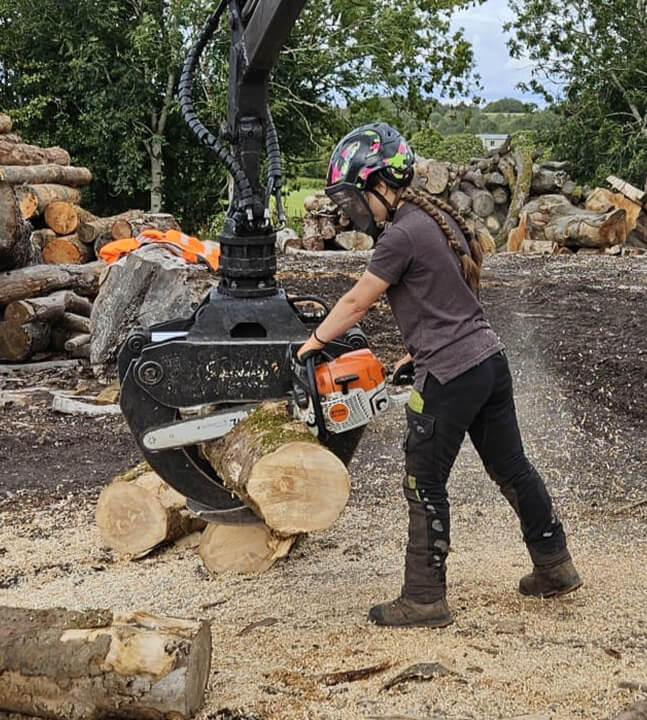
Tree and Forestry technician Matilda, wearing a helmet and face guard using a chainsaw to cut a log.

The type of work a Tree and Forestry Technician will do

  • Inspect trees to check their health and safety
  • Help plant new trees and protect young trees
  • Carry out tree surveys and record information
  • Support the care and management of woodlands
  • Use tools and equipment to maintain trees
  • Help plan and manage tree work projects
Useful skills
Decisive
Useful skills
Critical thinking
Useful skills
Logical thinking
Useful skills
Practical application
Useful skills
Problem solving
£ 0 1 2 3 4 5 6 7 8 9 0 1 2 3 4 5 6 7 8 9 , 0 1 2 3 4 5 6 7 8 9 0 1 2 3 4 5 6 7 8 9 0 1 2 3 4 5 6 7 8 9
Average salary per year *
£ 0 1 2 3 4 5 6 7 8 9 , 0 1 2 3 4 5 6 7 8 9 0 1 2 3 4 5 6 7 8 9 0 1 2 3 4 5 6 7 8 9
Average salary per month *

Data powered by LMI for all
*according to ONS

Future career opportunities for a Tree and Forestry Technician

A Tree and Forestry technician role can lead to more senior jobs working with trees and woodlands. With experience and training you could become a tree officer, consultant or manager. Some people specialise in surveying trees, managing forests or advising on planning and development projects.

How to become a Tree and Forestry Technician

There’s no perfect career path or ideal way into your dream job.

But if you’re interested in education and training options that could be relevant to this role, you might want to consider:

Options available after GCSEs:

  • A T-Level in Agriculture, Land Management and Production
  • An apprenticeship as a Forest craftsperson

More options available after that:

  • An apprenticeship as an Arboriculturist

Schools and colleges each have their own career guidance plan and can provide detailed information, advice, and guidance on options and next steps.

A little more about the role

Exciting features...

This is a job where no two days are the same. You spend time outdoors in parks, streets and forests, working closely with nature. You might climb trees, use specialist equipment and see the results of your work straight away. You help protect important trees, improve green spaces and support wildlife. Your work makes a visible difference to the places people enjoy every day and helps create healthier environments for the future.

Other job titles...

You might also see this role listed under different job titles, including:

Arborist
Tree care technician
Tree survey assistant
Woodland assistant
Tree officer assistant

How a Dental Nurse Technician makes a difference

Dental nurses play a big part in keeping people’s mouths healthy. They support dentists during treatments, which helps appointments run smoothly and safely.

They also look after patients, calming nervous people and explaining what is happening. By keeping tools clean and following strict hygiene rules, dental nurses help stop infections spreading. Their work means patients get the right care and feel more comfortable when visiting the dentist.

A pair of false teeth in a dental practice

The type of work a Dental Nurse Technician will do

  • Prepare the dental surgery
  • Clean and sterilise dental instruments
  • Keep patients’ records up to date
  • Make sure patients are comfortable and feel reassured
  • Help manage stock and order supplies
  • With training, take dental X-rays
Useful skills
Practical application
Useful skills
Attention to detail
Useful skills
Logical thinking
Useful skills
Precise
£ 0 1 2 3 4 5 6 7 8 9 0 1 2 3 4 5 6 7 8 9 , 0 1 2 3 4 5 6 7 8 9 0 1 2 3 4 5 6 7 8 9 0 1 2 3 4 5 6 7 8 9
Average salary per year *
£ 0 1 2 3 4 5 6 7 8 9 , 0 1 2 3 4 5 6 7 8 9 0 1 2 3 4 5 6 7 8 9 0 1 2 3 4 5 6 7 8 9
Average salary per month *

Data powered by LMI for all
*according to ONS

Future career opportunities for a Dental Nurse Technician

With experience and extra training, dental nurses can move into specialist roles. This includes orthodontic nursing, which focuses on braces, or oral health education, where you teach people how to care for their teeth. Some dental nurses train to become dental hygienists or dental therapists. Others move into teaching, practice management or further study in dental care.

How to become a Dental Nurse Technician

There’s no perfect career path or ideal way into your dream job.

But if you’re interested in education and training options that could be relevant to this role, you might want to consider:

Options available after GCSEs:

  • A T-level in Health
  • An apprenticeship as a Dental Nurse

Schools and colleges each have their own career guidance plan and can provide detailed information, advice, and guidance on options and next steps.

A little more about the role

Exciting features...

Dental nursing is a hands-on job where you learn practical skills and use specialist equipment every day. You’ll work closely with dentists and learn how lots of different treatments are done, from check-ups to braces and fillings. No two days are the same because every patient is different. You’ll help a wide variety of people which can be really rewarding.

Other job titles...

You might also see this role listed under different job titles, including:

Registered dental nurse
Dental surgery assistant
Dental assistant

How an Aquaponics Technician makes a difference

Aquaponics technicians help grow food in a smart and sustainable way. Aquaponics mixes fish farming with plant growing, using the same water for both. The waste from the fish feeds the plants, and the plants help clean the water.

This helps save water, cut waste and produce fresh food locally. It can be used in farms, schools, greenhouses and even cities. By looking after the equipment, aquaponics technicians help the plants and fish stay healthy and balanced, helping to grow food for the future while supporting the environment.

Basket of green and red tomatoes

The type of work an Aquaponics Technician will do

  • Maintain and fix equipment, like pumps and filters
  • Test water quality for temperature, acidity and nutrients
  • Feed and care for fish, checking their health and behaviour regularly
  • Spot problems early and solve them when they arise
  • Look after plants and check their growth
  • Clean tanks, pipes and filters
  • Collect data and keep accurate records
Useful skills
Attention to detail
Useful skills
Critical thinking
Useful skills
Logical thinking
Useful skills
Practical application
Useful skills
Problem solving
£ 0 1 2 3 4 5 6 7 8 9 0 1 2 3 4 5 6 7 8 9 , 0 1 2 3 4 5 6 7 8 9 0 1 2 3 4 5 6 7 8 9 0 1 2 3 4 5 6 7 8 9
Average salary per year *
£ 0 1 2 3 4 5 6 7 8 9 , 0 1 2 3 4 5 6 7 8 9 0 1 2 3 4 5 6 7 8 9 0 1 2 3 4 5 6 7 8 9
Average salary per month *

Data powered by LMI for all
*according to ONS

Future career opportunities for an Aquaponics Technician

With experience, you could become a senior aquaponics technician or system supervisor. Some people move into designing aquaponics systems or managing larger food growing sites. Others go on to study agriculture, environmental science or engineering. You could also work in education, helping schools and communities learn about sustainable food growing.

How to become an Aquaponics Technician

There’s no perfect career path or ideal way into your dream job.

But if you’re interested in education and training options that could be relevant to this role, you might want to consider:

Options available after GCSEs:

  • A T-level in Agriculture, Land Management and Production
  • An apprenticeship as a Livestock Unit Technician

More options available after that:

  • An apprenticeship as an Assistant Farm Manager

Schools and colleges each have their own career guidance plan and can provide detailed information, advice, and guidance on options and next steps.

A little more about the role

Exciting features...

You get to work with both fish and plants, indoors or outdoors, and see how they depend on each other. It feels rewarding to watch food grow from start to finish. Aquaponics uses less water than traditional farming and can work in small spaces, which makes it feel like you are part of the future of food. You get to use science in real life, not just in the classroom.

Other job titles...

You might also see this role listed under different job titles, including:

Aquaponics operative
Aquaculture technician
Controlled environment agriculture technician
Sustainable farming technician
Fish and plant systems technician

How an Environmental Technician makes a difference

Making sure we take care of the environment is something we all think about today. But did you know, environmental laws were first introduced in the UK over 150 years ago, through the Public Health Act 1848? This Act put controls on our sewers, water supply, and street cleaning, and environmental law has expanded ever since to address air quality, waste, and environmental protection.

Today, many different devices and equipment are used to help prevent, control and address environmental problems. These all need to be operated and have data collected from them, to ensure the right environmental standards are achieved. You could be the technician who helps to analyse data and drive higher standards of environmental performance.

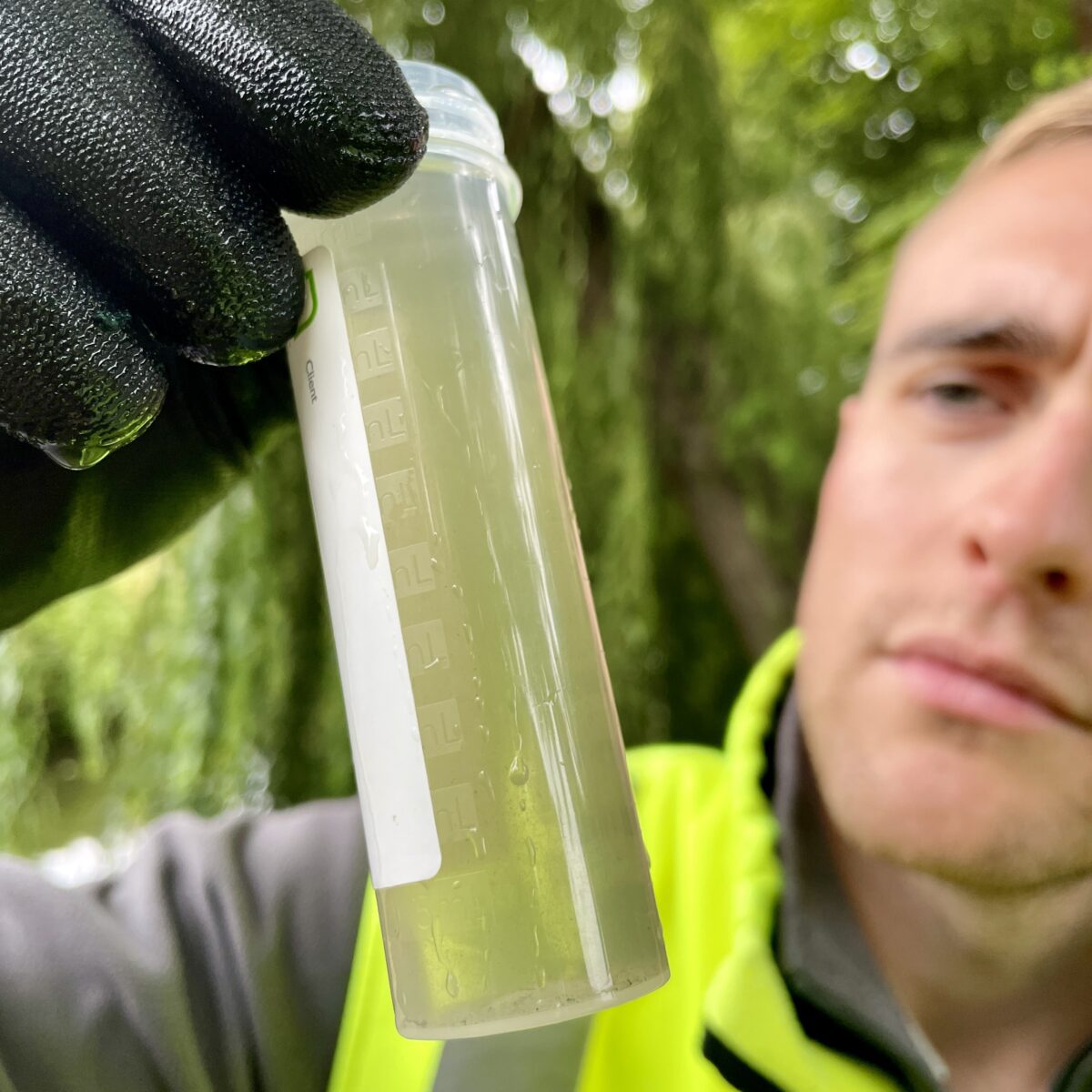
A technician wearing gloves and a hi vis jacket inspects a test tube of water.

The type of work an Environmental Technician will do

  • Carrying out environmental tests at an outside location or in a laboratory
  • Collecting and analysing pollution samples
  • Recording test data, collecting photographs and making visual observations
  • Using scientific and data analytics software to analyse test results
  • Producing environmental assessment reports with charts, graphs and sketches
  • Presenting and sharing information with members of your team
  • Inspecting test equipment and making sure everything is operating correctly
Useful skills
Attention to detail
Useful skills
Precise
Useful skills
Technologically minded
Useful skills
Instructing others
Useful skills
Problem solving

What you can bring to the Environmental Technician role

  • A passion for helping to improve environmental practices
  • A willingness to spend some of your time working outside
  • A precise approach to your work and the recording of detailed information
  • The natural ability to focus, make sound judgements and accurate decisions
  • The ability to work well in a team, share information and instruct others effectively
  • A knack for learning new software and creating things on computers
  • This role could also be right for you if you have any of the following interests:
    • Science
    • Sustainability
    • Exploring problems and finding answers
£ 0 1 2 3 4 5 6 7 8 9 0 1 2 3 4 5 6 7 8 9 , 0 1 2 3 4 5 6 7 8 9 0 1 2 3 4 5 6 7 8 9 0 1 2 3 4 5 6 7 8 9
Average salary per year *
£ 0 1 2 3 4 5 6 7 8 9 , 0 1 2 3 4 5 6 7 8 9 0 1 2 3 4 5 6 7 8 9 0 1 2 3 4 5 6 7 8 9
Average salary per month *

Data powered by LMI for all
*according to ONS

Future career opportunities for an Environmental Technician

Early on in your career you may specialise in one area of environmental management, focussing for example on air, waste, or water. You could work for a consultancy that provides environmental services or for a local government organisation.

With experience, you could progress to becoming a team leader, overseeing the operation of equipment and data collection. Or you could progress to being an environmental inspector, making sure organisations meet the right environmental standards.

How to become an Environmental Technician

There’s no perfect career path or ideal way into your dream job.

But if you’re interested in education and training options that could be relevant to this role, you might want to consider:

Options available after GCSEs:

More options available after that:

  • An apprenticeship as a Assistant Ecologist.

Schools and colleges each have their own career guidance plan and can provide detailed information, advice, and guidance on options and next steps.

A little more about the role

Exciting features...

Scientific understanding of the impacts of pollution, buildings, and human activity, continues to grow, making this an exciting field of work to be part of. You could be involved in air quality control monitoring, assessing smoke, dust, and odour pollution, evaluating land contamination, as well as undertaking emergency pollution incident investigations.

Other job titles...

This role can also be known by some other job titles including:

Environmental engineering technician
Environmental engineering technologist
Environmental engineering assistant
Air quality instrument specialists

How a Brewing Technician makes a difference

Working in the brewing industry means contributing to this country’s largest food and drink export. The sector is diverse, with craft, micro, national, and international breweries.

All breweries are focused on doing the same thing – creating beer and maintaining the same quality and taste, time and again. You could be the technician that helps to maintain standards, ensuring customers have their beer at the quality they expect.

A woman checking brewing vats in a brewery.

The type of work a Brewing Technician will do

  • Stock control of ingredients
  • Overseeing brewing processes, for example fermentation and yeast management
  • Monitoring brewing systems
  • Maintaining hygiene across the production environment
  • Directing transport and beer dispensing systems
  • Design and adjustment of beer recipes
  • Engaging with the public, for example with tasting sessions
Useful skills
Attention to detail
Useful skills
Precise
Useful skills
Instructing others
£ 0 1 2 3 4 5 6 7 8 9 0 1 2 3 4 5 6 7 8 9 , 0 1 2 3 4 5 6 7 8 9 0 1 2 3 4 5 6 7 8 9 0 1 2 3 4 5 6 7 8 9
Average salary per year *
£ 0 1 2 3 4 5 6 7 8 9 , 0 1 2 3 4 5 6 7 8 9 0 1 2 3 4 5 6 7 8 9 0 1 2 3 4 5 6 7 8 9
Average salary per month *

Data powered by LMI for all
*according to ONS

Future career opportunities for a Brewing Technician

You could begin your career in brewing as a packer or assistant brewer and progress to running a brewery or being responsible for developing new products.

If the brewery you work for exports beer you could become responsible for global logistics or travel to different countries promoting your brewery’s brands.

How to become a Brewing Technician

There’s no perfect career path or ideal way into your dream job.

But if you’re interested in education and training options that could be relevant to this role, you might want to consider:

Options available after GCSEs:

More options available after that:

  • An apprenticeship as a Brewer.
  • An apprenticeship as a Food and Drink Engineer.

Schools and colleges each have their own career guidance plan and can provide detailed information, advice, and guidance on options and next steps.

A little more about the role

Exciting features...

Unlike other alcoholic drinks, beer is fermented rather than distilled and uses cereals rather than fruit. You’ll get to know all the ingredients and how they behave in different situations. You may also have a role in design and development of new brands, using your production knowledge to advise how tastes can be achieved.

How an Agricultural Technician makes a difference

Agriculture, horticulture, and forestry are industries that humans have worked in for thousands of years. They have always involved the nurturing of crops, plants and tree, as well as the care of livestock, including cows, pigs and sheep, but nowadays these industries rely on technologically advanced machinery to make them more efficient and productive.

The mechanical and technological components of machinery require regular maintenance and fast repairs when breakdowns occur. This ensures crops and livestock continue to be nurtured and protected, and produce is delivered in a good condition. You could be the technician who supports these outdoor industries by looking after the advanced machinery that helps them perform at their best.

The type of work an Agricultural Technician will do

  • Operating machinery on farms or in forests, for example milking machinery, tractors, ploughs, or saws
  • Supporting the feeding and care of farm animals
  • Treating animals, crops and trees to prevent disease
  • Maintaining farm buildings
  • Solving mechanical and electrical problems
  • Compiling reports on the condition of machines
Useful skills
Logical thinking
Useful skills
Precise
Useful skills
Problem solving
Useful skills
Decisive
£ 0 1 2 3 4 5 6 7 8 9 0 1 2 3 4 5 6 7 8 9 , 0 1 2 3 4 5 6 7 8 9 0 1 2 3 4 5 6 7 8 9 0 1 2 3 4 5 6 7 8 9
Average salary per year *
£ 0 1 2 3 4 5 6 7 8 9 , 0 1 2 3 4 5 6 7 8 9 0 1 2 3 4 5 6 7 8 9 0 1 2 3 4 5 6 7 8 9
Average salary per month *

Data powered by LMI for all
*according to ONS

Future career opportunities for an Agricultural Technician

Having experienced a range of different tasks in an agricultural, horticultural, or a forestry environment, you could decide to specialise in one area and become an expert people turn to for advice.

You might decide you like being involved in all aspects of a farm, forest, or growing centre and progress to a team leader, management or inspection role.

How to become an Agricultural Technician

There’s no perfect career path or ideal way into your dream job.

But if you’re interested in education and training options that could be relevant to this role, you might want to consider:

Options available after GCSEs:

Schools and colleges each have their own career guidance plan and can provide detailed information, advice, and guidance on options and next steps.

A little more about the role

Exciting features...

You are likely to spend a lot of time outdoors in this role, being amongst the animals, land, and forests where specialist machinery is used. You’ll conduct inspections of machines, confirm how well machinery is performing and support customers with their needs.

Other job titles...

This role can also be known by some other job titles including:

Livestock and Field Technician

How a Veterinary Nurse makes a difference

There are all kinds of animals that need veterinary care in this country. Not only the common domestic animals that many of us have as pets, such as dogs and cats, but also larger farm animals including cows, alpacas and sheep.

The animals each veterinary practice cares for depends on its location, but each one is responsible for delivering preventative treatments, as well as reactive care in response to accidents or illness. You could be the technician who supports animals receiving treatments and advises owners.

The type of work a Veterinary Nurse will do

  • Preparing and maintaining all areas of the veterinary practice
  • Preparing records, equipment and resources
  • Managing and performing infection control procedures
  • Supporting surgical procedures
  • Preparing specimens for transportation
  • Taking and processing radiographs
  • Engaging with owners and taking good care of their pets
Useful skills
Communicating complex ideas
Useful skills
Decisive
Useful skills
Precise

Data powered by LMI for all
*according to ONS

Future career opportunities for a Veterinary Nurse

Throughout your career you could work at different types of veterinary practices, choosing those that support the animals you’re interested in and wish to learn more about.

You could work within a veterinary group and move around to different practices, depending on where your skills are needed. Or you could progress to training others.

How to become a Veterinary Nurse

There’s no perfect career path or ideal way into your dream job.

But if you’re interested in education and training options that could be relevant to this role, you might want to consider:

Options available after GCSEs:

Schools and colleges each have their own career guidance plan and can provide detailed information, advice, and guidance on options and next steps.

A little more about the role

Exciting features...

You’ll play a significant role educating owners about maintaining the health of their pets and will be responsible for keeping them informed when medical procedures are taking place. You’ll also be involved in a range of diagnostic tests, medical treatments and minor surgical procedures, working under the direction of a vet.

How a University Technician makes a difference

Most universities have laboratories where important research programmes are carried out and where students studying a range of science and engineering subjects learn experimentation techniques.

Laboratories and the equipment in them need to be properly supplied and managed, and students and researchers need support with their projects and experiments. You could be the technician who carries out research processes and helps students and colleagues to make scientific discoveries.

The type of work a University Technician will do

  • Carrying out repeat experiments
  • Data capture and record keeping
  • Checking findings against standards, highlighting any differences
  • Evaluating data
  • Formulating and reporting evidence
  • Collaborating with the lab team and university teachers
  • Helping students plan and carry out their scientific work
Useful skills
Attention to detail
Useful skills
Problem solving
£ 0 1 2 3 4 5 6 7 8 9 0 1 2 3 4 5 6 7 8 9 , 0 1 2 3 4 5 6 7 8 9 0 1 2 3 4 5 6 7 8 9 0 1 2 3 4 5 6 7 8 9
Average salary per year *
£ 0 1 2 3 4 5 6 7 8 9 , 0 1 2 3 4 5 6 7 8 9 0 1 2 3 4 5 6 7 8 9 0 1 2 3 4 5 6 7 8 9
Average salary per month *

Data powered by LMI for all
*according to ONS

Future career opportunities for a University Technician

Your technician role will give you skills that are transferrable to many kinds of laboratories, so you could decide to work in several different sectors.

Over time, you will have the experience to manage a team and could become a lab manager.

How to become a University Technician

There’s no perfect career path or ideal way into your dream job.

But if you’re interested in education and training options that could be relevant to this role, you might want to consider:

Options available after GCSEs:

  • A T-level in Science.
  • An apprenticeship as a Laboratory Technician.

Schools and colleges each have their own career guidance plan and can provide detailed information, advice, and guidance on options and next steps.

A little more about the role

Exciting features...

As well as being involved in research and working with scientists on research programmes, you will play an important role helping students to become immersed in their scientific studies. You will also enable them to operate in the laboratory safely and efficiently and achieve their scientific goals.

Other job titles...

This role can also be known by some other job titles including:

Analytical Support Chemist
Technical Support Scientist
Microbiology Support Scientist
Process Development Technologist
Laboratory Assistant
Senior Laboratory Technician
Assistant Scientist
Technical Specialist (Scientist)
Quality Control Laboratory Assistant
Laboratory Co-ordinator
Technical Laboratory Assistant
Laboratory Analyst
Laboratory Research Assistant

How a Simulation Technician makes a difference

Simulations – creating a model or replica of how something works in real life – are great tools for teaching people. The NHS uses them to help people learn, rehearse, and perfect patient care.

There are different forms of simulations, including IT equipment, audio visual equipment, models of the human body, and other mechanical and electronic devices. You could be the technician who makes these simulations as real as possible, helping train NHS staff to carry out healthcare tasks to the required standard.

The type of work a Simulation Technician will do

  • Working with medical specialists to understand the training required
  • Understanding different specialisms in a hospital
  • Developing effective simulations
  • Setting up scenarios for staff training
  • Participating in simulation sessions and courses
  • Organising and maintaining equipment
  • Pretending to be the patient
Useful skills
Attention to detail
Useful skills
Logical thinking
Useful skills
Technologically minded
Useful skills
Instructing others
Useful skills
Precise
£ 0 1 2 3 4 5 6 7 8 9 0 1 2 3 4 5 6 7 8 9 , 0 1 2 3 4 5 6 7 8 9 0 1 2 3 4 5 6 7 8 9 0 1 2 3 4 5 6 7 8 9
Average salary per year *
£ 0 1 2 3 4 5 6 7 8 9 , 0 1 2 3 4 5 6 7 8 9 0 1 2 3 4 5 6 7 8 9 0 1 2 3 4 5 6 7 8 9
Average salary per month *

Data powered by LMI for all
*according to ONS

Future career opportunities for a Simulation Technician

NHS simulation departments are busy environments that will present you with interesting challenges.

Initially you’ll support senior colleagues then, with experience, will have the opportunity to become a supervisor yourself.

How to become a Simulation Technician

There’s no perfect career path or ideal way into your dream job.

But if you’re interested in education and training options that could be relevant to this role, you might want to consider:

Options available after GCSEs:

  • A T-level in Science.
  • A T-level in Health.
  • An apprenticeship as an Education technician (Simulation-based).

Schools and colleges each have their own career guidance plan and can provide detailed information, advice, and guidance on options and next steps.

A little more about the role

Exciting features...

You’ll work in a team with a range of specialists, developing a mix of skills for the different simulations you produce. Some will be simple simulations while others will be highly complex, requiring great thought and ingenuity to determine how you can best mirror reality.