Favourites

Meet Casey

Brewing Technician

Casey is a brewing technician at Tiny Rebel Brewery in South Wales.

What I do

I help make beer, from grain to the finished product, that ends up in cans, kegs and glasses.

We brew around 5,500 litres in a single batch, and it’s got to be top quality, so small details matter.

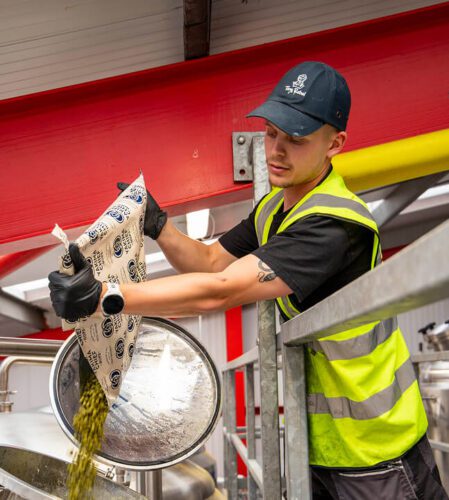
My job involves crushing malt, adding carefully controlled water, monitoring temperature, sugar and PH levels, adding hops and yeast and making sure the beer ferments safely.

What I love about my job

I love ending the day with something tangible and thinking “I helped make that”.

We brew between 50,000 and 100,000 litres of beer a week. It’s brilliant seeing one of our beers somewhere and knowing there’s a chance I made it.

I also really enjoy monitoring a brew and watching the numbers fall into the right place. It shows that the process is working.

Recipe development is exciting too. I’ve been experimenting with a mango beer, trying different flavour combinations in small samples. The challenge is working out whether something that tastes good in 50 millilitres will still work when it becomes 5,500 litres!

The skills I use most

Attention to detail is really important. I constantly monitor things like temperature, pH and sugar levels, because a small change can affect the quality of the final product.

I also use problem solving. I’ve learned how a lot of the machinery works and I can troubleshoot many problems with our boiler and other equipment. I have even used what I’ve learnt at work to fix a problem with my boiler at home!

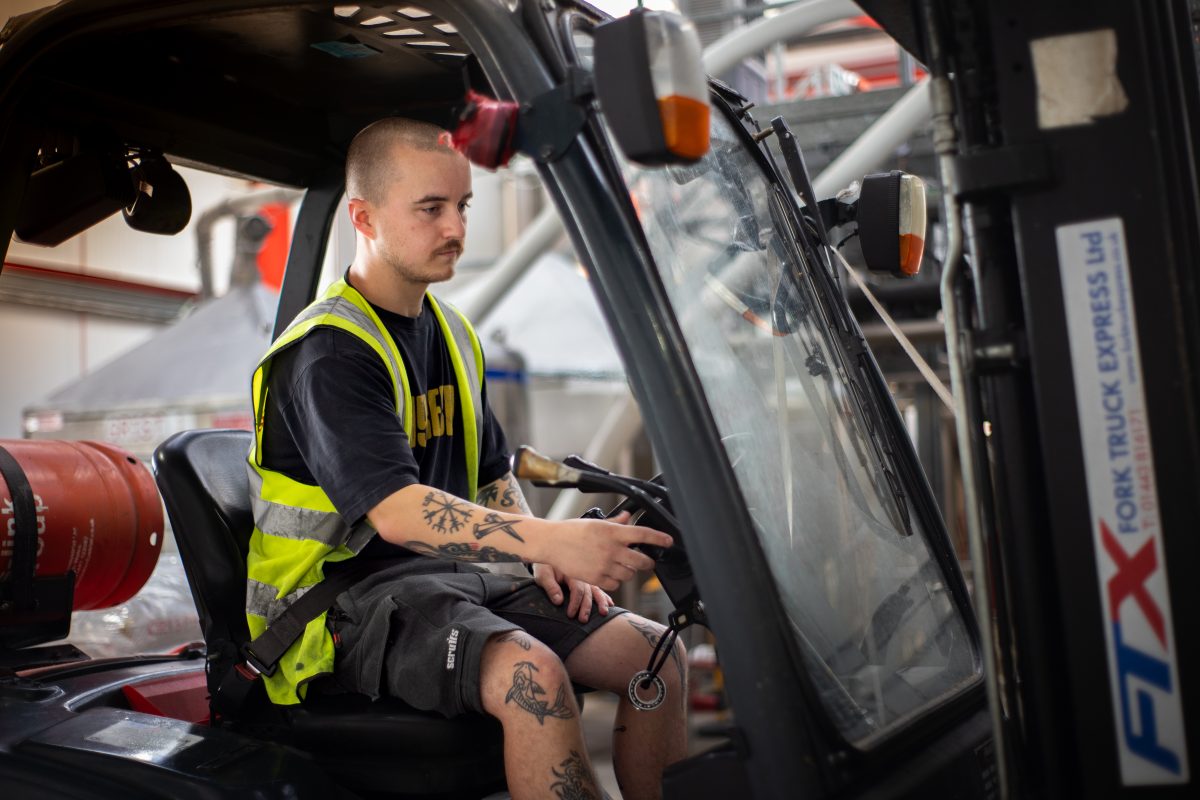
Finally, I use practical skills every day. Brewing is very hands-on. There’s plumbing, cleaning, moving ingredients and working with large tanks. I like physically doing something and seeing the result at the end.

A little more about my everyday role

The best bits about working in a team

Brewing can sometimes be a solitary job when I’m concentrating on my own brew, but there are important moments when I rely on the team. Adding ingredients to large tanks can need more than one person and finished beers are checked by a tasting panel before they are packaged.

Some tasks also need another person to witness that they’ve been completed correctly. That matters especially when we make gluten-free beer, because the process needs to be carefully checked and signed off. I couldn’t do every part of the job on my own, so working together helps us make sure the product is safe and exactly what we were aiming for.

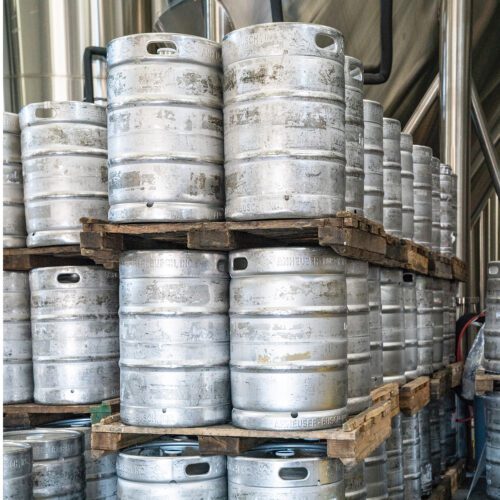
My favourite piece of equipment

My favourite piece of equipment is the mash tun, the tank where we hold the first mixture of crushed grain and water. At the end of each brew, once all the liquid has been sent out, we have to clean the grain from it with a big shovel.

It’s a physical job, but I find it quite therapeutic. Seeing the mash tun completely clean and sparkling again gives me that feeling that I’ve done a good job. I don’t need to go to the gym – I can just double my grain on it!

What I like to do in my spare time

I’ve recently had my first child with my partner, so I don’t have a lot of spare time at the moment!

I’ve always really liked history. I studied it at GCSE and A-level and I still read a lot about ancient history. I also enjoy going on holidays to places that have lots of history behind them.

My school days

At school, I hadn’t really found where I wanted to be yet. History was one subject that stuck with me and I enjoyed it enough to continue studying it at A-level.

I didn’t have a clear career plan when I left school, and brewing wasn’t something I had studied. My route came from trying different jobs, learning what suited me and being willing to have a go when an opportunity appeared.

The most exciting thing I’ve achieved so far in my job

One of my proudest moments was making a lager that I knew my dad would enjoy. On a boiling hot day, we sat outside together and I watched him try it without telling him I’d made it.

He said it was really nice and that he could have a couple of them. Then I said, ‘Guess what? I made that’. It wasn’t a complicated beer, but it made me really proud. I’d taken something through the brewing process and made a product that someone else could enjoy.

A surprising fact about my job

Brewing is essentially cooking and plumbing on a very big scale, with a lot of science and maths mixed in. I work with tanks, pipes, temperatures, sugar levels and pH. Tiny changes to these can make a big difference to the finished drink!

Another surprise is how much detail there is in tasting. We check the colour, smell, taste and even how a beer feels in the mouth before it is approved. Now, when I try a beer, I can start to understand how it was made and how it got its particular character.

The next steps in my career journey

I’ve finished my Level 2 diploma in brewing and my next step is a Level 4 General Certificate in Brewing. I’m hoping it will build my knowledge of the science behind brewing, including the technical processes that make the ingredients behave in different ways.

I can already use the kit and brew the product, so now I want to understand even more about why the process works.

The advice I’d give to someone younger

Don’t be scared of what you don’t know. Brewing can look intimidating because there’s science, maths and lots to monitor, but I learned on the job without a background in brewing. It’s hard, but it’s really rewarding.

Give things a go and ask questions. I wish I’d started sooner. You don’t need to know everything on day one – you can build your knowledge as you work.

Think you could be a Brewing Technician?

Discover what qualifications you’ll need, how much you can earn, and what the next steps are.

Discover other
technicians who
do this role

Like the sound of
this role?
Visit the
role detail page