Favourites

Meet Hayden Lacey

Electrical Engineering Technician

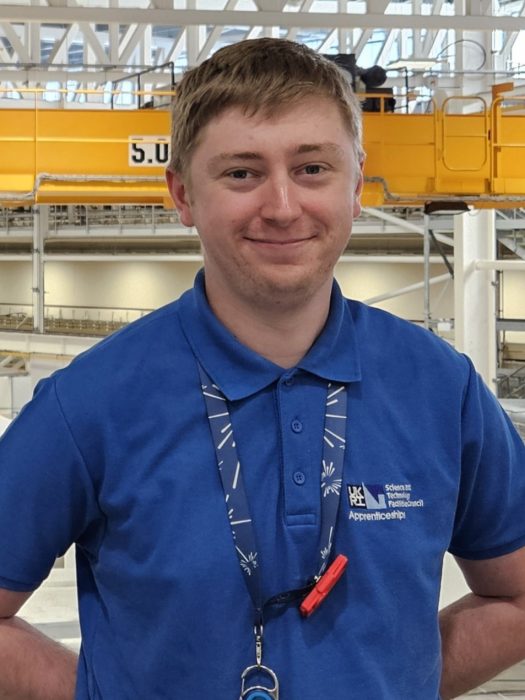
Hayden is an electronic engineering apprentice at the Rutherford Appleton Laboratory, part of the Science and Technology Facilities Council

What I do

I work at the Rutherford Appleton Laboratory, working on the ISIS Neutron and Muon Source facility, where scientists from around the world come to run experiments using our particle accelerator.

This is a giant machine that uses electric and magnetic fields to make tiny particles – like protons or electrons – move really fast, until they’re going fast enough to crash into something and reveal what’s inside.

My job is to help maintain and improve the electronics that keep the facility running.

I design, test and install equipment such as circuit boards and monitoring systems that help detect faults and make sure everything works safely and reliably.

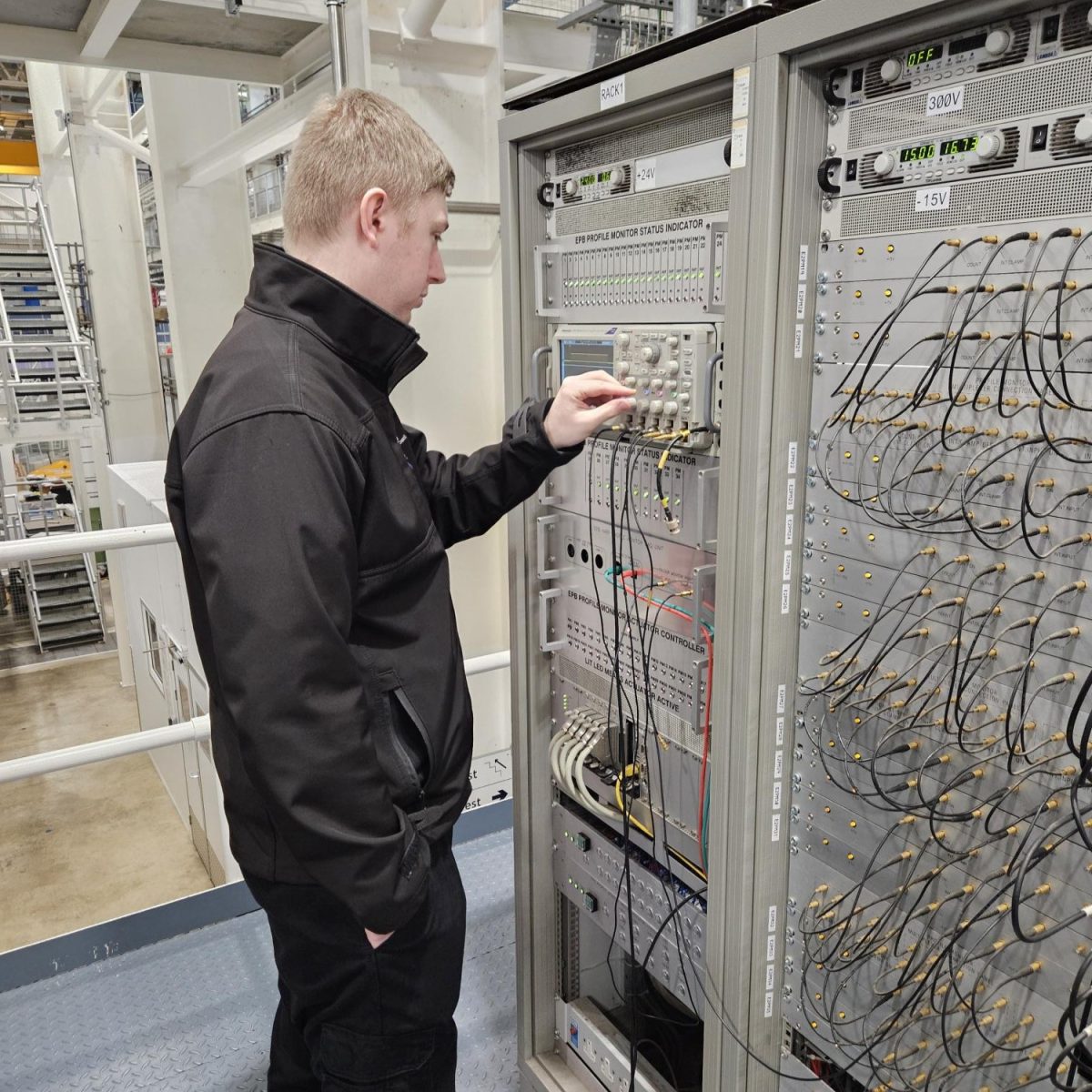
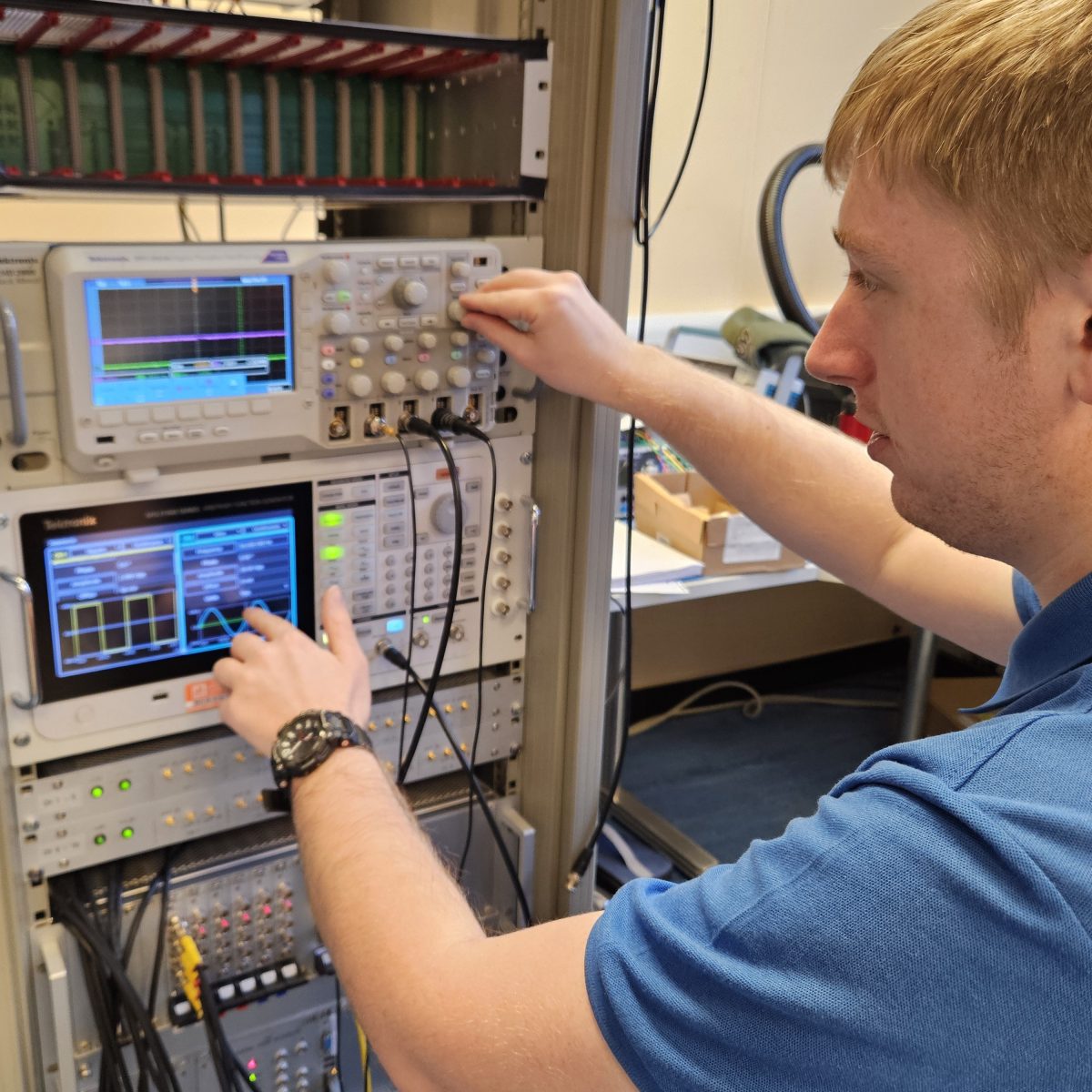
Electrical Engineering Technician Hayden, stood in front of a rack of electrical equipment, with wires spilling out.
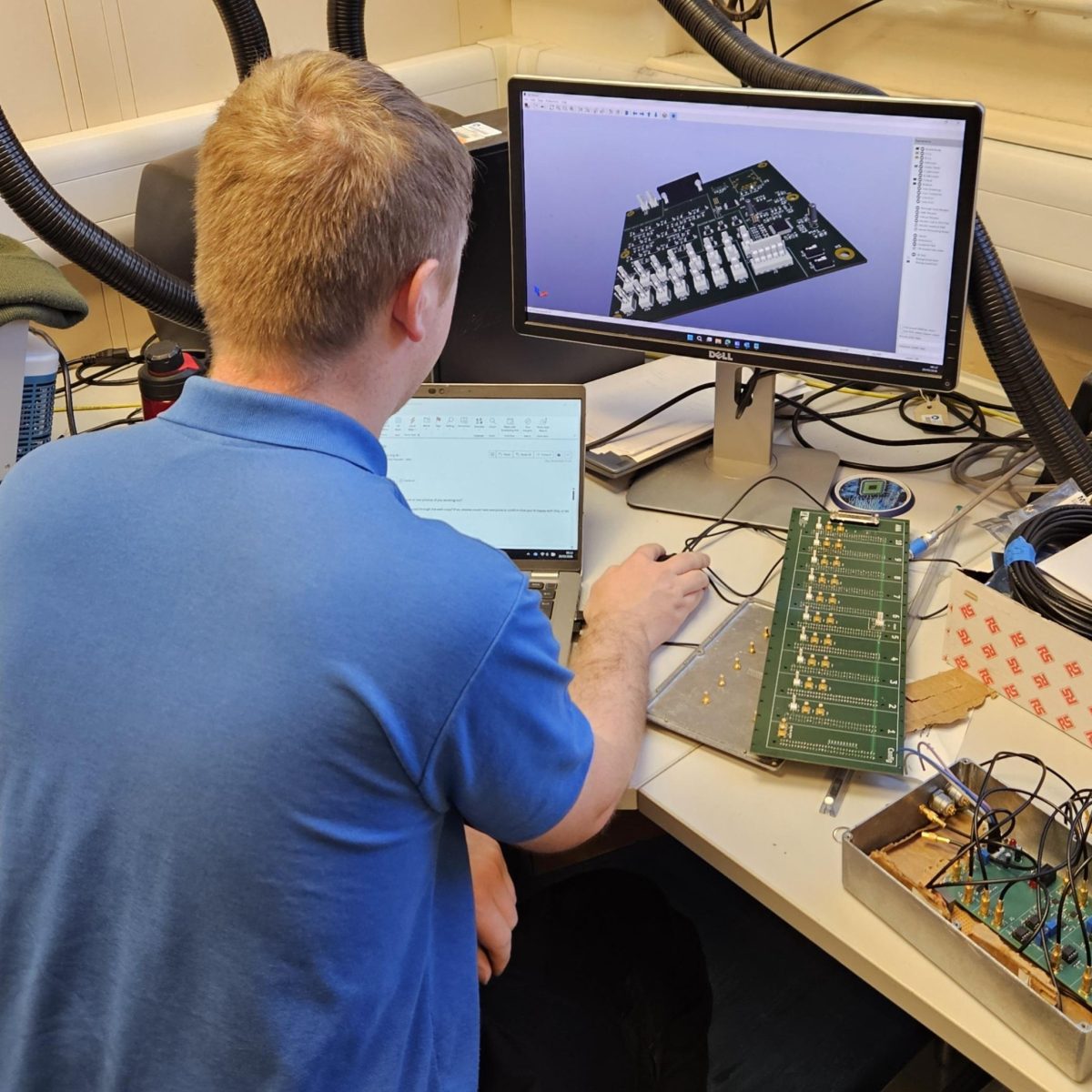
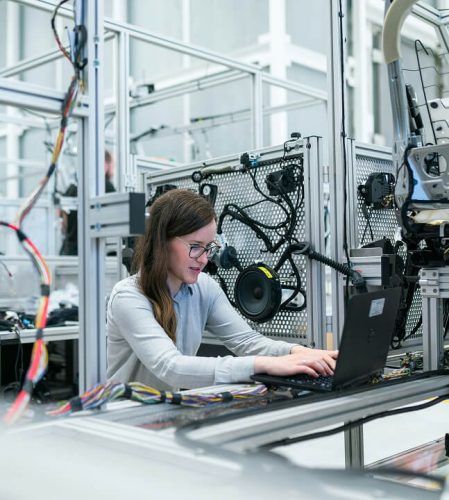
Electrical Engineering Technician Hayden sitting at a desk, using a laptop and monitor to design new circuitry.

What I love about my job

One of the best things about my job is the variety. No two days are really the same. Sometimes I’m designing electronics on a computer. Other times I’m out on the facility fixing equipment or installing something new.

It’s a very hands-on job, which I really enjoy. I also love seeing a project go from an idea to something real. I might start by designing a circuit or drawing a sketch, then build and test it, and eventually install it on the facility where it becomes part of the machine.

Working on something as unique as a particle accelerator is amazing. Not many people can say they go to work every day to help run a facility that scientists from all over the world use for their research.

The skills I use most

Problem solving is one of the most important skills in my job. Things don’t always work perfectly the first time, so you need to figure out what went wrong and how to fix it.

Communication is also really important. I work with lots of different people, from technicians and engineers to managers and scientists. Being able to explain problems clearly and listen to other people’s ideas makes a big difference.

I also think qualities like teamwork, honesty and being willing to admit when you’ve made a mistake are just as important as technical skills.

A little more about my everyday role

The best bits about working in a team

My team has around twenty people working in different areas such as operations, development and software. Having people with lots of experience is really helpful, especially as an apprentice. Many of my colleagues have been working here for years and know the systems inside out. They’re always willing to share their knowledge and help apprentices learn.

That makes the environment really supportive. If I get stuck on a problem, there’s always someone I can ask for advice. It’s a great way to learn because you’re surrounded by people who are experts in their field.
My favourite piece of equipment

One thing I really enjoy using is an oscilloscope. An oscilloscope is a piece of equipment that lets you see electrical signals as wave shapes on a screen.
It’s a bit like a very detailed graph of electricity moving through a circuit. By looking at those waveforms, you can tell whether a circuit is working correctly, or if something is wrong.

I also enjoy soldering (melting a special metal so electronic components can be attached to a board and connected together) components onto circuit boards.

What I like to do in my spare time

I do a lot of running. I regularly run 5K and 10K races and I’m hoping to run the Oxford half marathon soon. I also still enjoy video games, especially strategy-based games where you need to plan your moves carefully.

When I was younger, I spent a lot of time swimming and playing football. I still enjoy staying active now, just in different ways.

My school days

At school, I enjoyed science, maths and technology subjects the most. Outside school, I spent time learning about electronics and coding. I bought a simple electronics starter kit and used it to build small projects at home. It included things like a breadboard and basic components so I could experiment with circuits.

I watched tutorials online and learnt how to build simple systems such as traffic light circuits or small robotic projects. That helped me build a strong foundation before starting my engineering career.

The most exciting thing I’ve achieved so far in my job

One of the most exciting things I’ve worked on was during a placement in the particle physics department. I helped develop an environmental interlock system for detectors used in an experiment in Geneva. The system monitors conditions like temperature, humidity and gas levels. If something isn’t safe, it can shut down the system automatically to protect the equipment.

The system I helped design will be used to test thousands of detectors that the UK is building for the experiment. Seeing it all working successfully was a really rewarding moment.

A surprising fact about my job

One surprising thing about my job is how huge the facility is. The ISIS facility has around fifty buildings. At the centre is a large circular accelerator that looks a bit like a giant doughnut. It sends particles to two large target stations where experiments take place.

Scientists use it a bit like an extremely powerful X-ray machine to study materials. For example, researchers once brought pieces of wood from an old ship so they could analyse the structure and find out more about its history.

The next steps in my career journey

I’m about to finish my Level 3 apprenticeship and my Level 4 Higher National Certificate. After that, I’m hoping to stay at the facility and continue working in the diagnostics department.

Apprentices rotate through different teams during training, and at the end departments can ask you to join them permanently. Diagnostics is the area I’d most like to stay in.

The advice I’d give to someone younger

The biggest piece of advice I’d give is to put yourself forward for opportunities. When I was younger, I sometimes avoided applying for things because I thought I might not get them. But you never know what might happen unless you try.

Going to careers fairs, open days and applying for opportunities helped me find the path I’m on now. Sometimes taking that first step is the most important part.

Electrical Engineering Technician Hayden using electronic testing and measuring equipment.

Think you could be an Electrical Engineering Technician?

Discover what qualifications you’ll need, how much you can earn, and what the next steps are.

Like the sound of
this role?
Visit the
role detail page