Favourites

Meet Ella Gaskill

Electrical Engineering Technician

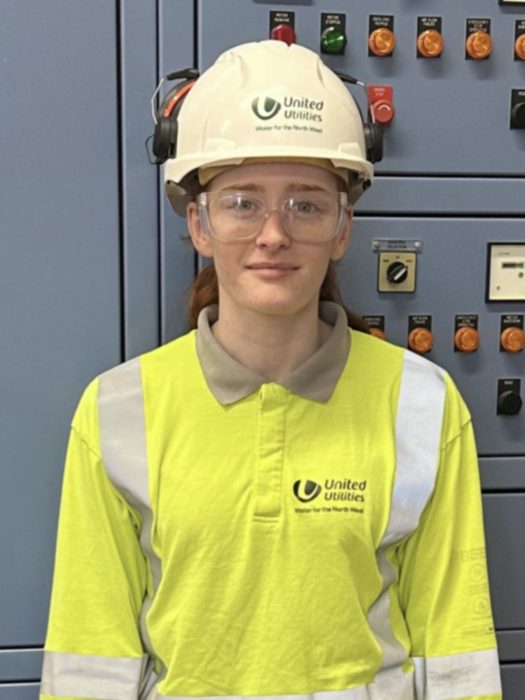
Ella is an Electrical Network Asset Engineer at United Utilities

What I do

I make sure the electrical systems at wastewater pumping stations work safely and efficiently, to recycle the water we use.

Wastewater is water that has been down the plughole or toilet, and pumping stations keep wastewater moving through the pipes so that it can reach the treatment works and be recycled.

My job is to check, service, fault find and fix the electrical panels that control the pumps (in the green metal boxes you might see at the roadside) and install new equipment when needed.

My team and I look after over 500 pumping stations across the county.

Without me and my team keeping everything running, wastewater wouldn’t get to where it needs to go, which would cause huge problems for people’s homes, the environment and the community.

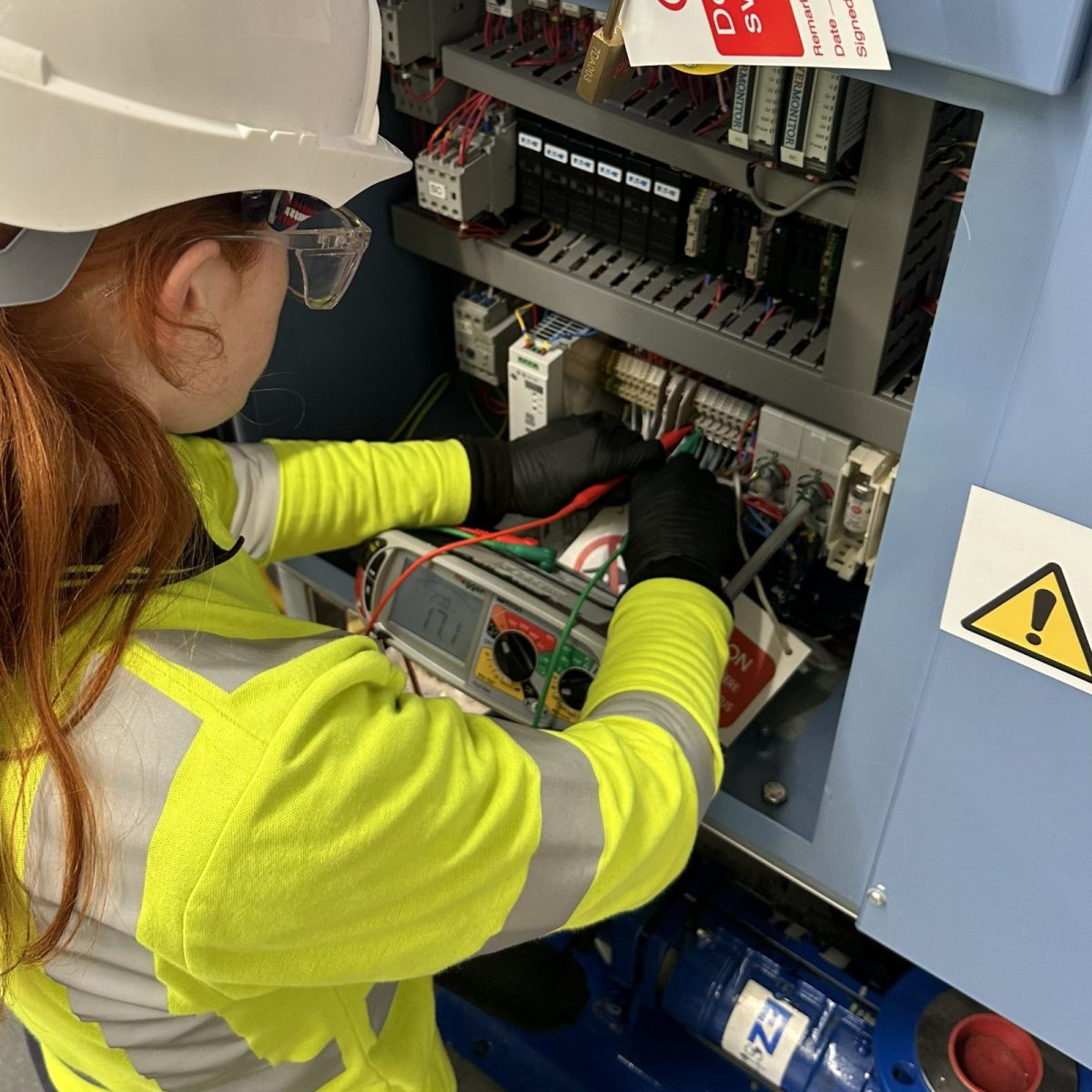
Water Process technician Ella, wearing a hard hat, gloves, safety goggles, and a hi-vis top, testing wiring in an electrical control panel.
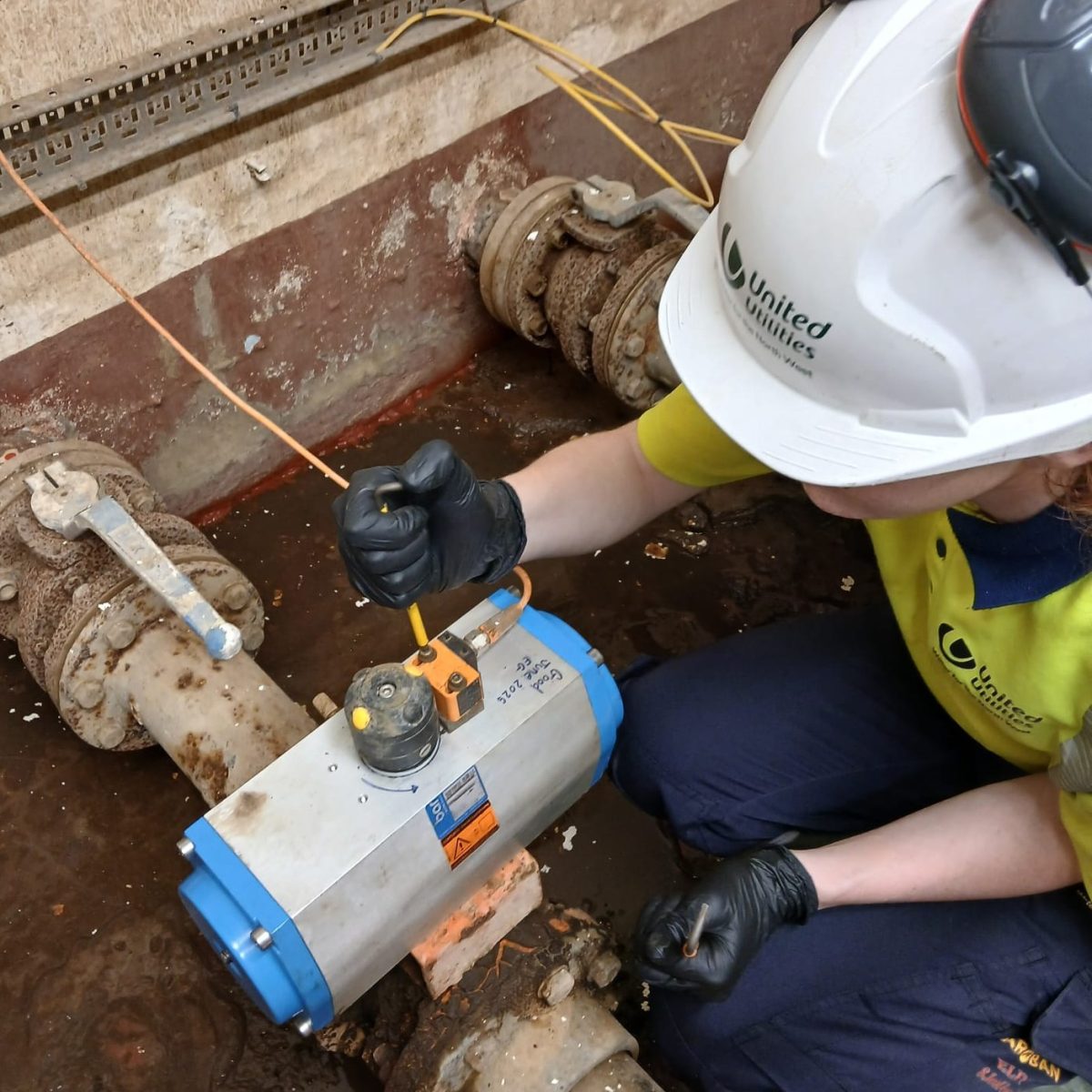
Water Process technician Ella, wearing a hard hat and gloves, crouching next to a water pipe, checking a pump.

What I love about my job

I love that every day is different and that I am out and about in different locations every day.

I enjoy the problem-solving part of my job. When something goes into fault, I have to investigate what’s gone wrong and why. Sometimes it’s obvious, but sometimes it takes a lot of tracing through drawings and wires to find the issue.

It’s also great to see how much I am learning on my apprenticeship. A few months ago, I could barely read an electrical drawing, but now I can create my own using software called AutoCAD.

I also enjoy building control panels from scratch. Recently, I made the electrical drawings for a control panel, which my mentor then used to build it. Seeing the finished panel made me realise how much I’ve progressed in the past year.

The skills I use most

Problem-solving is a big one, especially when fault-finding in a panel. I also need to have patience when dealing with wiring diagrams and electrical drawings, as they don’t always look straight forward!

Attention to detail is important too, particularly when carrying out installation jobs, as other people will be using the equipment I’ve installed. The work has to be clear and neat, as well as correct.

Communication is really important too, especially when I’m working on projects with other people, like other members of the team, or contractors.

A little more about my everyday role

The best bits about working in a team

I work alongside my mentor and we learn a lot from each other. I also have regular meetings with the rest of the maintenance team.

Once a week, we have a virtual meeting, where we catch up on what’s been going on, and once a month we have an in-person meeting, to go over important health and safety updates.

Even though we’re not all in the same place every day, we support each other through messaging, emails or phone calls, whenever we need assistance or advice.
My favourite piece of equipment

The multimeter is definitely my handiest bit of kit. I use it to test for things like voltages and milliamps in the electrical panels.

My favourite setting is the continuity setting, which makes a beeping sound if the circuit’s connected properly. It’s simple but very useful.

My favourite task, though, is definitely panel building, it’s where I get to put everything I’ve learnt into action.

What I like to do in my spare time

Growing up, I was a competitive gymnast for 8 years. I was a county champion, and I also represented the North West.

I had to stop when I started college though, as I couldn’t fit in 16-hours of gymnastics training each week alongside college, homework, revision and my part-time job.

I’ve recently taken it back up though – I now attend adult gymnastics classes once a week, and I’ve started coaching recreational gymnastics on a Monday night, where I work with gymnasts of all ages and abilities.

My school days

At school, I liked a mix of subjects. I chose both history and geography because I couldn’t decide between them.

In history, I really enjoyed learning about John Snow and his investigation into the cholera outbreak of 1854. He proved that it was contaminated water, not bad air, that was responsible for the spread of the disease. It goes to show how important the work I now do is!

The most exciting thing I’ve achieved so far in my job

It was definitely building a panel from scratch and creating all the electrical drawings on AutoCAD. I taught myself how to use the software and figured out all the symbols on my own.

When we printed out the wiring diagram and laminated it, it looked like something you’d see in a professional design office. I felt really proud of that.

A surprising fact about my job

That this job exists! Before starting this apprenticeship, I had never thought about how clean water got to the tap, or where wastewater went after the toilet had been flushed. A lot goes on behind the scenes to make it all work.

Also, you know those green boxes you sometimes see by the side of the road? They can be full of the controls for wastewater pumping stations. Some are hidden in hedges, others in small brick buildings. Finding them can be a challenge, especially when they’re in the middle of the countryside!

The next steps in my career journey

Right now, I’m in year three of my four-year apprenticeship. After I finish, I’d like to keep learning and take on more responsibilities. I’d like to complete a HNC (Higher National Certificate) or a degree in Electrical Engineering.

I also enjoy designing and building electrical control panels, so becoming an Electrical Engineer with a focus on that is an option, but I need to expand my qualifications first.

The advice I’d give to someone younger

Don’t worry too much about having a fixed plan. I was convinced I’d be an architect, but I ended up somewhere completely different, and I love it.

Be open to trying something new, you never know where it might lead.

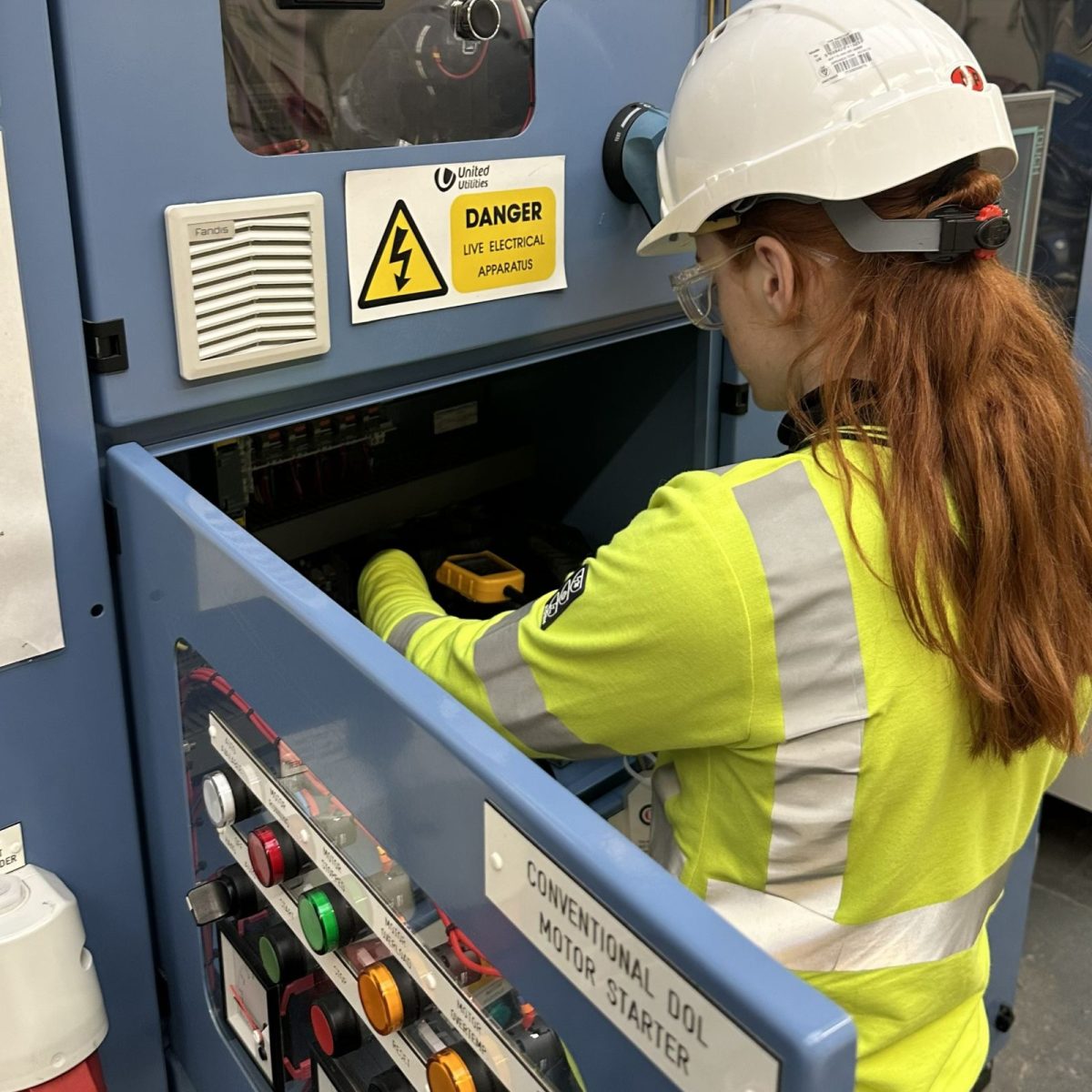
Water Process technician Ella, wearing a hard hat, gloves, and hi-vis top, checking equipment in an electrical control panel.

Think you could be an Electrical Engineering Technician?

Discover what qualifications you’ll need, how much you can earn, and what the next steps are.

Like the sound of
this role?
Visit the
role detail page