Favourites
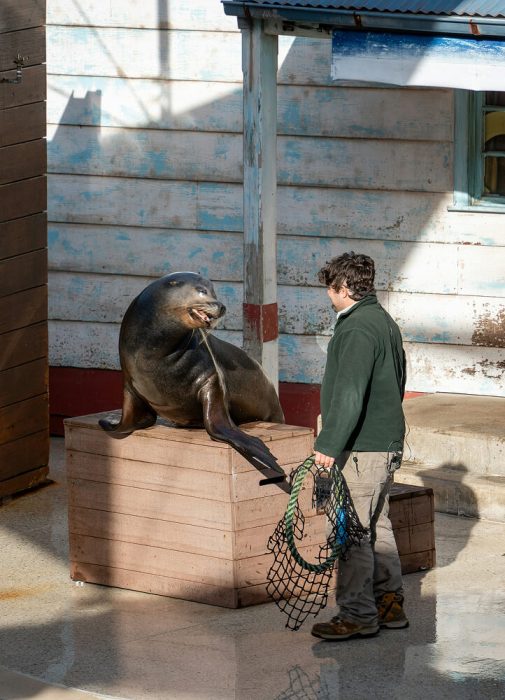
Young man looking after sealion

Zoo Keeping Technician

Zoo Keeping Technicians provide everyday care and support for zoo animals, helping them stay healthy, happy and safe.

How a Zoo Keeping Technician makes a difference

As a Zoo Keeping Technician, you help ensure animals are healthy, safe, and well cared for in zoos and similar settings. You feed them, clean their enclosures and observe their behaviour so you can spot signs of illness early.


You help others learn about wildlife by talking to visitors and sharing interesting facts. Your work supports animal welfare, conservation and education. Every day you help make sure animals have what they need to thrive while helping people understand why protecting wildlife matters.

Man Laughing with Binturong on His Shoulders

The type of work a Zoo Keeping Technician will do

  • Prepare and give food to animals on a schedule
  • Clean and maintain animal enclosures
  • Observe and record animal behaviour
  • Watch for signs of sickness or stress
  • Help plan and improve habitats based on
    what different species need
  • Keep animals’ homes safe by checking for hazards
  • Share your knowledge with zoo visitors
  • Work with vets and other animal experts
Useful skills
Attention to detail
Useful skills
Decisive
Useful skills
Logical thinking
Useful skills
Problem solving
Useful skills
Practical application
£ 0 1 2 3 4 5 6 7 8 9 0 1 2 3 4 5 6 7 8 9 , 0 1 2 3 4 5 6 7 8 9 0 1 2 3 4 5 6 7 8 9 0 1 2 3 4 5 6 7 8 9
Average salary per year *
£ 0 1 2 3 4 5 6 7 8 9 , 0 1 2 3 4 5 6 7 8 9 0 1 2 3 4 5 6 7 8 9 0 1 2 3 4 5 6 7 8 9
Average salary per month *

Data powered by LMI for all
*according to ONS

Future career opportunities for a Zoo Keeping Technician

Starting as a Zoo Keeping Technician could lead to roles like Senior Keeper, Head Keeper or Animal Welfare Specialist. You might also move into conservation education, zoo management, research or work with animal rescue and care organisations in the future.

How to become a Zoo Keeping Technician

There’s no perfect career path or ideal way into your dream job.

But if you’re interested in education and training options that could be relevant to this role, you might want to consider:

Options available after GCSEs:

  • A T-level in Animal care and management
  • An apprenticeship as a Keeper and Aquarist

Schools and colleges each have their own career guidance plan and can provide detailed information, advice, and guidance on options and next steps.

A little more about the role

Exciting features...

This job is full of variety every day. You could be feeding exotic birds in the morning and helping clean a reptile house in the afternoon. Some days you might help with animal training or enrichment activities that let animals use natural behaviours. You’ll meet visitors who want to learn cool facts about animals and help them understand conservation. You may work outdoors, learn about many species and use modern tools to keep records. You’ll also work closely with vets, researchers and other keepers who share your passion.

Other job titles...

You might also see this role listed under different job titles, including:

Animal Keeper
Zoo Keeper
Aquarist