Favourites

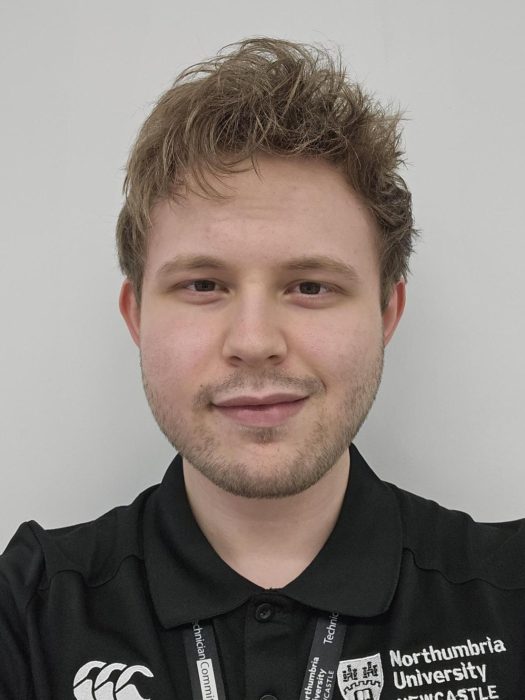
Meet Curtis

Research Laboratory Technician

Curtis is a Lab Technician in the School of Sport, Exercise and Rehabilitation at Northumbria University.

What I do

I look after the sport and health labs at Northumbria University and help students get the most out of them.

I keep the equipment working, answer questions and teach hands-on skills like taking blood samples.

Our students are heading for careers in sport, health and performance, so they need to be able to do the practical side, not just read about it.

The labs give them the chance to try out what they learn in lectures, ready to help anyone from everyday people to elite athletes.

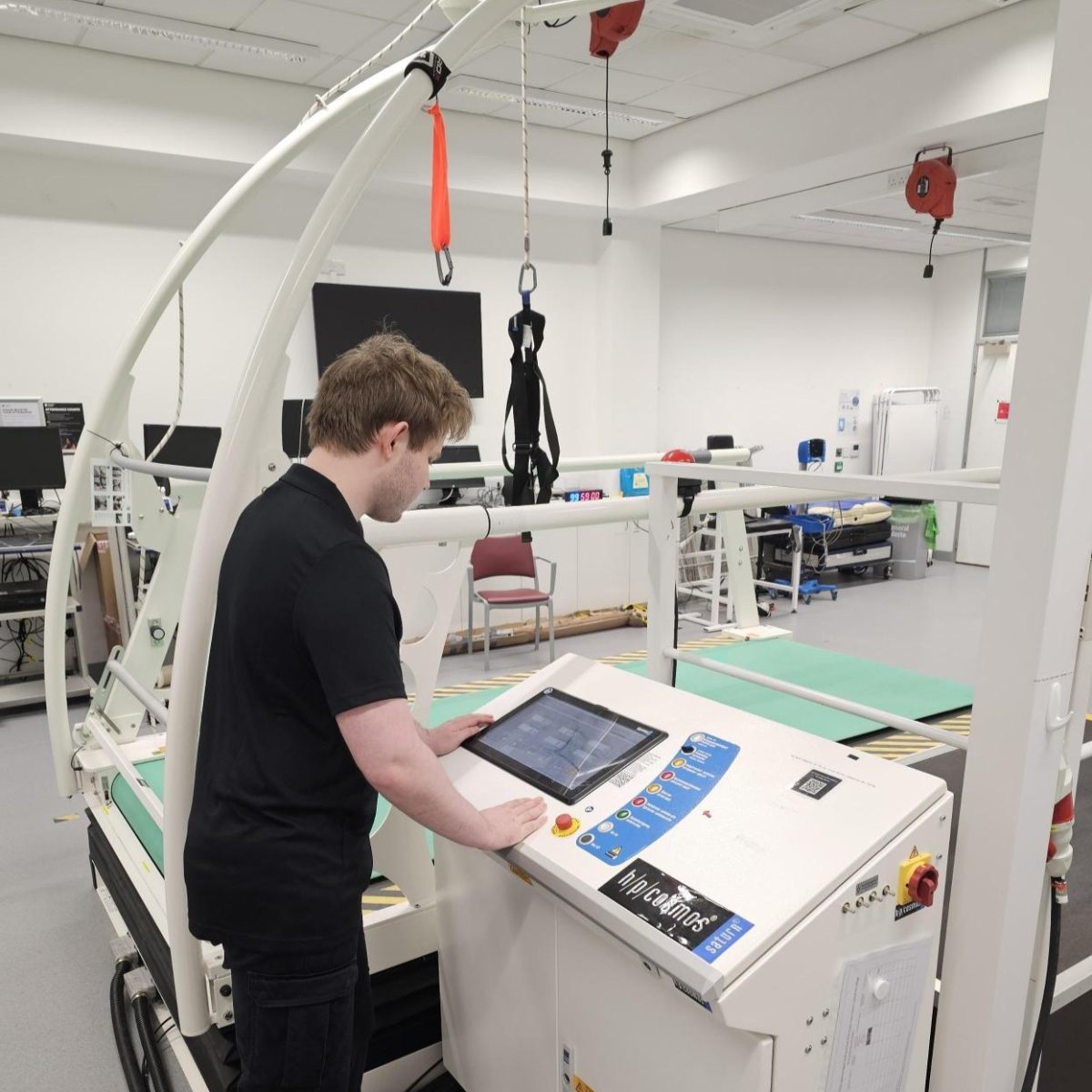
Research Lab Technician Curtis using the controls of a large treadmill in a sports science laboratory.
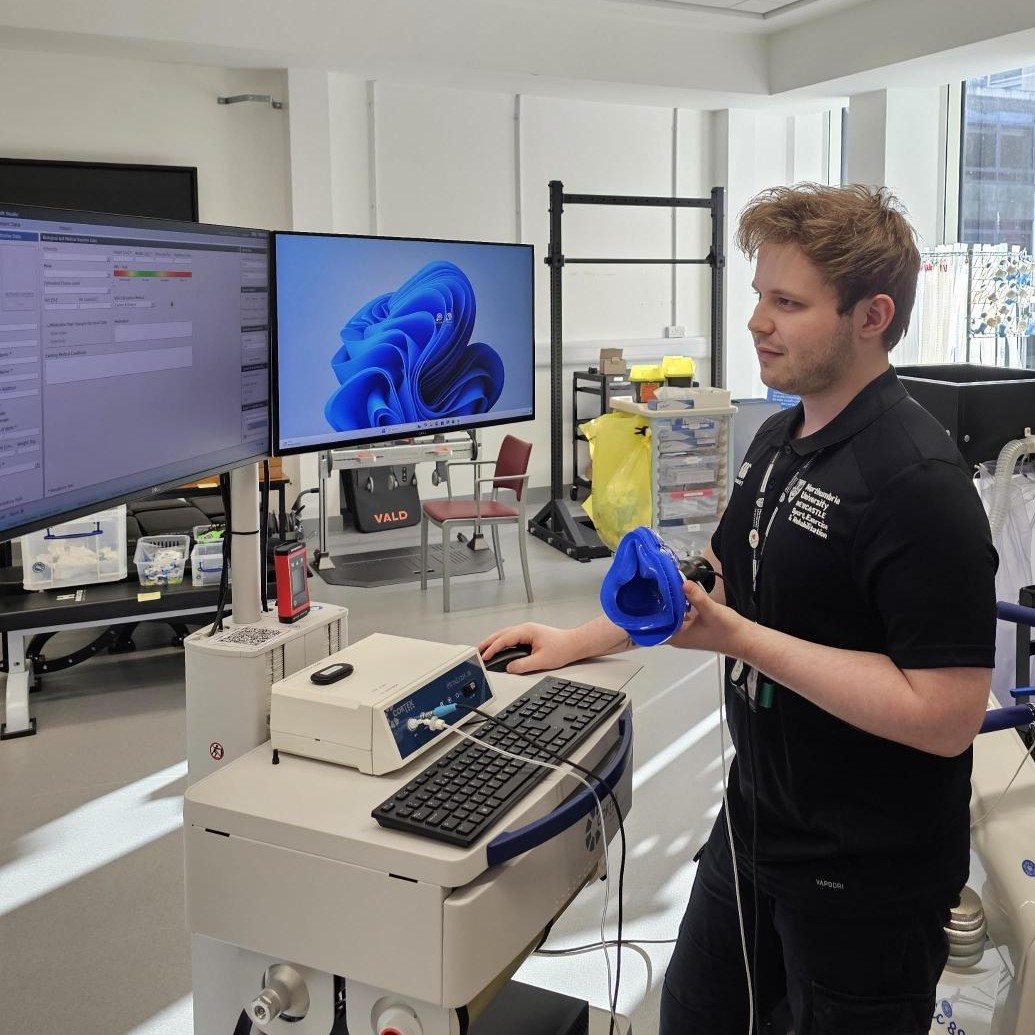
Research Lab Technician Curtis holding a breathing mask and using a computer in a sports science laboratory.

What I love about my job

I love the teaching side of my job, especially when students are enthusiastic.

When we’re both interested in the same thing, it can feel a bit like talking to a friend about a hobby.

I enjoy explaining something and having a conversation about it.

I help students link what they learn in lectures to real practice, which builds their confidence throughout their degree.

The skills I use most

Communication is important because students come in with different levels of knowledge. I need to explain practical techniques in a way that makes sense even if someone has never tried them before.

Time management helps me keep classes running on schedule, especially when several are happening at once and I need to change equipment over quickly.

Precision is equally important when I’m repairing equipment too. A lot of it is expensive and delicate, so I use tools with care and control to avoid causing damage and keep the equipment accurate and reliable for teaching and research.

A little more about my everyday role

My favourite piece of equipment

I really enjoy working with our new force decks and force frame. The force decks are sensitive platforms that measure the force a person applies when they stand or jump on them.

The force frame can be adjusted to test movements of individual body segments, and it can compare the left and right sides to highlight asymmetries, helping identify where an athlete could focus their training. I like being able to change the frame to assess a wide range of movements.
What I like to do in my spare time

I spend a lot of my spare time playing video games on my Xbox or PC, and I enjoy art too. I even designed and drew my own tattoo.

I'm also interested in medieval history, especially arms and armour. I’m thinking about getting into HEMA (Historical European Martial Arts) too.

The most exciting thing I’ve achieved so far in my job

I've been at the university for about three years, so I've seen students go from starting their degree to finishing it. Some were people I went to high school with, which felt a bit strange when I was working there and they were students.

Seeing how people change, and the impact I've had along the way, is probably the biggest thing for me. It's a continuous achievement because it's always happening with different students.

A surprising fact about my job

People are often surprised by how much lab science is involved in sports science. Some picture something more like PE at school!

We have an environmental chamber where we can change the oxygen level, temperature and humidity to see how the body responds to exercise. For example, it can simulate high altitude by lowering the oxygen in the air, so we can see how the body copes with less oxygen to breathe. We can measure things like oxygen saturation, which shows how much oxygen the blood is carrying.

The next steps in my career journey

I enjoy working here and I’d like to build my career in the department. There are senior technician roles here, and I hope to move into one of them in the future.

For now, I’m happy in my current role and focused on building my skills and experience.

The advice I’d give to someone younger

Don’t worry if things don’t work out exactly the way you expected. Things change, but that doesn’t mean it will be as difficult or as bad as you think.

My original plan was to become a paramedic, and I’ve ended up working in the health and wellbeing labs at a university instead. It’s still connected to health, but it’s a job I never knew existed!

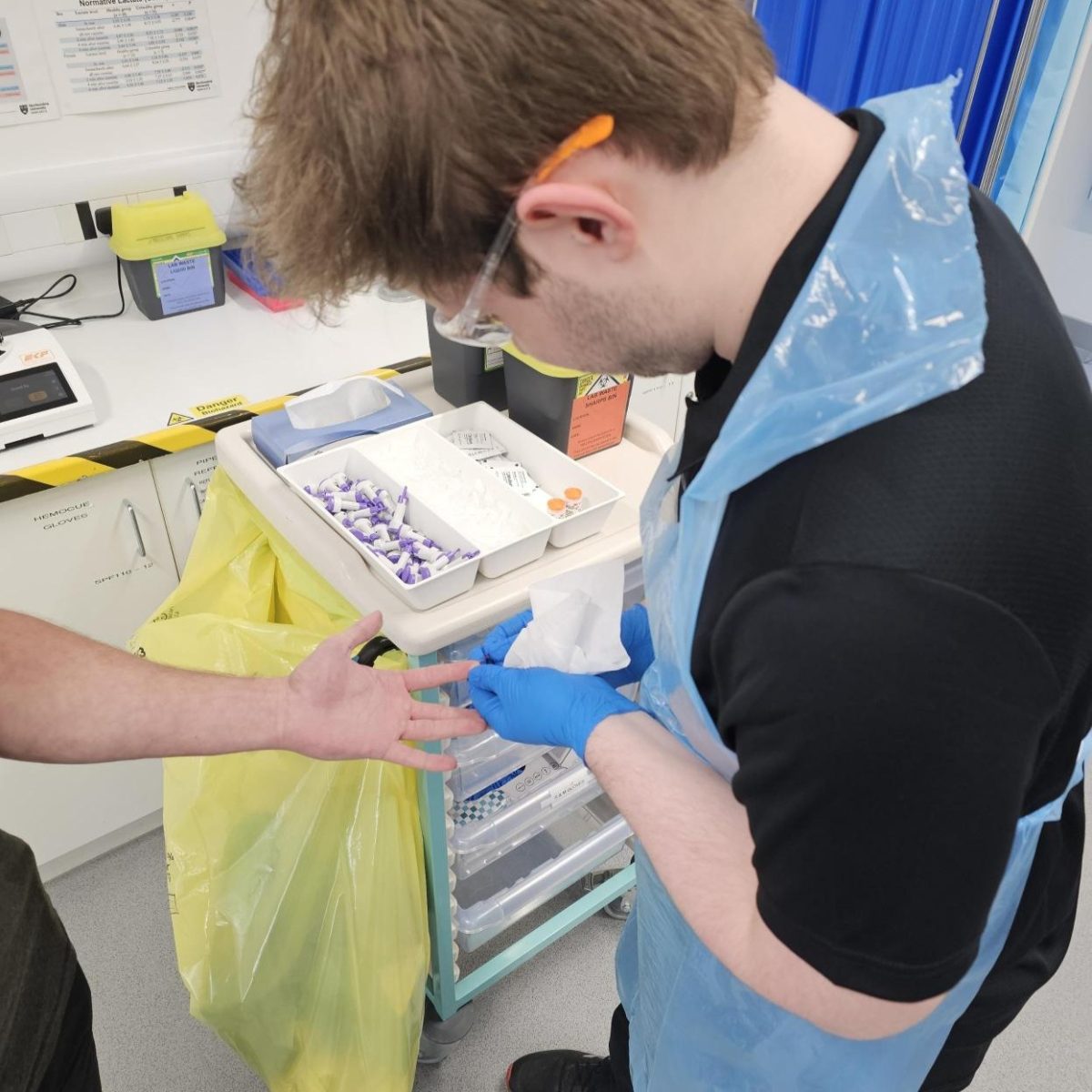
Research Lab Technician Curtis wearing gloves, safety glasses and an apron, handling a person’s fingertip in a laboratory.

Think you could be a Research Laboratory Technician?

Discover what qualifications you’ll need, how much you can earn, and what the next steps are.

Like the sound of
this role?
Visit the
role detail page